








Vintage Spelter Figure
A vintage spelter figure brings the decorative metalwork of the nineteenth and early twentieth centuries into a room with striking presence.
Vintage Spelter Figure
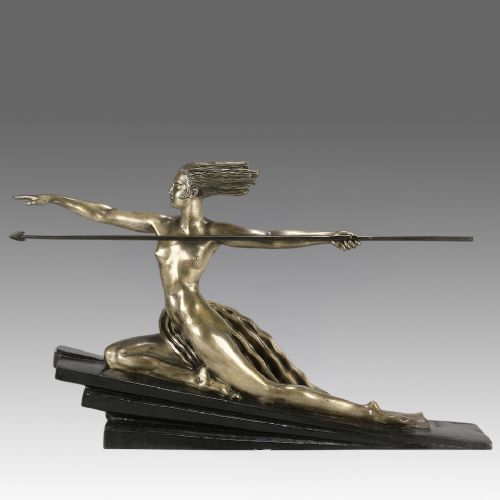
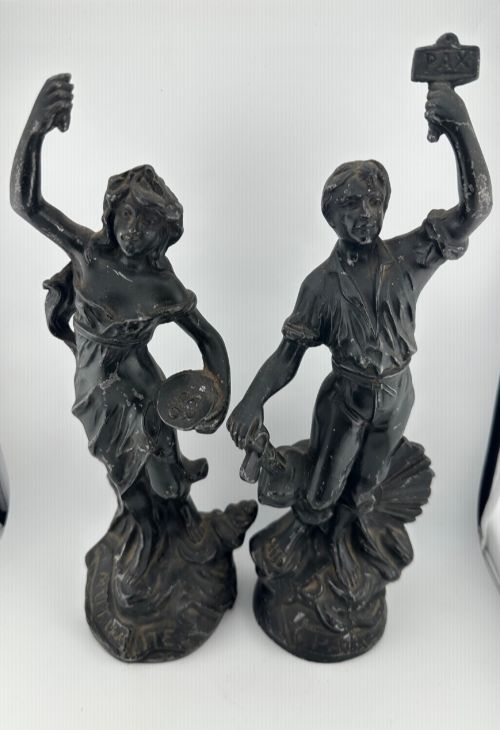
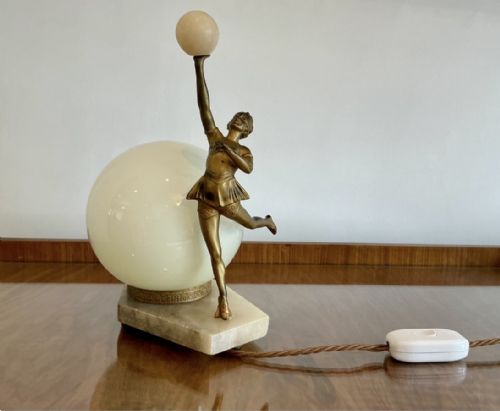
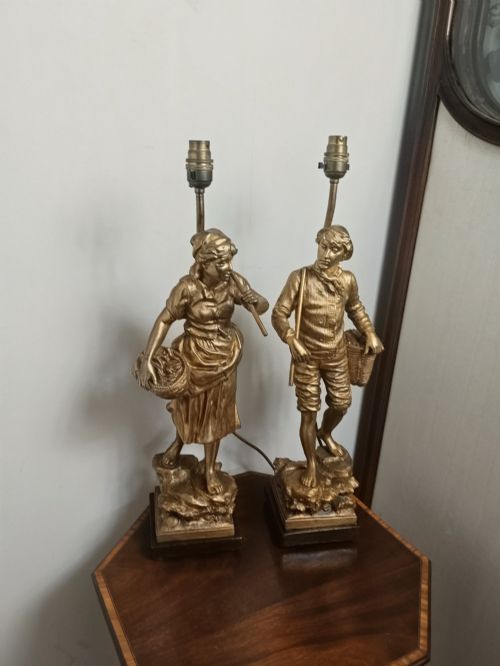
A vintage spelter figure represents a diverse category of decorative metal sculptures, lamps, bookends, and clocks originating predominantly from French and international makers. Buyers exploring this category encounter pieces spanning the nineteenth century through the Art Deco era of the 1920s and 1930s. The selection ranges from standalone dancers and athletes to functional table lamps and figural clock garnitures.
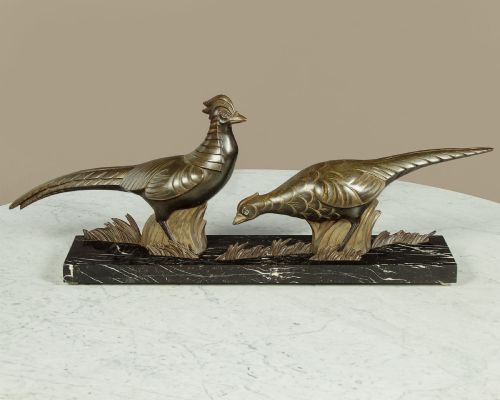
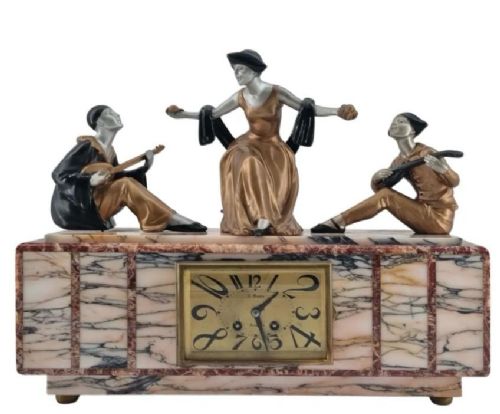
The most common examples on this page date from the Art Deco period, capturing dynamic human forms, animals such as deer and panthers, and theatrical characters like Pierrot and Columbine. Alongside these twentieth-century designs, older nineteenth-century works include soldiers, musketeers, and classical subjects. These objects served primarily as decorative parlour ornaments or functional items like lighting and bookends.
Origins vary across French workshops and international foundries, often mounted on heavy bases of marble, onyx, or alabaster. The forms vary from single figures in motion to paired groups and complex clock garnitures. Each piece reflects the aesthetic priorities of its decade of production, transitioning from ornate Victorian interpretations to streamlined modernist silhouettes.
Factors influencing quality
The choice of base materials and the integration of the figure with its plinth also signal higher grade execution. Heavier, finer-grained marble or alabaster bases matched securely to the metal sculpture elevate the overall construction. Furthermore, signed works attributed to known sculptors or recognised foundries carry distinct distinction over unsigned commercial productions.
Vintage Spelter Figure Retail Price Guide 2026
Typical asking prices for vintage spelter figure among the pieces listed under this phrase on Sellingantiques today, from the lower quarter to the upper quarter. They describe what is for sale here now, not the wider market.
Listings feature periods spanning from the 1860s Victorian era through to Art Deco productions of the 1930s.
E Rousseau·Sega·Josef Lorenzl·C Masson·Geo Maxim·Chiparus
The Vintage Spelter Figure Glossary
- Spelter
- A zinc-based alloy commonly utilised in the nineteenth and early twentieth centuries for decorative castings. It is softer and lighter than bronze.
- Patination
- The surface treatment or artificial ageing applied to metal to impart colour, depth, and the appearance of age. It often mimics darker bronze tones.
- Cold painted
- A technique where paint is applied to a metal object without subsequent firing or heat fixation. This method allows for vibrant polychrome details on figures and animals.
- Garniture
- A set of matching decorative ornaments, typically comprising a central mantel clock accompanied by flanking side pieces or vases. They formed symmetrical displays on nineteenth and twentieth-century mantelpieces.
- Alabaster
- A fine-grained, translucent stone often carved for decorative bases and architectural elements. Its soft lustre complements metallic figures.
Vintage Spelter Figure: Frequently Asked Questions
What is spelter metal?
Spelter is an alloy primarily composed of zinc, often combined with lead or tin, used widely for decorative sculptures as an economical alternative to bronze. It allowed manufacturers to produce detailed decorative objects at a lower cost.
Because the metal is softer than bronze, objects made from it require careful handling to avoid surface dents and scratches. Most pieces were given a bronze-like patina or painted finish to enhance their visual appeal.
How do I clean a vintage spelter figure?
Cleaning requires only a soft, dry microfibre cloth to remove dust from crevices and surfaces. Avoid all liquid cleaners, polishes, and abrasive cloths, which can strip away the original cold painted finish or patina.
Take particular care around painted details and delicate extremities like fingers or lamp attachments. Preserving the original surface skin maintains the historical integrity of the piece.
Are these figures solid metal?
Most sculptures cast in this alloy are hollow rather than solid, which kept the weight and material costs manageable during production. The interior is often filled with plaster or secured to a heavy stone base for stability.
Despite being hollow, the walls have sufficient thickness to support the form. Bases made of marble or alabaster provide the necessary counterweight to keep tall compositions balanced.
How can I tell Art Deco pieces apart from Victorian ones?
Art Deco examples, largely dating from the 1920s and 1930s, feature streamlined geometry, stylised human forms, and motifs like dancers, athletes, and sleek animals. The bases often utilise contrasting geometric slabs of marble or onyx.
Victorian and nineteenth-century pieces lean towards naturalism, historical subjects such as musketeers and soldiers, and classical revival themes. Their ornamentation tends to be more ornate and detailed compared to later modernist styling.