




Vintage Specimen Storage
Vintage specimen storage pieces are specialised multi-drawer cabinets and chests designed to organise orderly collections, offering both practical utility and fine period craftsmanship.
Vintage Specimen Storage
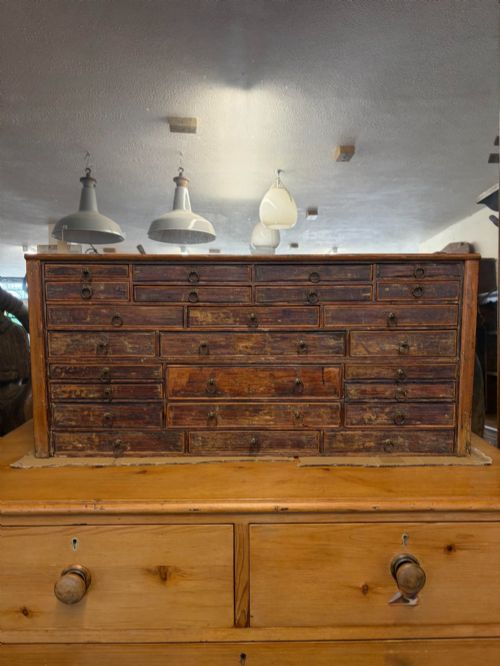
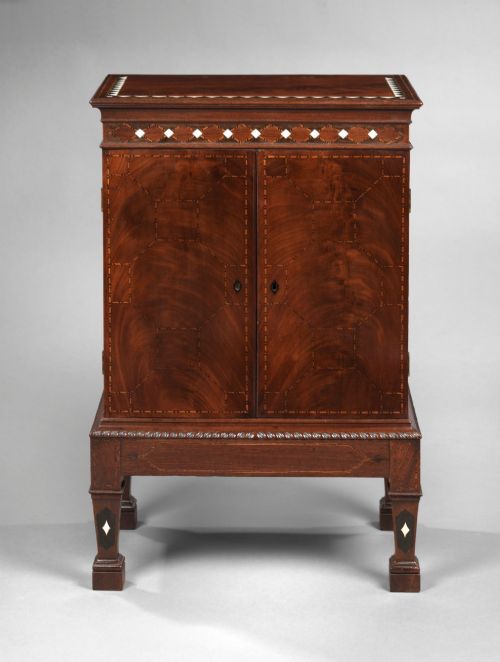
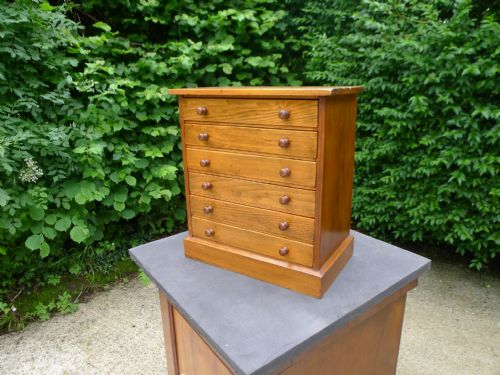
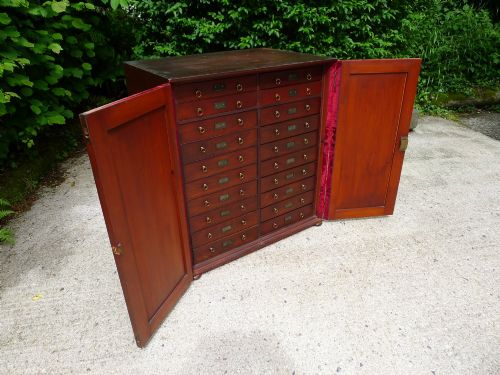
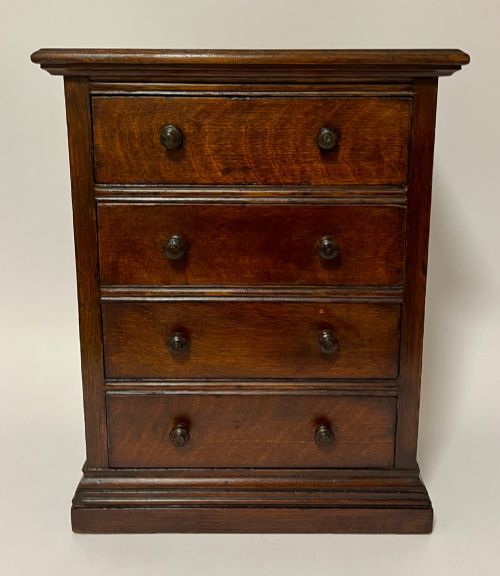
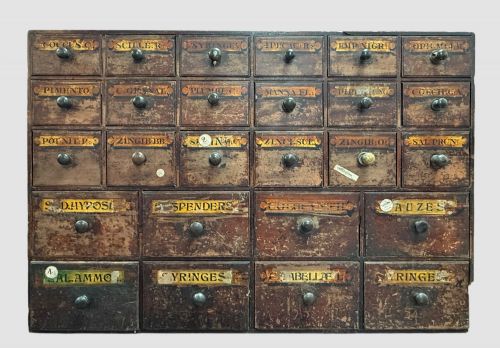
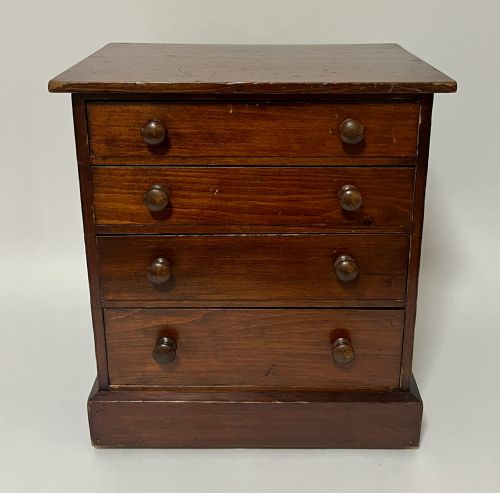
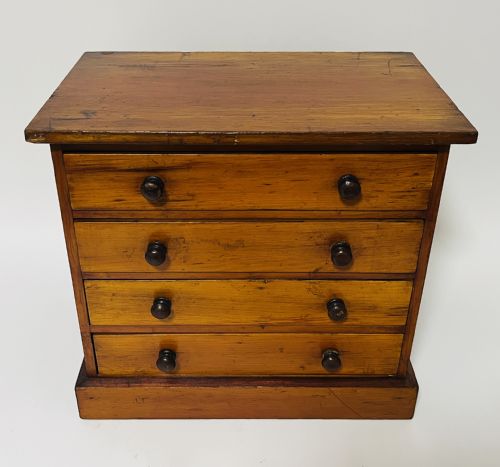
When you search for vintage specimen storage, you are looking at functional cabinetry built to house natural history objects, apothecary items, slides, and small treasures. These items range from large banks of drawers to compact tabletop cases and miniature chests.
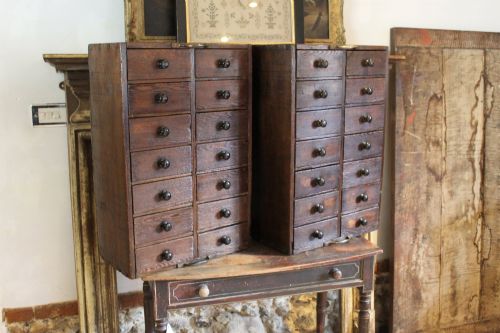
You will most frequently meet multi-drawer collectors cabinets and banks of drawers originating from the Victorian and Edwardian eras. These pieces bridge the gap between utilitarian workshop storage and refined domestic furniture.
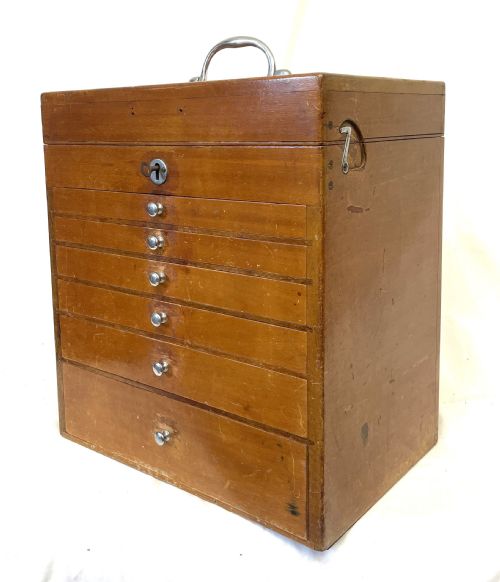
The forms encompass apothecary chests, dental cabinets, microscope slide holders, and campaign style cases. Each configuration reflects the specific sorting needs of nineteenth and early twentieth century collectors.
How they were made
Cabinet makers utilised dense hardwoods such as mahogany, oak, and walnut for robust carcasses and drawer frames, often pairing them with softer secondary timbers like deal or pine. Brass fixtures, including drop handles, flush pulls, and campaign corners, provide durable structural accents.
Construction methods focus on precision drawer fit to protect delicate contents from dust and environmental shifts. Finishes rely on traditional polish, wax, or painted surfaces that highlight the natural grain of the wood over decades of handling.
Listings span the Georgian, Victorian, and Edwardian periods, utilising mahogany, oak, walnut, pine, and brass.
What varies in quality
The distinction between ordinary utility storage and high-end collector pieces lies in the precision of the drawer construction and the selection of timber figures. Superior cabinets exhibit tightly fitted tongue-and-groove or dovetailed joints and choice veneers like satinwood or burr walnut.
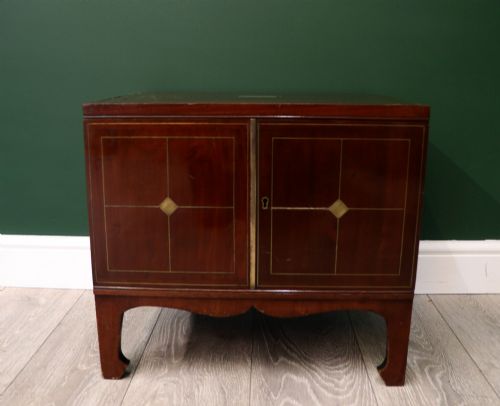
Hardware and secondary detailing separate the workshop-grade chest from the salon-quality cabinet. Brass inlay, integrated locking mechanisms, and original glazed doors elevate standard storage into bespoke furniture.
Luxmore's of Ilfracombe·Brady of Edmonton·D Napier & Sons
The Vintage Specimen Storage Glossary
- Bank of drawers
- A tall or wide multi-drawer carcass designed for heavy sorting work. These units typically feature numerous shallow compartments.
- Wellington chest
- A tall, narrow chest of drawers secured by a locking hinged side stile. This form originates from the mid nineteenth century.
- Campaign style
- Portable furniture constructed with recessed brass hardware and protective corners for travel. These pieces prioritise durability and modular transport.
- Specimen cabinet
- A specialised piece of furniture with shallow drawers built to hold natural history collections. Interiors often remain unlined or feature subtle felt surfaces.
- Deal
- An older trade term for pine or fir timber. Cabinet makers frequently used stained deal for interior framing and drawer sides.
Vintage Specimen Storage: Frequently Asked Questions
What were specimen cabinets originally used for?
These cabinets were built to house botanical, entomological, and geological specimens, alongside medical and apothecary supplies.
Collectors relied on the shallow drawers to organise delicate items systematically while protecting them from light and dust.
How do I date a vintage cabinet?
Dating relies on examining construction techniques, timber choices, and hardware styles across the piece. Victorian and Georgian examples often feature hand-cut dovetails and solid mahogany, whereas later pieces incorporate alternative woods and simpler joints.
Maker marks, where present, provide the most precise indication of origin and manufacturing date.
Are these drawers suitable for modern jewellery?
The shallow drawer configurations make these cabinets ideal for storing small modern accessories, watches, and jewellery. The division of space keeps delicate items separated and organised.
Linings can be added gently without altering the historic structure of the interior wood.
How should I care for timber storage?
Maintain the wood by keeping the cabinet away from direct heat sources and fluctuating humidity levels. Regular dusting and occasional application of traditional beeswax preserve the finish.
Avoid harsh chemical cleaners that strip the original patina and dry out the timber.