





Vintage Sofa Coffee Table
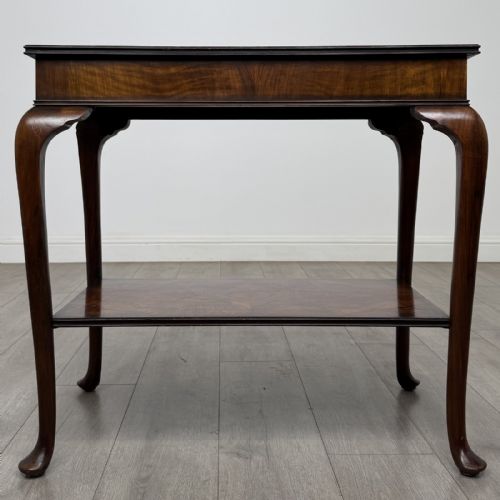
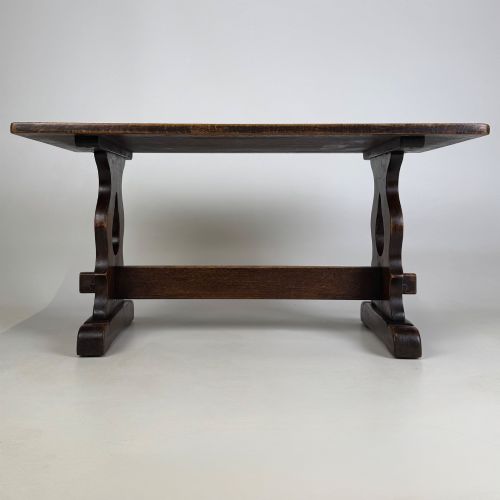
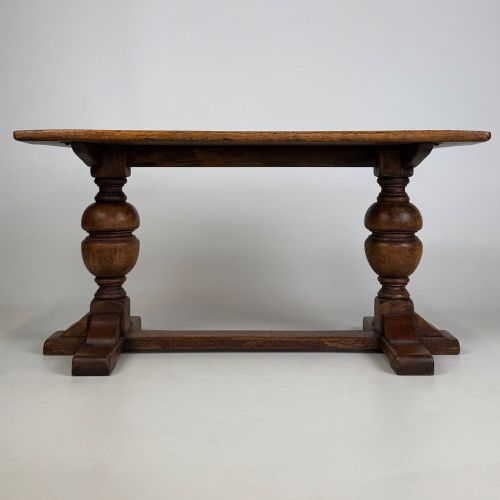
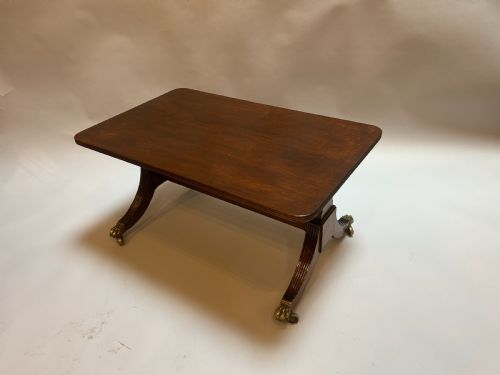
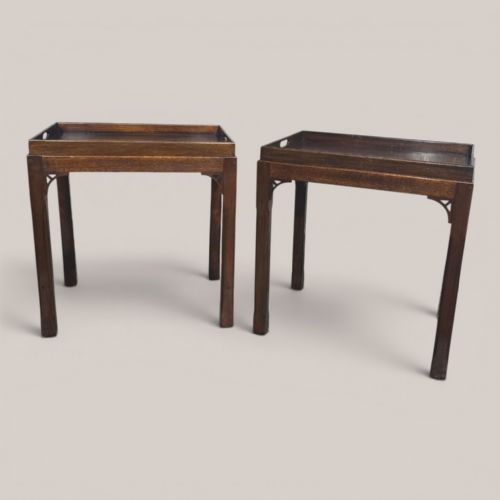
A vintage sofa coffee table brings character to a room, offering low timber surfaces designed to sit comfortably beside seating.
Vintage Sofa Coffee Table
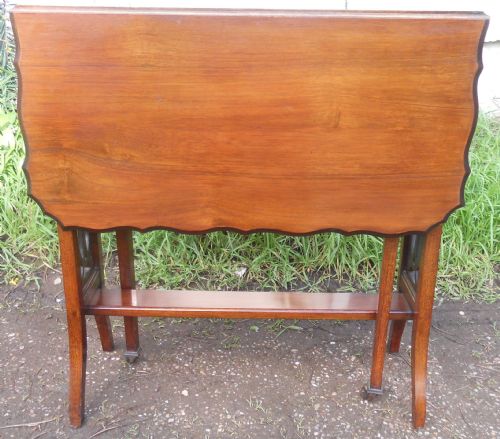
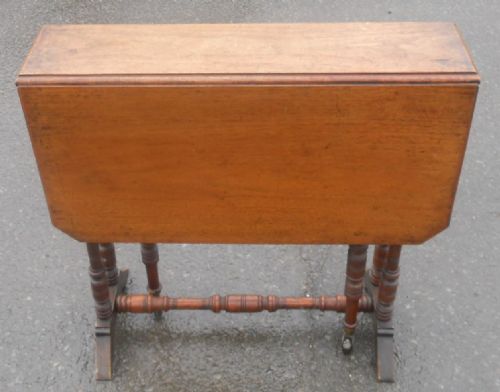
A vintage sofa coffee table encompasses low timber tables, occasional pieces, and dropleaf designs intended for placement near seating. Buyers searching for a vintage sofa coffee table often encounter low mahogany and oak forms, alongside walnut tiered or dropleaf constructions.
The selections span periods from the nineteenth century through the Edwardian era and into Art Deco designs of nineteen thirty. Edwardian dropleaf coffee tables in mahogany appear frequently among these listings, alongside walnut occasional pieces and nineteenth-century examples.
Makers and designers worked within diverse stylistic revivals, incorporating Georgian, Regency, and Jacobean motifs into practical domestic furniture. These items serve current interior needs by providing compact surfaces for living spaces while retaining historical timber patination.
Materials and Construction
Craftsmen utilised solid timbers such as mahogany, oak, and walnut, frequently applying burr walnut veneers or marquetry inlay to tabletops. Structural integrity relied on traditional joinery, turning, and carving techniques suited to domestic tables.
Specific variants incorporate specialised elements like brass fittings, marble tops, chrome, and glass within Art Deco and nineteenth-century frameworks. Dropleaf mechanisms and tiered shelf configurations added functional versatility to timber frames.
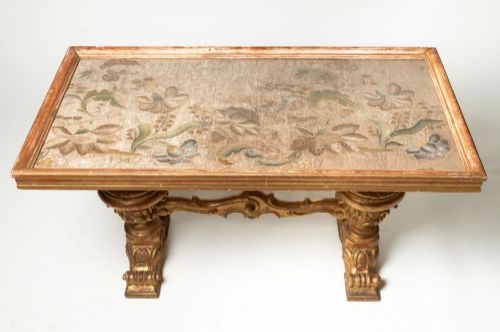
Surface finishing involved polishing natural woods to highlight grain patterns, alongside giltwood framing on decorative occasional pieces.
Vintage Sofa Coffee Table Retail Price Guide 2026
Typical asking prices for vintage sofa coffee table among the pieces listed under this phrase on Sellingantiques today, from the lower quarter to the upper quarter. They describe what is for sale here now, not the wider market.
Listings feature pieces spanning the nineteenth century, Edwardian era, and Art Deco period, constructed predominantly from mahogany, walnut, and oak.
Judging Quality and Execution
Quality rests upon the selection of timber figures, such as highly figured veneers and burr walnut, matched with precise marquetry inlay. Superior execution shows in crisp wood carving, stable structural framing, and well-fitted dropleaf mechanisms.
The integration of secondary materials, including marble tops and polished brass accents, distinguishes standard utilitarian builds from finer decorative examples. Refinement in proportions and period-appropriate stylistic details elevate the standing of individual tables.
The Vintage Sofa Coffee Table Glossary
- Dropleaf table
- A table with hinged flaps on the sides that fold down to save space when not in use. These are common in Edwardian mahogany and walnut iterations.
- Burr walnut veneer
- A thin slice of wood taken from the burl growth of a walnut tree, prized for its swirling, decorative grain patterns. It frequently appears on Art Deco and nineteenth-century occasional tables.
- Marquetry
- The art of applying pieces of veneer to a structure to form decorative patterns and pictures. This technique adorns nineteenth-century walnut side tables.
- Giltwood
- Wood that has been coated with gold leaf or gold paint for decorative effect. This finish surfaces on carved nineteenth-century frames.
- Occasional table
- A small table designed for intermittent use in a sitting room or parlour. Examples range from three-tier Art Deco pieces to Edwardian lamp tables.
Vintage Sofa Coffee Table: Frequently Asked Questions
What is a sofa coffee table?
A sofa coffee table is a low surface designed to sit alongside seating areas for convenience and display.
These pieces encompass dropleaf tables, lamp tables, and occasional tiers sourced from various historical periods.
How do I identify Edwardian tables?
Edwardian tables frequently feature lightweight mahogany or walnut frames with inlaid stringing and dropleaf mechanics.
They often present slender legs and practical proportions suited to turn-of-the-century domestic interiors.
Are Art Deco tables common here?
Art Deco pieces from around nineteen thirty appear in walnut, chrome, and glass configurations.
These designs favour geometric tiers and highly figured veneers over traditional carved ornament.
What woods were used?
Cabinetmakers utilised mahogany, oak, walnut, and burr walnut veneer for the primary structures.
Secondary decorative touches occasionally include giltwood frames and marquetry inlay.