

Vintage Small Wooden Drawers
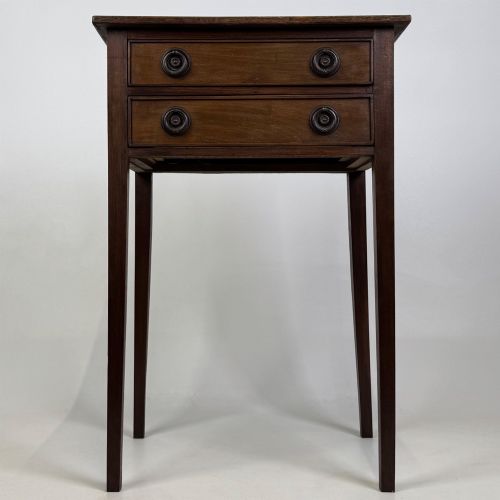
These vintage small wooden drawers bring compact storage and character to a room, spanning periods from the nineteenth century through the 1930s.
Vintage Small Wooden Drawers
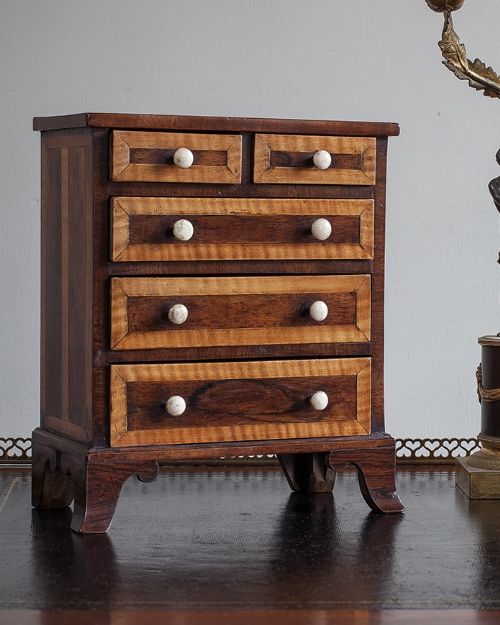
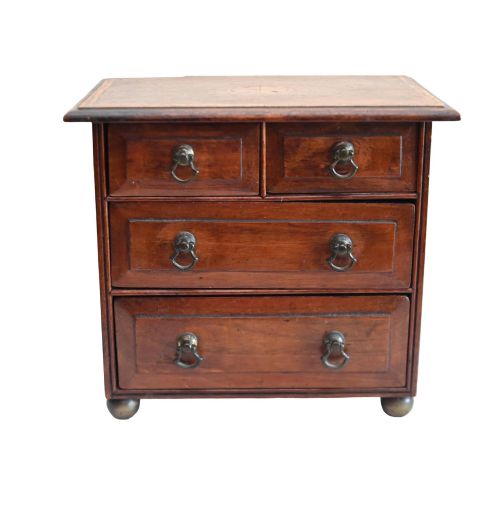
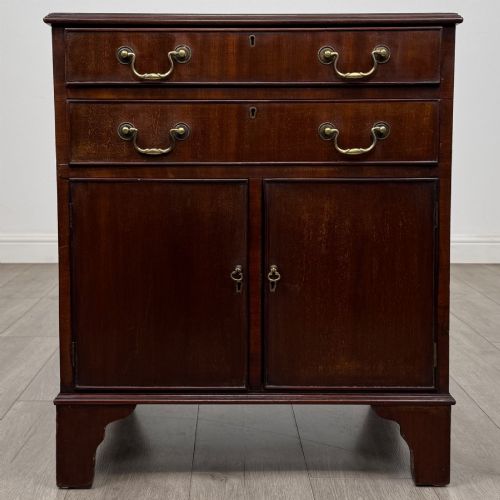
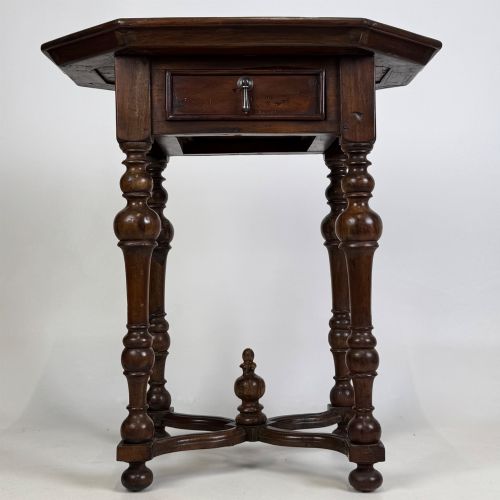
Vintage small wooden drawers comprise miniature furniture, bedside chests, apothecary cabinets and trinket storage units designed for compact spaces. These pieces emerge from periods spanning the nineteenth century, the Edwardian era, and the 1930s.
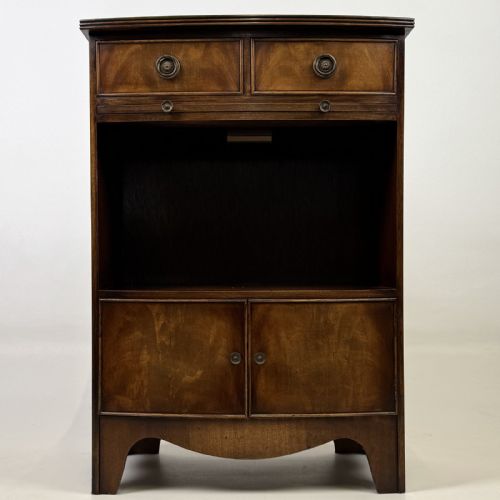
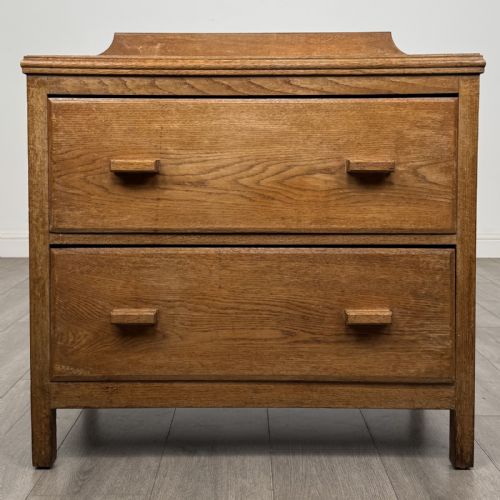
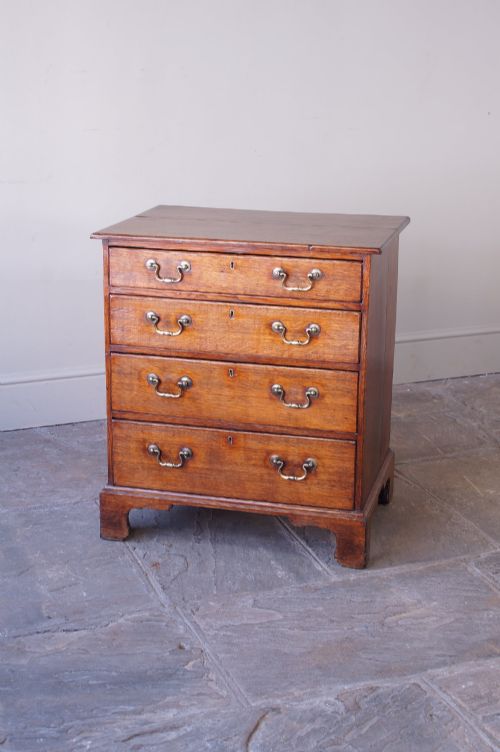
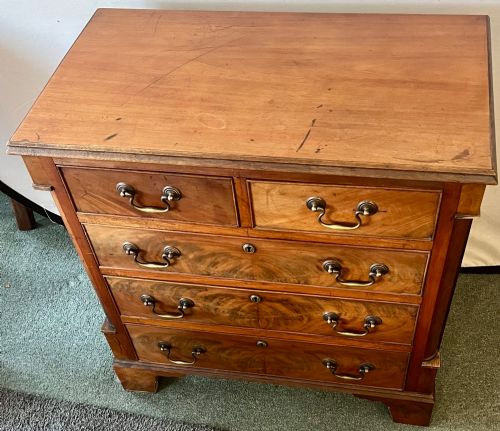
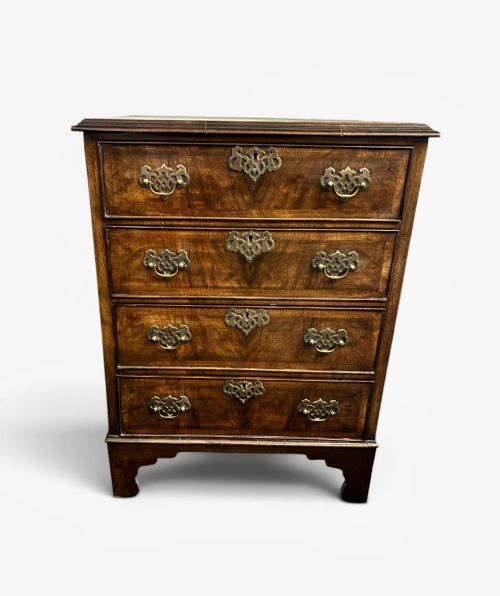
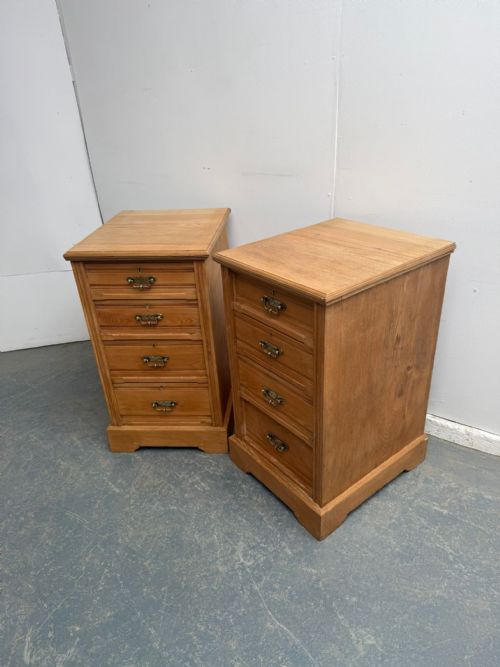
Buyers most frequently encounter mahogany, oak and walnut chests of drawers alongside specialised forms like filing cabinets and collector cabinets. The selection includes regional variants and revival styles such as Georgian Revival and Jacobean Revival.
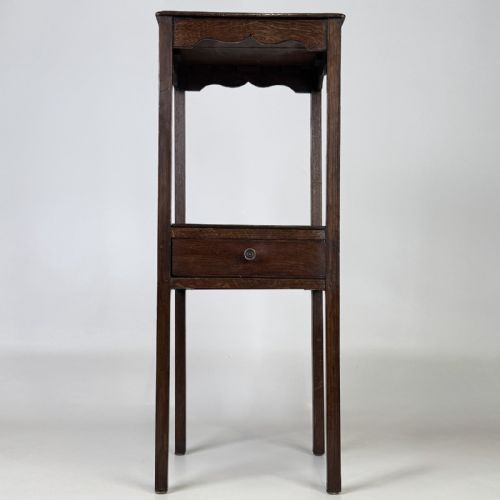
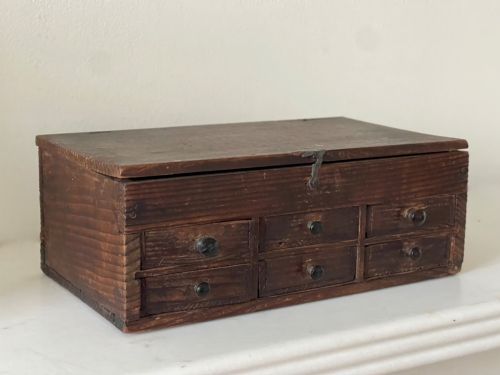
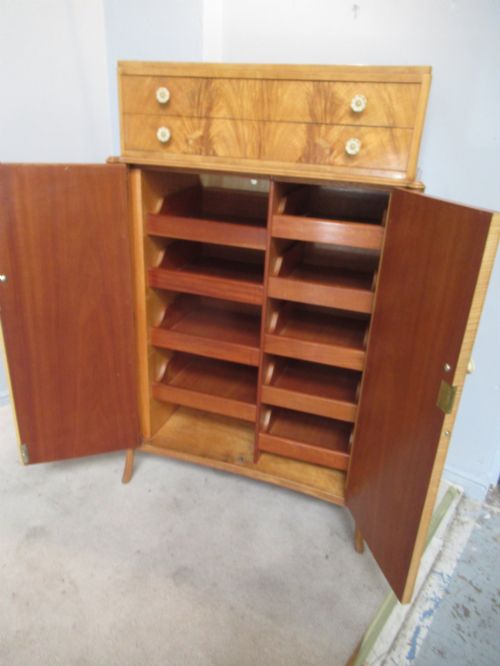
Smaller formats range from apprentice pieces and table-top boxes to low bedside cabinets and narrow chests. Each version serves practical storage needs while displaying period specific craftsmanship.
How they were made
Cabinet makers utilised dense hardwoods such as mahogany, oak and walnut, often applying veneers like burr walnut or maple to visible surfaces. Solid pine and fruitwood appear in internal or secondary structural elements.
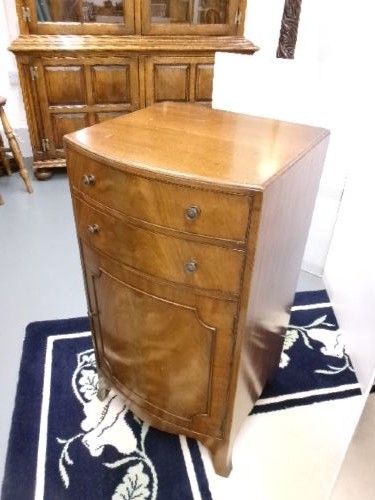
Construction techniques combine traditional joinery with brass hardware fittings, turned feet and waxed or polished finishes. Details such as bow fronts, serpentine shapes and inlaid decoration reflect the prevailing style of each period.
Recorded forms range from bedside cabinets and apothecary chests to filing cabinets and miniature apprentice furniture.
What varies in quality
The standard of timber selection and veneer matching defines the visual depth of the cabinet, particularly in walnut and mahogany pieces. Rich grain patterns and careful placement elevate the appearance of smaller surfaces.
The refinement of internal drawer construction and the retention of original brass handles or hardware distinguish higher grade specimens. Original surface treatments, such as period wax finishes, preserve the integrity of the piece.
Gomme
The Vintage Small Wooden Drawers Glossary
- Apprentice piece
- A small scale item created by a trainee to demonstrate mastery of cabinet making skills.
- Bow front
- A convex, outwardly curved front profile popular in nineteenth and twentieth century case furniture.
- Serpentine
- A gently undulating front design featuring alternating concave and convex curves.
- Collector cabinet
- A specialised multi drawer unit originally built for organising specimens, coins or small objects.
- Trinket storage
- A diminutive chest or box intended for holding jewellery and personal items.
Vintage Small Wooden Drawers: Frequently Asked Questions
What are vintage small wooden drawers used for?
These compact units serve as bedside tables, desktop storage, or small chests for organising trinkets and personal documents in limited spaces.
Their reduced scale allows them to function in modern rooms where full sized furniture proves impractical.
How do I identify an Edwardian small chest?
Edwardian examples often feature lighter timbers such as satin walnut, oak, or yew wood, accompanied by simplified revival details.
Many reflect utilitarian design shifts from the early twentieth century while retaining traditional joinery.
What wood types are most common?
Mahogany, oak and walnut dominate the selection, appearing either as solid timber or as figured veneers over secondary woods.
Pine and fruitwood also occur in specific regional pieces and internal components.
Are miniature chests apprentice pieces?
Some small scale chests represent apprentice pieces created to prove a craftsman's skill, while others were made commercially as domestic trinket boxes.
Both categories offer the proportions and details of larger period furniture.