

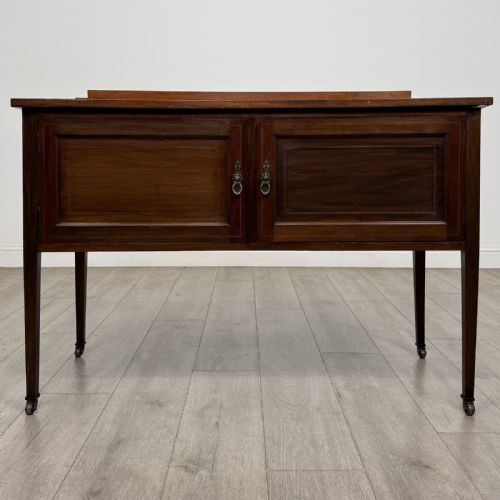
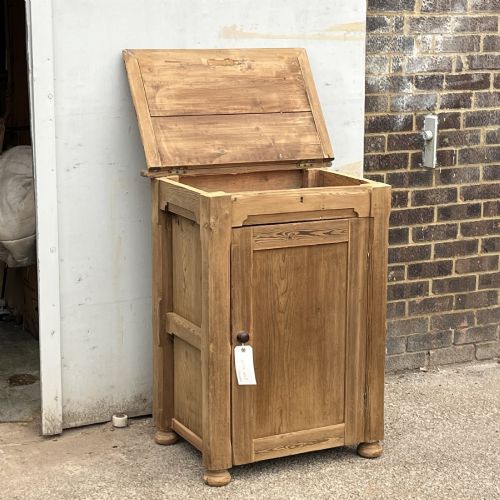
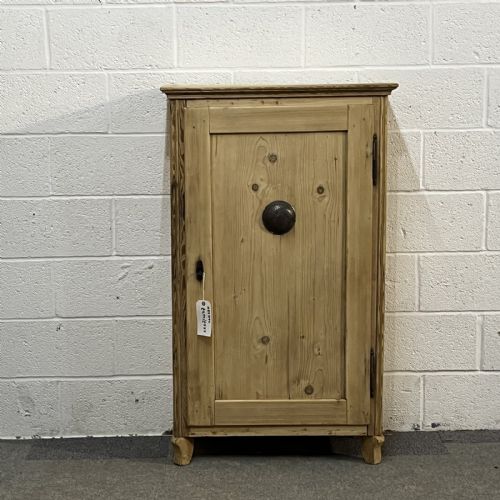
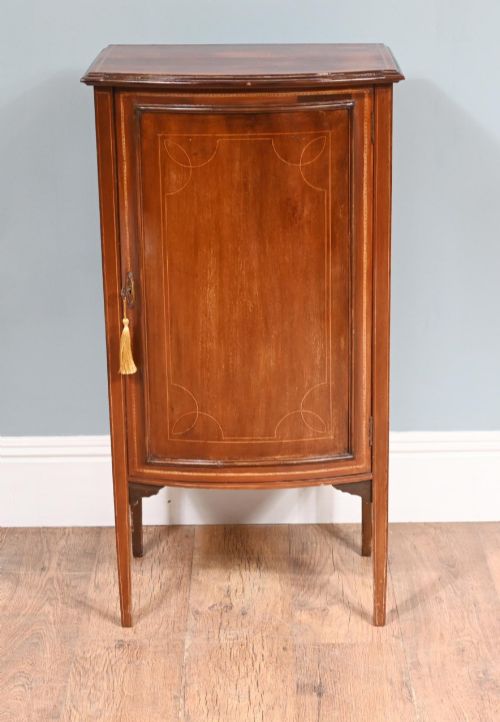
Vintage Small Cupboard
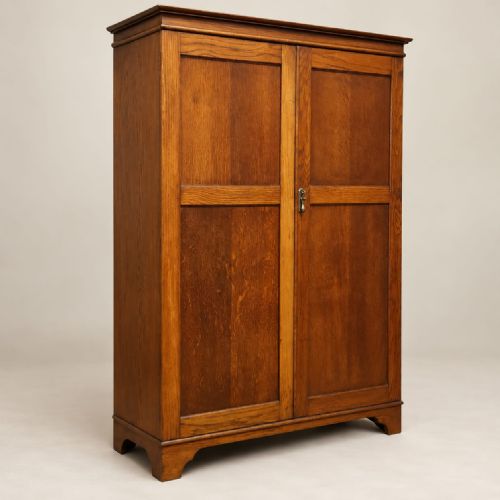
A vintage small cupboard brings practical compact storage and period character to a room, spanning Edwardian, Victorian and Art Deco forms.
Vintage Small Cupboard
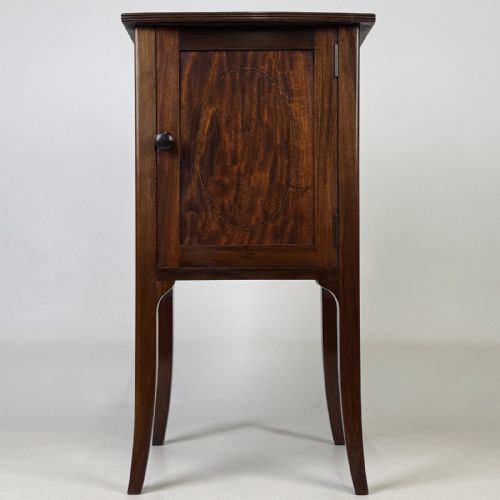
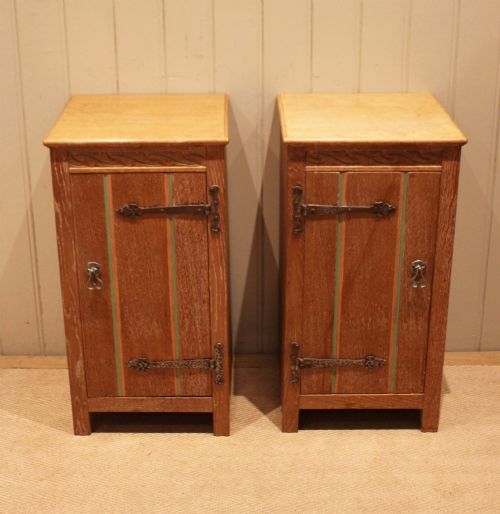
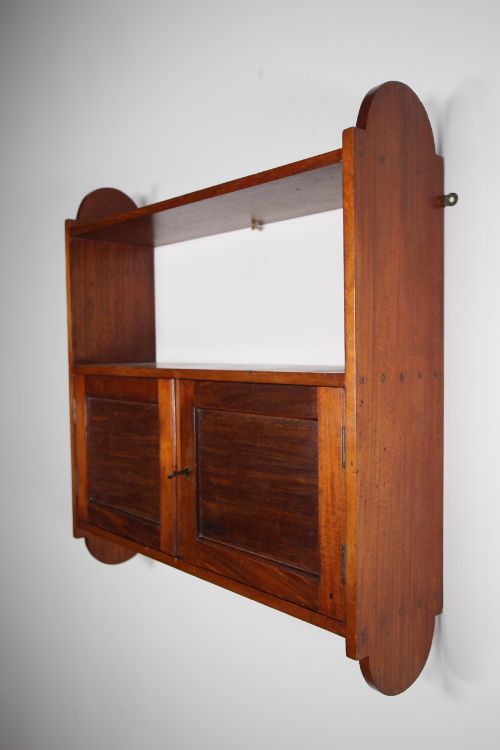
A vintage small cupboard search brings up compact freestanding and wall-hung furniture designed to fit modest spaces while offering enclosed storage. Buyers look for these pieces to provide bedside storage, display china or hold linen without dominating a room.
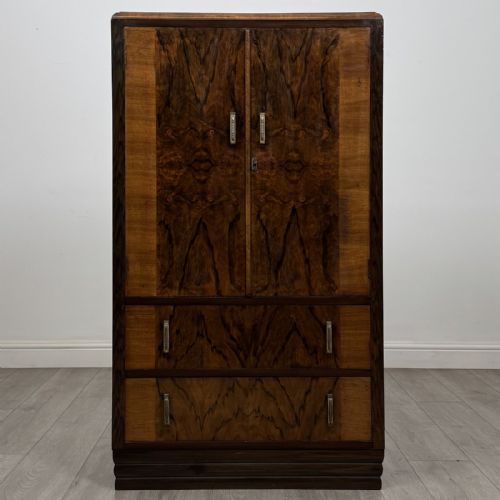
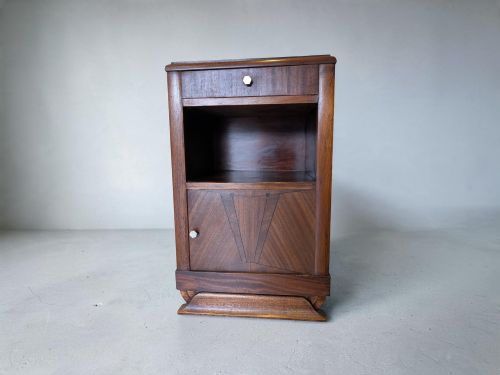
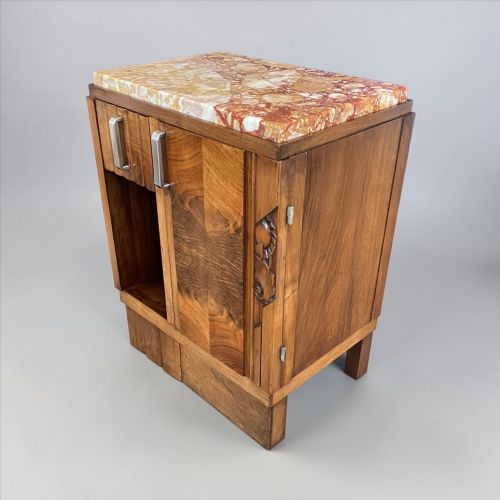
The selections span bedside cabinets, side cabinets, wall-mounted units and miniature chests originating from the nineteenth century through the Edwardian era and into the nineteen-thirties. Oak and mahogany dominate the earlier periods, while walnut and exotic veneers emerge in later Art Deco designs.
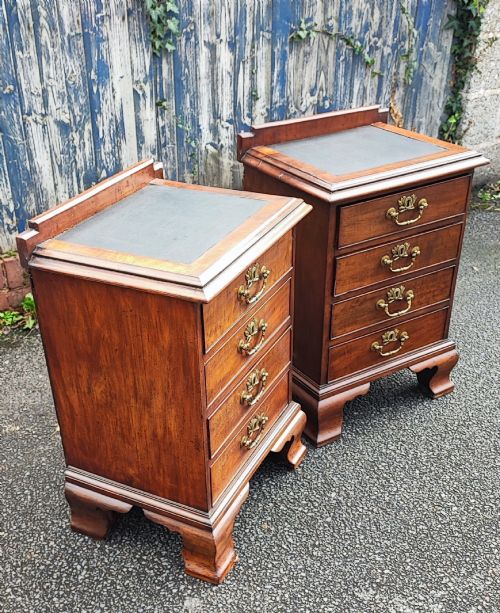
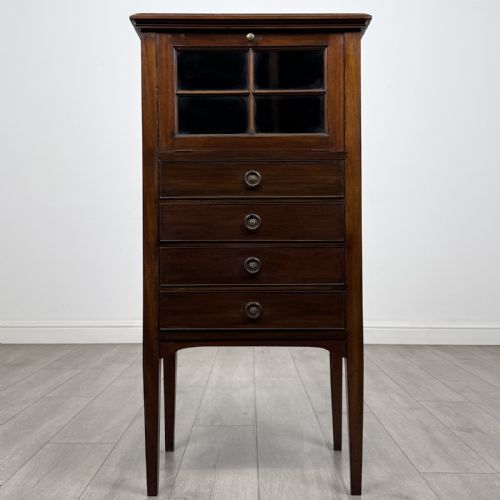
Edwardian and Victorian pieces often feature barley twist legs, raised galleries or bracket feet, whilst nineteen-twenties and thirties items introduce clean geometric lines and figured grains. Side cabinets and small wardrobes appear alongside glazed display units, each tailored to specific domestic uses.
How they were made
Cabinet makers utilised solid timbers such as oak and mahogany for structural integrity, often applying figured veneers like burr walnut, birds eye maple and satin birch to visible surfaces for decorative effect. Brass handles, hinges and gallery rails provide functional metallic contrast against the timber.
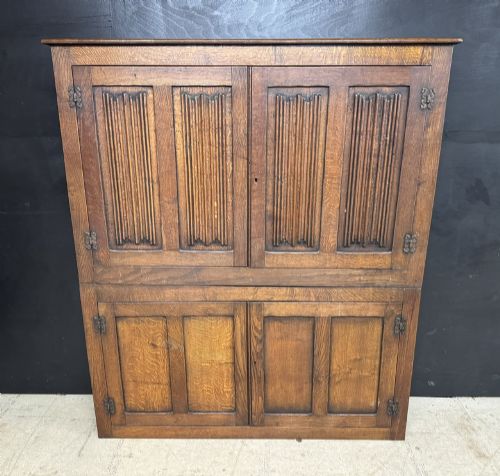
Construction techniques include mortise and tenon joints for frames and dovetailed drawer boxes that ensure long-term durability. Carved details, linenfold panels and turned legs such as baluster and barley twist patterns reflect the stylistic preferences of the Victorian, Edwardian and revival periods.
Vintage Small Cupboard Retail Price Guide 2026
Typical asking prices for vintage small cupboard among the pieces listed under this phrase on Sellingantiques today, from the lower quarter to the upper quarter. They describe what is for sale here now, not the wider market.
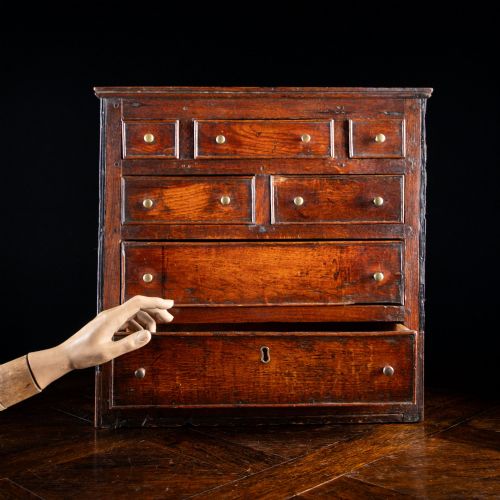
Tiny apprentice pieces and miniature chests allowed journeymen to demonstrate their mastery of dovetails and scaling before taking commissions.
What varies in quality
Quality rests in the selection of timber and the precision of the cabinet work, particularly where secondary woods meet fine face veneers. Superior examples display well-matched grain patterns across doors and drawers, alongside crisp hand-carving and cleanly fitted joints.
Hardware integrity and original surface patination distinguish finer items from later or heavier restorations. Subtle details such as crossbanding, inlaid stringing and intact brass fittings elevate a simple storage box into a piece of considered design.
Heals
The Vintage Small Cupboard Glossary
- Gallery
- A raised railing or decorative border around the top surface of a cabinet or table to prevent items from sliding off.
- Crossbanding
- A strip of veneer applied perpendicularly to the grain of the main surface, framing the panel with a contrasting border.
- Linenfold
- A style of carved wooden panelling that resembles folded fabric, frequently seen on Tudor revival and early twentieth-century oak furniture.
- Compactum
- A large fitted wardrobe or multi-compartment cupboard designed to hold a wide variety of clothing in a restricted footprint.
- Serpentine
- A curved furniture front that undulates outward in the centre and inward at the sides, requiring precise carpentry.
Vintage Small Cupboard: Frequently Asked Questions
Where should I place a vintage small cupboard?
These compact pieces fit easily into alcoves, hallways or beside a bed where floor space is limited. Their modest footprint allows them to function as bedside tables, auxiliary storage or display surfaces in smaller rooms.
Position them away from direct heat sources to protect timber and veneers from drying out or splitting over time. A wall-mounted cabinet works well above a desk or in a bathroom where floor space must remain clear.
How do I tell an Edwardian cupboard from a Victorian one?
Victorian cupboards frequently employ heavier timbers, deeper mouldings and darker finishes, often standing on sturdy bracket feet or plinth bases. Edwardian examples tend to look lighter in proportion, frequently incorporating satinwood inlay, glazed doors or turned legs.
Revival styles from the early twentieth century can mimic earlier periods, so examining the secondary woods inside drawers helps clarify the actual date of manufacture.
How do I care for antique veneer surfaces?
Protect veneered surfaces by avoiding direct sunlight, which can fade rich walnut, maple and mahogany tones. Dust regularly with a soft, dry cloth and apply a quality beeswax sparingly to nourish the wood.
Keep humidity levels stable in the room to prevent the thin decorative veneers from lifting or cracking away from the solid timber carcase underneath.