

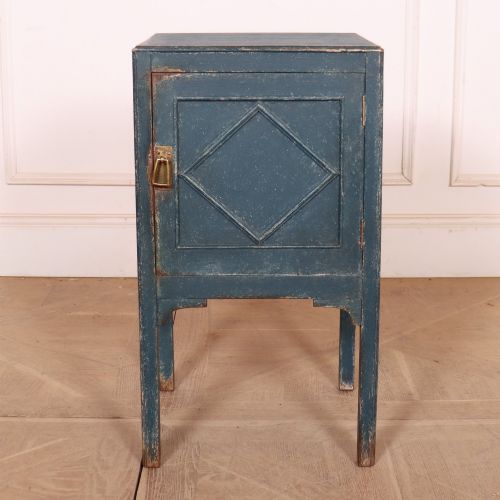
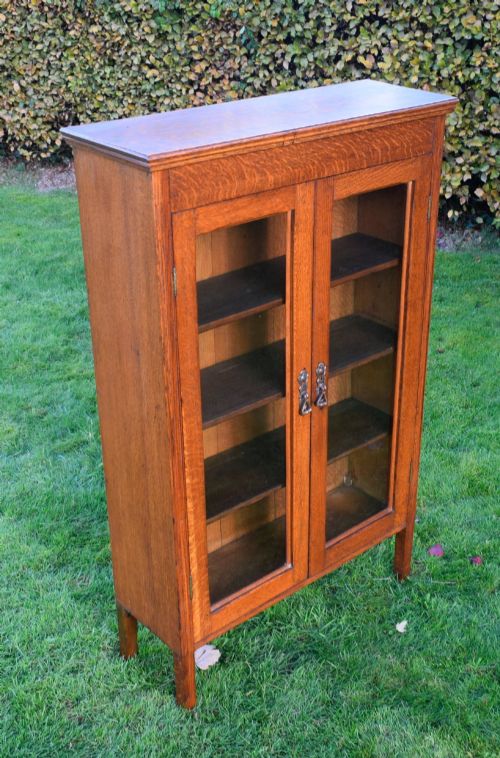
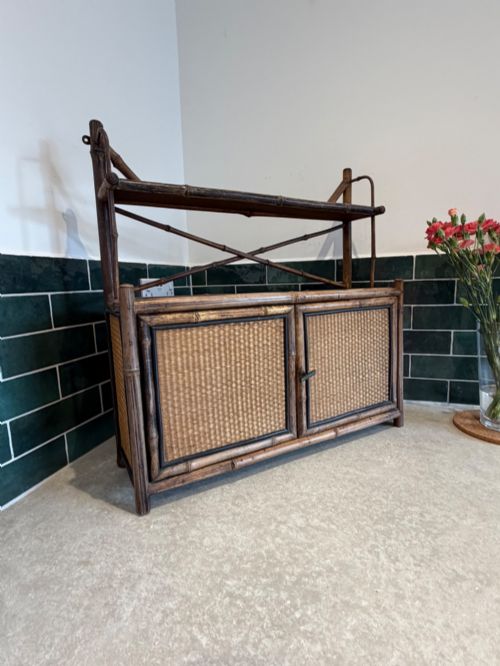

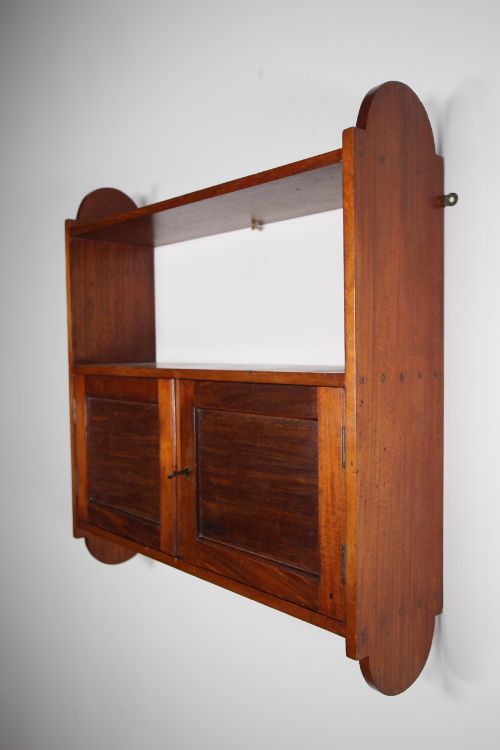
Vintage Small Cabinet Doors
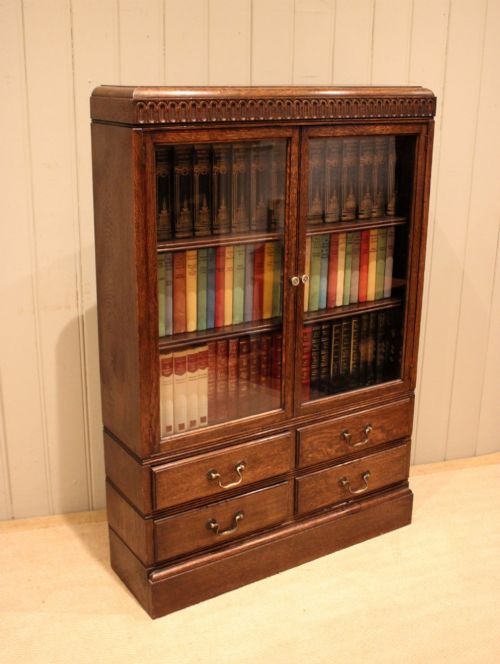
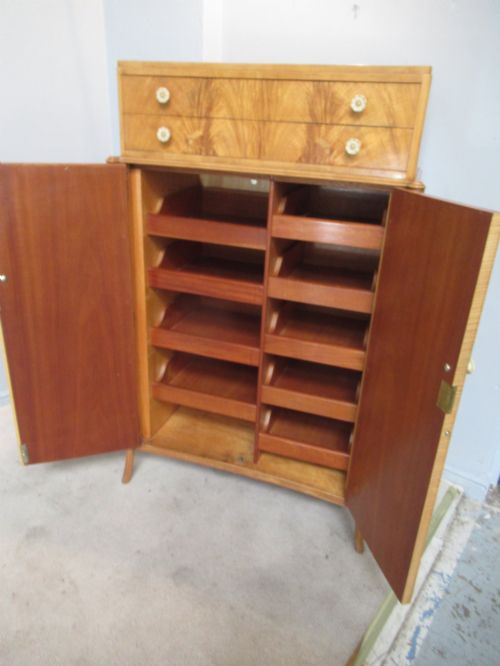
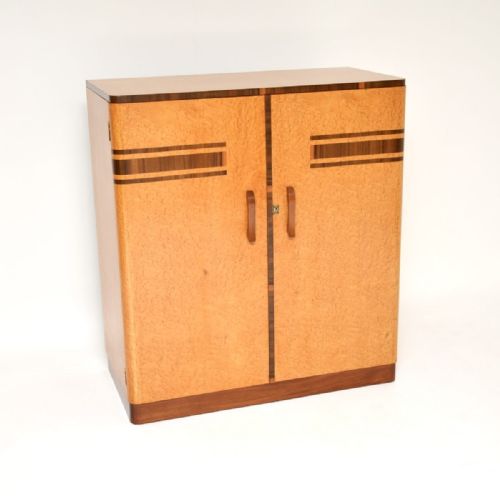
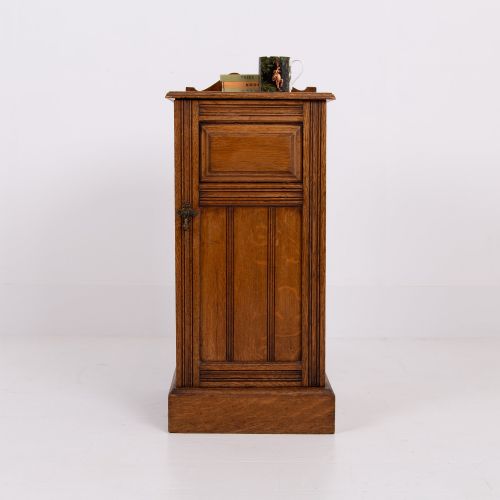
These vintage small cabinet doors offer compact architectural timber and glass salvage, ready to repurpose or fit into bespoke fitted joinery.
Vintage Small Cabinet Doors
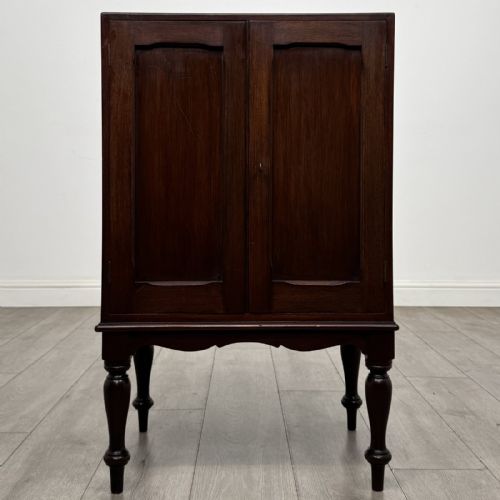
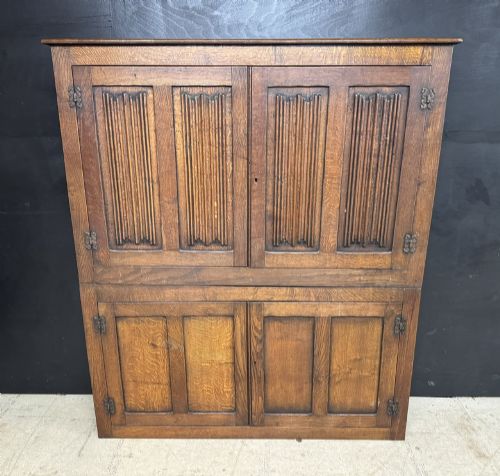
When buyers search for vintage small cabinet doors, they typically find panels salvaged from larger pieces of period furniture or bespoke built-ins, spanning Edwardian, Victorian and early twentieth-century periods. These architectural salvage pieces range from single glazed bookcase frames to solid timber cupboard doors.
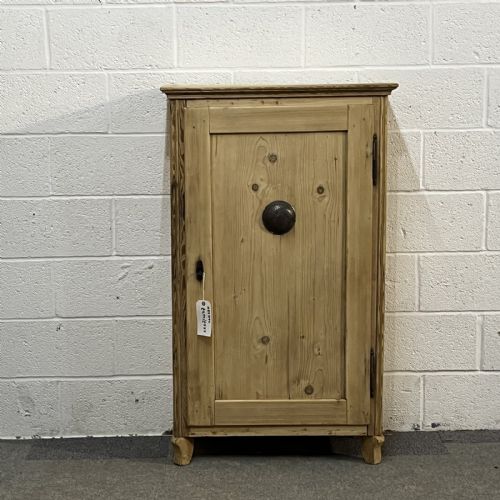
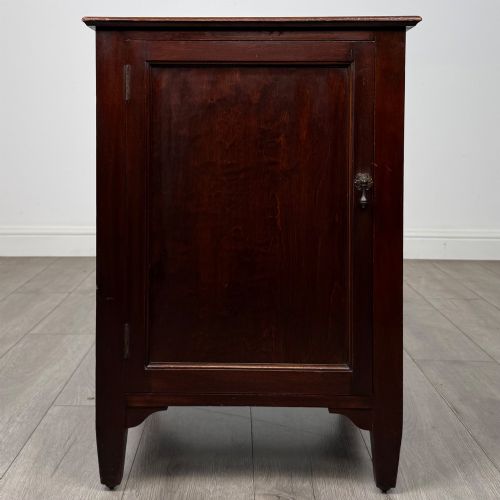
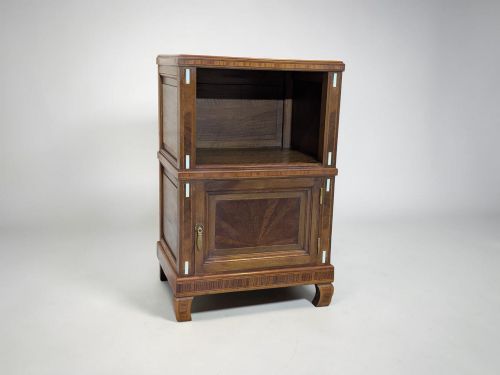
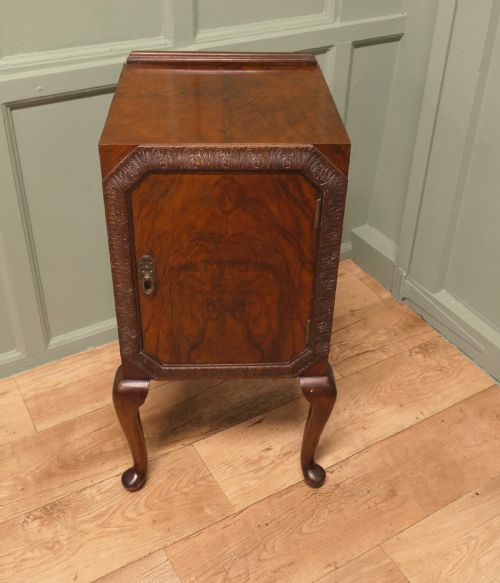
The selections on this page draw from smaller storage forms like bedside cabinets, low cupboards, bookcases and pot cupboards. Oak, mahogany, walnut and pine dominate the physical evidence, often salvaged from domestic furniture types dating from the nineteenth century up through the nineteen-thirties.
Materials and construction
Makers utilised native and imported hardwoods like oak, mahogany and walnut alongside pine, applying traditional frame-and-panel joinery to ensure stability. Timber selection dictated the weight and grain pattern, matching the aesthetic standards of Edwardian and Victorian domestic interiors.
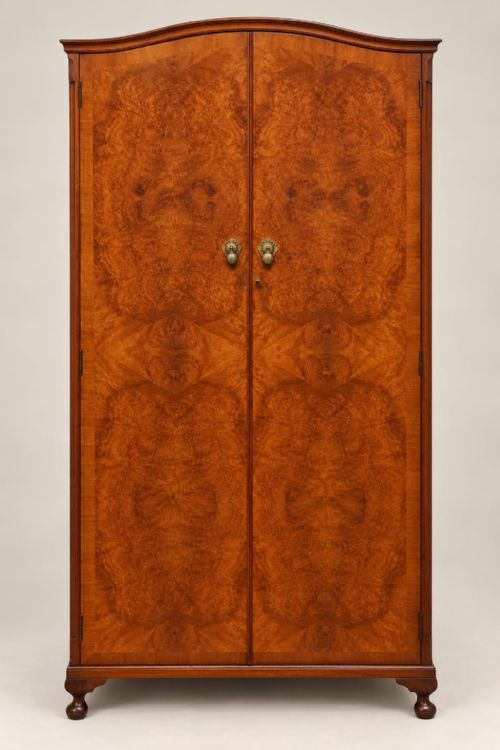
Glazing bars, brass hardware and inlaid details appear frequently across the listed items, showing hand-finished elements. Surfaces were traditionally polished, waxed or painted to highlight the natural figure of burr walnut, golden oak or pale mahogany.
Vintage Small Cabinet Doors Retail Price Guide 2026
Typical asking prices for vintage small cabinet doors among the pieces listed under this phrase on Sellingantiques today, from the lower quarter to the upper quarter. They describe what is for sale here now, not the wider market.
The listings on this page span several decades, featuring solid oak, mahogany, walnut and pine harvested across Victorian and Edwardian periods.
Assessing quality and character
Quality rests in the selection of timber figures, such as burr walnut or figured mahogany, and the crispness of the original joinery. Finer examples show careful attention to grain matching and proportional harmony across smaller scales.
The degree of original hardware, glass integrity and untouched surface patination separate standard utility pieces from finer cabinetwork. Salvaged elements retain greater distinction when their original polish or painted finishes remain intact.
Heals of London·Peter Waals
The Vintage Small Cabinet Doors Glossary
- Pot cupboard
- A small bedside cabinet originally designed to house a chamber pot. These compact storage pieces often feature a single door and a marble or wooden top.
- Pier cabinet
- A display or storage cabinet designed specifically to fit against the narrow wall space between windows. These pieces frequently showcase glass doors and fine veneer work.
- Linenfold
- A style of wood carving that mimics folded lengths of fabric. This decorative motif appears often on panels of oak cupboards from revival and traditional periods.
- Glazed
- Fitted with glass panes to display contents within a bookcase or cabinet. This technique protects books and objects while maintaining visual openness.
Vintage Small Cabinet Doors: Frequently Asked Questions
What are vintage small cabinet doors used for?
These salvage pieces are frequently utilised in interior design projects for wall-mounted cupboards, architectural feature panels, or custom kitchen cabinetry.
Buyers also repurpose them as decorative wall art or incorporate them into bespoke furniture builds to introduce genuine period timber texture.
How do I identify the period of a cabinet door?
Dating relies on examining the timber species, joinery methods, and surface finishes characteristic of specific eras like the Victorian or Edwardian periods.
Heavier mouldings and darker mahogany often suggest nineteenth-century origins, whereas lighter oak or limed finishes typically point toward nineteen-twenties production.
Can I match a single cabinet door to an existing piece?
Matching a salvaged door requires careful measurement of height, width, timber grain, and stile dimensions against your current furniture.
Because historical manufacturing standards varied considerably between workshops, exact matches demand patience when sourcing from period salvage.
How should I clean and maintain antique timber doors?
Maintenance involves applying microcrystalline wax or traditional beeswax to nourish dry period timber and preserve the historic surface patination.
Avoid modern silicone polishes and keep wooden panels away from direct heat sources to prevent timber splitting or warping over time.