


Vintage Small Bureau
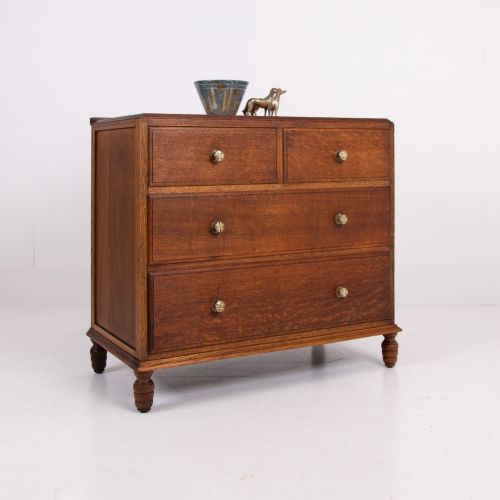
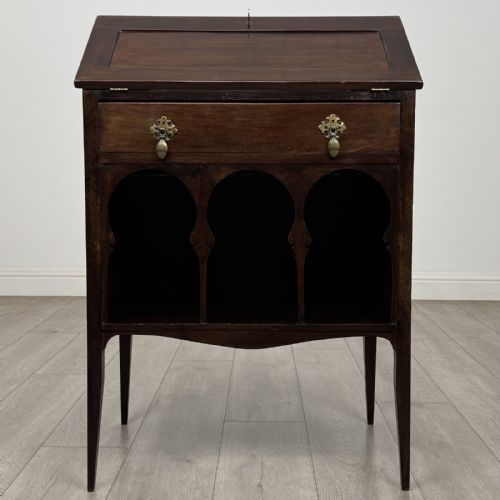
A vintage small bureau offers a compact writing station and storage, combining period craftsmanship with practical proportions for modern spaces.
Vintage Small Bureau
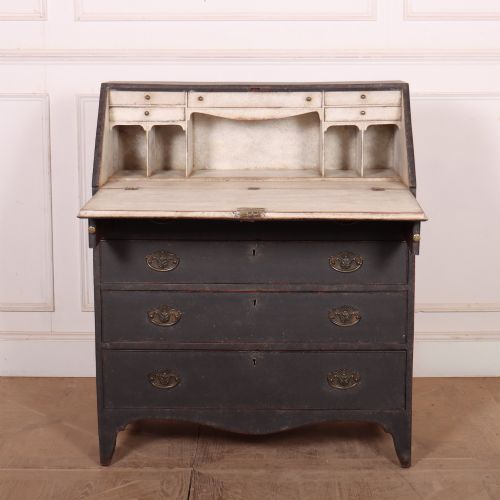
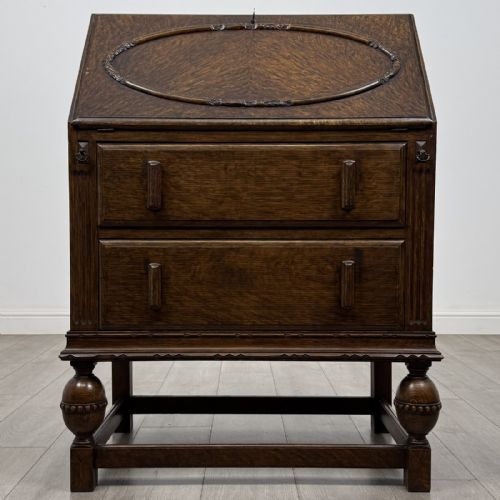
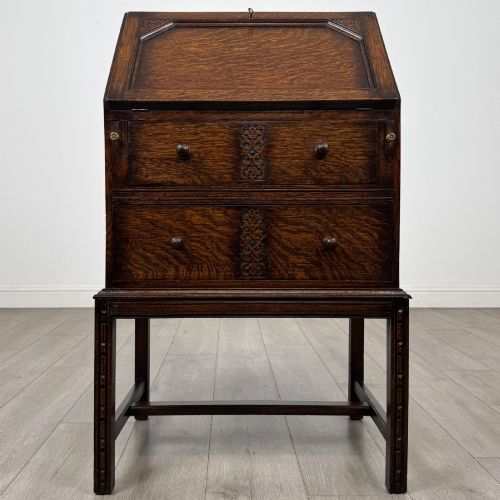
A vintage small bureau functions primarily as a compact writing desk, featuring a fall-front flap that lowers to reveal a fitted interior with small drawers and pigeonholes. These pieces frequently appear in Edwardian and Victorian forms, alongside revival styles that mirror Georgian and Queen Anne aesthetics.
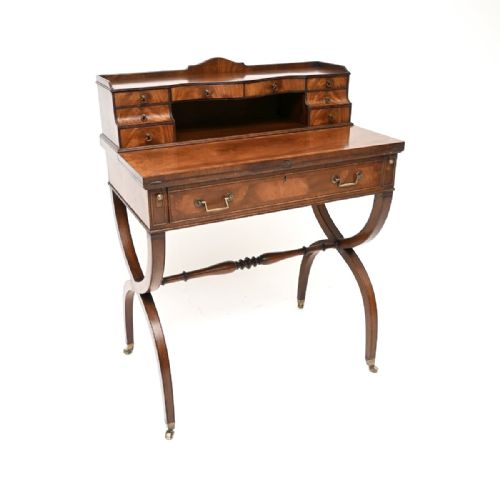
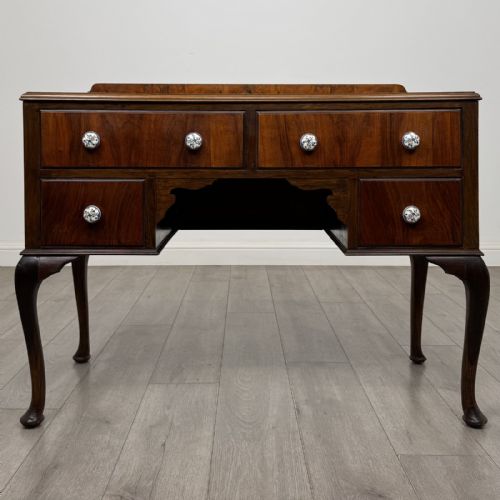
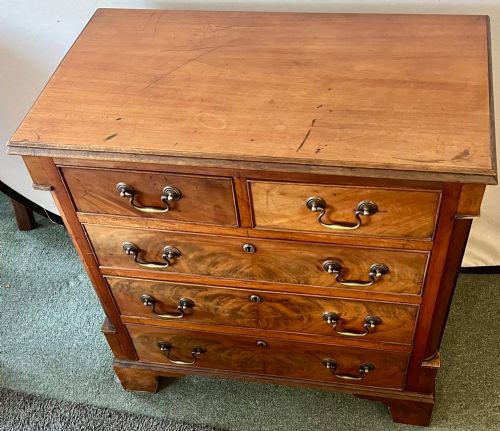
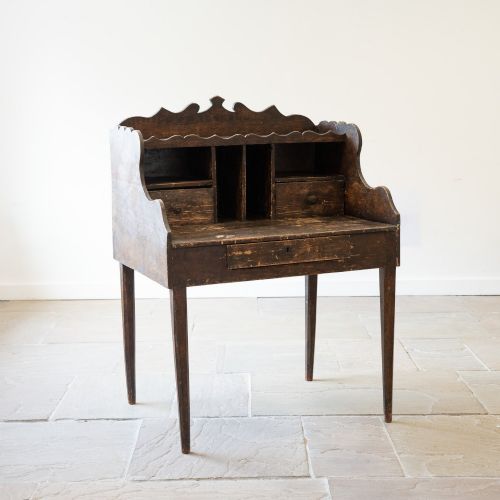
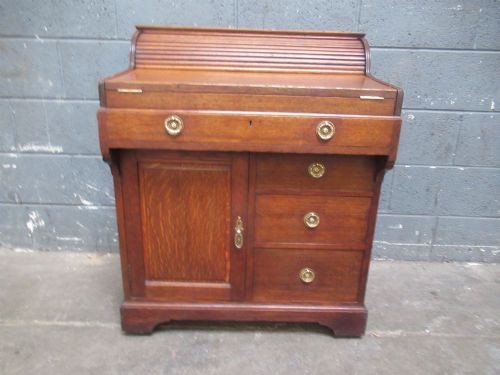
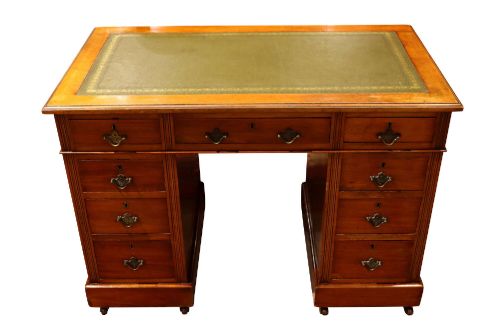
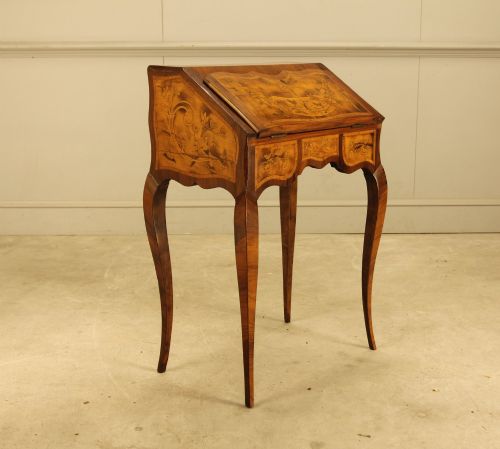
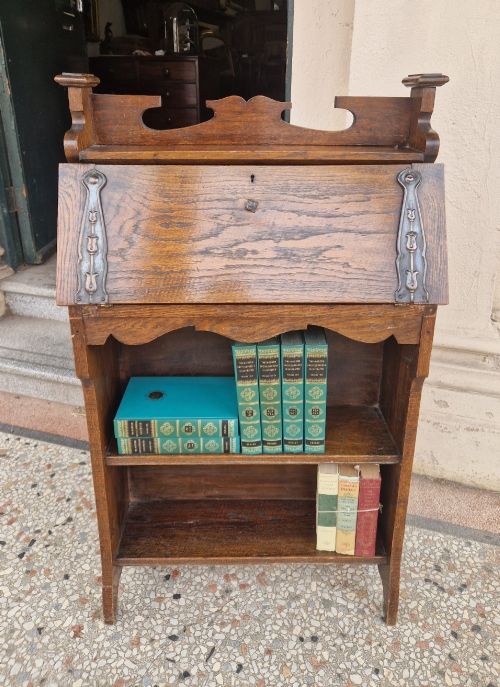
The selection here encompasses various woods such as oak, mahogany, and burr walnut, alongside related forms like writing tables, Davenport desks, and small chests of drawers. Pieces range from provincial French hotel desks to Arts and Crafts student bureaux, all sharing a reduced scale suitable for domestic rooms.
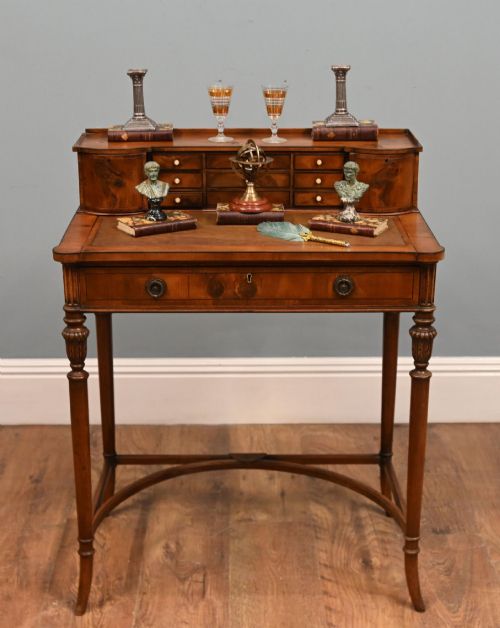
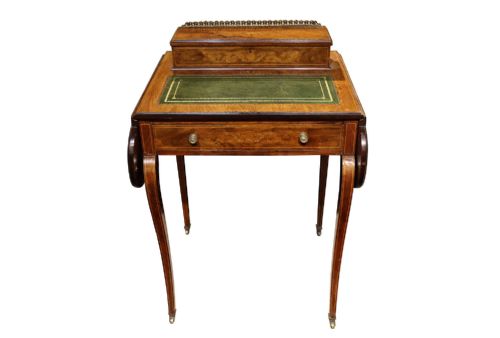
Buyers seeking a vintage small bureau encounter items spanning the nineteenth and early twentieth centuries, including specific variations with fitted interiors, leather slides, and marquetry details. The inventory demonstrates how cabinetmakers adapted writing furniture for smaller spaces across different historical periods.
Materials and construction
Cabinetmakers utilised hardwoods such as oak, mahogany, and walnut, often selecting burr veneers or satinwood to create decorative contrast on writing flaps and drawer fronts. Secondary timbers provide structural stability within internal compartments and drawer linings.
Construction techniques include dovetail joints for drawers and mortise and tenon frames, complemented by brass hardware, turned knobs, and occasionally leather writing inserts. Inlaid marquetry and carved ornamentation appear on select Edwardian and continental pieces, while applied ormolu accents surface on specific escritoires.
Vintage Small Bureau Retail Price Guide 2026
Typical asking prices for vintage small bureau among the pieces listed under this phrase on Sellingantiques today, from the lower quarter to the upper quarter. They describe what is for sale here now, not the wider market.
Listings feature oak, mahogany, walnut, burr walnut, and satinwood across Edwardian, Victorian, and Regency periods.
Quality variations
The standard of a bureau rests upon the selection of timber veneers, the precision of cabinet joinery, and the complexity of the interior arrangement. Finer examples display carefully matched grain patterns across the fall-front and balanced proportions throughout the carcass.
Execution of internal fittings, such as secret compartments and small pigeonhole drawers, distinguishes standard production from superior workshop output. Original hardware, intact leather writing surfaces, and balanced patination across the wood further define the upper tier of these writing desks.
Gillows
The Vintage Small Bureau Glossary
- Bureau
- A writing desk featuring a sloping hinged lid or fall-front that opens to reveal a fitted interior of drawers and pigeonholes. It typically sits above a chest of drawers or a stand.
- Fall-front
- The hinged writing flap on a bureau that drops down to form a horizontal desk surface. It conceals the internal compartments when closed.
- Davenport
- A compact pedestal desk with a sloping desk top and drawers accessed from the side. This form gained popularity during the nineteenth century.
- Marquetry
- Decorative veneer work forming pictorial or geometric patterns using various woods, metals, or shells. It is commonly found on the exterior surfaces of continental and revival pieces.
- Pigeonhole
- A small, open compartment within the interior of a bureau designed for storing letters and papers. These sections often feature small decorative arches or subsidiary drawers.
Vintage Small Bureau: Frequently Asked Questions
What is a bureau?
A bureau is a writing desk equipped with a hinged sloping flap that drops down to create a writing surface. Inside, it contains small drawers and compartments for stationery.
Historically, this form provided secure storage for correspondence and personal documents. The fall-front kept the writing materials concealed and dust-free when not in use.
How do I use a small bureau today?
These desks fit easily into modern living rooms, bedrooms, or home offices as compact writing stations. The surface handles laptops and notebooks while the internal compartments organise small items.
Keeping the fall-front closed conceals work materials at the end of the day. This maintains a tidy room while preserving the character of period furniture.
How can I tell Edwardian pieces apart from Victorian ones?
Edwardian furniture often displays lighter timbers like satinwood or lighter oak, alongside neoclassical revival motifs influenced by Sheraton and Hepplewhite designs. The proportions tend to be dainty and refined.
Victorian pieces frequently utilise heavier mahogany or walnut with deeper tones and more robust construction. Carvings and turned elements on Victorian items show greater mass and density.
What is a Davenport desk?
A Davenport is a small, boxy desk featuring an inclined writing slope on top and a bank of drawers opening to one side. It combines a writing surface with enclosed storage in a minimal footprint.
Originating in the early nineteenth century, these pieces were designed for drawing rooms and boudoirs. Their compact nature made them popular for correspondence in restricted spaces.