
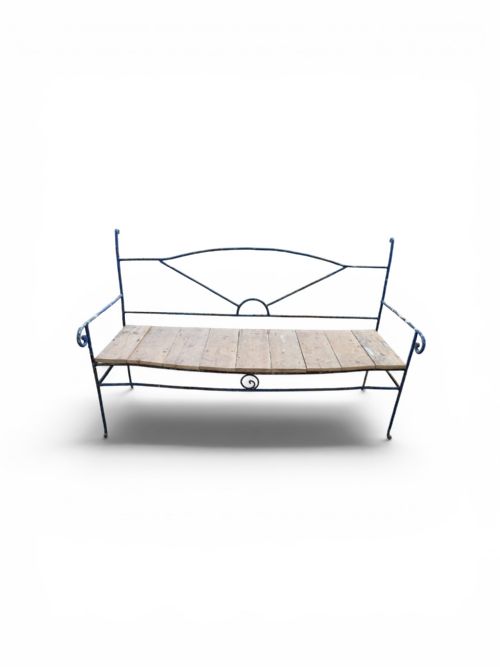
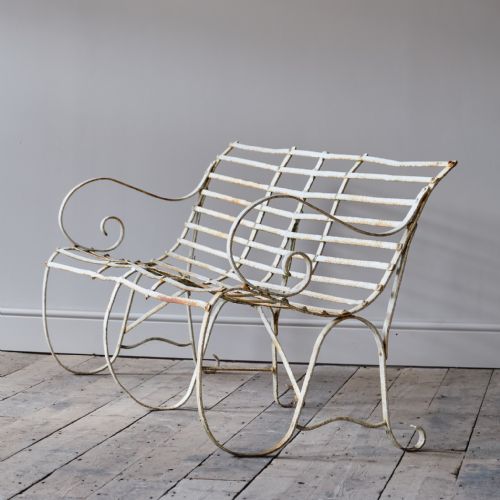
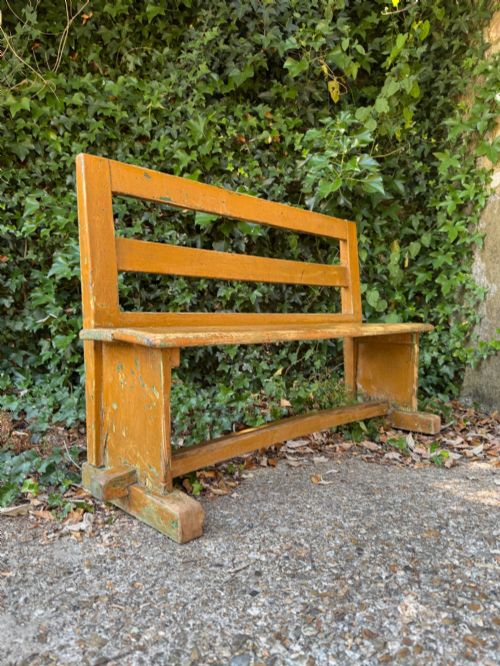
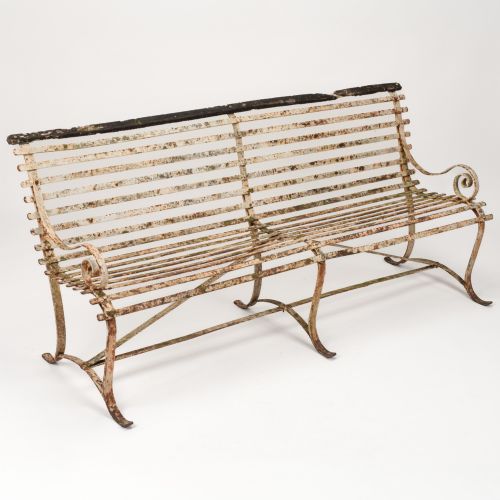
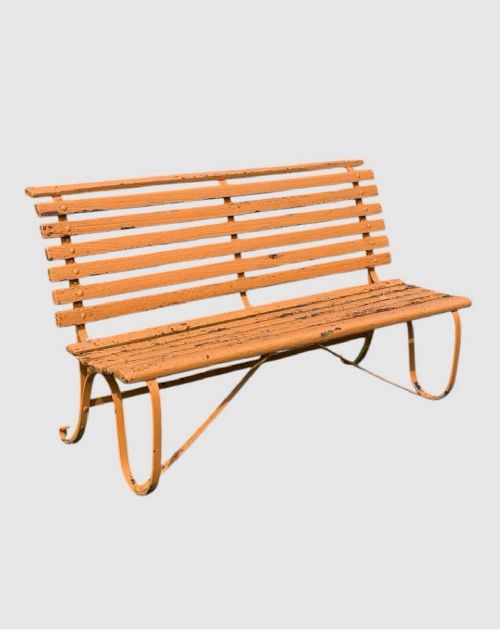
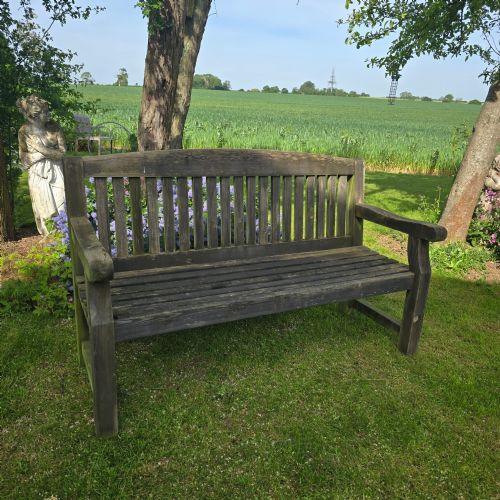
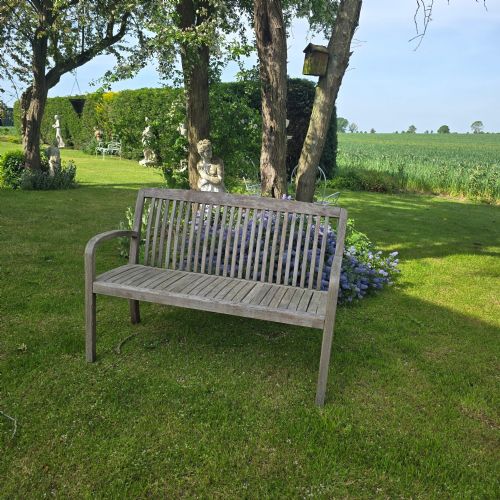

Vintage Slatted Garden Seat
A vintage slatted garden seat brings enduring character to a terrace, formed from robust timber and cast iron to weather the seasons.
Vintage Slatted Garden Seat
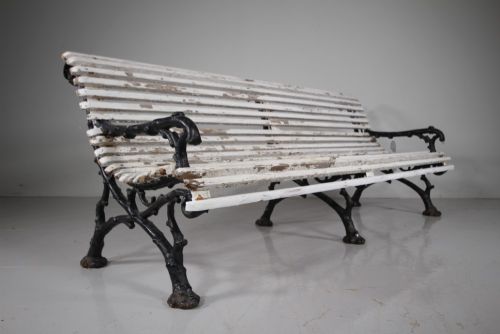
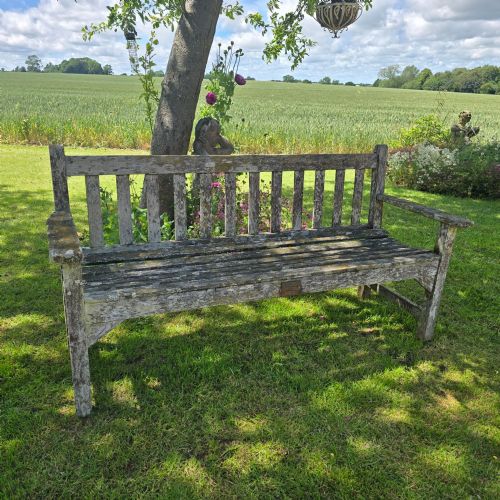
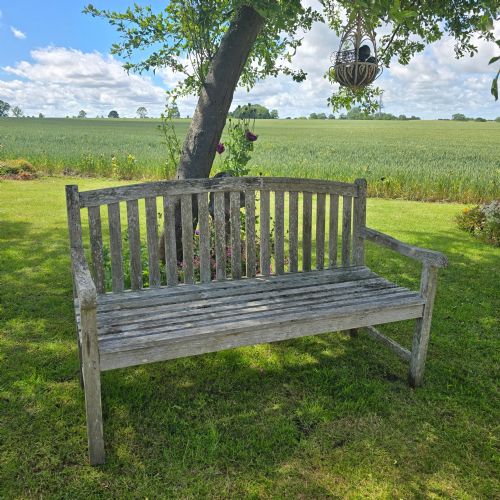
When searching for a vintage slatted garden seat, you encounter robust outdoor furnishings spanning the nineteenth century through the early twentieth century. These pieces encompass sturdy teak and pine benches alongside lighter wrought iron strapwork designs and heavy cast iron frameworks.
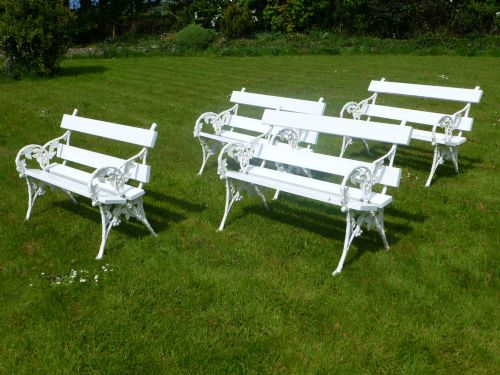
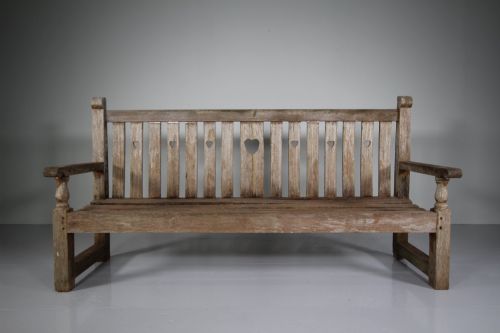
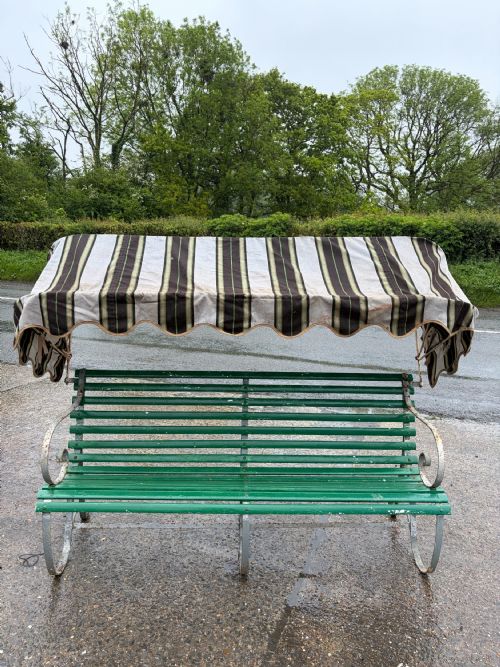
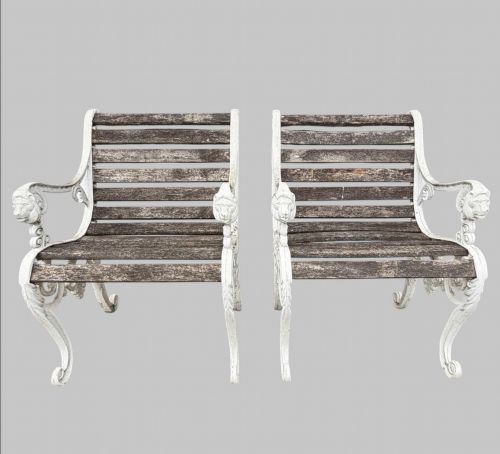
The selection ranges from simple Edwardian wooden forms and weathered teak benches to elaborate Victorian examples featuring scrollwork, canopy additions, and heart motifs. Forms vary from single garden armchairs and pairs of seats to long park benches and unusual orangery pieces.
What varies in quality
Quality in a garden seat rests upon the integrity of its construction and the character of its materials, distinguishing standard utility pieces from finer foundry work. Heavy cast iron ends featuring crisp, detailed mouldings such as lion masks or botanical fruit and leaf patterns indicate higher workshop standards.
The grade of timber used for the slats also dictates longevity, with dense teak holding up better than softer pine over decades of weathering. Surviving sets, pairs, or seats retaining distinct layers of original paint command greater interest than heavily restored or mismatched examples.
Squirrels have been known to test the vintage teak slats for sharpness.
Falkirk foundry·Coalbrookdale Design
The Vintage Slatted Garden Seat Glossary
- Cast iron
- Molten iron poured into a mould to create rigid, highly decorative bench ends and structural frames. This material provides the substantial weight needed to keep garden seating firmly anchored on lawns and patios.
- Wrought iron
- Iron heated and hammered into shape by hand, producing resilient strapwork and scroll designs for lighter, flexible frames. It offers a distinct contrast to the brittle mass of cast components.
- Weathered teak
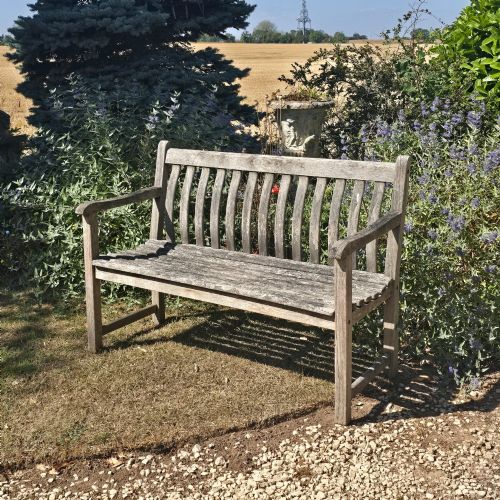
- Hardwood left exposed to the elements until the surface acquires a characteristic silver-grey patina. This natural oxidation process protects the dense wood from further degradation.
- Strapwork
- Flat strips of iron interlaced or riveted together to form openwork patterns on seat backs and frames. The technique provides structural strength while maintaining a light visual profile.
Vintage Slatted Garden Seat: Frequently Asked Questions
How do I maintain a wooden garden bench?
Teak and pine slats require little intervention beyond seasonal cleaning to remove dirt and algae accumulation. Allowing the wood to weather naturally develops a protective silver patina without needing oils or varnishes.
Keep the feet raised off damp winter grass or soil using small timber blocks or stone flags. This prevents moisture from drawing up into the grain and extending the lifespan of the timber.
Can cast iron garden seats stay outside all winter?
Heavy cast iron ends and frames withstand frost and rain well, enduring decades of exposure in open gardens. The substantial weight also prevents strong winter winds from tipping the seat over.
Inspect the junctions where wood meets metal regularly to ensure moisture does not become trapped against the fixings. Storing wooden slats under cover during the harshest months can reduce unnecessary strain.
How do I date an antique garden bench?
Dating relies upon examining the fastening methods, the profile of the iron castings, and the wood species used in the slats. Early nineteenth-century examples often feature hand-forged wrought iron strapwork, whereas later Victorian pieces lean towards mass-produced foundry castings.
Stylistic motifs such as heart cutouts, canopy hoods, or specific botanical ironwork point directly to Edwardian or Victorian manufacturing periods. Comparing the construction against documented foundry catalogues clarifies the era further.
Are pairs of garden seats uncommon?
Matching pairs of nineteenth-century garden seats survive less frequently because outdoor furniture endured heavy use and dispersal across large estates over generations. Finding two identical benches or a set of armchairs together remains a notable discovery for a terrace.
Many listings feature single pieces or assembled groupings rather than original matched pairs. When a set does survive intact, it reflects a deliberate landscape design choice from its original country house setting.