
Vintage Park Bench Seat
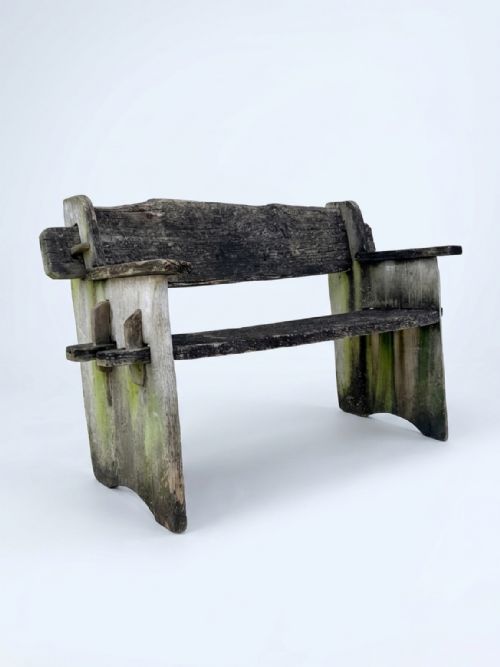
A vintage park bench seat brings timeless character to lawns and patios, offering sturdy outdoor resting places shaped by decades of weathering.
Vintage Park Bench Seat
When searching for a vintage park bench seat, buyers encounter a robust mix of garden seating spanning the nineteenth century through the early twentieth century. These pieces encompass everything from sturdy timber slats to intricate cast iron frameworks designed for enduring outdoor placement.
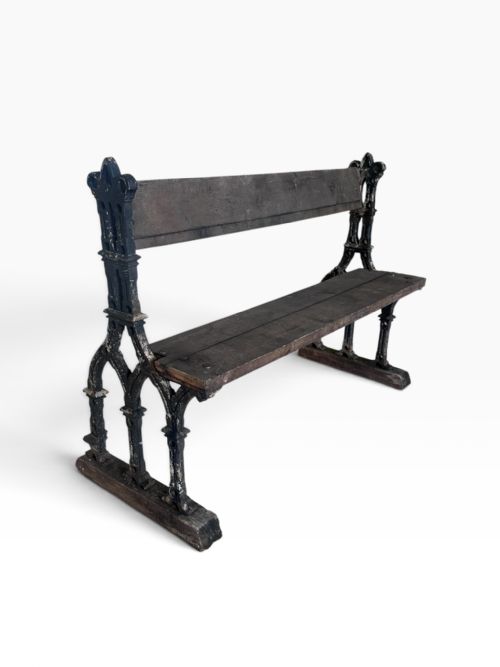
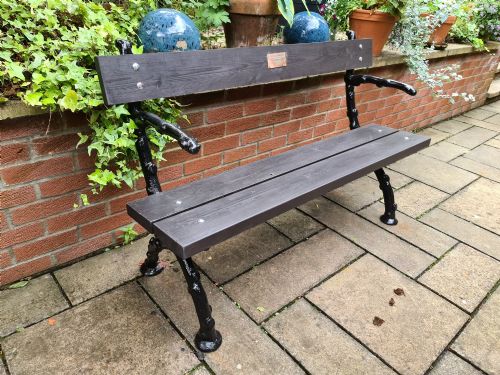
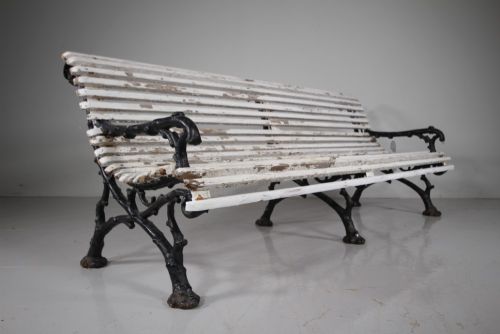
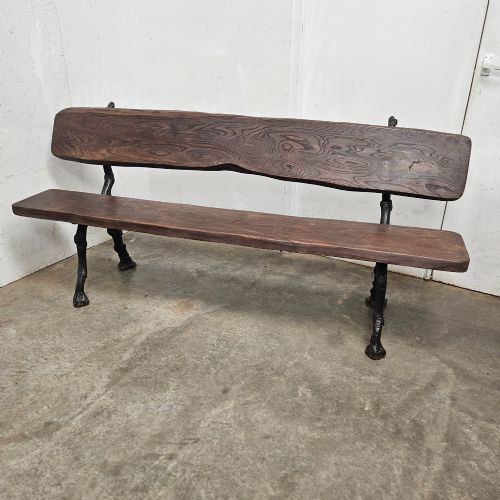
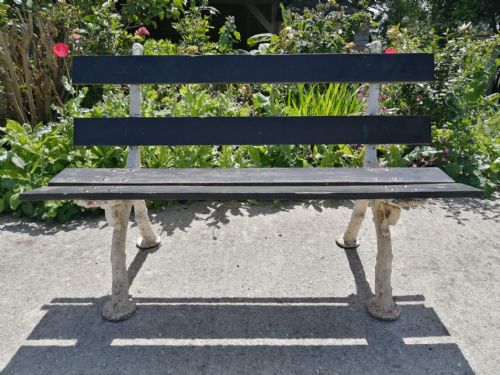
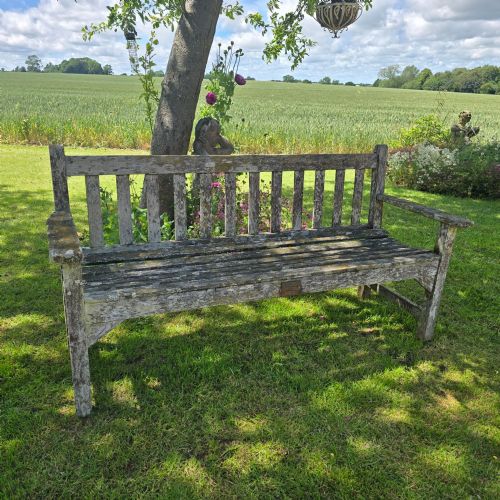
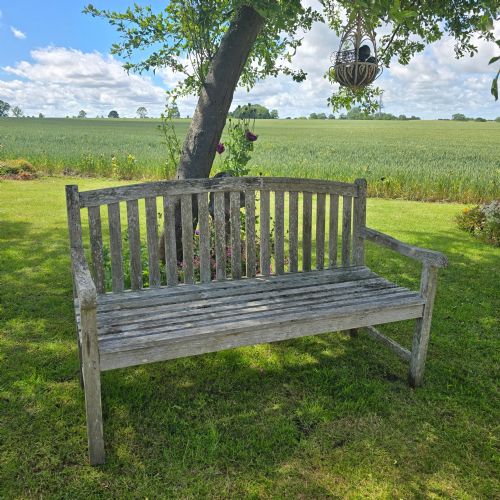
The most common examples on this page balance traditional wooden slats in teak or elm with heavy metal supports. Many pieces reflect classic Victorian and Edwardian park forms, often featuring strapwork or rustic branch motifs.
Origin variations range from English country designs to French metal and faux bois styles. Buyers frequently select these seats to anchor a quiet corner of a garden or patio with authentic period presence.
How they were made
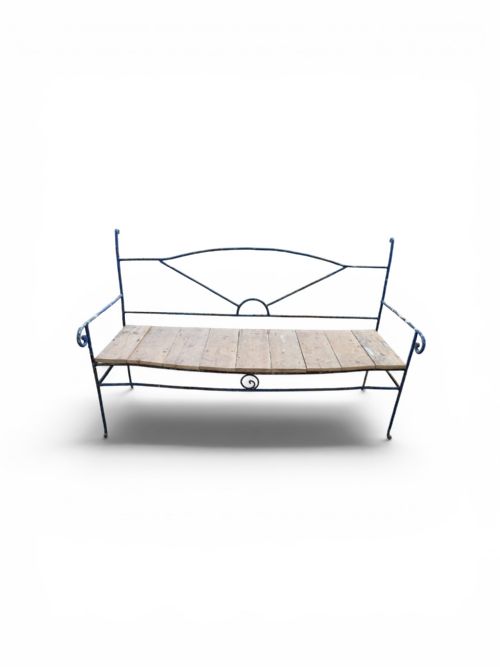
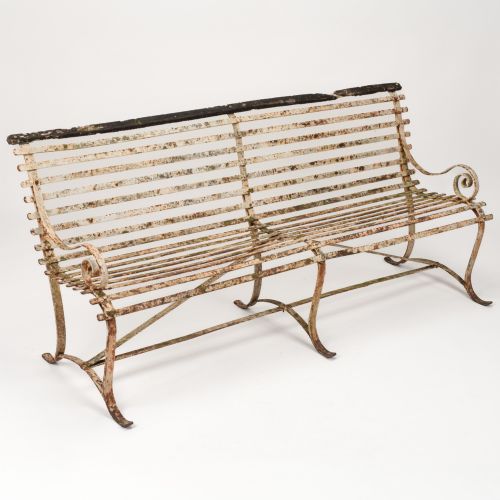
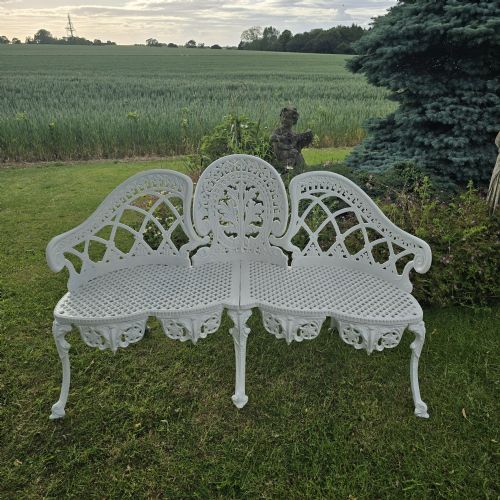
Makers constructed these garden seats using durable combinations of cast iron, wrought iron, and dense timbers like teak and elm. Metal components were typically cast or forged into structural bench ends and decorative strapwork, providing a heavy, stable foundation.
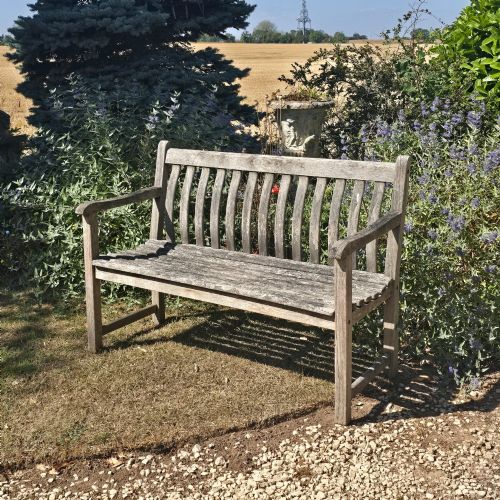
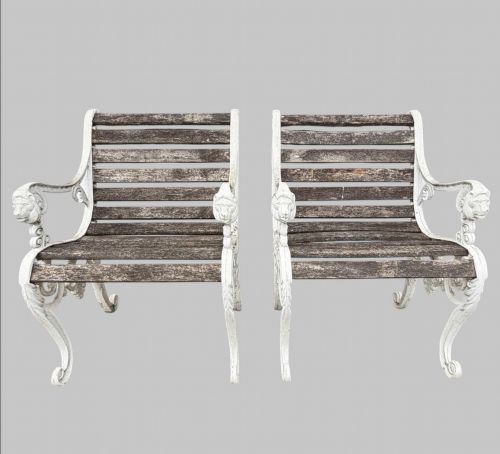
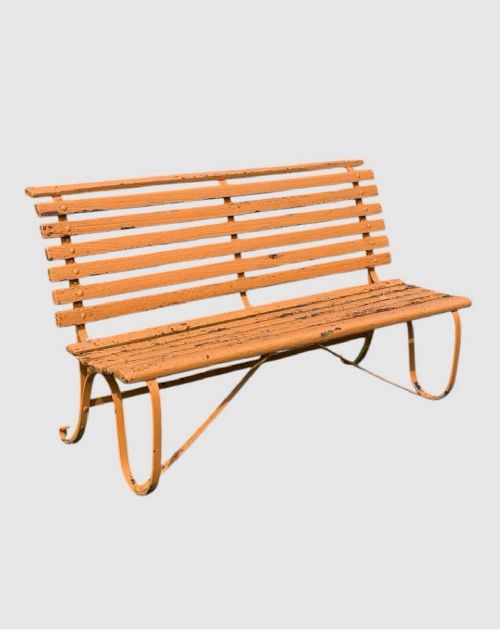
Wooden slats for seats and backs were secured directly to the metal frames, relying on weather-resistant hardwoods to withstand outdoor exposure. Layers of historic paint and natural silvering on the timber reveal the long-term interaction between these materials and the elements.
Listings feature cast iron, wrought iron, teak, elm, and timber across Victorian, Edwardian, and Regency periods.
What varies in quality
The distinction between ordinary and exceptional examples rests in the crispness of the metal casting and the integrity of the timber. Finer pieces display sharply defined decorative motifs, such as intricate scrollwork or lion masks, rather than softened contours from worn-out production moulds.
Construction methods also separate standard garden seats from superior ones, visible in the snugness of joints and the retention of original painted surfaces or naturally silvered hardwoods. High-grade items maintain structural balance without excessive replacement of their primary materials.
Coalbrookdale
The Vintage Park Bench Seat Glossary
- Faux bois
- A decorative technique mimicking wood grain, frequently rendered in cast iron to resemble natural branches and bark. This style gained immense popularity during the Victorian era for garden furniture.
- Strapwork
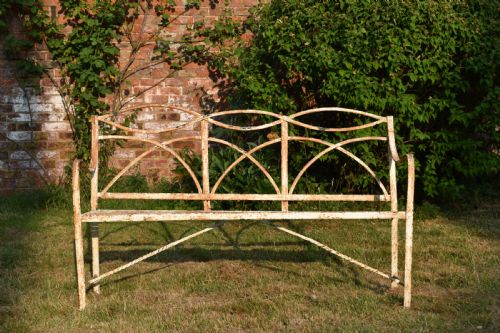
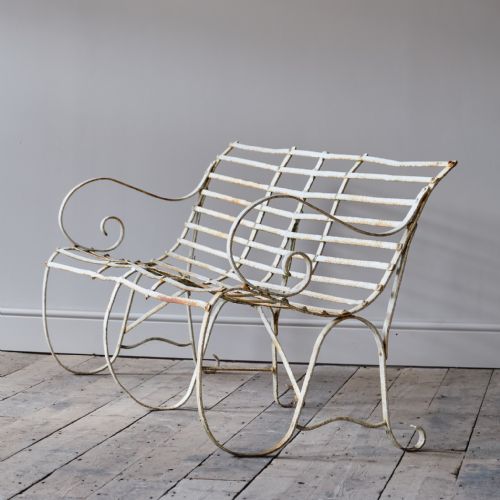
- A pattern of flat, intersecting metal bands resembling leather straps, common in Regency and Victorian ironwork. It provides both rigid support and an open, geometric aesthetic.
- Bench ends
- The structural cast iron or wooden side supports that hold the backrest and seat slats together. Collectors often evaluate the artistry of these specific panels.
- Arras
- A distinct style of French wirework and sheet metal garden furniture originating from the northern town of Arras. These pieces are recognised by their robust, riveted construction and maker plaques.
Vintage Park Bench Seat: Frequently Asked Questions
How do I care for a vintage wooden garden seat?
Teak and elm slats benefit from natural weathering, which turns the timber to a distinct silver grey over the decades. Regular cleaning with a soft brush removes debris without stripping the historic patina.
During harsher winter months, storing the seat under cover helps preserve the integrity of the original wooden joints and metal fasteners.
Can I leave my cast iron garden bench outside year round?
Cast iron and wrought iron frames are built to withstand outdoor elements, enduring rain and sun across many decades. The heavy metal weight ensures the bench remains stable on grass or stone.
Checking the condition of original paint layers helps prevent moisture from reaching bare metal, ensuring the structure stays sound.
How do I identify a Victorian garden bench?
Victorian examples often feature heavier cast iron ends with gothic patterns, rustic branches, or detailed strapwork. The weight and complexity of the metal casting usually point directly to nineteenth-century production methods.
Many pieces from this period incorporate dense timbers like elm or early teak, fastened securely between ornate side panels.
What is the difference between strapwork and faux bois?
Strapwork utilises flat, interlaced metal bands to create geometric patterns across the backrest and seat. It offers a clean, architectural appearance typical of Regency and Victorian designs.
Faux bois imitates natural timber, shaping iron into knobbly branches and rustic bark to blend seamlessly into garden landscapes.