

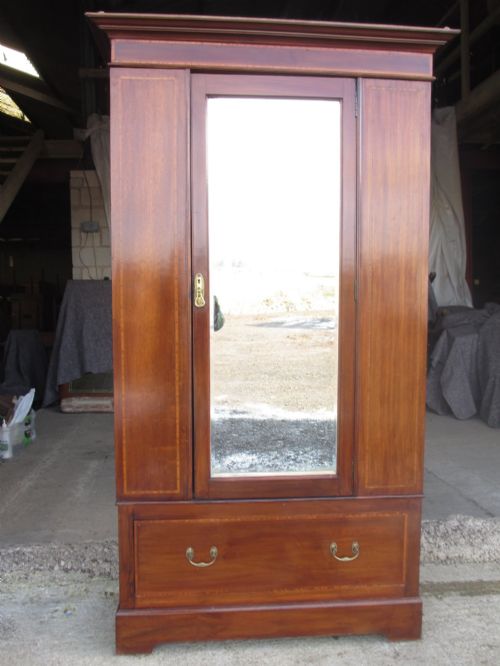
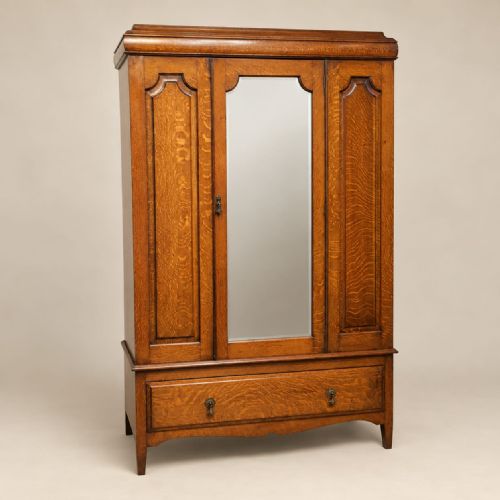
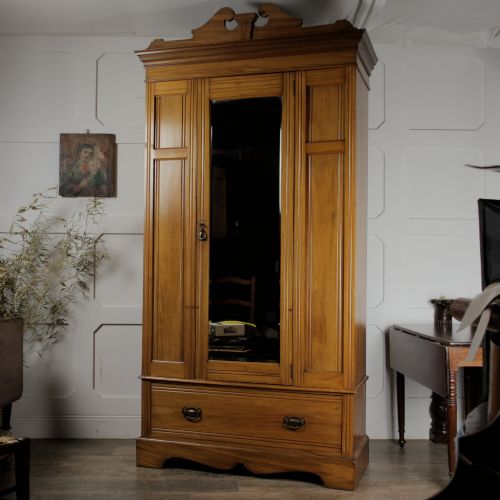
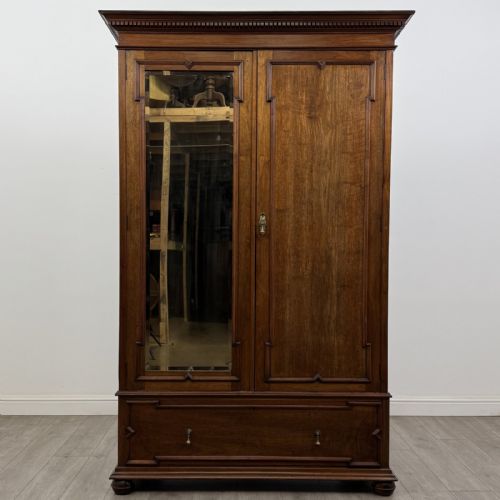
Vintage Single Wardrobe
A vintage single wardrobe offers compact clothes storage, combining period character and timber construction in narrow bedroom spaces.
Vintage Single Wardrobe
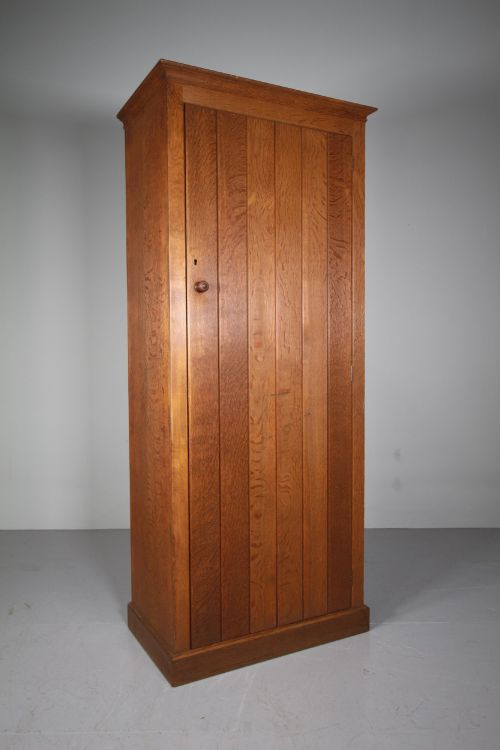
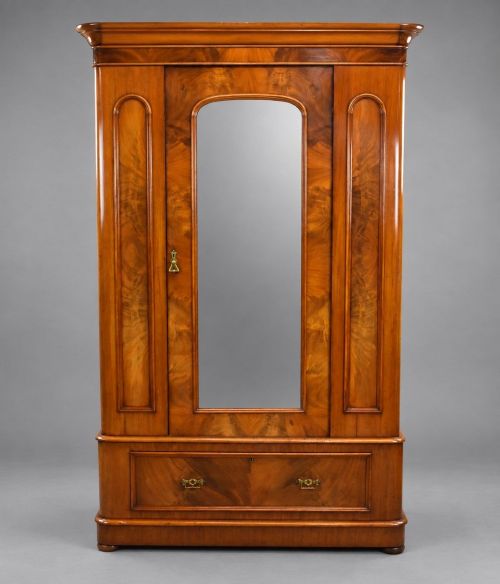
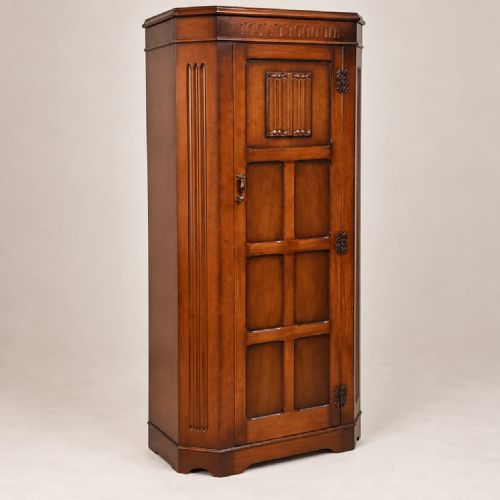
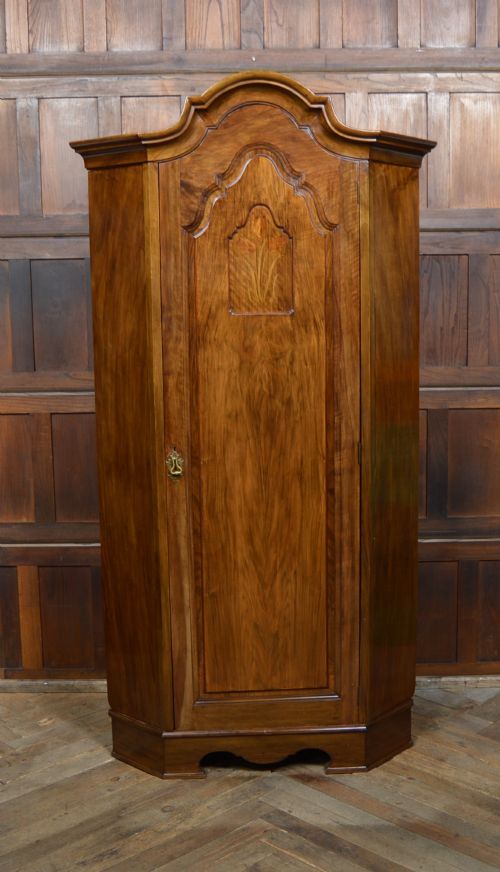
A vintage single wardrobe provides vertical storage for clothing within a narrow footprint, often taking the form of a single-door cupboard, hall robe, or compactum. These pieces serve smaller bedrooms and hallways where double wardrobes overwhelm the floor plan.
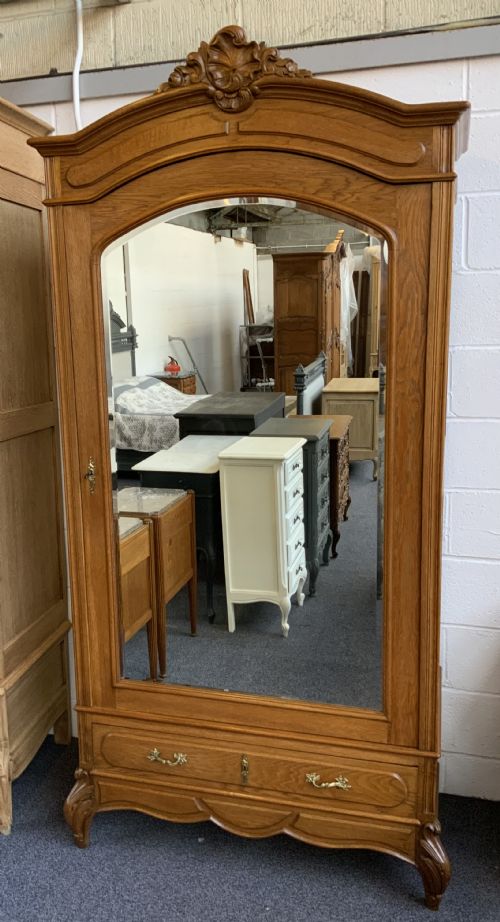
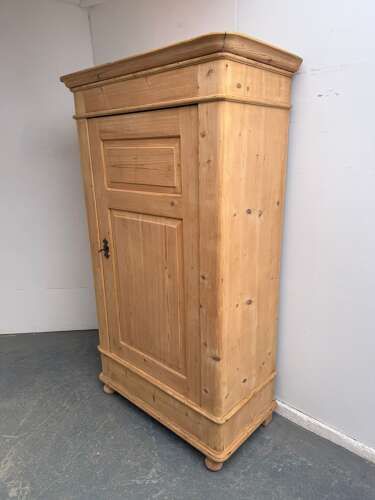
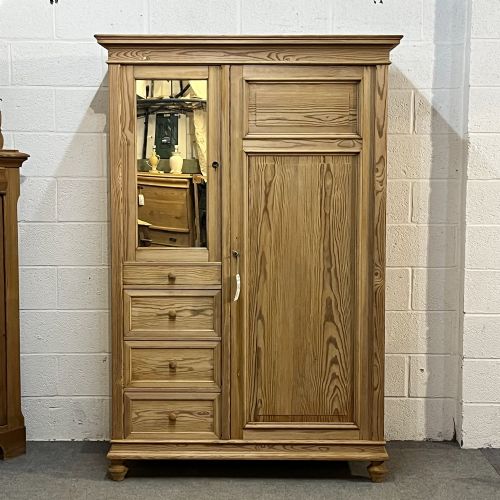
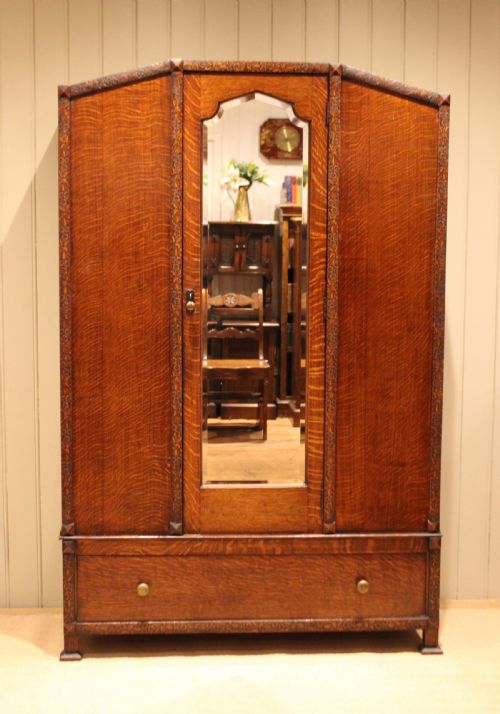
The selections span multiple eras including the Victorian, Edwardian, and Georgian periods, alongside 1920s and 1930s designs. Buyers encounter variations ranging from utilitarian pine cupboards to polished walnut and mahogany pieces with mirrored doors.
Regional and stylistic influences shape these items, including English country pieces, French armoires, and Arts and Crafts oak cabinets. Makers utilised local timbers to build functional storage that accommodates modern hanging needs in compact rooms.
Materials and construction
Carpenters constructed these wardrobes using solid timbers such as oak, mahogany, walnut, and pine, frequently applying figured veneers to door panels. Brass hardware, glass mirrors, and iron fittings complete the structural assemblies.
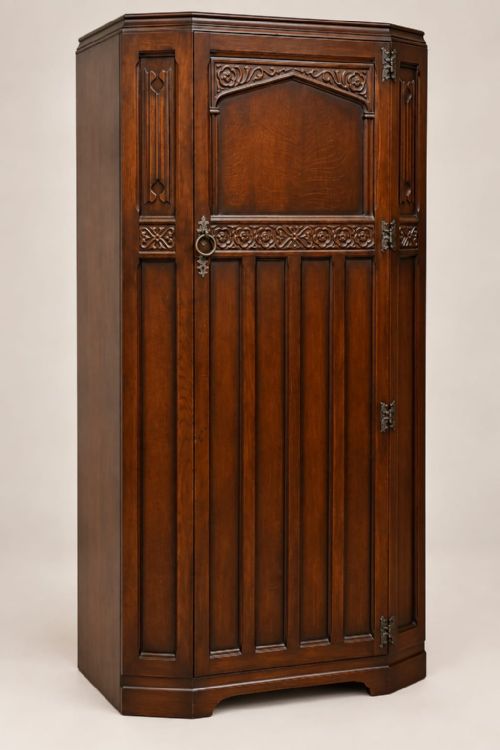
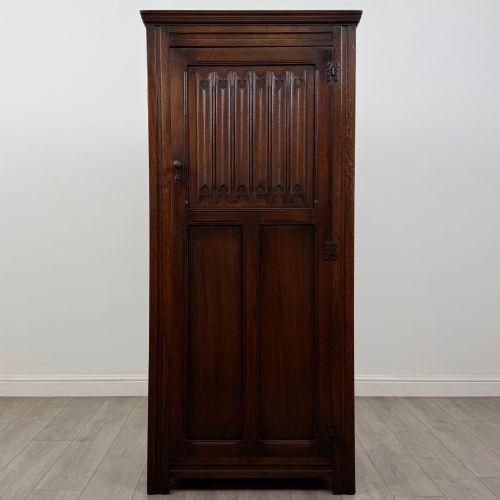
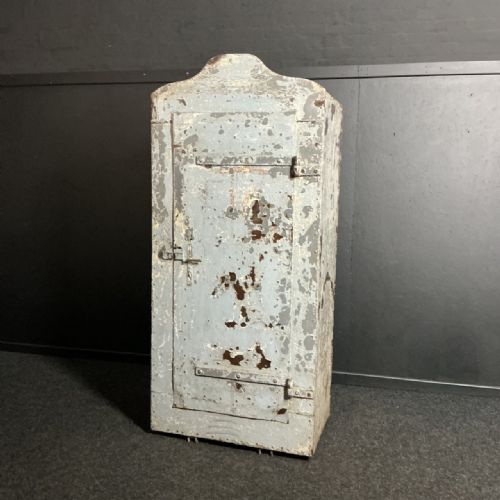
Surface finishes include wax, polish, and painted treatments in grey and polychrome schemes. Joinery methods encompass fielded panels, carved details, and linenfold motifs executed on door fronts.
Vintage Single Wardrobe Retail Price Guide 2026
Typical asking prices for vintage single wardrobe among the pieces listed under this phrase on Sellingantiques today, from the lower quarter to the upper quarter. They describe what is for sale here now, not the wider market.
A skeleton cupboard comes with a spare skeleton model for anatomy enthusiasts.
Distinctions in quality
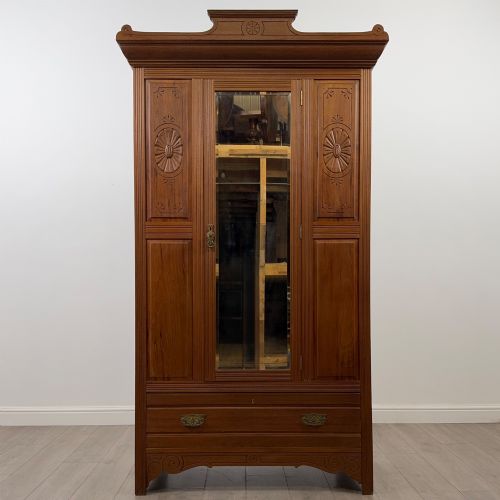
The calibre of a wardrobe rests on the selection of timber, such as figured walnut or burr walnut against standard pine, and the precision of the cabinetmaker's joinery. Superior examples retain original bevelled glass mirrors and matching brass furniture.
Design sophistication separates standard utility cupboards from finer artistic pieces, visible in carved ornamentation, inlaid satinwood, and integrated drawer configurations within compactum models.
Heals of London
The Vintage Single Wardrobe Glossary
- Compactum
- A wardrobe or storage cabinet combining hanging space with internal drawers, shelves, or compartments. This layout maximises utility within a single-door footprint.
- Armoire
- A large standing cupboard for clothes, typically European in origin. These pieces feature single or double doors and decorative painted or carved finishes.
- Hall robe
- A narrow wardrobe designed for entrance halls to hold outerwear and accessories. They often incorporate linenfold panels or mirrored doors.
- Linenfold
- A carved wooden motif resembling folded linen cloth. This technique appears frequently on oak panels from revival and arts and crafts periods.
- Figured walnut
- Timber exhibiting wavy or patterned grain formations highly prized by cabinetmakers. It adds distinct visual movement to wardrobe doors.
Vintage Single Wardrobe: Frequently Asked Questions
What is the difference between a wardrobe and a compactum?
A standard wardrobe focuses primarily on vertical hanging space behind a single full-length door. Many versions include a drawer at the base for folded items.
A compactum integrates multiple internal compartments, such as drawers and linen shelves, alongside the hanging section. This layout provides comprehensive clothes storage within a single unit.
How do I care for wax-finished pine furniture?
Apply a traditional beeswax polish sparingly with a soft cloth and buff along the grain to maintain the lustre of the pine timber. Avoid placing these pieces near direct heat sources or damp areas to prevent wood movement.
Clean glass mirrors using standard glass cleaner sprayed onto a cloth rather than directly onto the glass. This protects surrounding wooden frames and painted finishes from moisture damage.
How can I date an antique wardrobe?
Examine the timber species, construction joints, and hardware styles to determine the likely period of manufacture. Victorian and Edwardian pieces often display machine-sawn elements and brass hinges characteristic of their era.
Look for maker stamps, retailer labels, or construction marks inside drawers and on the backboards. Comparing stylistic details like Arts and Crafts carving or Georgian proportions helps narrow down the decade.