

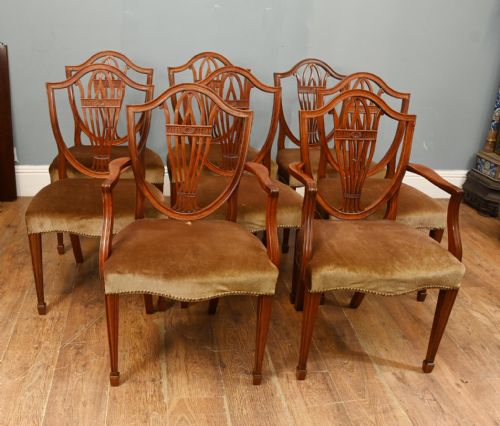


Vintage Single Chair
A vintage single chair offers a versatile seating solution shaped by centuries of cabinet-making traditions.
Vintage Single Chair
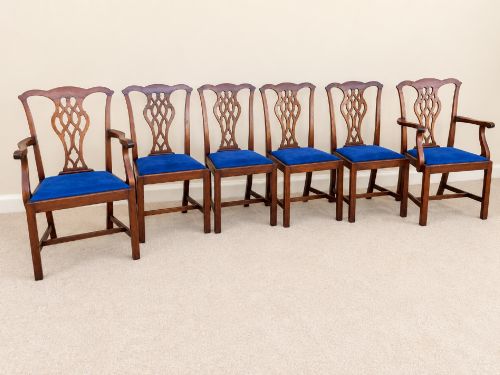
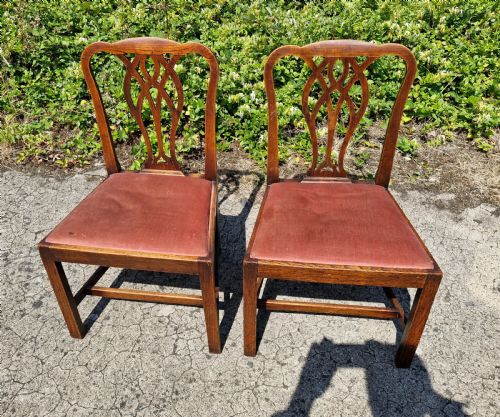
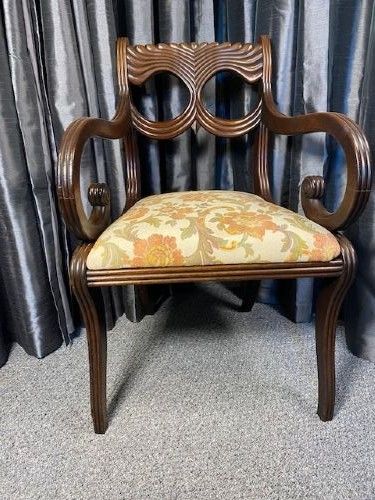
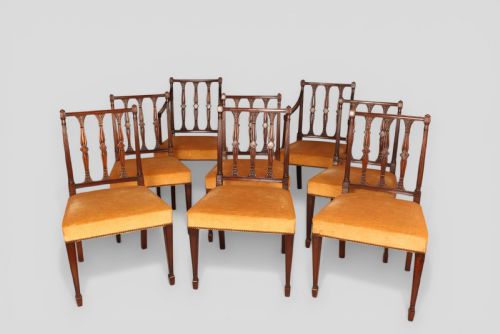
A vintage single chair typically appears as a dining chair, side chair, armchair, or hall chair drawn from diverse historical periods. When searching for a vintage single chair, buyers often encounter examples fashioned from robust hardwoods like mahogany, walnut, and oak.
The selection ranges across the seventeenth, eighteenth, nineteenth, and early twentieth centuries, capturing distinct stylistic shifts. Pieces span specific eras such as Georgian, Regency, Victorian, and Edwardian, reflecting the changing domestic requirements of each epoch.
Many items survive as individual seats or part of larger dining sets, whilst others function as bedroom or hall seats. Their adaptability allows them to serve as practical furniture or decorative focal points in modern interiors.
How they were made
Construction relies heavily on traditional timber framing, utilising timbers such as mahogany, walnut, elm, and oak. These woods are frequently shaped through hand-carving and joinery techniques suited to the period of origin.
Upholstery forms a vital component of many examples, incorporating traditional materials like fabric, velvet, leather, and needlepoint. Brass hardware and decorative details occasionally accent the structural woodwork.
Chairs from the seventeenth century onward display regional craftsmanship, ranging from simple vernacular elm construction to elaborate Chippendale and Hepplewhite mahogany designs.
Vintage Single Chair Retail Price Guide 2026
Typical asking prices for vintage single chair among the pieces listed under this phrase on Sellingantiques today, from the lower quarter to the upper quarter. They describe what is for sale here now, not the wider market.
Object forms include dining chairs, side chairs, armchairs, daybeds, and hall chairs across multiple historical styles.
What varies in quality
Quality diverges notably in the execution of carved details and the selection of timber grain, particularly where burr walnut or figured mahogany is employed. Finer pieces exhibit crisp mouldings and harmonious proportions that reflect sophisticated workshop standards.
The integrity of the original joinery and the survival of period upholstery materials influence the character of each piece. Structural robustness and the preservation of authentic surface patination distinguish superior examples from simpler utilitarian items.
The Vintage Single Chair Glossary
- Side chair
- A chair without arms, intended primarily for dining or placement against a wall. This form constitutes the majority of single seating arrangements.
- Hall chair
- A rigid wooden seat traditionally placed in an entrance hallway. These pieces often feature carved backs and solid timber seats rather than upholstery.
- Needlepoint
- A form of canvas work embroidery used historically to cover seat pads and upholstery panels. It adds texture and decorative pattern to wooden chair frames.
- Patina
- The surface sheen and colour acquired by wood and leather through age and handling. A rich patina indicates long-term use and careful maintenance.
Vintage Single Chair: Frequently Asked Questions
Where should I place a single chair?
A single chair works effectively as an accent piece in a hallway, bedroom, or living space. It provides a functional seat without overwhelming the surrounding room layout.
These pieces also integrate smoothly into existing dining arrangements where an extra seat is required.
How do I identify the period?
Dating relies on observing characteristic stylistic traits such as cabriole legs, carved splats, or specific timber choices. Comparing structural details with established historical periods helps narrow down the decade of manufacture.
Construction methods also offer clues, as hand-cut joints differ visibly from later manufacturing techniques.
Can these chairs handle daily use?
Most solid wood chairs from historical periods remain structurally sound for regular sitting. Checking the stability of the frame and joints ensures safety during everyday use.
Upgraded upholstery can also enhance comfort while preserving the original wooden framework.
What is the difference between side and carver chairs?
Side chairs lack armrests and have a compact footprint designed for dining tables or walls. Carver chairs include arms, providing a wider and more commanding presence.
Historically, a dining set paired a number of side chairs with a matching pair of carvers.