



Vintage Silverware Set
A vintage silverware set brings genuine presence to the table, offering coordinated service pieces shaped by decades of dining tradition.
Vintage Silverware Set
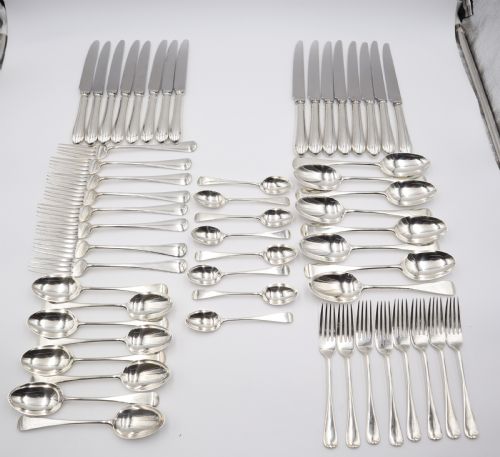
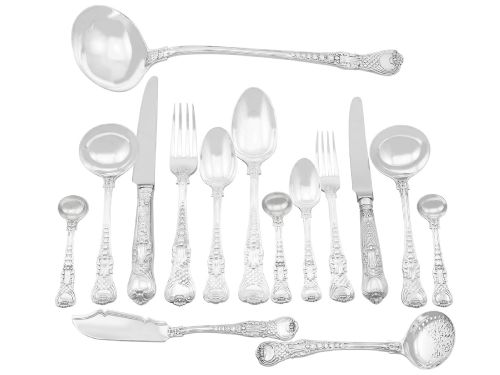
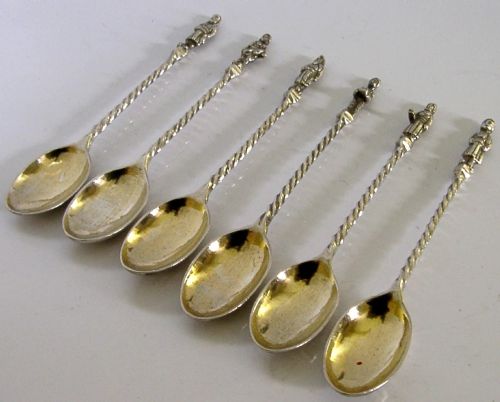
A vintage silverware set comprises matched or cased groups of dining implements, spanning everything from compact coffee spoons to full thirty-person canteens. When you search for a vintage silverware set, you encounter groupings that reflect domestic entertaining across the Victorian, Edwardian, and mid-century eras.
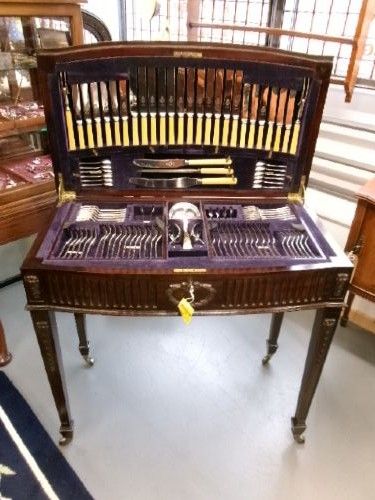
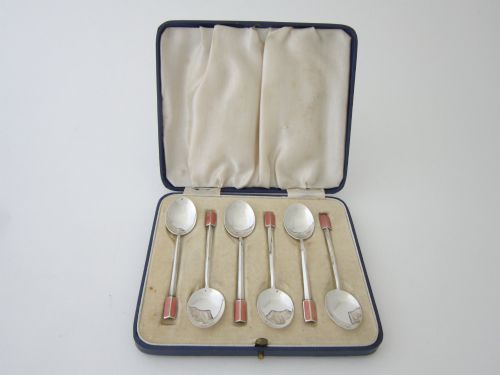
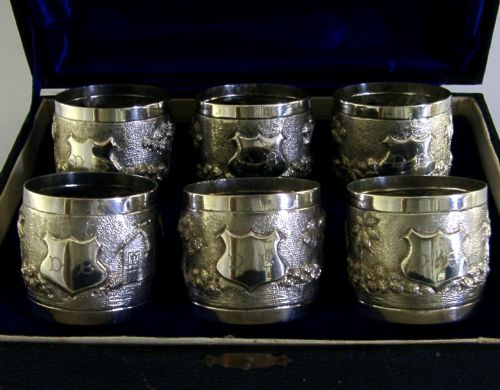
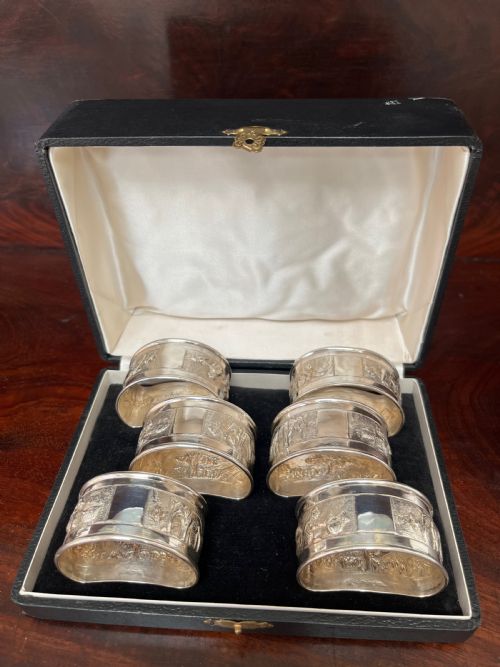
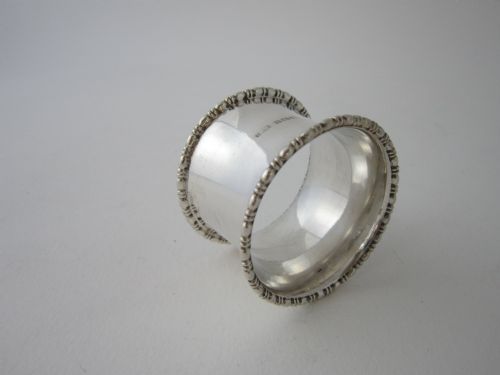
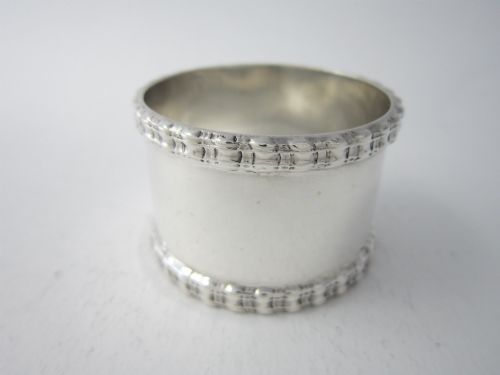
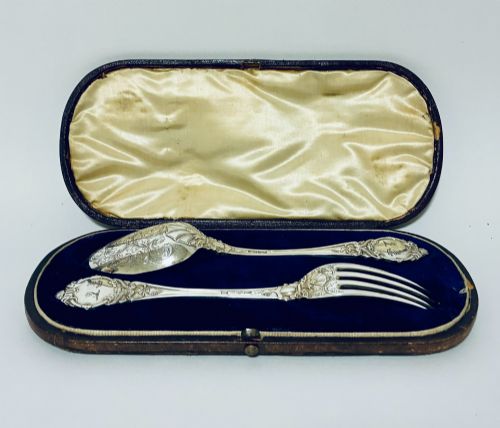
The selections available range from cased napkin rings and butter knives to elaborate cutlery cabinets in mahogany. Many sets incorporate specialised items such as salt and pepper shakers, salad servers, or enamel-accented demitasse services.
Origin and styling vary widely across these groupings. Pieces cross stylistic boundaries from classic Victorian and Queen Anne forms to bold Art Deco geometries, Ottoman figural designs, and Anglo-Indian craftsmanship.
Materials and construction
Manufacturing methods rely on precious metals and durable base materials configured for daily use or formal display. Sterling silver and silver plate form the primary structural components for cutlery and holloware.
Surface decoration frequently incorporates vibrant vitreous enamel work, particularly on mid-century spoons and salt cellars. Fitted presentation containers utilise mahogany wood lined with velvet and silk to protect the metal contents.
Vintage Silverware Set Retail Price Guide 2026
Typical asking prices for vintage silverware set among the pieces listed under this phrase on Sellingantiques today, from the lower quarter to the upper quarter. They describe what is for sale here now, not the wider market.
Some Edwardian afternoon tea settings include side-handled pots designed to prevent awkward pouring while wearing voluminous lace cuffs.
Factors of quality
Quality rests upon the weight of the metal and the integrity of the original fitted case. Heavier gauge sterling silver provides substantial balance in the hand compared to lighter plated alternatives.
The precision of applied enamel work and the complexity of maker hallmarks distinguish standard production from superior examples. Fitted cabinetry executed in solid mahogany with original fabric linings elevates the complete ensemble.
David Andersen Norway·Tiffany·Elkington·Harrison Brothers & Howson·Waring & Gillows·Robert Stebbings
The Vintage Silverware Set Glossary
- Sterling silver
- A silver alloy containing 92.5 percent pure silver by mass, ensuring durability for functional tableware. This standard forms the basis for most high-grade antique cutlery.
- Canteen
- A fitted box, chest, or cabinet designed specifically to store a complete set of cutlery in dedicated slots. These storage pieces often feature multiple internal trays.
- Silver plate
- A layer of silver bonded to a base metal core, such as steel or copper, offering the appearance of solid silver at a different scale of production. Many Edwardian service sets utilise this technique.
- Demistasse
- A small cup used for serving strong black coffee, accompanied here by appropriately scaled spoons. These miniature utensils often showcase colourful enamel detailing.
- Gilt
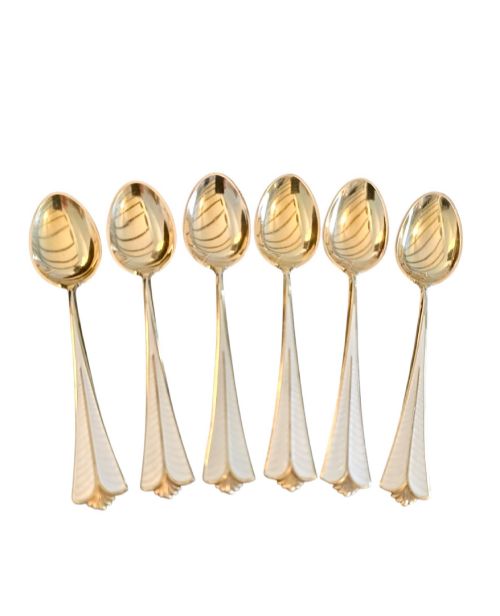
- A thin layer of gold applied to the surface of silver, creating a two-tone decorative effect known as silver-gilt. This finish appears frequently on presentation spoons and serving sets.
Vintage Silverware Set: Frequently Asked Questions
How do I clean tarnished vintage silver?
Use a dedicated silver polishing cloth and a gentle, non-abrasive cream designed specifically for precious metals. Avoid harsh chemical dips that strip away desirable patination.
Store pieces in dry, anti-tarnish lined compartments within their original canteens or boxes to minimise exposure to atmospheric moisture.
Can I use these sets for daily dining?
Many solid silver and heavy silver-plate sets remain entirely functional for regular meal service. Hand washing protects delicate components like enamel decoration and velvet linings.
Avoid putting antique cutlery through automatic dishwashers, as high heat and harsh detergents damage both the metal and the handle fixings.
How do I identify the period of a set?
Maker marks and assay office stamps provide the most reliable evidence for dating British and international silverware. Stylistic indicators like Art Deco geometric motifs or Victorian floral engraving offer additional chronological context.
Examining the construction of fitted mahogany cabinets and interior silk linings also helps narrow down the manufacturing decade.