




Vintage Silver Table Server
A vintage silver table server brings functional elegance to dining, offering everything from toast racks to sauce boats for daily service.
Vintage Silver Table Server
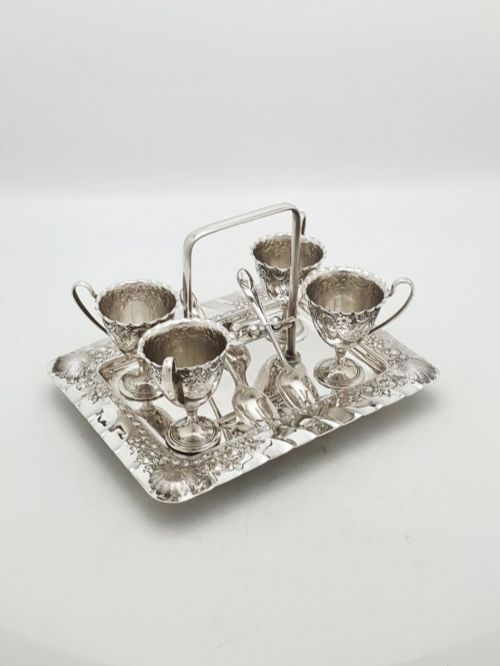
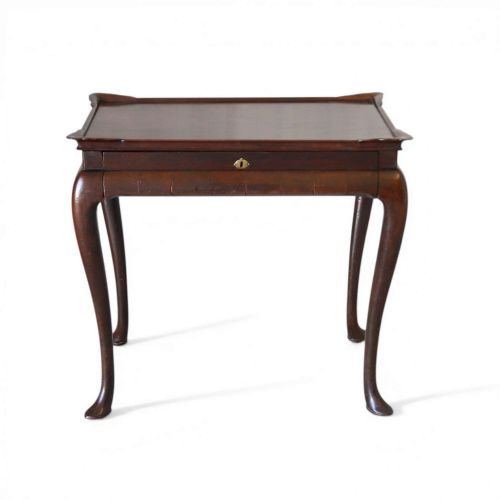
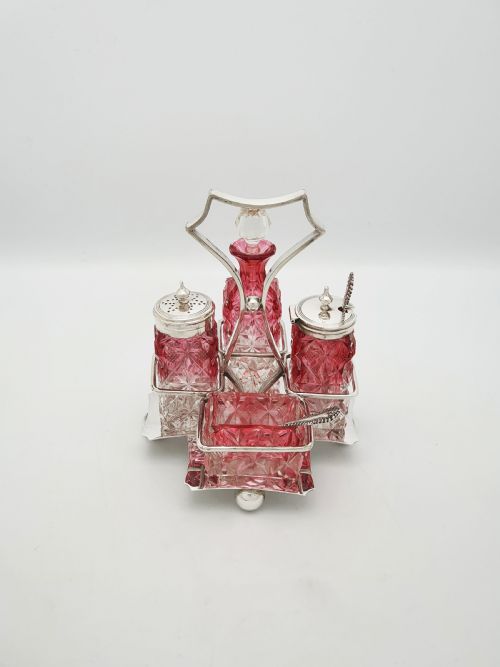
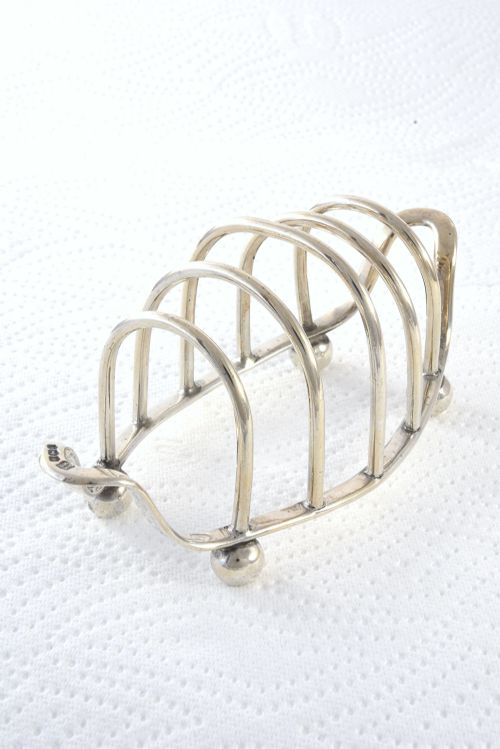
When you search for vintage silver table server, you encounter a diverse array of serveware designed for formal and casual dining. The selection includes toast racks, sauce boats, cruet sets, and serving dishes spanning multiple centuries. Pieces range from early Georgian dining furniture to twentieth-century utensils.
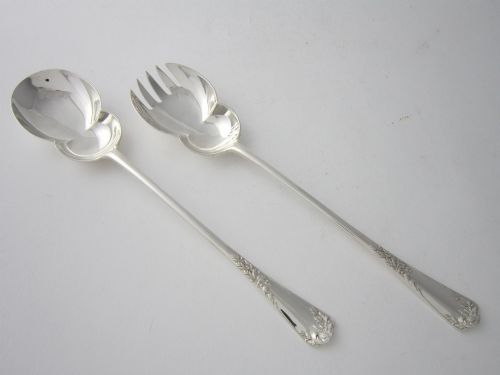
Edwardian silver plated designs and sterling silver serving spoons appear frequently in this category. Dining implements such as asparagus tongs, butter dishes, and meat domes represent the domestic habits of earlier eras. These items served specific culinary functions at the table, from condiments to main courses.
Origins stretch across British, American, and Scandinavian workshops, incorporating glass and ceramic elements alongside metallic components. Forms vary from simple utilitarian servers to ornate decorative caddies and ice server sets. Each item reflects the social dining customs of its period.
Materials and construction
Makers utilised sterling silver and silver plate, often combining metals with cut glass liners or ceramic bodies. Old Sheffield plate and electroplated nickel silver provide durable alternatives to solid silver across many serving dishes and entree covers. Copper cores appear beneath plated surfaces on heavier items like meat domes.
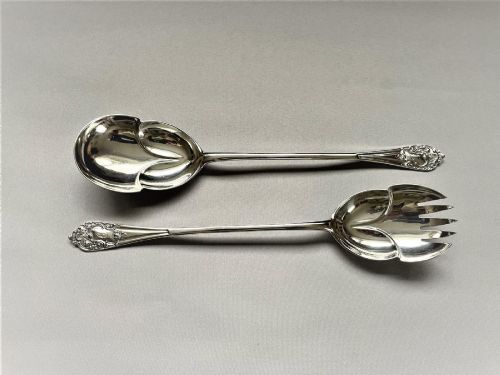
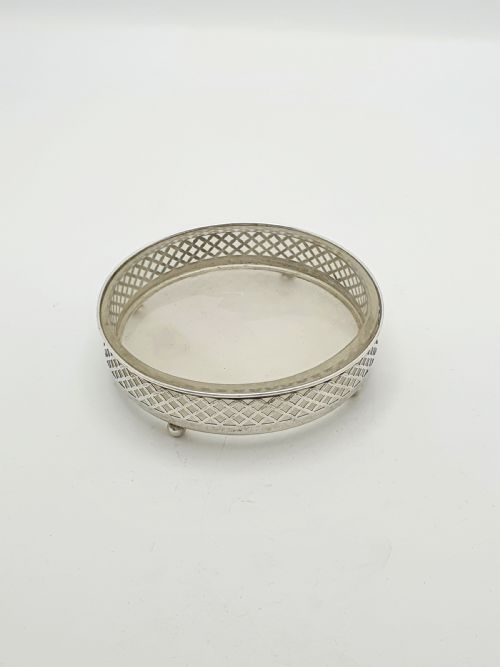
Techniques involve precision smithing, casting, and piercing, particularly evident in butter dishes and salad servers. Glass components feature cranberry flashing or deep cutting to complement the surrounding silver framework. Joinery and plating methods dictate the physical integrity of each piece.
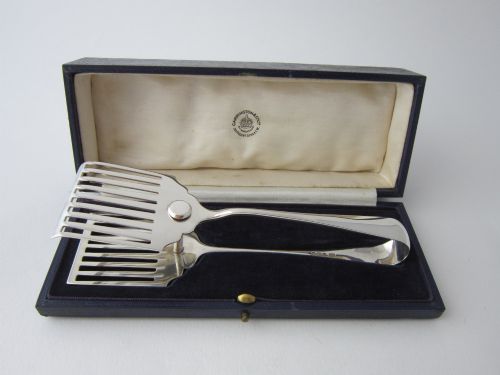
Dedicated asparagus tongs exist solely to spare fingers from buttery disaster.
Assessing quality
Execution and weight distinguish finer examples from standard production serveware. Crispness of chased detail, balance in utensils, and the uniformity of silver plating indicate the skill of the maker. Thicker gauge metal provides structural stability for larger serving dishes and meat covers.
Subtleties in design, such as harmonious proportions between glass inserts and silver mounts, separate superior pieces. Maker marks and clear hallmarks contribute to the standing of an item by verifying its origin and metallic composition.
Roberts Cadman·Horace Woodward and Co Ltd·Theodore B Starr·Garrard and Co·Hukin and Heath·Mappin and Webb·Roberts and Belk
The Vintage Silver Table Server Glossary
- Cruet set
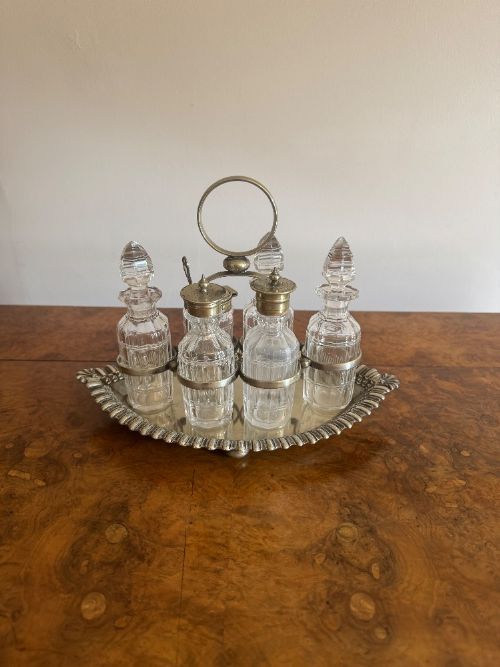
- A collection of small bottles or containers held in a frame for holding condiments at the table. These sets often include mustard pots, pepper shakers, and oil cruets.
- Toast rack
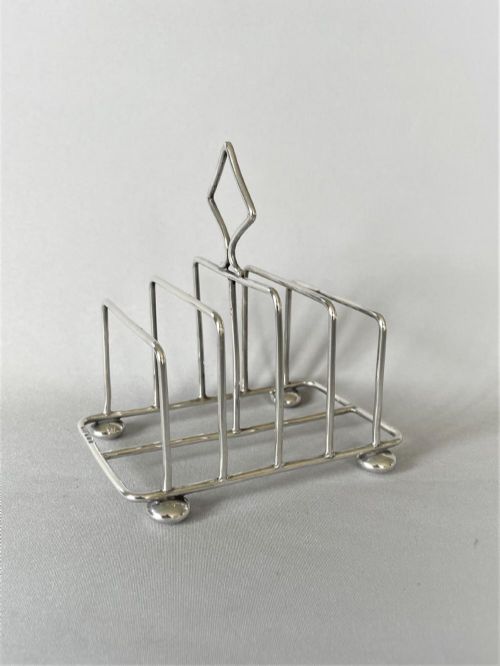
- A small metal frame with vertical divisions designed to hold slices of toast upright. This form keeps toast crisp by preventing condensation between pieces.
- Meat dome
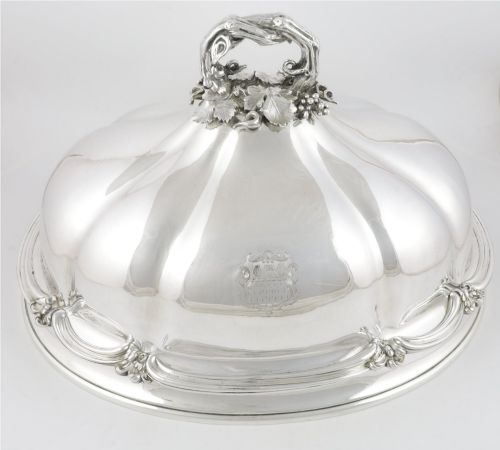
- A large hemispherical cover placed over joints of meat to retain heat and juices during service. Old Sheffield plate versions utilise a fused copper and silver sheet.
- Entree dish
- A shallow lidded vessel used for serving courses following the soup at formal meals. They frequently feature removable handles for versatile arrangement.
- Gravy boat
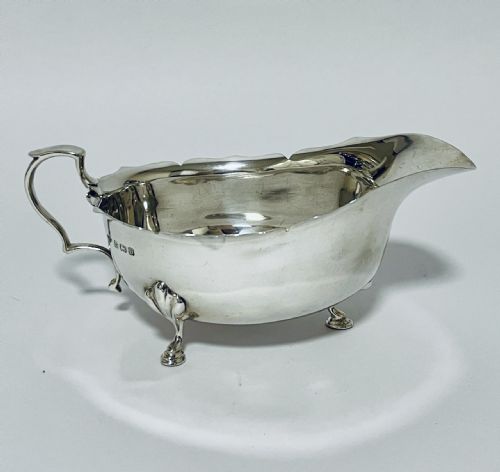
- A small pitcher with a lip and handle designed for serving sauces or gravies. Sauce boats often rest upon attached underplates or separate stands.
Vintage Silver Table Server: Frequently Asked Questions
What is a vintage silver table server?
A vintage silver table server encompasses various utensils and vessels used for presenting food and condiments. These items facilitate the transfer of dishes from kitchen to table during formal and family meals.
Categories include serving spoons, tongs, cruet sets, and large covered dishes. Each piece serves a distinct culinary function within historic dining traditions.
How do I clean silver plate serveware?
Silver plate requires gentle cleaning with specialised silver polishes and soft cloths to preserve the underlying metal. Avoid abrasive materials that can wear away the thin silver layer over time.
Removable glass liners and ceramic inserts should be washed separately in warm soapy water. Proper storage in anti-tarnish cloths helps maintain the finish between uses.
How can I date my silver piece?
Dating relies heavily on maker marks, town hallmarks, and date letters stamped directly onto the silver surface. Reference guides correlate these stamped symbols with specific years of production.
Stylistic indicators, such as Edwardian embossing or Art Deco geometric lines, provide secondary clues. Patina and construction techniques also help narrow down the era of manufacture.
Can I use these items daily?
Many silver serving pieces remain functional for contemporary dining and entertaining. Solid sterling silver and sturdy silver plate withstand regular use when handled with care.
Acidic foods should not remain in contact with silver for extended periods to prevent surface pitting. Hand washing preserves the structural and decorative integrity of older items.