






Vintage Silver Table Frame
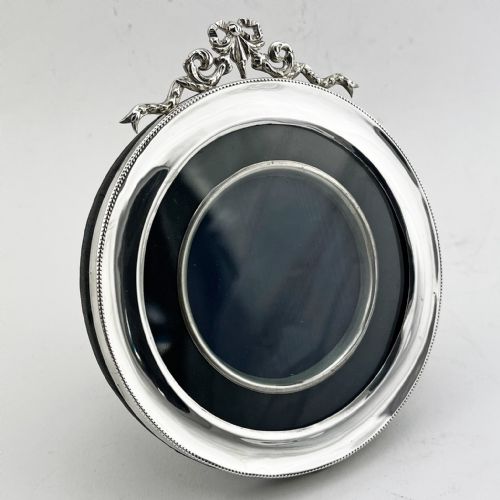
A vintage silver table frame holds a cherished photograph upon a desk or mantelpiece, bringing period character and bright metalwork into a room.
Vintage Silver Table Frame
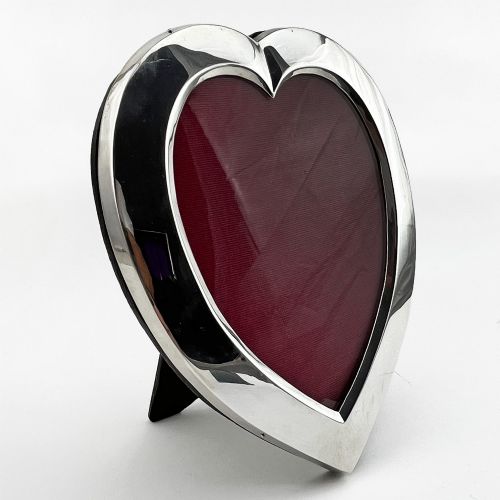
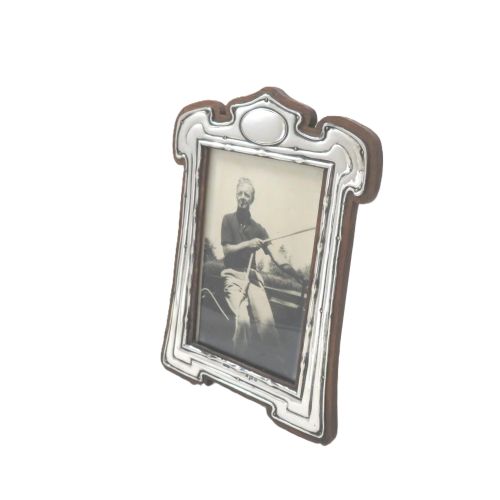
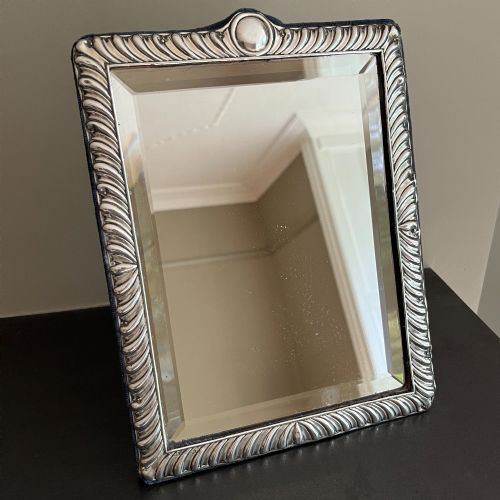
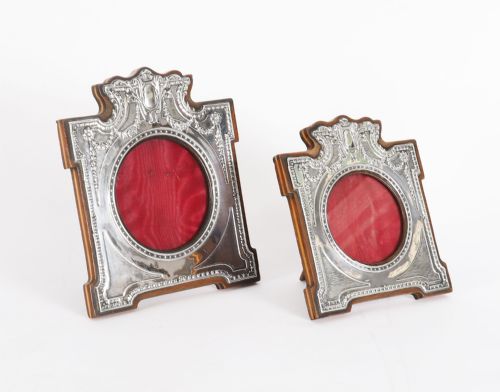
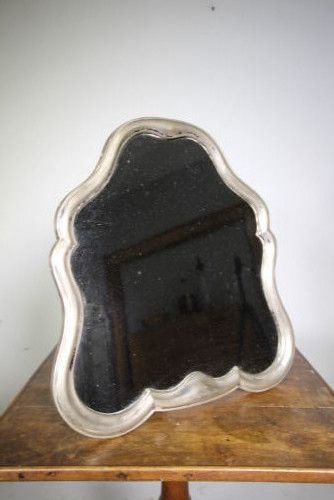
A vintage silver table frame is typically encountered as a picture frame, photo frame, or dressing table mirror designed to stand upright on a flat surface using a strut or easel back. These pieces emerge from periods spanning the Victorian and Edwardian eras through to the 1920s and 1930s, reflecting shifts in domestic display habits.
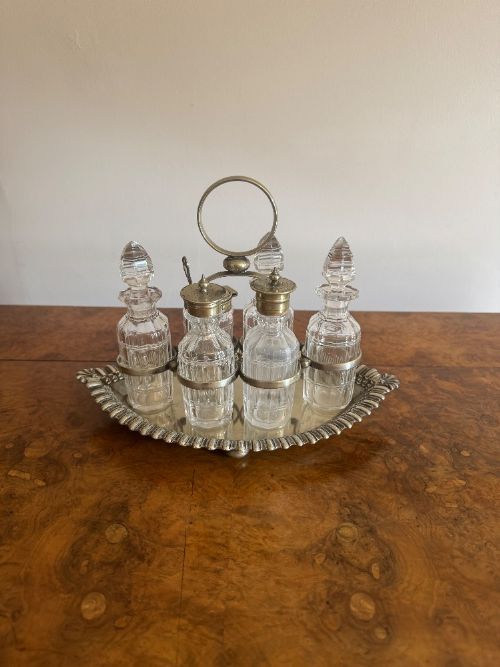
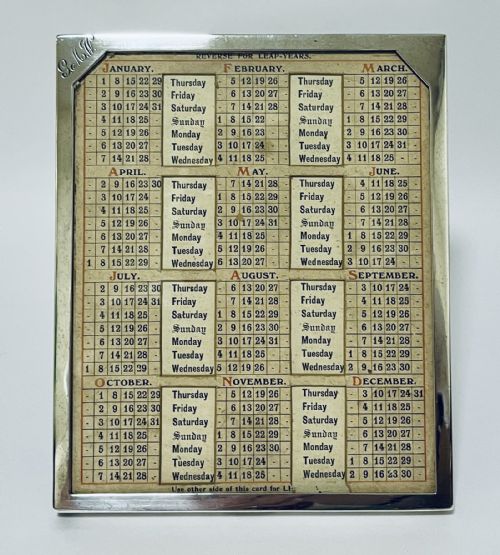
The selection ranges from heart-shaped and round sterling silver photograph holders to larger rectangular variants and triptych dressing table mirrors. Alongside solid sterling silver examples, related table items such as silver plated cruet sets, condiment sets, and perpetual desk calendars appear within the same stylistic lineage.
Makers and designers of the period applied distinct aesthetic treatments, moving from ornate nineteenth-century rococo revival and embossed decoration to flowing Art Nouveau lines and geometric Art Deco styling. Buyers encounter both smaller desktop novelties and substantial two-way picture frames designed to command attention in a room.
Materials and Construction Techniques
Makers utilised solid sterling silver and silver plate over base metals, shaping the metal through stamping, casting, and repoussé embossing to create detailed surface ornamentation. Structural support often relied on fitted wooden backs, plush blue velvet linings, and hinged brass or silver struts.
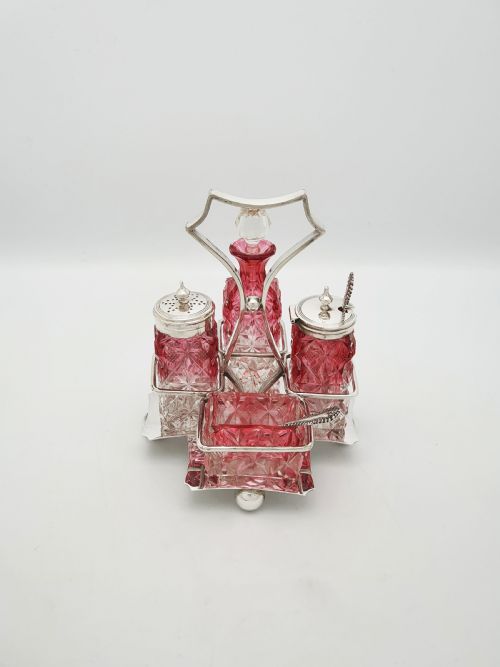
Glass elements, including cut glass and cranberry flashed glass bottles found in associated table sets, were combined with metal mounts using secure collars and bezels. Structural integrity depended on precise joints, soldered mounts, and sturdy easel mechanisms designed to withstand daily desk use.
Tennis-themed silver photo frames let sporting enthusiasts display their matches in proper Edwardian style.
Distinctions in Quality
Quality rests in the crispness of the embossed decoration, the weight and gauge of the sterling silver or silver plate, and the retention of original backing materials like wood and velvet. Pieces retaining clear hallmarks and maker marks demonstrate superior provenance and original craftsmanship.
The articulation of the easel back, the tightness of hinge fittings, and the survival of original glass inserts in related table pieces separate standard domestic items from finer workshop productions.
William Comyns·Mappin Bros·Henry Matthews·WMF
The Vintage Silver Table Frame Glossary
- Sterling silver
- A silver alloy containing 92.5 percent pure silver and 7.5 percent other metals, usually copper, ensuring durability for decorative items.
- Strut mirror
- A mirror supported by a hinged leg or prop on the reverse, allowing it to stand independently on a table or dressing surface.
- Cruet set
- A matched collection of glass bottles or castors mounted in a metal frame, traditionally used for holding condiments at the dining table.
- Repoussé
- A metalworking technique where the metal is hammered from the reverse side to form a raised design in relief on the front.
- Silver gilt
- Silver that has been coated with a thin layer of gold on its surface, creating a warm two-tone appearance.
Vintage Silver Table Frame: Frequently Asked Questions
How do I clean a silver table frame?
Use a soft microfiber cloth with a dedicated silver polish, taking care to avoid pressing too hard on embossed or repoussé details.
Keep polish away from fabric velvet backs and original glass components to protect the surrounding materials.
What periods do these frames represent?
The available pieces span the Victorian, Edwardian, and Art Deco eras, reaching from the late nineteenth century into the 1920s and 1930s.
Design styles shift from ornate floral embossing to geometric lines and smooth curved surfaces.
How are the backs of the frames supported?
Most table frames utilise a hinged easel back or strut covered in wood or coloured velvet to maintain an upright position on a surface.
Some larger mirrors feature triptych folding panels or sturdy weighted bases for stable placement.
Can I replace the glass in a vintage frame?
Original glass should be preserved whenever possible, as replacement panes alter the historical integrity of the piece.
Consult a professional restorer if glass requires securing within the original metal bezel.