



Vintage Silver Sugar Tongs
Vintage silver sugar tongs are small domestic implements shaped for lifting sugar lumps, prized for bringing tactile elegance to the tea table.
What vintage silver sugar tongs are
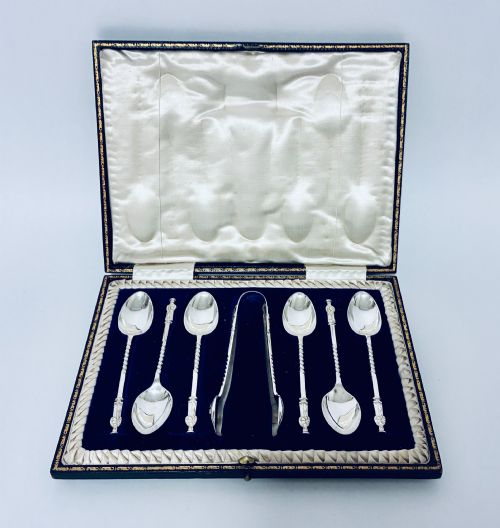
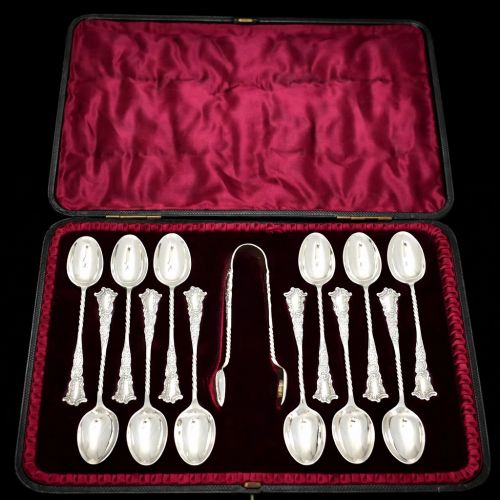
Vintage silver sugar tongs represent small domestic tableware items designed specifically for serving sugar lumps at the tea table. When you search for vintage silver sugar tongs, you encounter functional serving utensils spanning multiple historical eras from the Georgian period onward. The selection on this page includes examples made in the Victorian and Edwardian eras, alongside pieces executed in distinct revivals like the Georgian style.
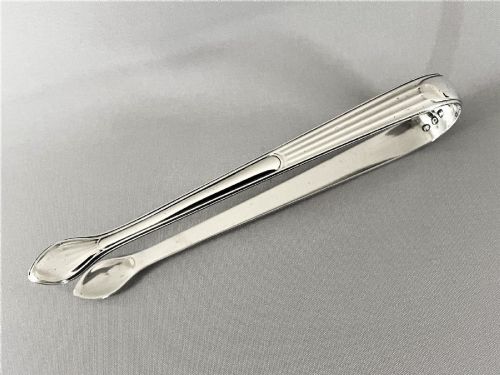
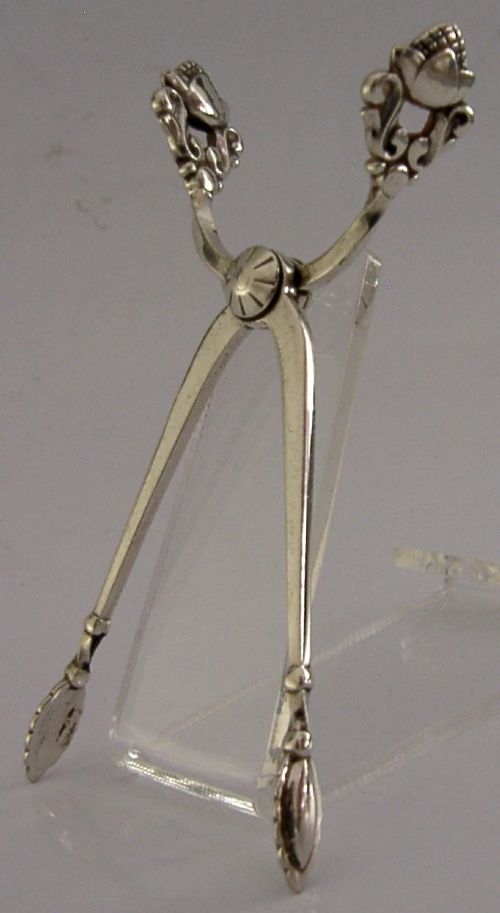
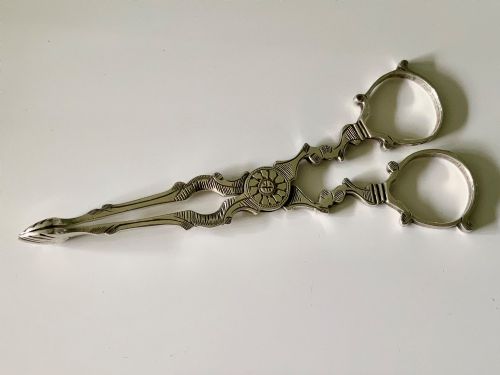
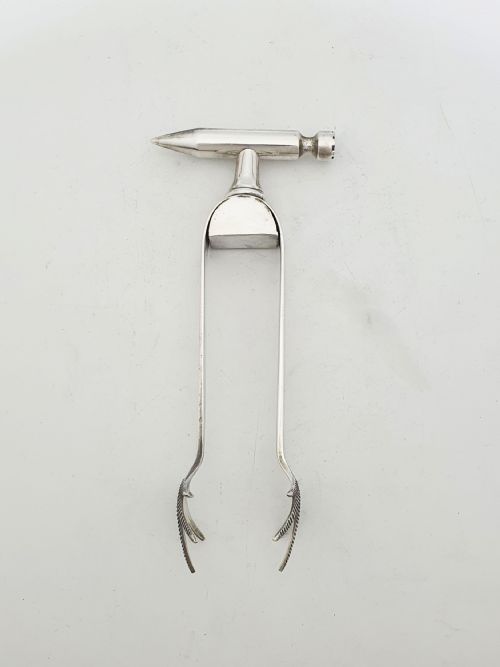
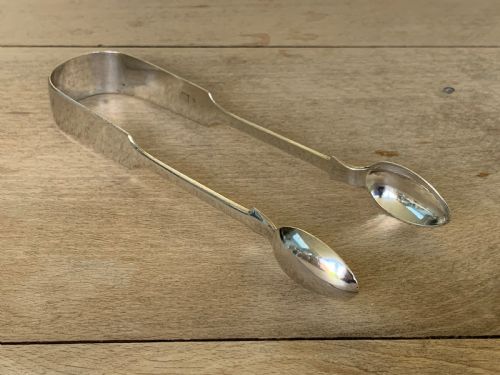
Most pieces take the form of springing arms joined at a hinge or pivot, ending in shell, spade, or claw bowls. You will find items described variously as tea tongs, sugar nips, and sugar tongs across the listings. These objects reflect changing dining habits and social rituals associated with tea service over successive centuries.
How they were made
Makers fashioned these implements from solid sterling silver using traditional metalsmithing techniques. Sheet silver was cut, shaped, and hammered to create the resilient spring action required in the arms of the tongs.
Detailing was achieved through piercing, engraving, and casting, particularly on the terminal ends where the sugar was gripped. Assay office marks and maker's initials were punched directly into the metal to certify the sterling standard.
The site listings feature solid sterling silver objects spanning the Georgian, Victorian, and 1900 periods.
What varies in quality
The standard of execution separates simpler utility pieces from finer examples designed for formal tea service. Crispness in the engraved decoration and strength in the spring mechanism indicate superior craftsmanship.
Weight and gauge of the silver plate influence the durability and hand-feel of each piece. Clear, legible hallmarks contribute to desirability by establishing the exact provenance and date of manufacture.
The Vintage Silver Sugar Tongs Glossary
- Sterling silver
- A silver alloy containing 92.5 percent pure silver and 7.5 percent other metals, usually copper, ensuring strength for domestic items. This standard was legally enforced by assay offices.
- Sugar nips
- An alternative term for sugar tongs, often denoting scissor-style implements with pivot points rather than a sprung arch. They provide precise leverage for breaking or holding sugar.
- Assay mark
- A stamp applied by an official office guaranteeing the fineness of the precious metal. These marks typically include a standard mark, a town mark, and a date letter.
- Georgian style
- A design aesthetic reviving the classical proportions and ornamentation of the reigns of Georges I through IV. Pieces made later often adopt these restrained neoclassical motifs.
Frequently Asked Questions
How do I clean antique silver tongs?
Clean sterling silver tongs gently using a soft cloth and specialist silver polish to remove tarnish without abrading the metal. Avoid harsh chemical dips that can strip the natural darkening from engraved recesses.
Rinse the implements thoroughly in warm water and dry them with a lint-free cloth after polishing. Regular, light cleaning preserves the surface detail far better than occasional aggressive scrubbing.
Were sugar tongs used for loose sugar?
These implements were primarily designed for handling sugar lumps rather than loose crystal sugar. Lumps required a secure grip to transfer them cleanly from the sugar bowl to the teacup.
The shaped bowl terminals, such as spade or shell designs, provided a stable cradle for the sugar cubes used in formal tea service.
How can I tell the period of my tongs?
Examine the stamped hallmarks on the silver to identify specific town marks and date letters corresponding to official assay records. These punches provide the most reliable guide to the exact year and location of manufacture.
Stylistic indicators, such as bright-cut engraving or cast shell grips, also point toward specific periods like the Georgian or Victorian eras.
Can I still use these for daily tea service?
These silver implements remain fully functional for modern dining and tea rituals. Their sturdy sterling construction withstands careful everyday use.
Hand washing is essential to protect the metal and any delicate engraved details from the harsh environment of a modern dishwasher.