




Vintage Silver Statue
These pieces unite solid metal and figurative art, bringing sculptural presence to a room.
Vintage Silver Statue
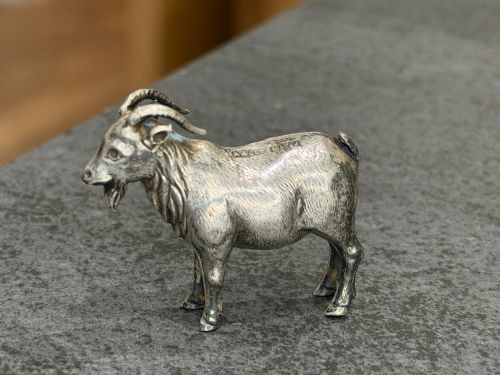
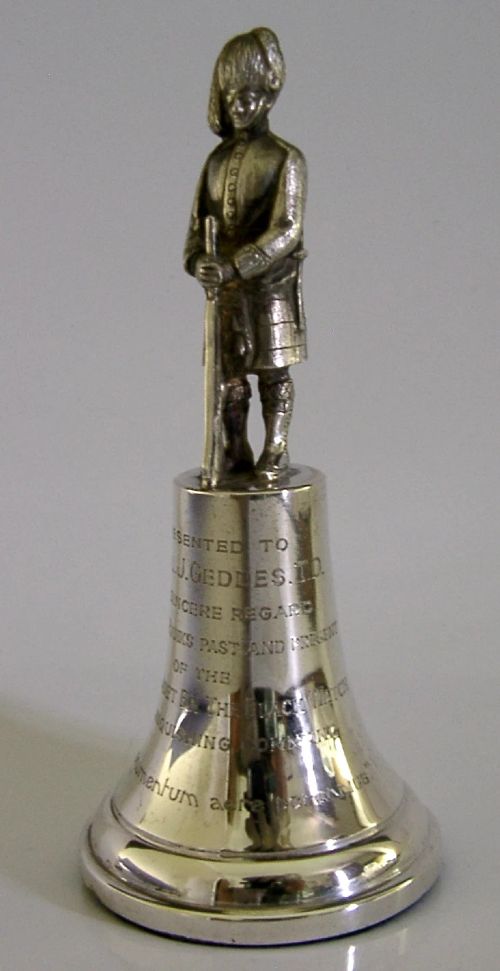
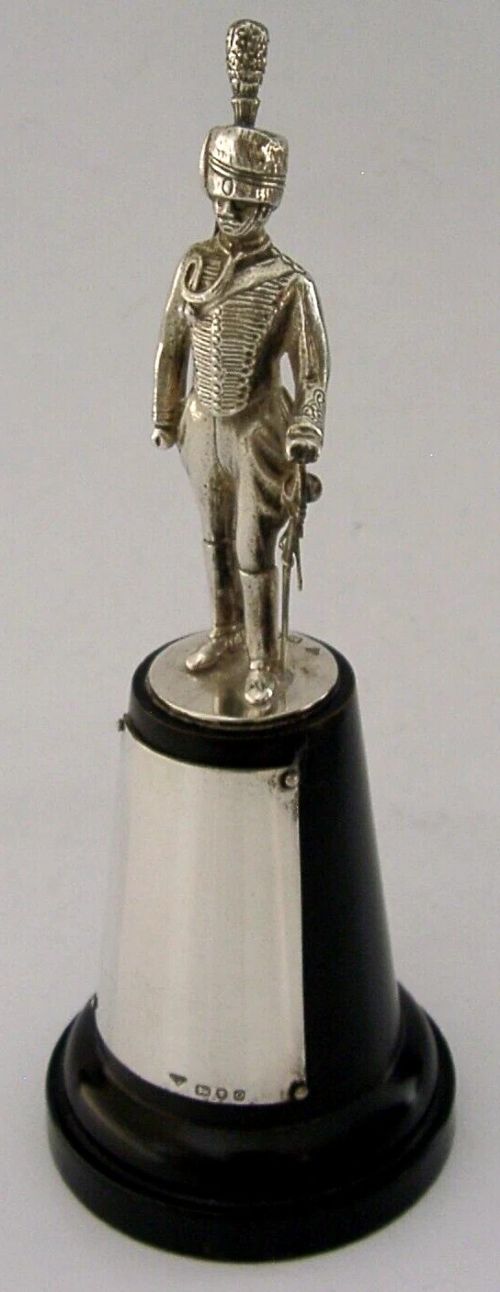
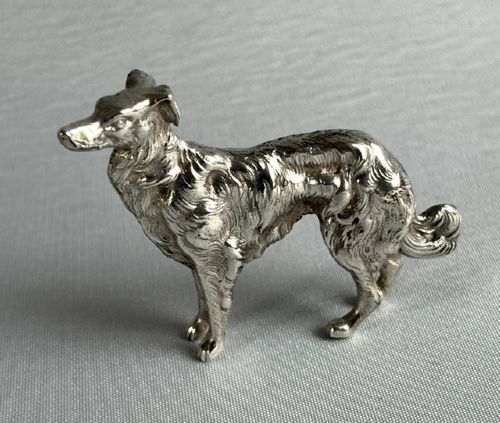
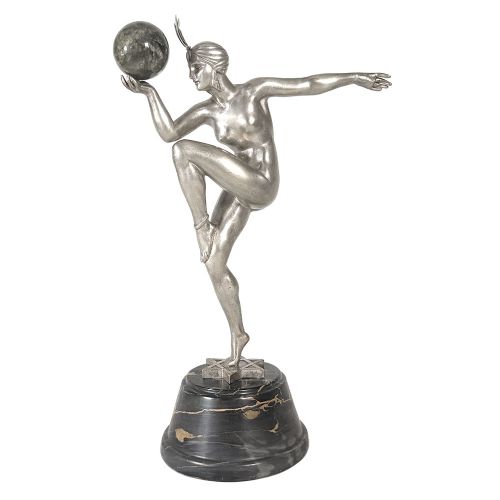
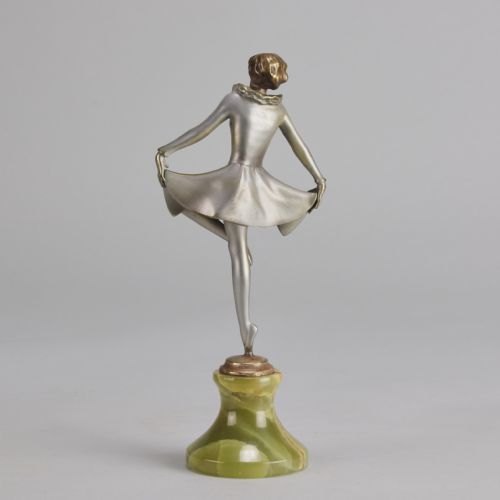
A vintage silver statue spans table ornaments, small sculptures, and figurines cast in sterling silver, silver plate, silvered bronze, and chrome. These works capture animal studies, human dancers, and transport models across periods from the Victorian era to the mid-twentieth century.
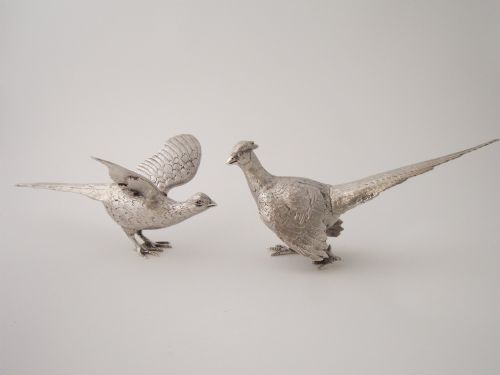
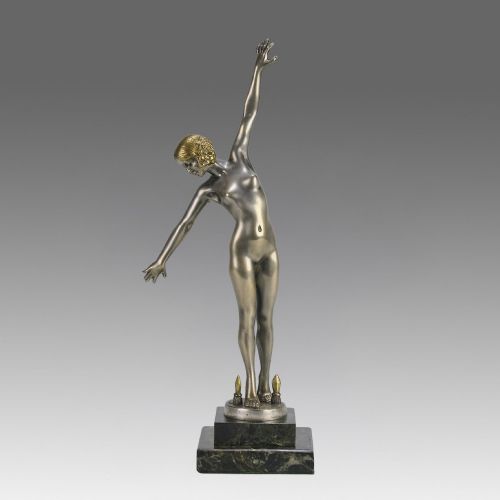
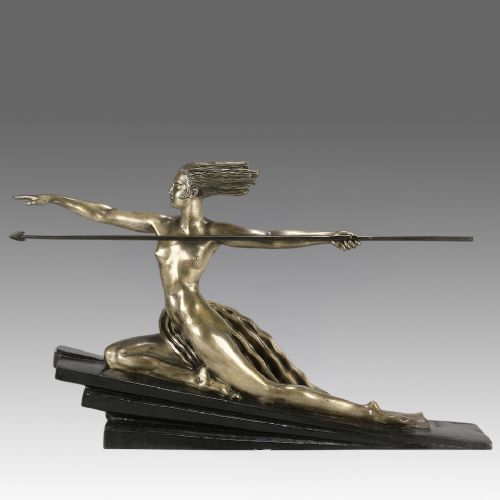
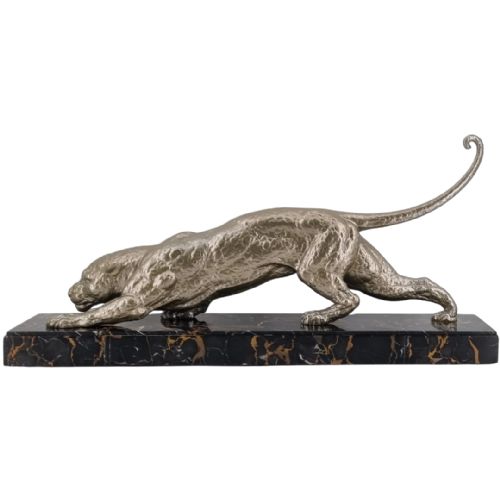
The selection leans heavily toward Art Deco creations featuring dancers and animals, alongside Continental silver bird figures and early aviation models. Pieces range from grand architectural bronzes mounted on marble bases to smaller cast silver ornaments.
Materials and casting methods
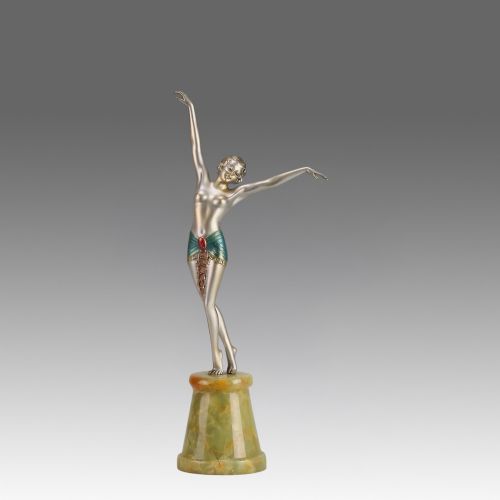
Foundries utilised traditional casting techniques, combining bronze, spelter, and base metals with cold-painted enamel finishes or electroplated silver layers. Many Art Deco examples mount metal figures onto contrasting marble or onyx plinths.
Vintage Silver Statue Retail Price Guide 2026
Typical asking prices for vintage silver statue among the pieces listed under this phrase on Sellingantiques today, from the lower quarter to the upper quarter. They describe what is for sale here now, not the wider market.
Listings incorporate materials spanning sterling silver, silver plate, marble, onyx, bronze, silvered bronze, and spelter.
Distinctions in execution and finish
Finer examples display crisp chisel work and careful hand-painting that preserve facial expressions and garment textures on dancers and animals. Lesser pieces rely on softer casts in spelter with simpler surface patination.
The integration of the figure with its base, whether carved marble or integrated metal, marks the distinction between standard production items and masterworks by known designers.
Berthold Muller·D. H. Chiparus·Josef Lorenzl·WMF·Pierre Le Faguays·Mario Bucellati
The Vintage Silver Statue Glossary
- Cold-painted bronze
- A technique where bronze sculptures are painted with natural pigment paints that are not subjected to kiln firing. This finish appears frequently on early twentieth-century dancer figures.
- Spelter
- An alloy of zinc and lead or copper used as an economical alternative to bronze. It forms the body of many decorative figures from the Art Deco period.
- Hanau silver
- Silver items produced by silversmiths in Hanau, Germany, often copying earlier historical styles and animal models. These pieces frequently carry pseudo-hallmarks.
- Silvered bronze
- Bronze metal treated with a silver coating to give the appearance of solid silver while retaining the weight and casting qualities of bronze.
Vintage Silver Statue: Frequently Asked Questions
What metals are these statues made from?
The material varies from solid sterling silver to silver-plated white metal, silvered bronze, and spelter. Each alloy alters the weight and surface texture of the sculpture.
Some pieces combine metals with marble bases or ivory details to achieve the characteristic aesthetic of their period of production.
How do I care for silvered bronze?
Dust gently with a soft, dry cloth and avoid harsh silver dips that can strip the delicate surface plating or cold-painted pigments. Keep these sculptures away from direct sunlight and damp environments to protect the metal finish.
If the piece sits on a stone or marble base, take care not to let cleaning liquids seep into the junction between metal and stone.
Are these figures hallmarked?
Sterling silver examples often bear official assay office marks, maker's marks, and date letters corresponding to their year of manufacture. Plated items and spelter figures typically feature maker's stamps, model numbers, or signature incisions rather than standard silver hallmarks.
Continental animal figures from makers in locations such as Hanau often display pseudo-hallmarks intended to mimic antique standards.
How do I distinguish Art Deco pieces?
Art Deco statues emphasise streamlined movement, geometric bases, and stylised depictions of dancers, speed, and sleek animals like greyhounds and panthers. They frequently employ materials like chrome plate, silvered bronze, and polished onyx.
Earlier Victorian and Edwardian works favour naturalistic detail in animal studies and classical poses without the distinct modernist angles of the 1920s and 1930s.