




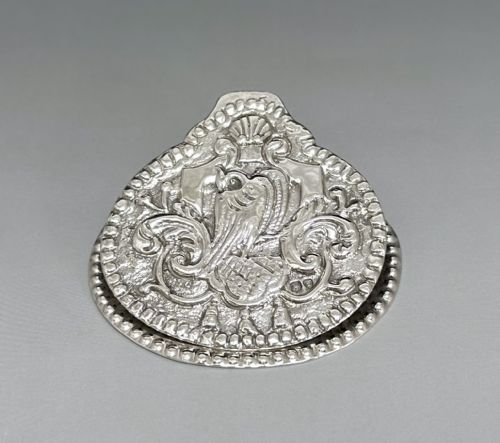

Vintage Silver Stationery
These pieces of vintage silver stationery bring order and elegance to a desk, ranging from desk clips to notelet cases.
Vintage Silver Stationery
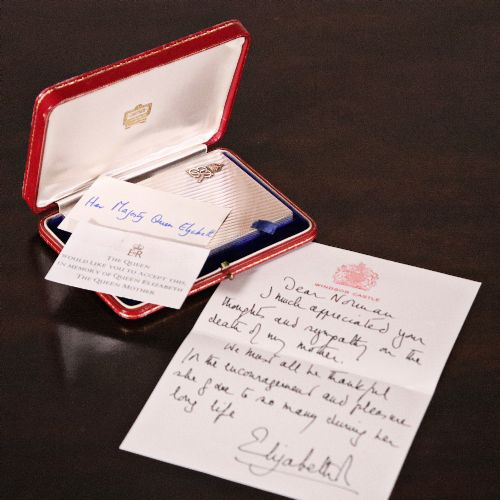
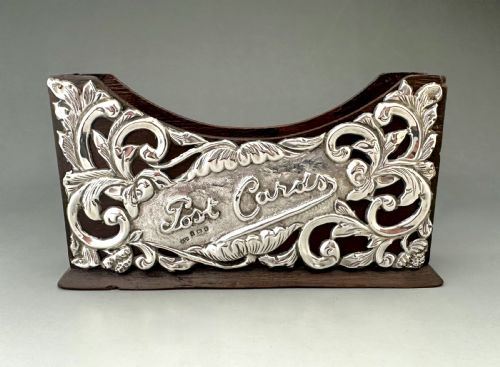
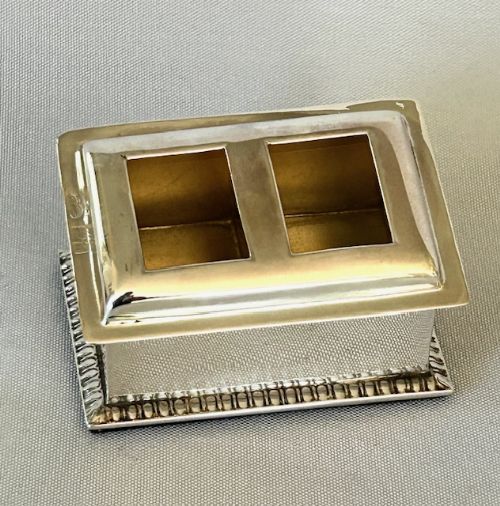
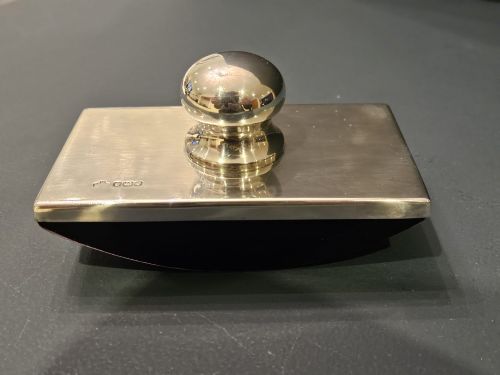
Vintage silver stationery encompasses a range of desk accessories designed for correspondence and organisation, including letter openers, inkstands, stamp boxes, and blotters. These pieces frequently date from the Victorian, Edwardian, and Art Deco periods, showcasing the craftsmanship of their respective eras.
Collectors encounter items fashioned from sterling silver, silver plate, and mixed media such as glass, tortoiseshell, leather, and velvet. Forms vary from simple paper knives to elaborate novelty golfing desk clips and fitted desk sets with intaglio coloured-glass seals.
The selection on this page leans heavily towards Edwardian and early twentieth-century designs, reflecting the formal correspondence habits of the period. Desk clips, blotter folios, and notelet cases dominate the available variety, often featuring hallmarks from Birmingham and other major assay offices.
Distinctions in quality
Quality in these objects rests upon the crispness of the silversmith's work, the integrity of any incorporated materials like tortoiseshell or enamel, and the retention of clear hallmarks. Finer examples display meticulous detail in novelty elements, such as animal motifs or figural letter clips.
The sophistication of the design and the presence of notable makers elevate certain pieces above standard utility items. Superior construction ensures that hinges on stamp boxes and clips retain their tension and alignment over time.
Listings feature items spanning the Georgian, Victorian, Edwardian, and Art Deco periods, created in sterling silver, silver plate, glass, leather, and oak.
Cartier·Tiffany & Co.
The Vintage Silver Stationery Glossary
- Sterling silver
- A silver alloy containing 92.5 percent pure silver and 7.5 percent other metals, usually copper. This standard is denoted by the lion passant hallmark on British items.
- Guilloche enamel
- A decorative technique where a precise pattern is mechanically engraved into metal beneath a translucent layer of enamel. It is frequently seen on Art Deco desk accessories.
- Letter clip
- A spring-loaded desk accessory designed to hold correspondence securely on a desktop. Victorian and Edwardian examples often feature novelty animal or figural designs.
- Blotter folio
- A book-like desk accessory lined with blotting paper to absorb excess ink from handwritten letters. They often feature decorative silver fronts and leather or fabric covers.
- Intaglio
- A gem or glass carving technique where the design is incised into the surface rather than raised. These were commonly set into seals used with sealing wax for letters.
Vintage Silver Stationery: Frequently Asked Questions
What is vintage silver stationery?
Vintage silver stationery comprises desk accessories made from silver or silver-mounted materials used for writing, mailing, and organising letters. Common items include letter openers, blotters, stamp boxes, and inkstands.
These pieces date from the Victorian era through the mid-twentieth century. They reflect the formal correspondence practices of households and offices before the digital age.
How do I date my piece?
Dating silver stationery relies primarily on British hallmarks stamped onto the metal components, which indicate the assay office, standard, and date letter. Stylistic markers also help determine age.
For instance, intricate floral motifs often point to the Edwardian period, while geometric lines and guilloche enamel suggest Art Deco origins. Maker's marks further narrow down the production period.
How do I care for silver stationery?
Caring for these items involves regular, gentle dusting and occasional polishing with a soft cloth designed for silver. Care must be taken around non-metal components like leather, velvet, glass, or tortoiseshell.
Harsh chemical dips should be avoided, particularly on items with enamel or delicate organic inserts. Storing pieces in stable humidity conditions protects both the metal and any accompanying materials.