


Vintage Silver Silverware
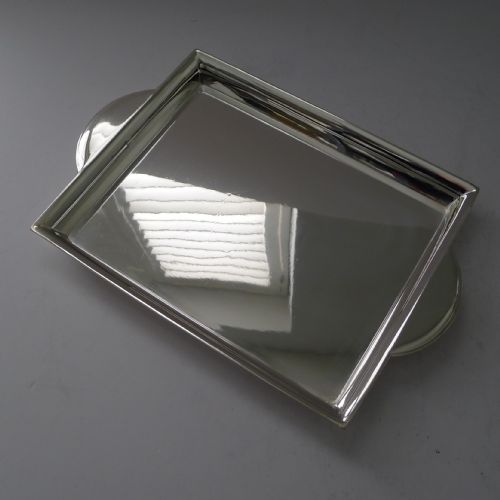
These vintage silver silverware pieces span Victorian canteens to Art Deco cocktail trays, offering functional elegance for the modern dining table.
Vintage Silver Silverware
When buyers search for vintage silver silverware, they encounter a diverse range of functional tableware and decorative items spanning multiple decades. The selection encompasses everyday dining implements alongside specialised serving pieces designed for specific culinary tasks.
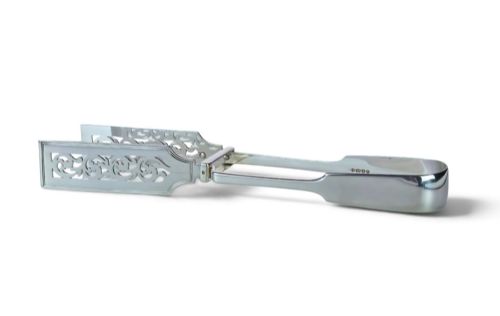
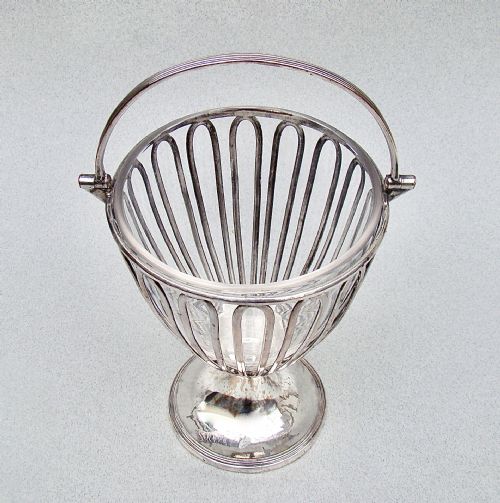
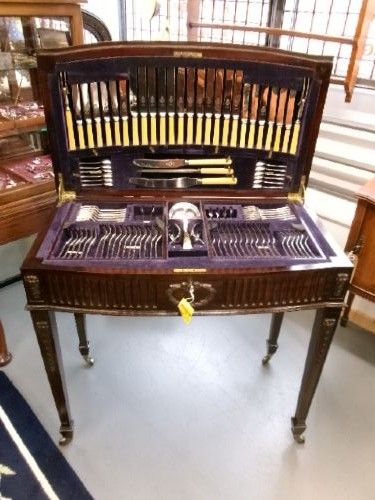
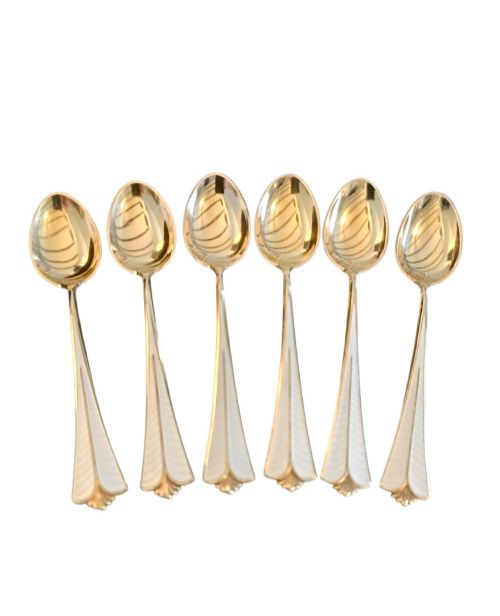
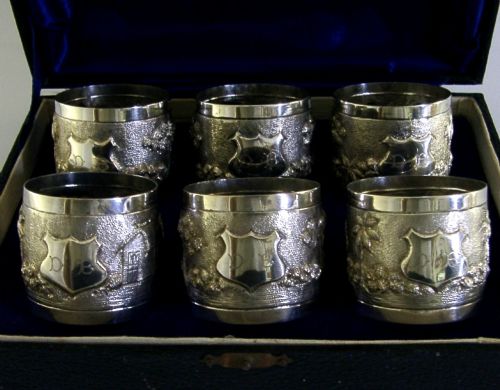
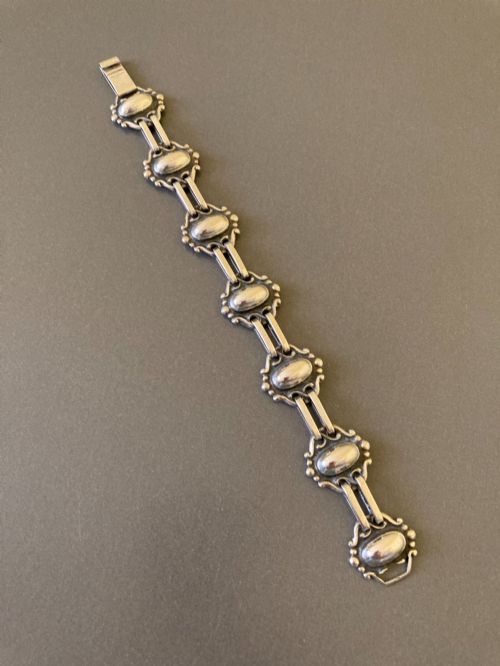
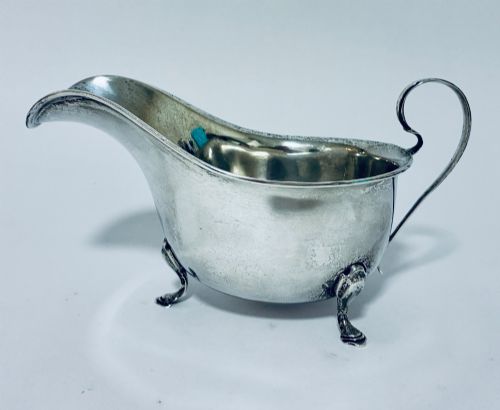
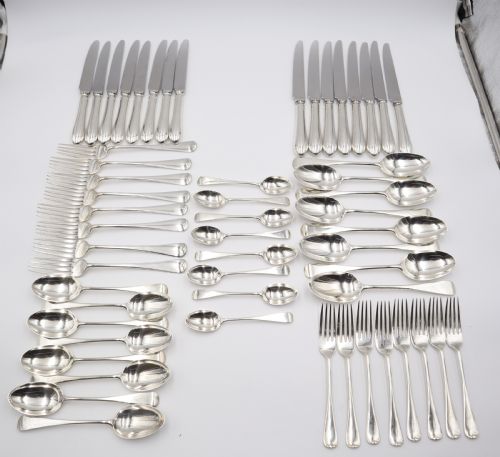
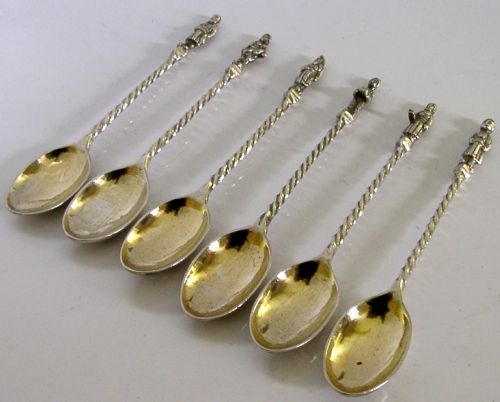
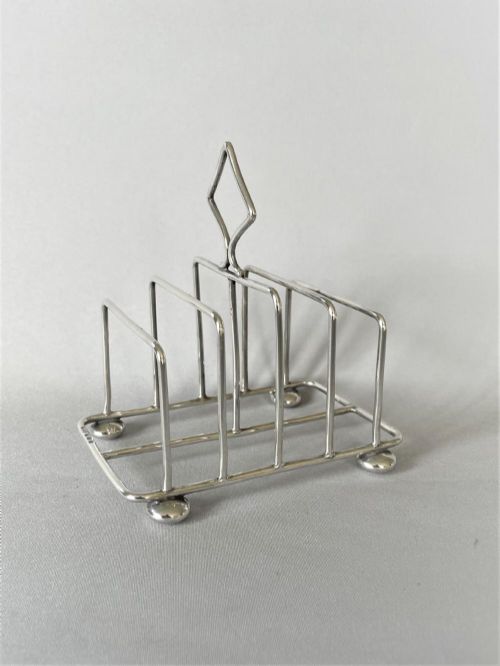
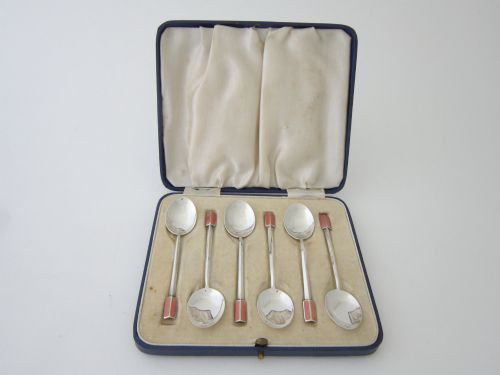
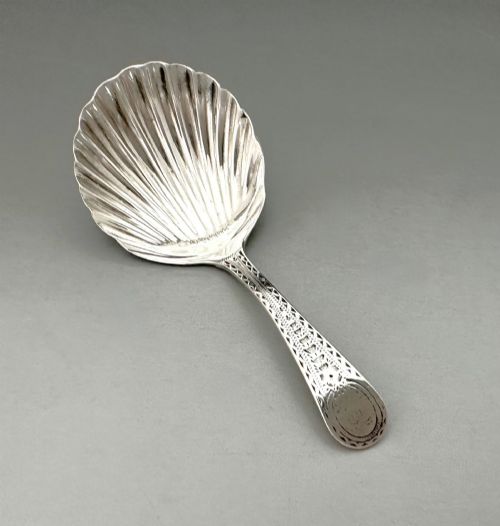
Napkin rings, cutlery sets, coffee spoons, caddy spoons, sauce boats, toast racks, bowls, and dishes form the core of what appears in this category. These items emerge from various periods, notably the Victorian, Edwardian, and Art Deco eras, reflecting shifting domestic habits.
Origin points vary widely, covering British workshops, continental European makers, and Anglo-Indian or Ottoman pieces. Domestic items like mustard pots and table bells sit alongside cased sets intended for gifting or formal dining.
Factors that distinguish quality
The standard of execution in decorative details, such as hand-applied enamel or figural casting, separates ordinary utility items from superior examples. Weight and gauge of the metal indicate the underlying substance of a piece, particularly in larger forms like bowls and trays.
Completeness significantly affects standing, especially for cased sets of cutlery, napkin rings, or coffee spoons where original packaging and full complements matter. Maker attribution and legible hallmarks provide verifiable proof of origin and metallurgical standard.
Vintage Silver Silverware Retail Price Guide 2026
Typical asking prices for vintage silver silverware among the pieces listed under this phrase on Sellingantiques today, from the lower quarter to the upper quarter. They describe what is for sale here now, not the wider market.
Listings feature sterling silver, silver plate, enamel, and glass across Victorian, Edwardian, and Art Deco periods.
Elizabeth Eaton·Martin Hall And Co·David Andersen·Christofle Paris·Tiffany·Pinci Roma
The Vintage Silver Silverware Glossary
- Sterling Silver
- A standard alloy consisting of 92.5 percent silver by weight, combined with other metals for durability. This material standard underpins many British and American dining pieces.
- Silver Plate
- A manufacturing method where a thin layer of silver is bonded to a base metal core, such as copper or nickel brass. This technique offered an accessible alternative to solid silver for large canteens.
- Caddy Spoon
- A specialised small spoon designed for measuring loose tea leaves from a storage caddy. These often feature decorative bowls and short handles tailored for caddy openings.
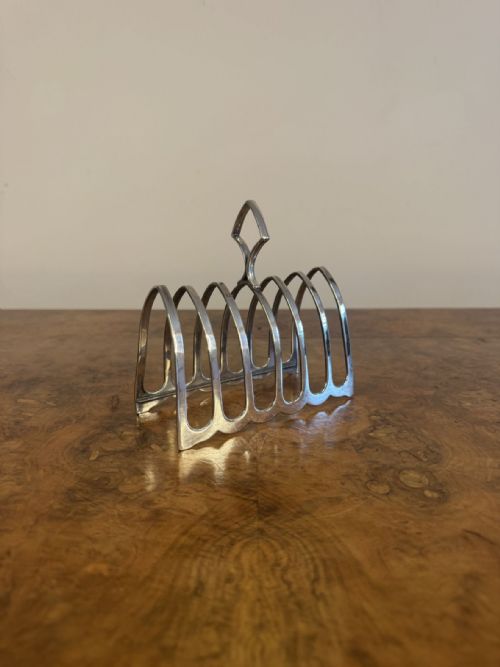
- Toast Rack
- A tabletop frame featuring vertical metal dividers to hold slices of toast upright. This design prevented condensation from making the toast soggy before serving.
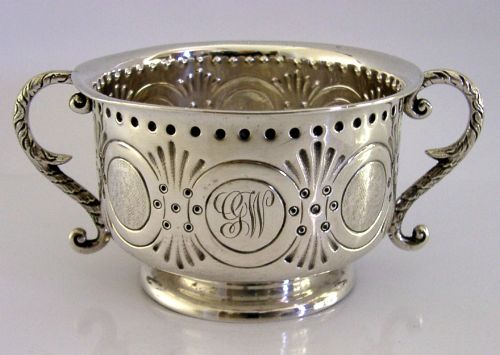
- Quaich
- A traditional shallow two-handled drinking vessel originating in Scotland, utilised for spirits. Examples also appear in continental European silver production.
- Hallmark
- A system of official stamps applied to precious metals indicating the maker, assay office, and year of testing. These marks allow collectors to date pieces accurately.
Vintage Silver Silverware: Frequently Asked Questions
How do I clean vintage silver?
Clean pieces gently using a dedicated silver cloth or a mild, non-abrasive silver polish formulated to protect the metal surface. Avoid harsh chemical dips, which can strip away desirable patinas and damage delicate components like enamel.
Store items in dry environments away from direct sunlight, and consider anti-tarnish wraps for pieces kept inside fitted wooden cabinets or canteens.
What is the difference between solid silver and silver plate?
Solid silver, including sterling and higher purity standards, consists of the precious metal throughout its entire structure and carries hallmark stamps. Silver plate applies a thin coating of silver over a base metal foundation.
Plated items generally show base metal beneath worn areas through heavy use, whereas solid silver maintains its metallic composition right through.
How do I identify the date of a piece?
Look for stamped hallmarks, sponsor marks, and date letters that correspond to official assay office records. Stylistic indicators, such as geometric Art Deco motifs or ornate Victorian engraving, also provide reliable dating clues.
Cased presentation sets often include retailer inscriptions or labels inside the lid that help narrow down the period of manufacture.
Can vintage cutlery be used daily?
Many solid silver and heavy silver-plated cutlery sets remain robust enough for regular dining use. Hand washing is strongly recommended to preserve the finish, as automated dishwasher heat and detergents cause damage.
Silver plate items require particular care to avoid wearing through the thin surface layer over years of frequent use.