






Vintage Silver Shears
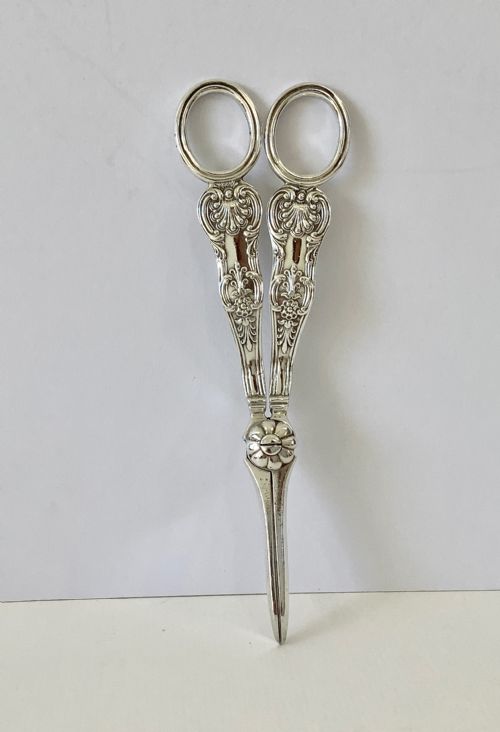
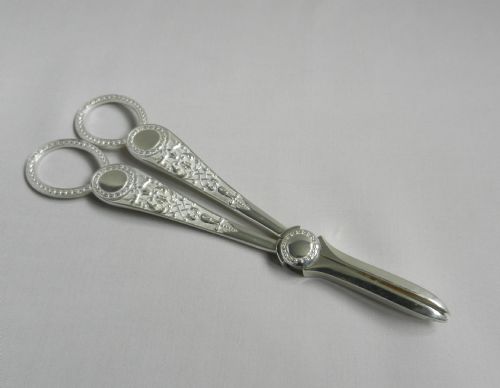
Vintage silver shears are specialised table implements crafted for serving fruit, most often seen here as grape scissors from the Victorian and Edwardian eras.
Vintage Silver Shears
When you search for vintage silver shears, you are looking at functional table implements designed specifically for severing clusters of fruit. The examples found here span the Victorian, Edwardian, and mid-twentieth-century periods, alongside earlier William IV designs.
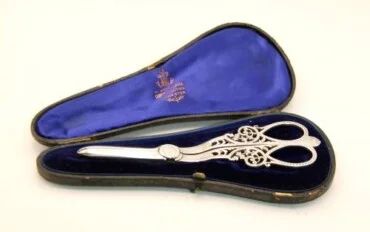
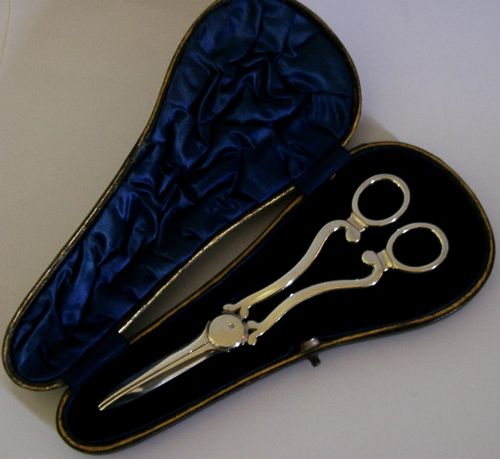
The dominant form on this page is the grape scissors, sometimes housed in fitted cases lined with velvet, silk, or satin. These implements reflect formal dining traditions where silver cutlery was employed for specific table tasks.
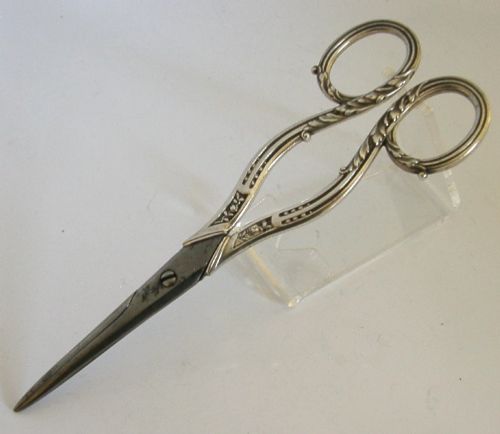
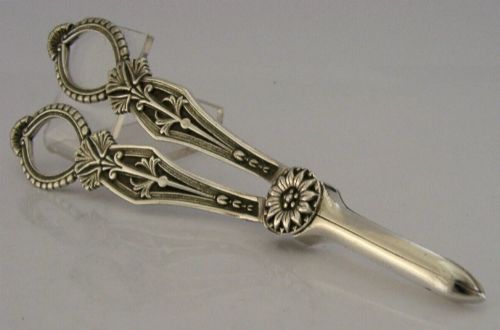
Makers produced these pieces in sterling silver and silver plate, occasionally incorporating gilt finishes. Styles range from plain utility to elaborate Gothic Revival and ornate engraving.
How they were made
The manufacturing process primarily involved casting and smithing sterling silver or silver plate to create sturdy handles and shaped blades. Silversmiths utilised casting techniques to produce heavier, ornate forms with detailed relief work.
Handles were frequently cast with high relief ornamentation, foliage, or Gothic motifs, then joined to steel or silver-gilt blades designed to handle the acidity of fruit. Fitted presentation cases were lined with velvet, silk, satin, or leatherette to protect the metal.
Vintage Silver Shears Retail Price Guide 2026
Typical asking prices for vintage silver shears among the pieces listed under this phrase on Sellingantiques today, from the lower quarter to the upper quarter. They describe what is for sale here now, not the wider market.
Listings feature sterling silver and silver plate, paired with fitted cases lined in velvet, silk, satin, or leatherette across multiple centuries.
What varies in quality
Quality in these implements is determined by the weight of the silver and the crispness of the cast or engraved decoration. Heavier gauges of silver and intricate, deep relief work distinguish the finest workshop output from simpler production.
The presence of original fitted cases lined with materials like velvet or satin adds to the completeness of a piece. Maker marks and clear hallmarks also elevate the standing of an implement by confirming its origin.
Goldsmiths & Silversmiths Co. Gibson & Langman·Charles Reily & George Storer·Paul Storer·C.J. Vander
The Vintage Silver Shears Glossary
- Sterling silver
- A silver alloy containing 92.5 percent pure silver by mass, standard for quality British tableware. This material provides the primary medium for the majority of the shears listed.
- Silver-gilt
- Sterling silver that has been coated with a thin layer of gold on the surface. This technique protected the metal from fruit acids and added a contrasting golden tone.
- Gothic Revival
- An architectural and decorative style that revived medieval forms, visible in the heavy ornamentation of certain Victorian pieces. This aesthetic influenced the casting of handles with architectural motifs.
- Hallmark
- An official stamp applied to precious metals indicating the standard of purity, the assay office, and the date of manufacture. These marks allow collectors to verify the period of a pair of shears.
Vintage Silver Shears: Frequently Asked Questions
What were vintage silver shears used for?
These implements were designed primarily for cutting small bunches of grapes at the dining table during dessert service. They allowed diners to serve fruit cleanly without using their fingers.
The secondary use involved wider fruit service during formal dining occasions, particularly in Victorian and Edwardian households where specialised cutlery was common.
How do I clean vintage silver shears?
Clean silver shears gently using a specialist silver cloth or a mild, non-abrasive silver polish to remove tarnish. Avoid harsh chemical dips that can damage fitted velvet or silk linings in presentation cases.
Store the implements in dry conditions, and if housed in a leatherette or leather case, keep them away from excessive humidity to preserve the interior fabric.
How can I tell the period of these shears?
Check for hallmarks stamped directly onto the metal, which indicate the exact assay year and the maker's mark. Comparing the style of decoration, such as Gothic Revival motifs or Victorian floral engraving, also points to the decade of manufacture.
Documentation or original fitted cases can provide additional context, though hallmarks remain the most reliable method for dating.