


Vintage Silver Reading Lamp
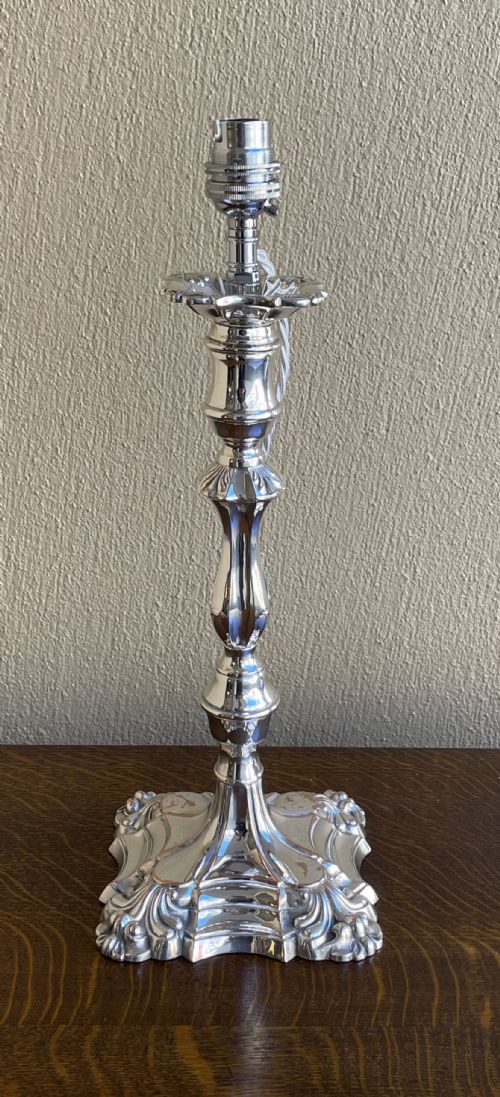
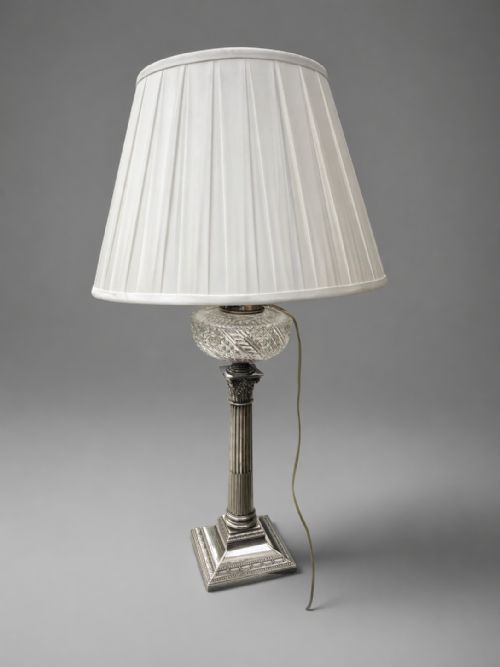
A vintage silver reading lamp brings focused light and distinct period character to a desk, table, or corner.
Vintage Silver Reading Lamp
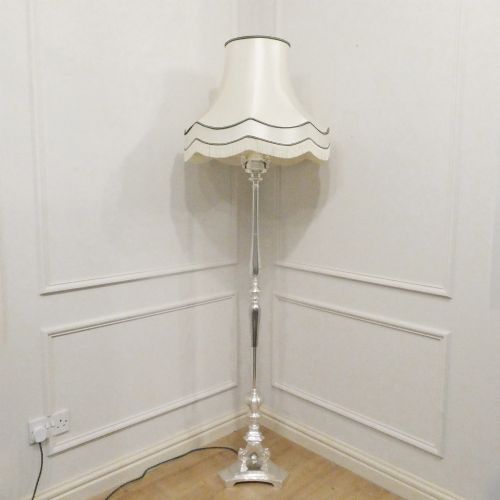
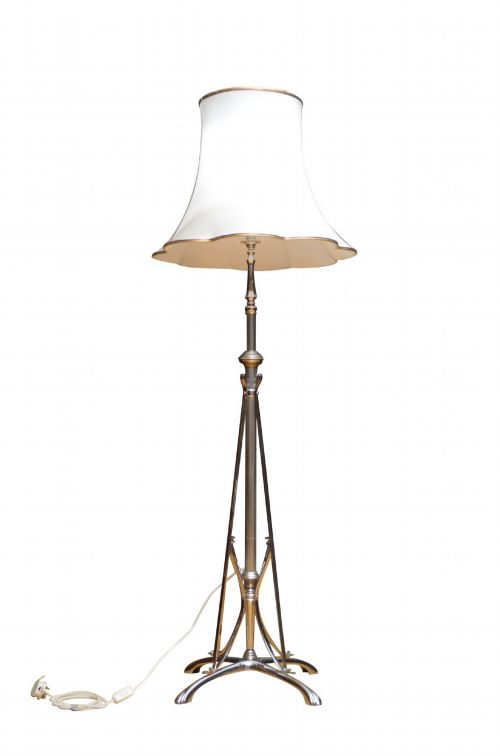
A vintage silver reading lamp encompasses functional lighting solutions ranging from compact desk lights to tall floor standards, often associated with the search phrase vintage silver reading lamp. These pieces span multiple decades, drawing on Victorian, Edwardian, and Art Deco design sensibilities.
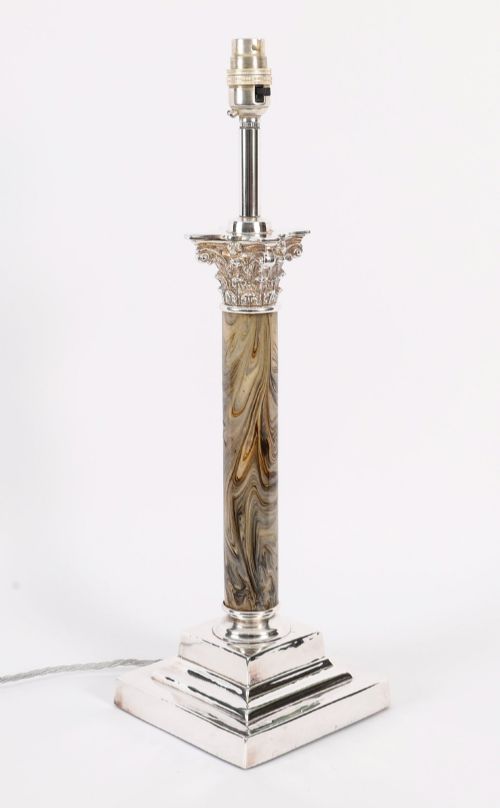
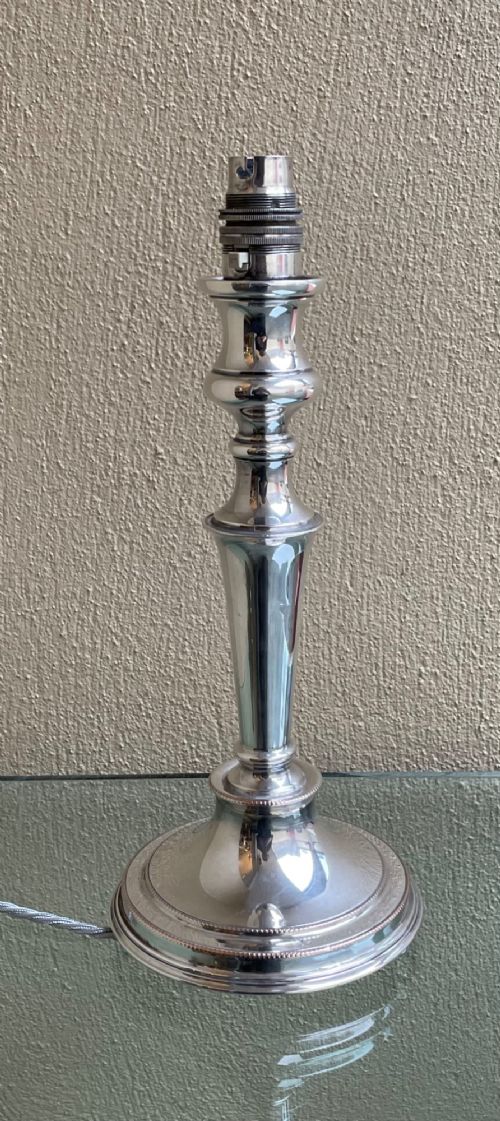
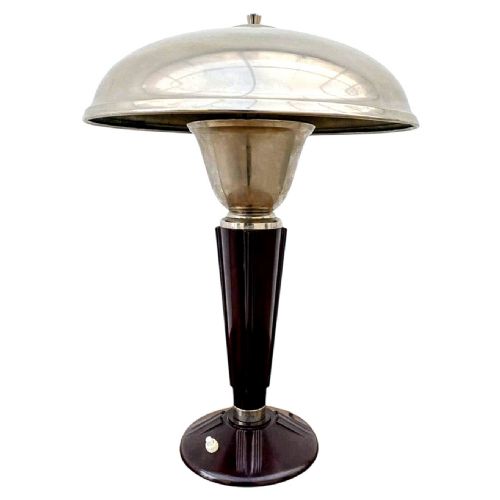
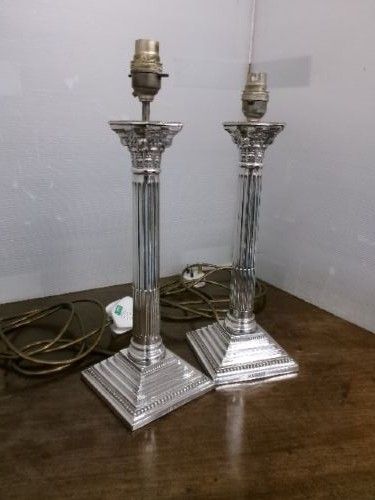
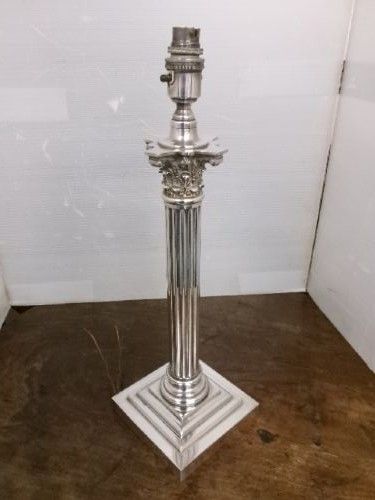
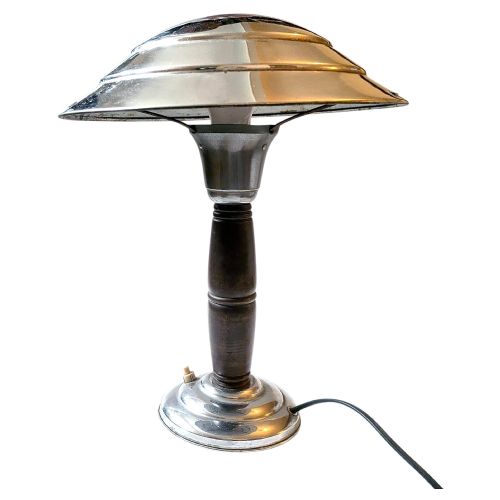
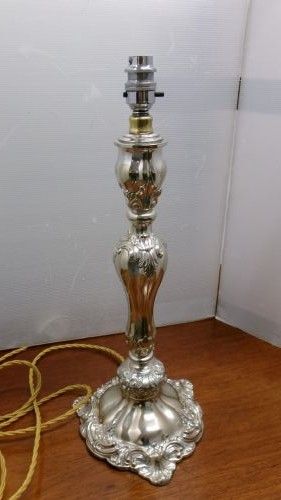
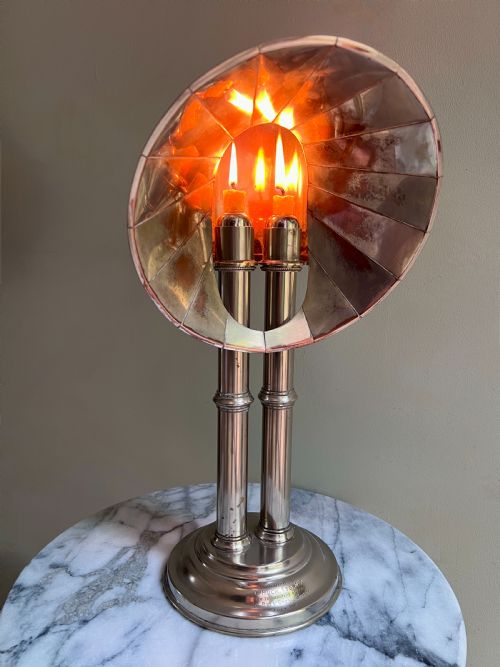
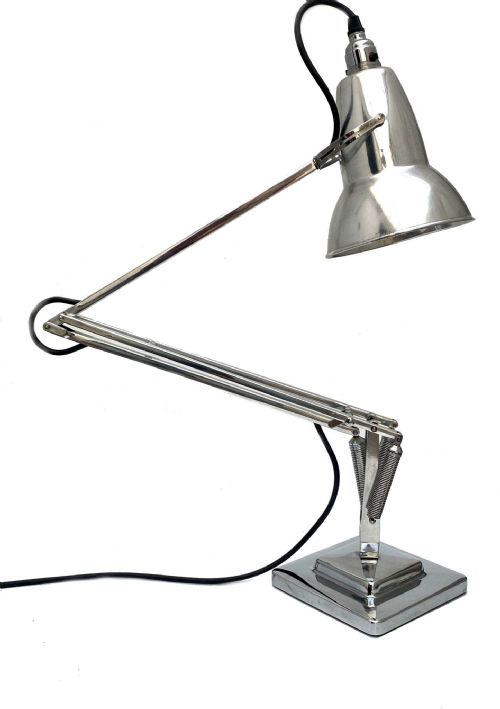
Table lamps and adjustable desk lights dominate the forms on offer, frequently utilising silver plate, nickel, or chrome over base metals. Examples include architectural column shapes, utilitarian machine age designs, and specialised travelling or candle-based configurations.
Origins stretch across the late nineteenth century through to the mid-twentieth century, capturing shifts from traditional oil and candle mechanisms to electrified illumination. Makers and workshops from Britain and France contribute to the varied stylistic landscape.
How they were made
Construction relies heavily on durable base metals such as brass, steel, and white metal coated with silver plate, nickel, or chrome finishes to achieve a bright metallic lustre. Workshops employed casting, spinning, and tubular assembly techniques to create rigid columns, articulated arms, and weighted bases.
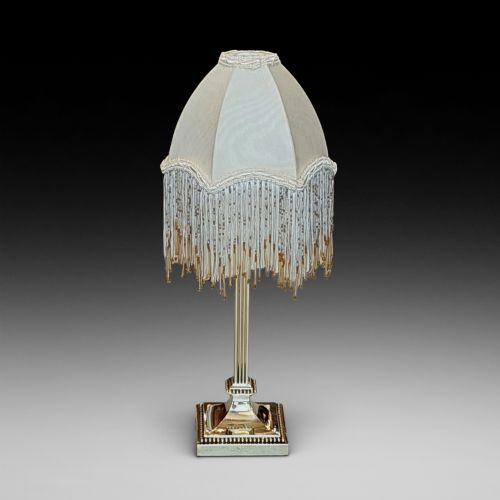
Secondary materials such as glass, fabric, parchment leather, and Bakelite integrate into shades, switches, and decorative accents, pairing industrial capability with refined domestic styling. Surface inscriptions, maker stamps, and applied mounts demonstrate meticulous attention to detail during assembly.
Listings span the Victorian era through the 1940s, encompassing materials like silver plate, brass, Bakelite, and chrome across table, desk, and floor formats.
What varies in quality
The distinction between ordinary and exceptional pieces rests on the integrity of the metal plating, the weight and balance of the structure, and the sophistication of any mechanical joints. Superior examples maintain crisp casting details on classical columns or precise geometric lines on modernist desk lamps without excessive wear to the underlying surfaces.
Design ambition and maker attribution elevate certain items above standard production models, particularly when incorporating functional innovations like adjustable swivel mechanisms, gimbal mounts, or stamped workshop provenance. The harmony between primary metal elements and secondary materials like Bakelite or parchment further distinguishes higher grade commissions.
Eileen Grey·Herbert Terry·Veritas Lamp Works·Pirouette
The Vintage Silver Reading Lamp Glossary
- Silver Plate
- A thin layer of silver bonded to a base metal core such as brass or copper. This technique allowed manufacturers to produce decorative tableware and lighting with the appearance of solid silver at a lower cost.
- EPNS
- Electroplated Nickel Silver, a common base metal alloy of copper, nickel, and zinc coated with silver using an electrolytic process. It provides a durable and uniform finish found on many twentieth-century domestic fixtures.
- Corinthian Column
- A classical architectural column form featuring an ornate capital decorated with acanthus leaves. This motif was frequently adapted by Victorian and Edwardian lamp makers for stately table lighting.
- Machine Age
- A design aesthetic from the interwar period celebrating industrial efficiency, clean lines, and modern materials like chrome and steel. Lamps from this era favour functional articulation and unadorned geometric forms.
- Gimbal
- A pivoted ring mounting that allows a lamp or compass to remain level despite the motion of a ship or vehicle. Such maritime fittings are built to withstand movement while directing light securely.
Vintage Silver Reading Lamp: Frequently Asked Questions
How do I date a metal reading lamp?
Dating relies on stylistic markers, manufacturing techniques, and any stamped maker marks or registration numbers found on the base. Art Deco and Machine Age pieces typically feature chrome and streamlined geometries, while Victorian and Edwardian examples often display classical columns or brass scrollwork.
Examination of switches, plugs, and internal wiring can also offer clues, though many older fixtures have been rewired for modern use. Comparing the construction methods to known production periods helps narrow down the decade of manufacture.
Can I adjust the height on these models?
Adjustment capability depends entirely on the specific form and mechanism of the individual lamp. Articulated desk lamps and certain floor standards feature swing arms, sliding stems, or flexible joints designed for directional lighting.
Other configurations, such as solid column table lamps or heavy candle lamps, remain fixed in height and rely on placement to achieve the desired illumination angle.
What is the difference between chrome and silver plate?
Chrome plating provides a hard, highly reflective blue-white industrial finish that resists tarnishing and corrosion very effectively. It is commonly associated with twentieth-century modernist and Machine Age designs.
Silver plate uses actual silver bonded to a base metal, offering a warmer, softer lustre that develops a natural patina over time. Regular gentle polishing is typically required to maintain the bright appearance of silver-plated surfaces.