





Edwardian Silver Table Light
These pieces, found under edwardian silver table light, bring period illumination to a room, ranging from column lamps to candelabras.
Edwardian Silver Table Light
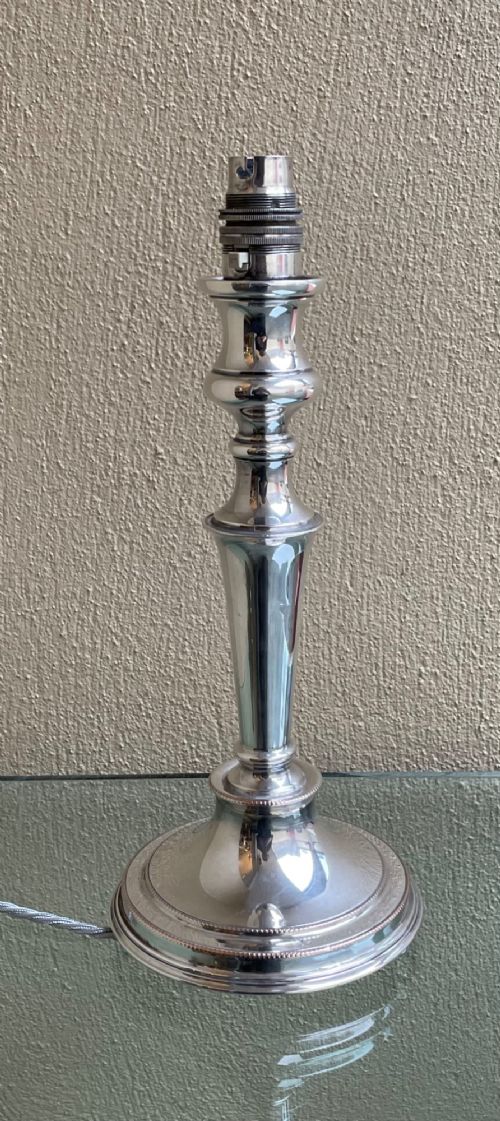
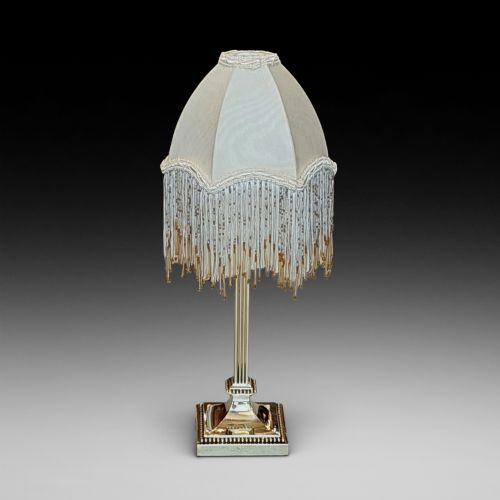
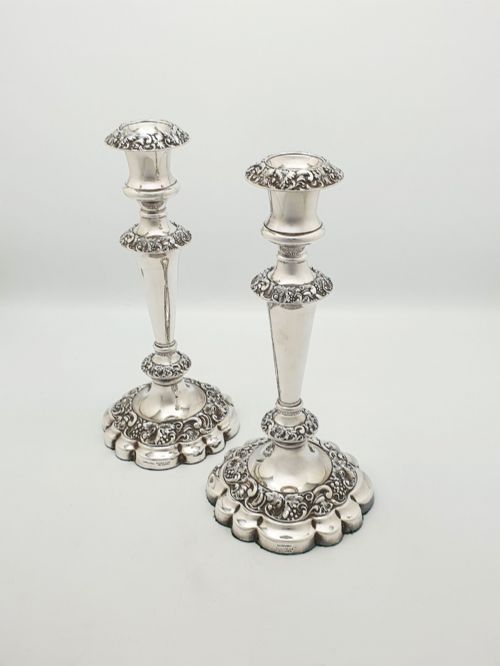
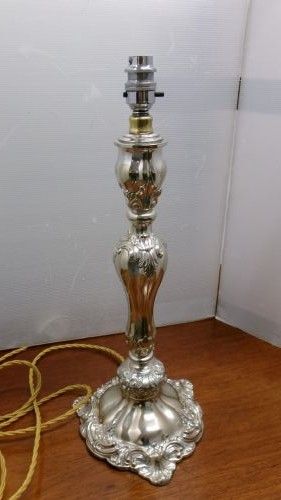
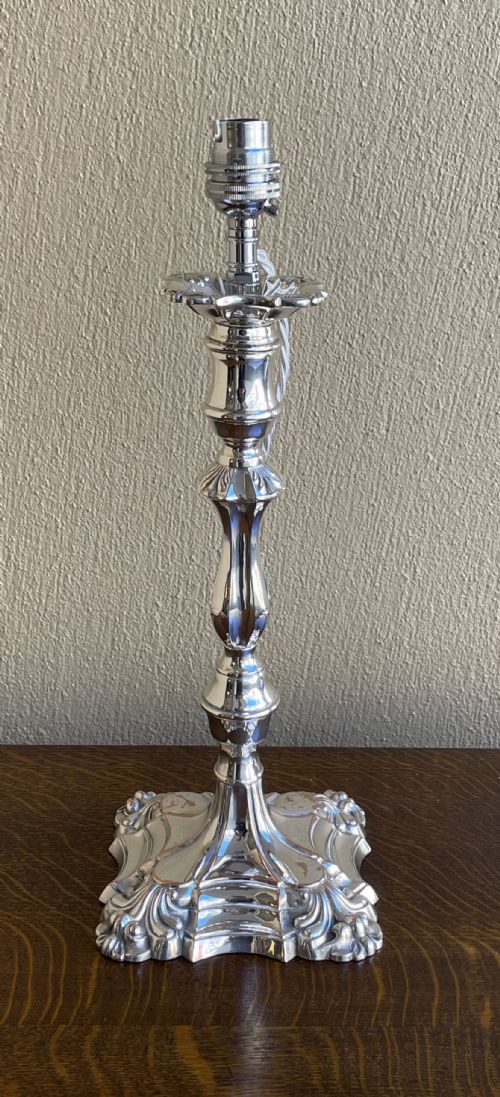
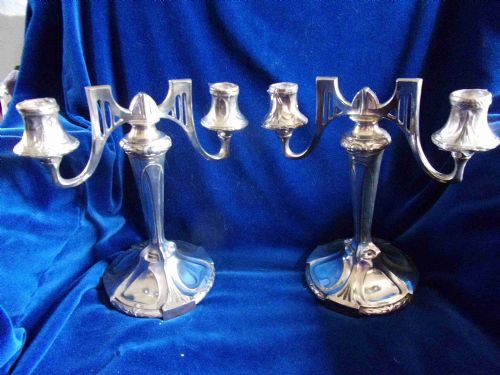
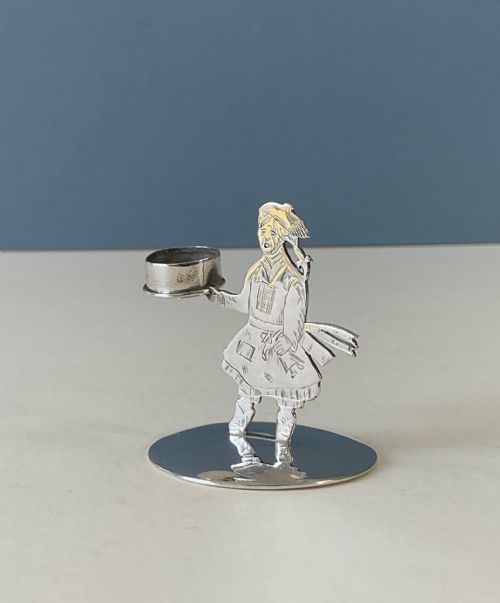
An edwardian silver table light encompasses a variety of antique illumination forms designed for desks, sideboards, and drawing rooms. The selection on this page centres primarily on silver plated and sterling silver table lamps, candlesticks, and multi-light candelabras.
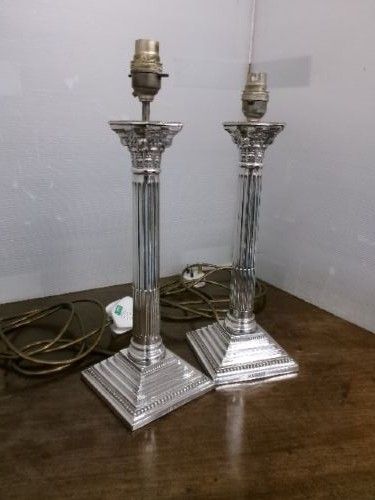
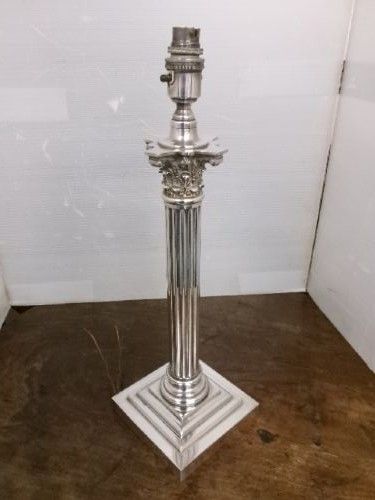
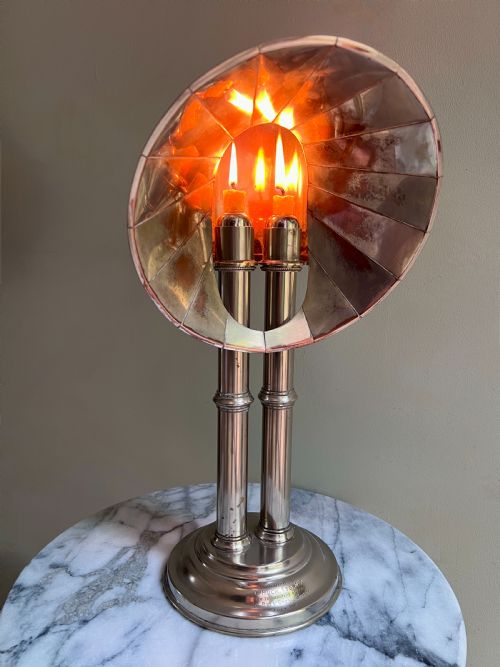
Most examples date from the Edwardian period and the early twentieth century, though earlier Victorian and later George V pieces also appear. Forms range from Corinthian column table lamps and ship's gimbal lights to chambersticks and reflector candle lamps.
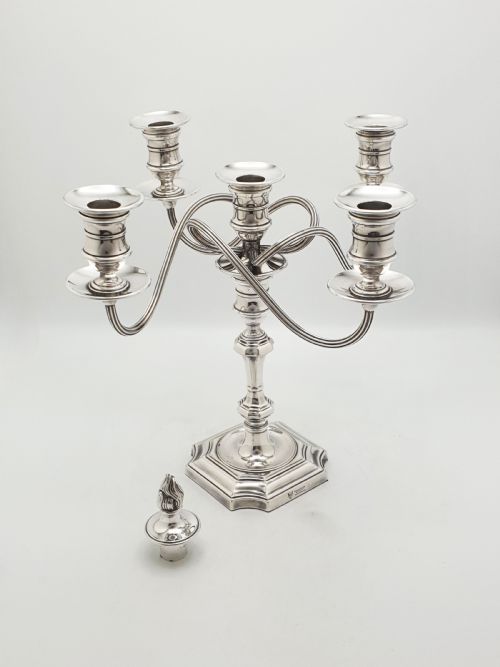
Makers and workshops of the era produced these fixtures in styles spanning traditional Edwardian Neoclassical Revival to Art Deco and Jugendstil designs. Buyers encounter everything from single heavy desk lamps to grand five-light candelabra suites.
How They Were Made
Manufacturers utilised silver plate, electroplated nickel silver, and sterling silver over firmer base metals like brass, metal, or iron to create these table lights. Silversmiths formed columns, bases, and candle sockets using traditional stamping, spinning, and casting methods.
Detailing often included classical architectural motifs such as fluted columns, acanthus leaf capitals, and stepped square bases. Many surviving electrical conversions integrate period materials like fabric shades, parchment leather, glass, and alabaster.
A taxidermy deer hoof table lamp stands ready to illuminate the most eccentric Edwardian smoking room.
What Varies in Quality
The distinction between standard production and top-tier pieces rests on the weight of the metal and the crispness of the chased or cast ornamentation. Heavier silver deposits on copper or brass bases and substantial sterling gauges indicate superior original manufacture.
Proportion and architectural correctness define the better Corinthian column lamps and candelabras on the market. Maker attribution to known firms adds considerable weight to an antique lighting piece.
Mappin & Webb·Walter Latham & Son·Thomas Bradbury & Sons Ltd·William Hutton & Sons·William Comyns
The Edwardian Silver Table Light Glossary
- Silver Plate
- A thin layer of silver bonded to a base metal such as copper or brass. This technique provided the appearance of solid silver at a lower production cost.
- Corinthian Column
- An architectural support column featuring ornate capital decoration adorned with acanthus leaves. This classical form heavily influenced Edwardian and Victorian candlestick design.
- Candelabra
- A multi-branched lighting fixture designed to hold several candles simultaneously. Edwardian versions frequently allowed conversion between single-light and multi-light configurations.
- Gimbal Lamp
- A lighting fixture suspended on a pivoting ring system designed to remain level on a moving surface. These were commonly utilised on ships during the Edwardian era.
- Chamberstick
- A short portable candlestick fitted with a wide drip pan and a loop handle. Historically used for carrying light through a residence at night.
Edwardian Silver Table Light: Frequently Asked Questions
How do I wire an antique lamp safely?
Many table lights require modern rewiring to meet current electrical standards while retaining their vintage metal components and sockets.
Professional electricians can thread modern flex through the historical column without damaging the original silver plate or structure.
Were these originally electric or candlelit?
The category includes both original candle-burning fixtures, such as candelabras and chambersticks, and early electric or oil conversions.
Many period lamps were adapted for electricity during the early twentieth century or converted by subsequent collectors.
How do I clean silver plated lamps?
Regular dusting with a soft cloth preserves the delicate plating on antique metalwork without wearing away the underlying silver layer.
Harsh chemical dips should be avoided to protect any weighted plaster interiors or vintage surface patination.
What is the difference between EPNS and sterling?
Sterling silver denotes a solid precious metal standard of high purity throughout the object's entire structure.
EPNS refers to electroplated nickel silver, where a silver coating is applied over a durable base metal alloy.