


Antique Electroplate Lamp
An antique electroplate lamp brings a warm, metallic glow to a room, cast in silver plate over base metals with classic column forms.
Antique Electroplate Lamp
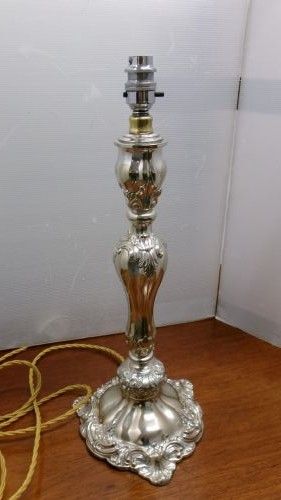
An antique electroplate lamp represents the Victorian and Edwardian domestic desire for silver aesthetics on a more accessible scale than solid metal. When you search for an antique electroplate lamp, you encounter table lamps ranging from the mid-nineteenth century through to the early twentieth century.
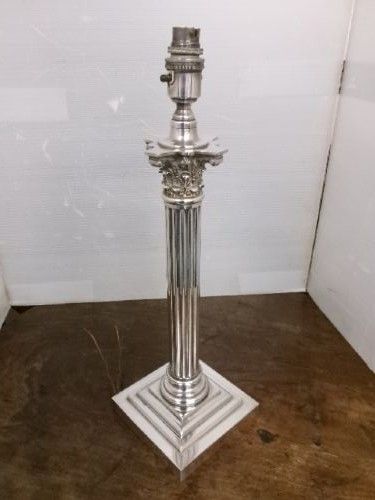
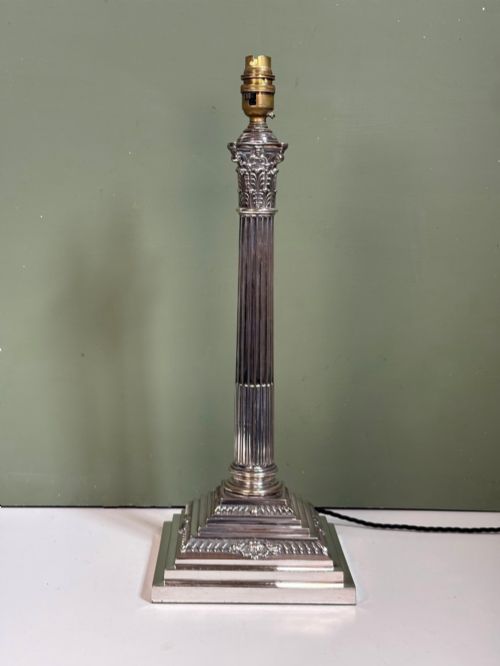
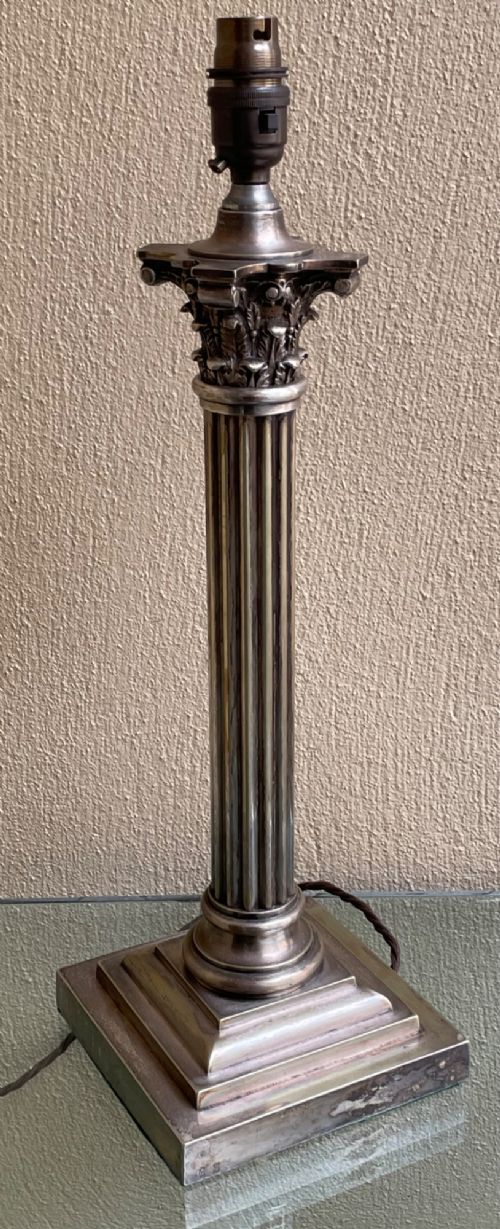
The most common form on this page is the Corinthian column table lamp, standing tall with classical fluting and detailed capitals. These pieces frequently pair silver plate or EPNS with brass, walnut, fabric, or cut glass to create substantial lighting for a desk or sideboard.
How they were made
Maker workshops utilised electroplating techniques to deposit a thin layer of silver onto a base metal or EPNS substrate, giving the visual weight of silver without the prohibitive cost. These surfaces were often applied over brass cores or substantial metal bodies to provide necessary stability for a tall standard.
Many examples incorporate secondary materials such as turned walnut bases or heavy cut glass reservoirs that catch the light. The columns were cast in sections, threaded together, and wired for modern use while retaining their period mounts and stamp marks.
Listings span from the mid-nineteenth century to the nineteen-twenties, incorporating Victorian and Edwardian Neoclassical styles.
What varies in quality
The distinction between ordinary and superior pieces rests on the crispness of the casting in the Corinthian capitals and the depth of the metal plating. A finer lamp displays sharp acanthus leaves on the capital and a heavy gauge of silver plate that resists wearing through to the base metal.
Makers who signed their work, such as Harrison Brothers & Howson or Palmer & Co, demonstrate an elevated standard of manufacture in the weight of the metal and the precision of the assembly. The integration of materials like cut glass or walnut alongside the silver plate also signals a higher tier of production.
Harrison Brothers & Howson·Palmer & Co
The Antique Electroplate Lamp Glossary
- Electroplate
- The process of depositing a layer of silver onto a base metal using an electrical current. This method became widespread in the nineteenth century to produce domestic silver wares.
- EPNS
- Electroplated nickel silver. A common base metal alloy used beneath silver plating on nineteenth and twentieth-century metalwork.
- Corinthian column
- A classical architectural order featuring an ornate capital decorated with acanthus leaves. Many nineteenth-century table lamps adopt this specific column design.
- Silver Plate
- A thin coating of silver bonded to a base metal object. It provides the appearance of solid silver at a lower weight and cost.
Antique Electroplate Lamp: Frequently Asked Questions
How do I identify an electroplate lamp?
Look for the appearance of silver over a base metal, sometimes revealing a yellowish brass tone where wear occurs. Maker marks or stamps on the base often indicate electroplated nickel silver or standard silver plate.
Many period examples take the form of classical columns with detailed capitals and heavy weighted bases designed for stability.
What periods do these lamps come from?
The pieces available span from the mid-nineteenth century through the Edwardian era and into the nineteen-twenties. Victorian examples frequently feature elaborate Corinthian column designs and substantial metal weight.
Later pieces from around nineteen-ten combine silver plate with cut glass reservoirs or walnut bases, reflecting changing domestic tastes.
Were these lamps originally electric?
Most nineteenth-century table lamps were initially designed for oil or paraffin before being converted to electricity during the twentieth century. This conversion process often involved adapting the original burner mechanisms to house modern lamp holders and flex.
Despite electrification, the structural columns and metal reservoirs retain their original period construction and decorative patination.
How do I clean silver plated lamps?
Use a soft cloth and a gentle metal cleaner formulated specifically for silver plate to preserve the thin metallic coating. Avoid abrasive cloths or harsh chemical dips that can strip the plating away from the base metal.
Regular light dusting helps maintain the surface without disturbing the character built up over the Victorian and Edwardian periods.