


Silk Shade Table Lamps
Silk shade table lamps combine tactile textiles with period bases to cast a warm, diffused glow.
Silk Shade Table Lamps
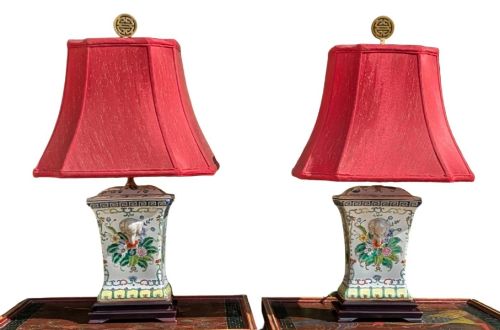
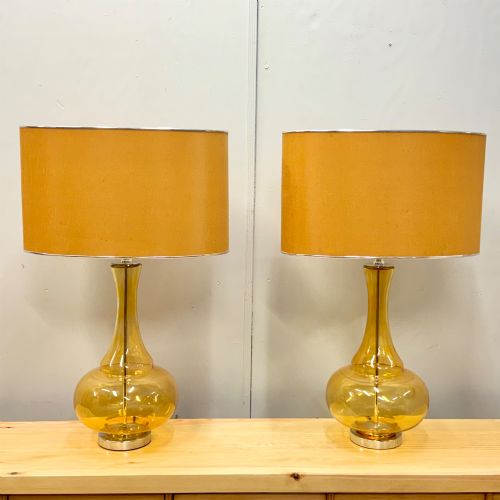
When you search for silk shade table lamps, you encounter a diverse mix of converted antique vessels and purpose-built electrical light fittings. The selection includes paired items and individual statement pieces drawn from various decorative traditions.
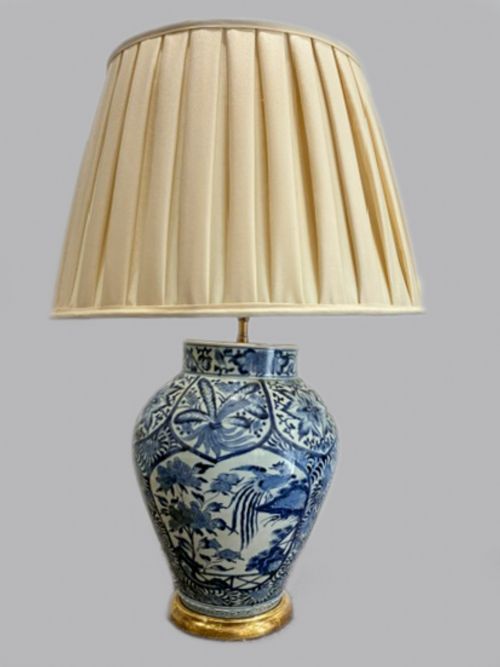
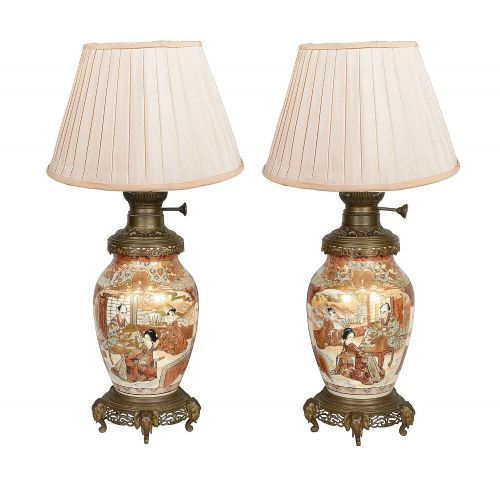
The bases span significant chronological range, featuring 17th-century Japanese vases, 19th-century Meissen porcelain, and Victorian oil lamps alongside later metal columns. These varied bodies are united by their textile shades, creating an intersection of historical craftsmanship and domestic lighting.
How they were made
Makers utilised rigid framing wrapped in silk or fabric to construct the shades, often pairing them with substantial rigid bases formed from brass, porcelain, silver plate, or amber glass. Many older ceramic and bronze bodies began life as vases or oil lamps before undergoing conversion for electrical use.
Metal components display techniques such as cold painting, pressed brass work, and ormolu casting. Ceramic examples incorporate intricate hand-painting, flambe glazes, and pierced detailing.
Periods represented reach from the 17th century through the Victorian era to the mid-century modern period.
What varies in quality
Quality rests in the proportional harmony between the shade and the base, alongside the material integrity of the body itself. Hand-painted ceramic elements and crisply cast metalwork distinguish superior examples from standard production.
The authenticity and execution of the conversion process also influence the overall standard. Original period bases retain a stronger historical character than later reproductions.
The Silk Shade Table Lamps Glossary
- Corinthian column
- A classical architectural order featuring an ornate capital decorated with acanthus leaves, frequently utilised in silver plate and brass lamp forms.
- Cold painted bronze
- A method where bronze figures are painted with natural cold paint rather than fired in a kiln, common in Victorian decorative objects.
- Ormolu
- Gilded bronze ornamentation applied to furniture and decorative objects, providing a bright golden finish.
- Flambe glaze
- A rich, streaked ceramic glaze developed through high-temperature kiln firings, seen on Chinese porcelain bases.
- Satsuma
- Japanese earthenware pottery characterised by a ivory craquelure glaze and polychrome enamel decoration.
Silk Shade Table Lamps: Frequently Asked Questions
How do I date an antique lamp base?
Dating relies on examining the materials, potting techniques, and decorative styles characteristic of specific periods, such as the distinct glazes of Meissen or Japanese Meiji pieces.
Electrical wiring is typically modern and added during conversion, so focus your dating efforts entirely on the underlying vase, bronze, or column.
Were these lamps originally electrified?
Many period examples started life as oil lamps, vases, or decorative vessels before being adapted for electricity in later decades.
This conversion process preserves historical objects by giving them a practical modern function in the home.
Can I replace the silk shade easily?
Shades can be swapped, but finding a proportion that complements the historical scale and weight of the antique base requires careful measurement.
Handmade silk shades mirror the traditional craftsmanship found on archive pieces.
How do I style these lamps in a room?
Pair them on sideboards or mantelpieces to create symmetrical lighting using the matched pairs frequently found in the selection.
The textured fabric diffuses light softly, making them suited for living spaces and studies.