



Vintage Silver Plated Serveware
Vintage silver plated serveware brings nineteenth and twentieth-century dining tables to life with practical dishes, baskets and servers.
Vintage Silver Plated Serveware
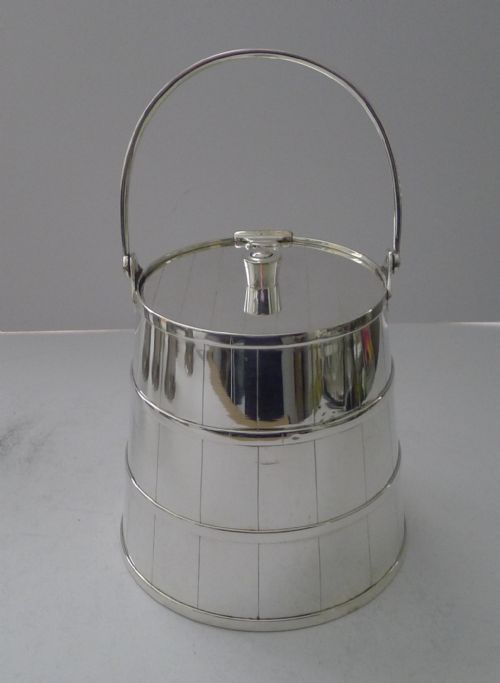
Vintage silver plated serveware encompasses functional dining table pieces created from base metals coated in silver, spanning periods from the mid-nineteenth century through the mid-twentieth century. Buyers seeking vintage silver plated serveware encounter practical forms designed for specific culinary tasks, including toast racks, biscuit barrels, gravy boats, entree dishes and cake stands.
The objects originate from varied design traditions, featuring Victorian, Edwardian, Art Nouveau, Art Deco and French mid-century aesthetics alongside Georgian and eighteenth-century revivals. English traditional workshops and continental makers both contributed significantly to the selection available on the market.
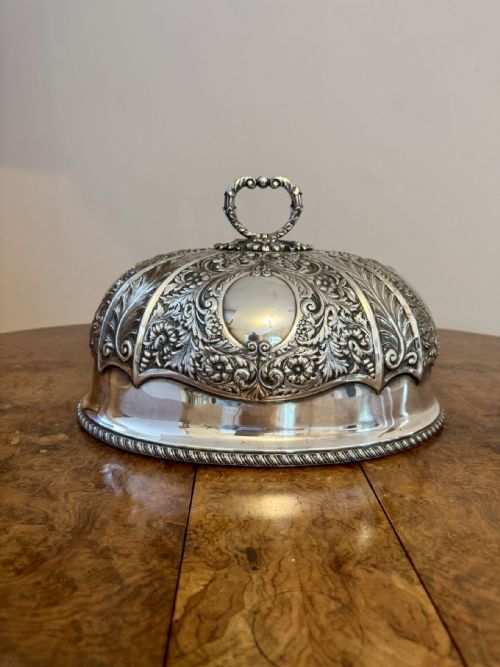
Entree dishes, toast racks and serving trays dominate the selection, often bearing the marks of prominent silversmiths or electroplating firms. Each piece reflects the dining habits of its era, from formal Victorian meat covers to elaborate Edwardian cake baskets and structured Art Deco serving dishes.
Materials and methods of construction
Makers utilised base metals such as nickel silver and electroplated nickel silver, known as EPNS, as the foundational structure for these serving pieces. A layer of silver was then applied via electroplating or older plating techniques to provide a durable reflective surface.
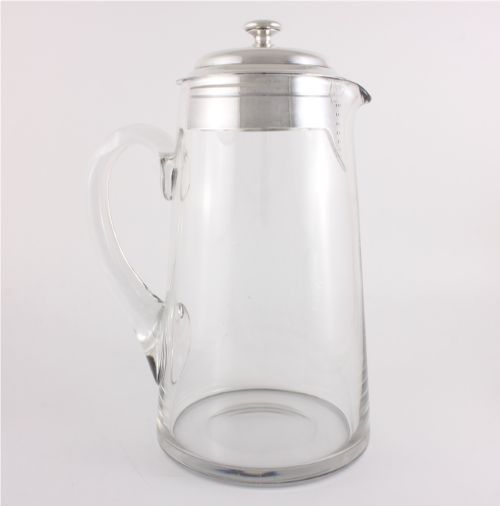
Combinations of silver plate with glass, polished oak and wood appear frequently in items like salad bowls, water jugs and cheese dishes. Structural mounts, handles and decorative borders were often cast separately and soldered or riveted to the main body of the vessel.
Vintage Silver Plated Serveware Retail Price Guide 2026
Typical asking prices for vintage silver plated serveware among the pieces listed under this phrase on Sellingantiques today, from the lower quarter to the upper quarter. They describe what is for sale here now, not the wider market.
Distinctions in standard and execution
Subtleties in metal thickness and the durability of the electroplated layer determine the longevity and resilience of individual serving pieces. Heavier gauge base metals prevent flexing and distortion during daily use, separating robust utility items from thinner decorative pieces.
The crispness of cast borders, handles and feet indicates the level of craftsmanship invested in the object during production. Pieces from established makers often display superior chasing, balanced proportions and secure joints compared to anonymous factory productions.
Christofle·Mappin and Webb·Walker and Hall·Roberts and Belk·Padley Parkin and Staniforth
The Vintage Silver Plated Serveware Glossary
- EPNS
- Electroplated nickel silver. This designates a base alloy of copper, nickel and zinc coated with a layer of pure silver through electrolysis.
- Entree dish
- A covered serving vessel designed to hold main course portions at the dining table. These typically feature removable handles for versatile arrangement.
- Tazza
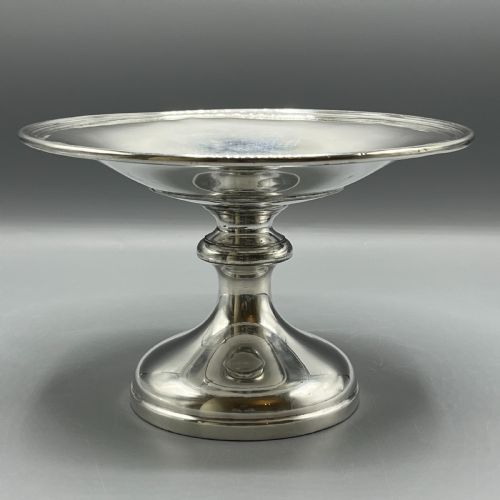
- An ornamental pedestal plate or shallow bowl raised on a foot. Makers produced these for displaying fruit, cakes or small pastries.
- Argyll
- A heated gravy warmer featuring an internal cylindrical core designed to hold boiling water. This mechanism kept sauces warm throughout lengthy meals.
- Toast rack
- A small table accessory fitted with vertical metal divisions to hold slices of toast upright. Designs range from simple wire frames to novelty Victorian configurations.
Vintage Silver Plated Serveware: Frequently Asked Questions
How do I clean silver plated serveware?
Wash pieces gently in warm soapy water using a soft cloth to avoid scratching the delicate silver surface. Regular maintenance with a dedicated silver cream preserves the shine without stripping the plating.
Avoid abrasive scouring pads and harsh chemical dips that damage the electroplated layer over time. Dry items thoroughly with a lint-free cloth after washing to prevent water spotting.
Can I use these items for daily dining?
Many serving dishes, baskets and water jugs remain entirely functional for modern meals and entertaining. Robust construction in nickel silver allows everyday use with proper care.
Acidic foods like vinegar or citrus should not remain on silver plate for extended periods to prevent surface tarnishing. Hand washing preserves the finish far better than mechanical dishwashers.
What does EPNS mean on a mark?
EPNS stands for electroplated nickel silver, indicating the primary metal composition beneath the silver coating. This standard became widespread during the Victorian era for durable tableware.
Items bearing this mark utilise a sturdy alloy base designed to withstand regular handling. The stamp reassures buyers of the manufacturing technique employed by the silversmith.