

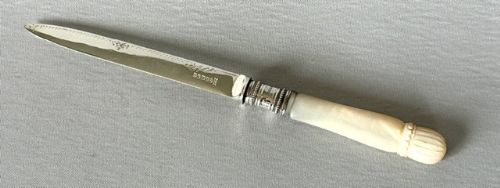

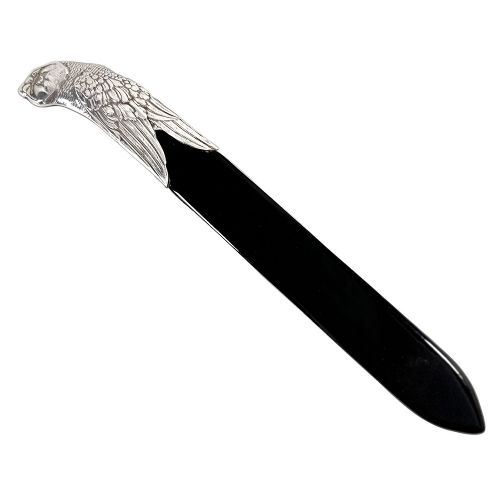


Vintage Silver Page Turner
These vintage silver page turner pieces are delightful desk accessories and letter openers that bring tactile elegance to reading.
Vintage Silver Page Turner
When you search for a vintage silver page turner, you are looking at practical desk accessories and letter openers designed for reading and correspondence. The pieces meeting this description range from Victorian and Edwardian examples to later Arts and Crafts and Art Deco designs.
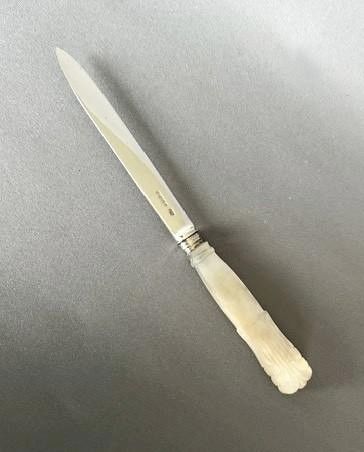
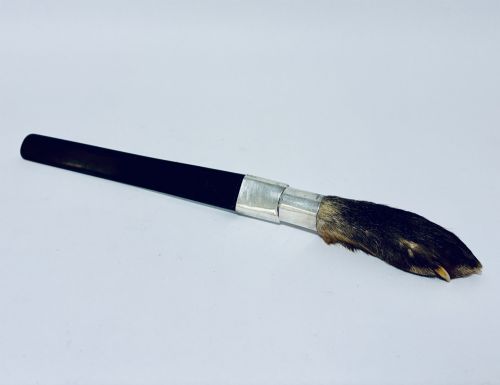
The version you are most likely to meet on this page combines a sterling silver handle or mount with a blade formed from tortoiseshell, mother-of-pearl, horn, or celluloid. Some items double as letter openers or paper knives, while others take specific decorative forms like owls, greyhounds, and pheasants.
How they were made
Makers formed these items using sterling silver for the mounts, handles, and blades, often combining the metal with organic materials such as tortoiseshell, horn, and mother-of-pearl. Skilled artisans secured the silver mounts to natural blades using pins or adhesives, ensuring a stable join for daily use.
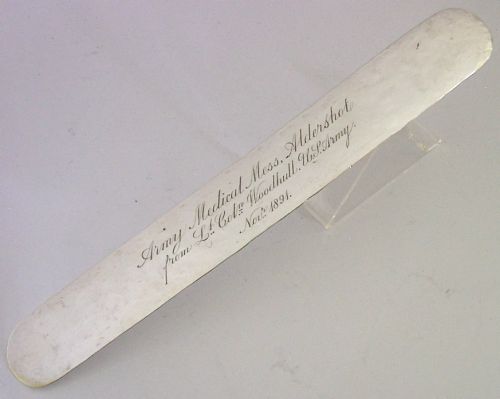
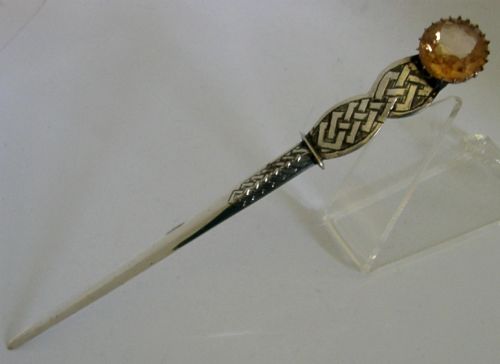
Engraving, carving, and provincial Scottish craftsmanship appear across the selection, alongside inlaid white metal and carved wood details. Certain pieces incorporate decorative gemstones like citrine or Connemara marble into the silver handle design.
Vintage Silver Page Turner Retail Price Guide 2026
Typical asking prices for vintage silver page turner among the pieces listed under this phrase on Sellingantiques today, from the lower quarter to the upper quarter. They describe what is for sale here now, not the wider market.
Listings feature periods spanning the nineteenth century through to the mid-twentieth century, including Victorian, Edwardian, and Art Deco eras.
What varies in quality
The distinction between standard items and superior examples rests upon the harmony of the materials and the intricacy of the metalwork. Hand-carved details on mother-of-pearl and tortoiseshell elevate a piece beyond plain manufactured alternatives.
The weight and purity of the sterling silver mount, alongside the integration of decorative elements like animal figures or provincial hallmarks, define the upper tier of the range.
The Vintage Silver Page Turner Glossary
- Page turner
- An accessory with a flat, blunt blade designed for separating uncut pages in bound books without damaging the paper.
- Letter opener
- A bladed hand tool used for slicing open envelopes and folded correspondence.
- Sterling silver
- An alloy of silver containing substantial pure silver combined with other metals to ensure durability in decorative objects.
- Tortoiseshell
- The mottled shell of certain marine turtles utilised for decorative handles and blades on antique desk accessories.
Vintage Silver Page Turner: Frequently Asked Questions
What is a vintage silver page turner?
A vintage silver page turner is a desk accessory featuring a silver handle paired with a wide, flat blade made of horn, shell, or silver itself. These items were originally used to cut and turn the pages of bound books.
Today, they survive as decorative and functional desk items, often doubling as letter openers for modern correspondence.
How do I care for tortoiseshell and silver?
Tortoiseshell requires gentle treatment to avoid drying out or cracking over time. Keep these pieces away from direct sunlight and extreme heat.
Polish the sterling silver mount carefully with a soft cloth while avoiding abrasive cleaners that might scratch the delicate organic blade.
Can I use an antique letter opener daily?
These pieces are robust enough for opening envelopes and handling standard paperwork when treated with reasonable care. Mother-of-pearl and tortoiseshell blades can be brittle, so avoid excessive bending.
Gentle daily use adds to the pleasure of owning a historical desk accessory.
How are different periods identified?
Periods are identified through hallmarks stamped on the silver components, stylistic traits such as Art Deco geometric lines, or Arts and Crafts hand-crafting techniques. Material choices also provide clues to the era of manufacture.
Consulting the specific design details helps place an item within Victorian, Edwardian, or mid-century timelines.