



Vintage Silver Mustard
Vintage silver mustard pots and sets bring polished metal, clear glass and period character directly to the dining table.
Vintage Silver Mustard
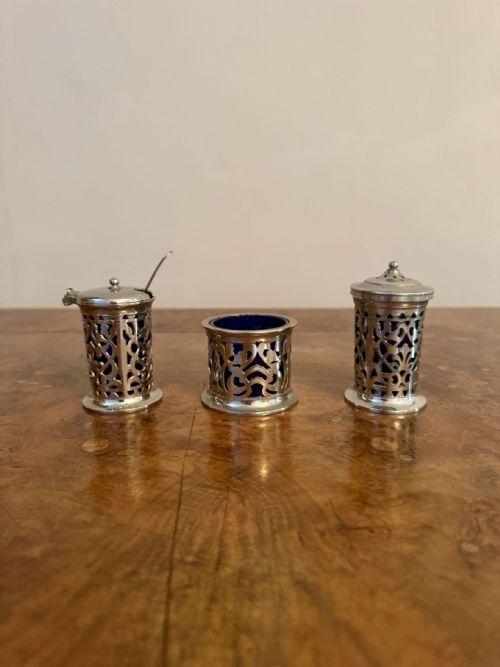
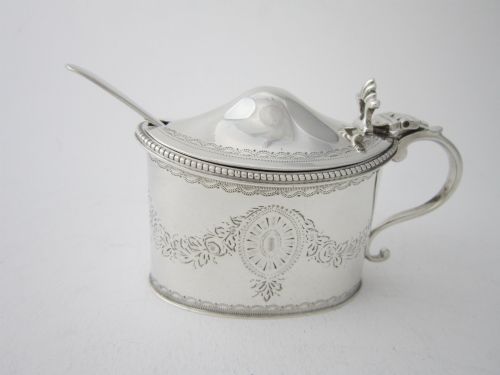
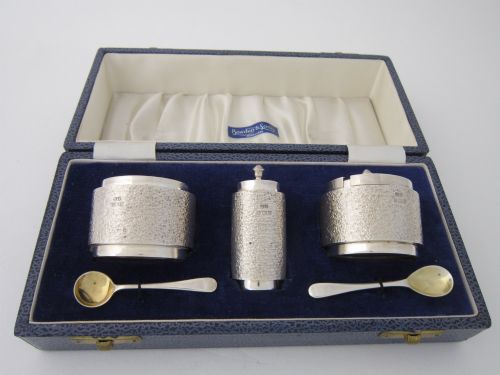
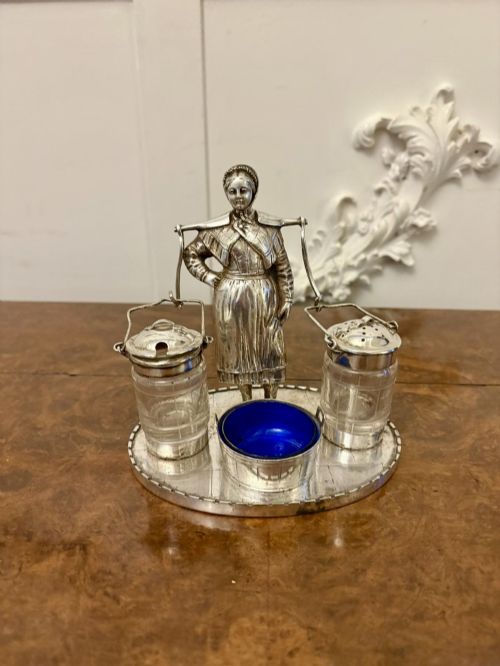
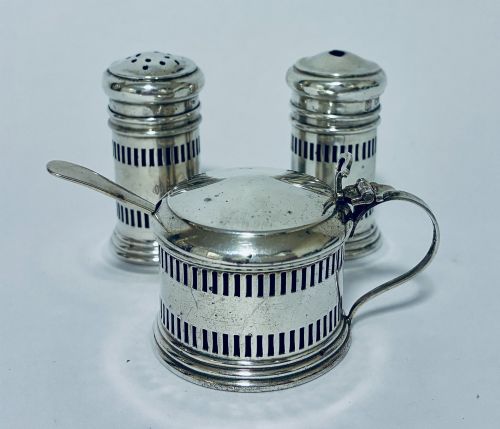
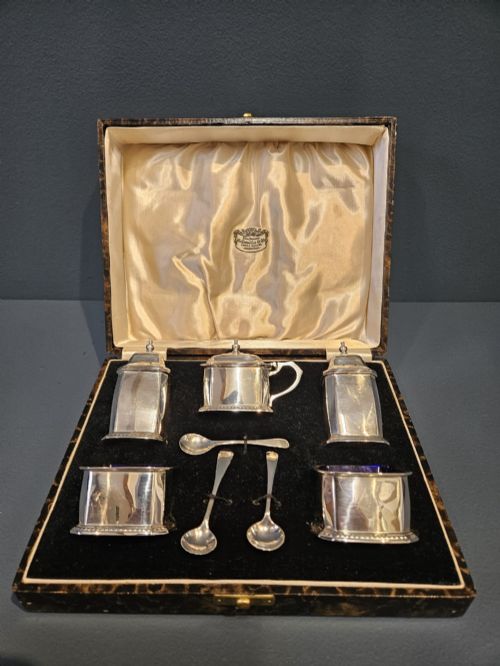
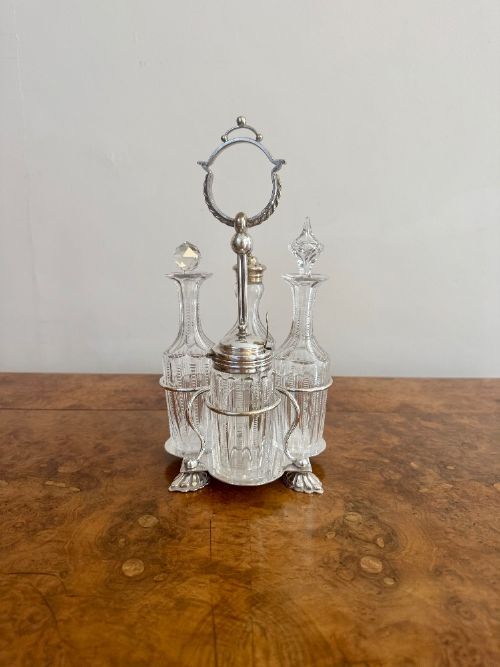
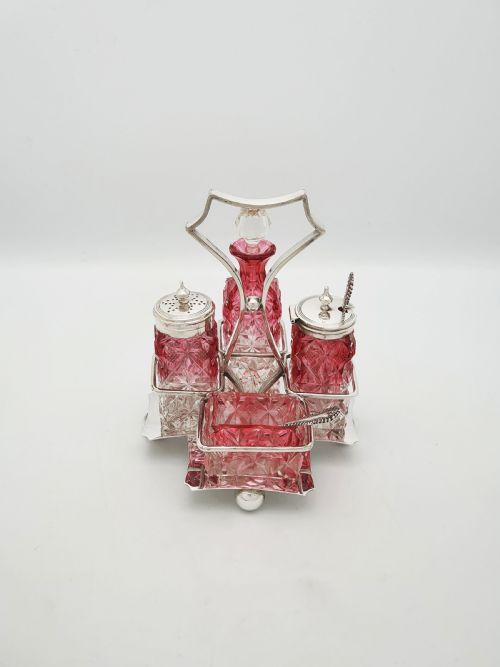
When searching for vintage silver mustard items, buyers encounter a range of table wares spanning from Georgian cruet sets to Edwardian silver plated stands and mid-century modern condiment pots. The most common form on this page is the individual mustard pot, often accompanied by a fitted glass liner and a matching spoon, though multi-piece cruet sets also appear regularly.
These items originate from various periods including Victorian novelty designs, George V silver services and Ottoman works. Many pieces function as part of larger condiment sets alongside salt cellars and pepper casters, whilst others stand alone as dedicated table vessels.
How they were made
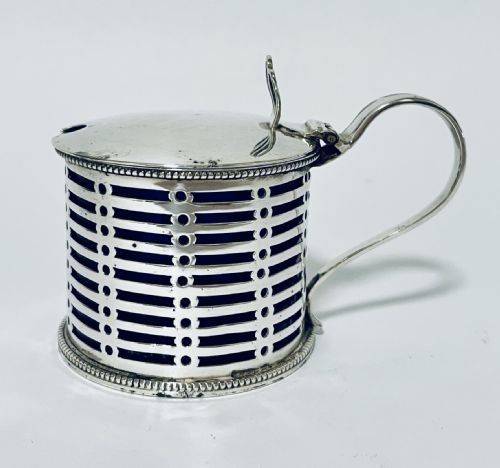
The construction of these pieces relies primarily on sterling silver and silver plate, shaped into pots, frames and stands by period silversmiths and manufacturers. Many vessels incorporate transparent elements, utilising cut glass, blue glass liners or cranberry flashed glass to hold the condiment securely.
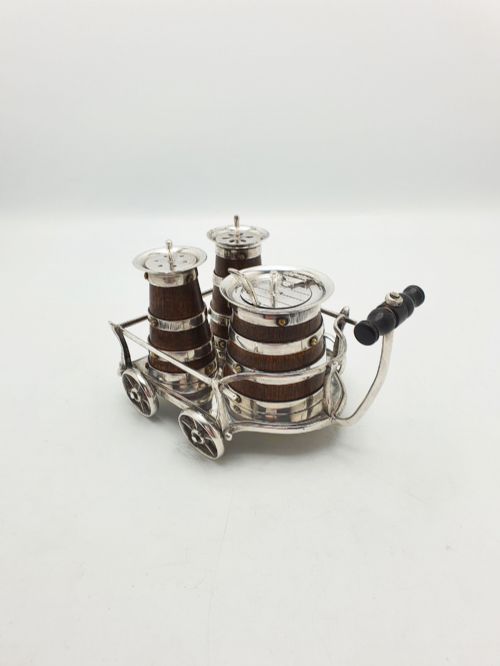
Additional tactile variety comes from organic materials and textiles found in fitted boxes or stands, including oak wood barrels, velvet, satin and silk linings.
Vintage Silver Mustard Retail Price Guide 2026
Typical asking prices for vintage silver mustard among the pieces listed under this phrase on Sellingantiques today, from the lower quarter to the upper quarter. They describe what is for sale here now, not the wider market.
Listings feature sterling silver and silver plate items combined with cut glass, blue glass, and oak wood from Georgian, Victorian, and Edwardian periods.
What varies in quality
Quality in these items rests upon the weight of the silver, the clarity of the glass liner and the precision of the maker's marks or hallmarks. Pieces with heavy gauge sterling silver and intact, original coloured glass show a higher standard of manufacture than lighter plated alternatives.
Design complexity also divides the selection, separating simple utilitarian pots from intricate novelty forms such as pagodas, carriages or animal shapes like owls.
Bricks & Sons·William Neale & Son·Wilmot Manufacturing Co·Walker & Hall·Viners·Mappin & Webb·Elkington and Company
The Vintage Silver Mustard Glossary
- Cruet set
- A collection of small bottles or jars for holding condiments like mustard, oil, vinegar, salt and pepper upon a shared stand. These sets often sit within fitted silver plated frames.
- Blue glass liner
- A removable insert placed inside an openwork silver mustard pot to protect the metal from vinegar and mustard corrosion. They provide a striking visual contrast against polished sterling silver.
- Hallmark
- A series of official stamps applied to precious metals indicating the standard of silver, the assay office, the maker and the year of manufacture. English silver frequently bears these marks for identification.
- Cranberry flashed glass
- Glass coated with a thin layer of red gold glass before being cut or engraved to reveal the clear glass beneath. This technique appears on Edwardian cruet components.
- Silver plate
- A base metal such as copper or nickel silver coated with a thin layer of pure silver through electroplating or older techniques. It provided an accessible alternative to solid sterling silver.
Vintage Silver Mustard: Frequently Asked Questions
What is a silver mustard pot used for?
These small vessels serve to hold and present prepared mustard on the dining table during meals. They usually include a small spoon for serving.
Historically, they formed part of a larger dining service alongside salt cellars and pepper pots.
How do I clean a silver mustard pot?
Polishing sterling silver requires a soft cloth and a specialised silver cleaner to remove tarnish without scratching the metal surface. Care must be taken around engraved details and hallmarks.
Glass liners can be removed and washed separately in warm soapy water.
Why do some mustard pots have glass liners?
Mustard contains vinegar and other acidic ingredients that can stain and corrode silver over extended periods of contact. The glass insert protects the interior walls of the metal pot from chemical reactions.
These liners lift out easily for washing after use.
How can I tell the age of a silver piece?
English silver items often carry hallmarks that include a date letter indicating the exact year the piece was tested and marked at an assay office. Stylistic clues, such as Art Deco geometric lines or Victorian novelty shapes, also point to specific eras.
Reference guides help match date letters to particular decades.