
Vintage Silver Link Chain
A vintage silver link chain offers tactile heft and historic detail, moving effortlessly from Victorian pocket watch albert to mid-century modernist necklace.
Vintage Silver Link Chain
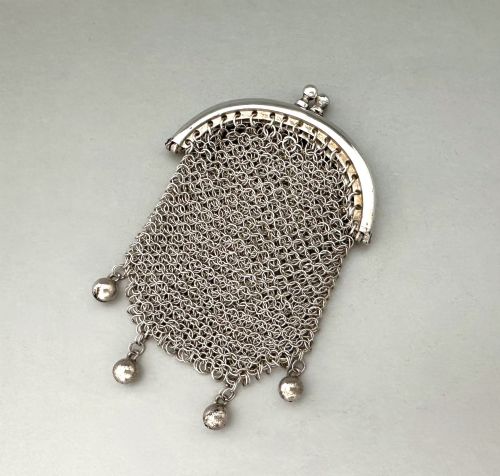
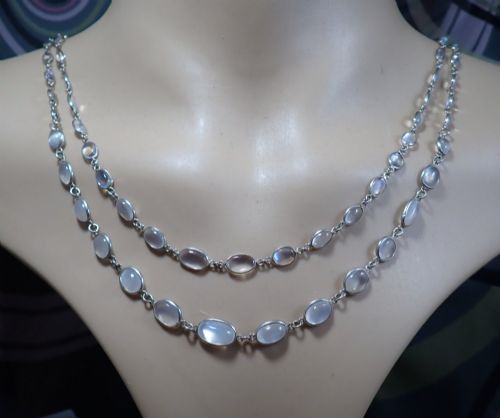
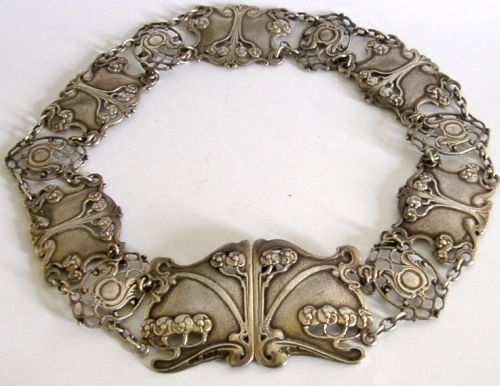
When you search for a vintage silver link chain, you encounter a diverse range of objects spanning the late nineteenth century through to the mid-twentieth century. The selection includes substantial pocket watch albert chains, often adapted as necklaces, alongside dedicated necklaces, bracelets, and cocktail purses. Many pieces date from the Edwardian and Art Deco periods, showcasing distinct stylistic shifts from ornate floral motifs to geometric lines.
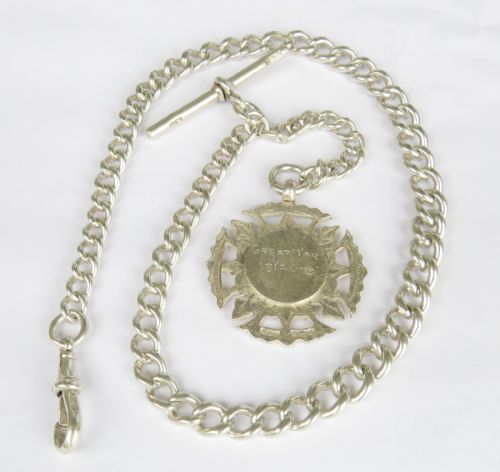
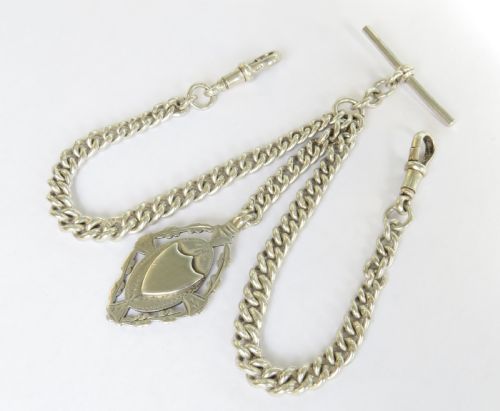
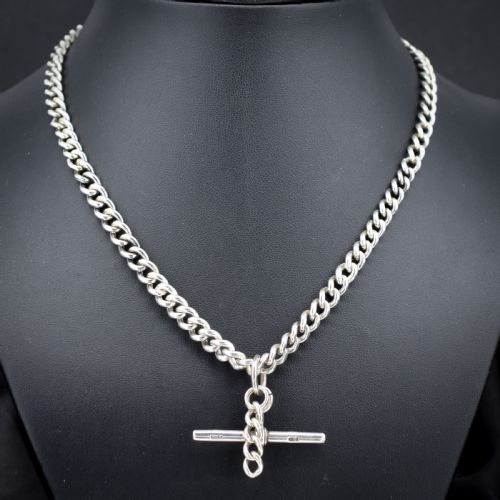
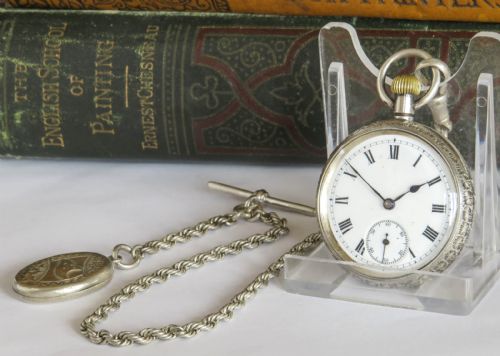
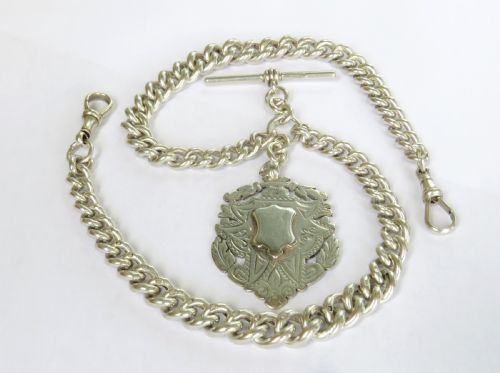
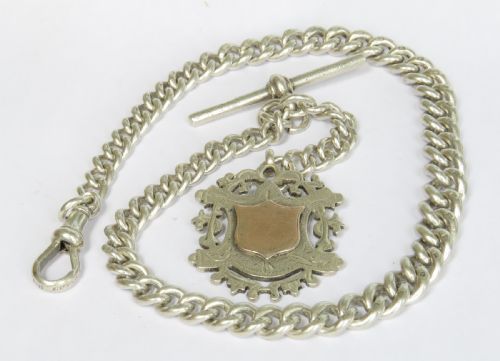
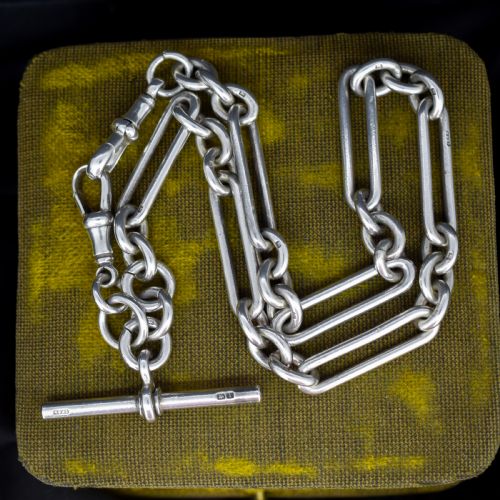
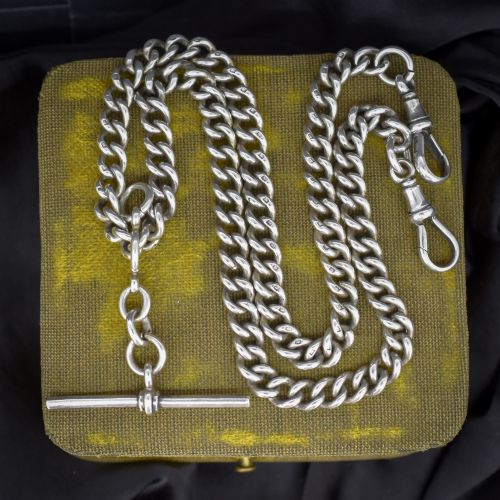
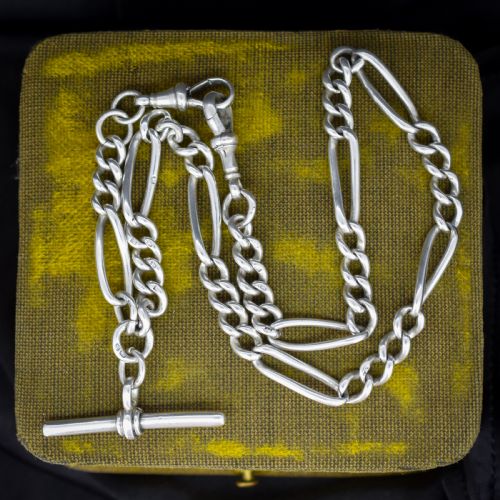
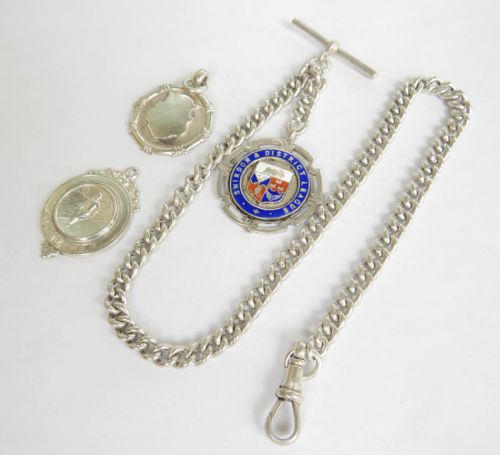
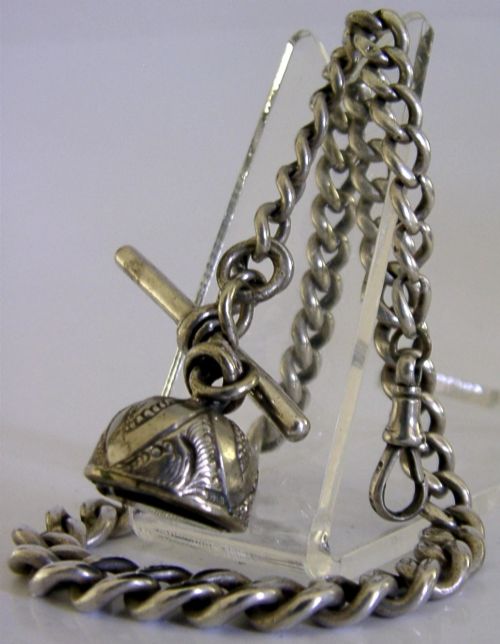
Pocket watch chains and albert chains dominate the early selections, frequently retaining original elements like T-bars, dog clips, and fob seals. These utilitarian items are now primarily worn as necklaces or wrapped bracelets. Alongside them, you find delicate enamel work, curb link collars, and panel link bracelets originating from English, Continental, and German makers.
Materials and construction
The primary material across the listings is sterling silver, frequently paired with contrasting metals like rose gold accents, niello inlay, or vitreous enamel. Smiths and silversmiths utilised traditional techniques such as stamping, piercing, and hand-assembly to create various link structures including curb, trombone, and fancy patterns. Components like dog clips and spring rings were engineered for daily utility and security.
Specialised items incorporate non-metal elements, integrating moonstone, glass, onyx, and coral into the metalwork. Chain mail purses demonstrate meticulous ring-linking methods, while engraved fobs and sliding lockets display precise hand-chased detailing from periods including the Arts and Crafts and Art Nouveau movements.
Listings feature items spanning the 19th Century through to the 1960s, encompassing Victorian, Edwardian, Art Deco, and Mid-Century Modernist styles.
Distinctions in standard
Quality in these pieces rests upon the integrity of the individual links, the crispness of the chased or pierced decoration, and the survival of original components such as dognosed clips and T-bars. Substantial weight and solid gauge metal separate robust daily pieces from lighter decorative items. Maker marks and clear hallmarks provide definitive evidence of origin and silver purity.
Artisanal execution distinguishes standard production from finer examples, particularly where enamel is applied or niello work creates contrasting patterns. The seamless integration of clasp mechanisms and the retention of matched components across an entire chain length indicate superior original manufacture.
Robert Cawley·Tavannes·Horos·Tellus
The Vintage Silver Link Chain Glossary
- Albert chain
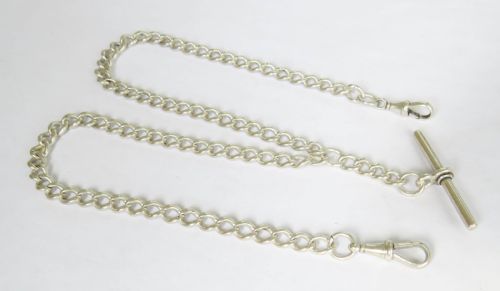
- A short chain designed to secure a pocket watch to a waistcoat buttonhole. These pieces often feature a T-bar at one end and a dog clip at the other.
- Dog clip
- A spring-loaded swivel clasp resembling a hound leash clip, commonly used on watch chains and bracelets to secure fobs or pendants.
- T-bar
- A short transverse bar attached to the centre of an albert chain, slipped through a buttonhole to anchor the watch.
- Niello
- A black metallic alloy of sulphur, silver, lead, and copper used as an inlay on engraved metal surfaces to highlight geometric or pictorial designs.
- Trombone link
- A watch chain link pattern featuring alternating long rectangular bars and small circular links, reminiscent of musical instrument proportions.
Vintage Silver Link Chain: Frequently Asked Questions
How do I wear a pocket watch chain as a necklace?
Many double and single albert chains feature secure dog clips and T-bars that allow them to be wrapped around the neck or fastened to form shorter collars. You can position the T-bar as a decorative pendant drop at the front.
Ensure the weight of any attached fobs or seals sits comfortably against the collarbone, or remove them if you prefer a streamlined metallic drape.
What is the difference between curb and fancy links?
Curb links consist of uniformly flattened, interlocking links that lie flat against the skin, offering a smooth and substantial feel. They are built for everyday strength and structural uniformity.
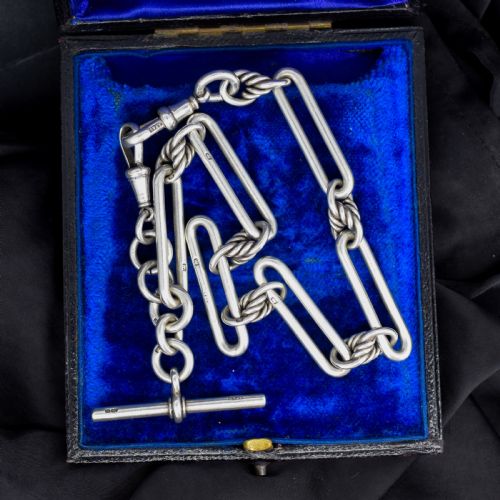
Fancy links incorporate varied geometric shapes, twisted wire, or love knots within the design, prioritising visual intricacy and ornamental variety over simple utility.
How can I tell the period of a silver chain?
Dating relies heavily on hallmarks, assay office stamps, and stylistic cues unique to eras like Art Deco, Edwardian, or Victorian manufacturing. Structural markers such as hollow versus solid links and the style of the clasp also indicate the decade of production.
Examine any attached fobs or dated medals, as these often bear precise year stamps that correspond to the manufacture of the main chain.
Are these chains made of solid silver?
The listings predominantly feature solid sterling silver, frequently marked with standard British lion passant indicators or continental purity numerals. Some pieces incorporate mixed metals, such as rose gold highlights on silver links.
Check the descriptions for specific metal classifications and hallmark evidence to confirm the exact composition of each individual item.