



Vintage Silver Dressing Mirror
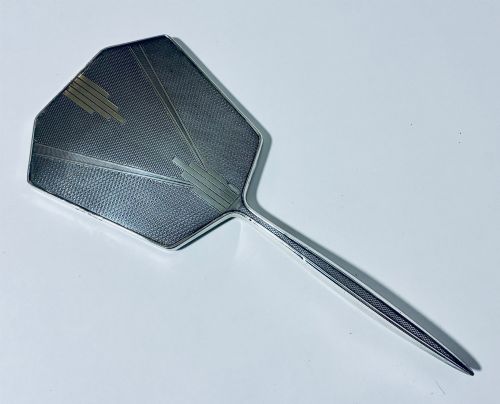
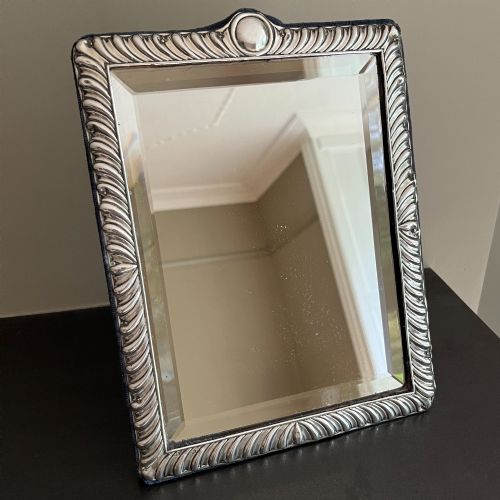
A vintage silver dressing mirror brings a polished reflection to the dressing table, spanning styles from Victorian and Edwardian to Art Deco.
Vintage Silver Dressing Mirror
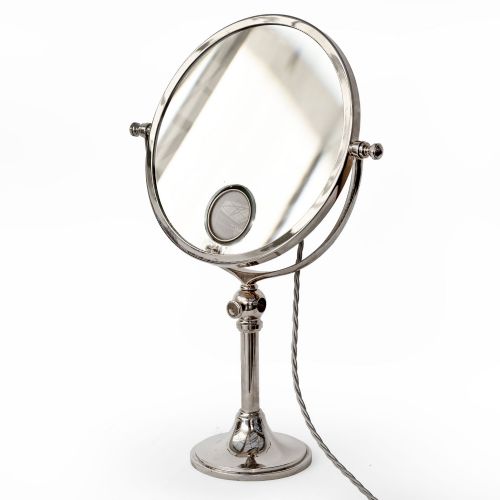
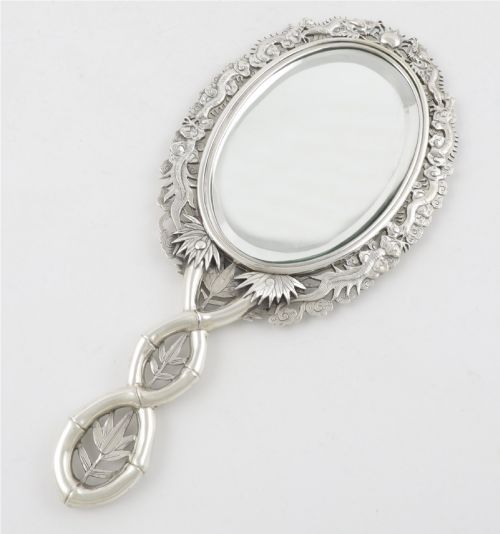
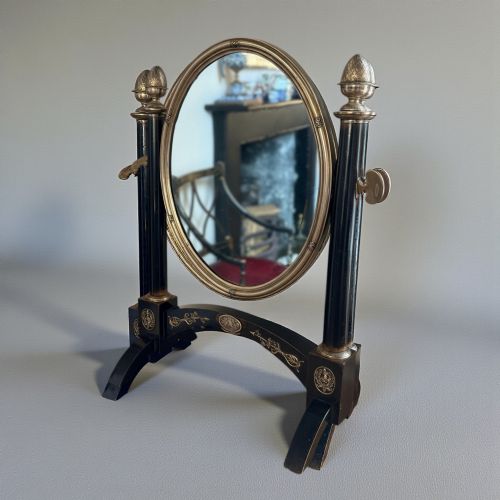
A vintage silver dressing mirror brings together functional glass and precious metal to sit upon a dressing table or vanity surface. These pieces range from small handheld items designed for personal use to substantial tabletop and easel-backed examples.
The selection here encompasses several distinct eras, drawing on Victorian, Edwardian, and Art Deco aesthetics alongside Arts and Crafts and mid-century designs. You will encounter sterling silver, silver plate, and silvered wood among the various forms.
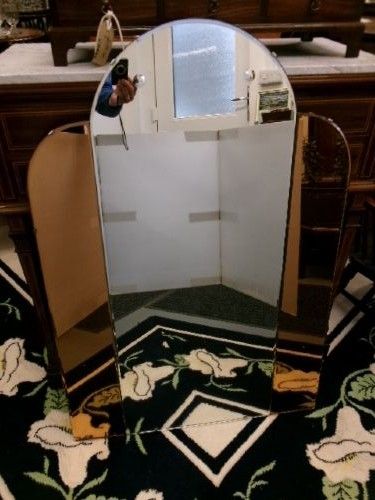
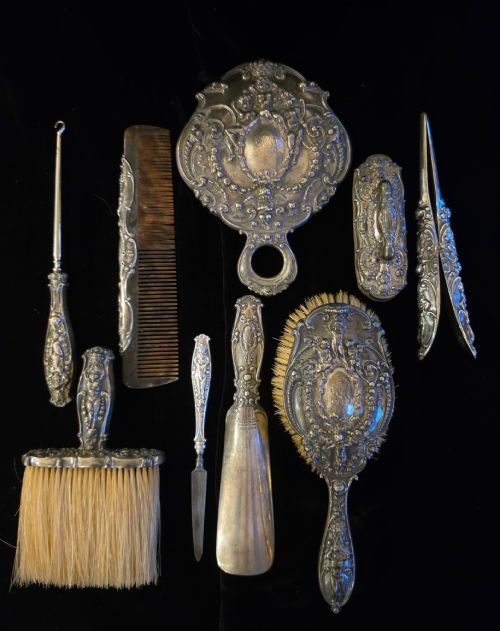
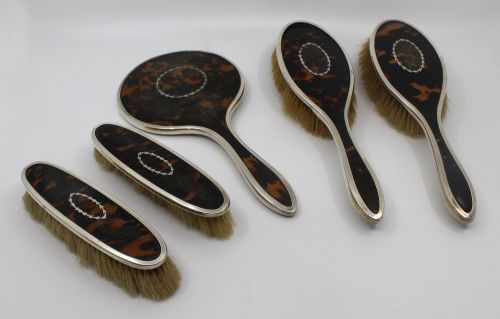
Makers from Britain, Germany, and Peru contributed to this tradition, producing everything from simple strut mirrors to elaborate triptych arrangements and matching dressing table sets.
How they were made
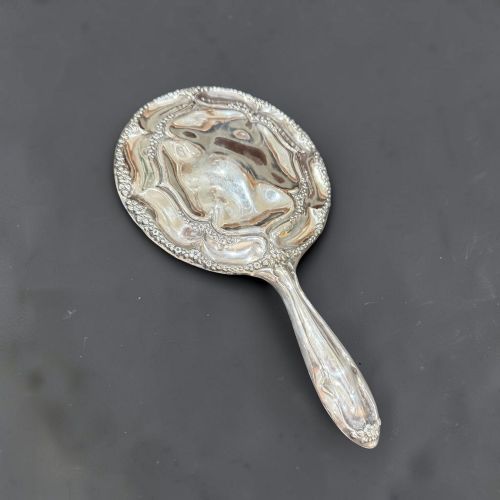
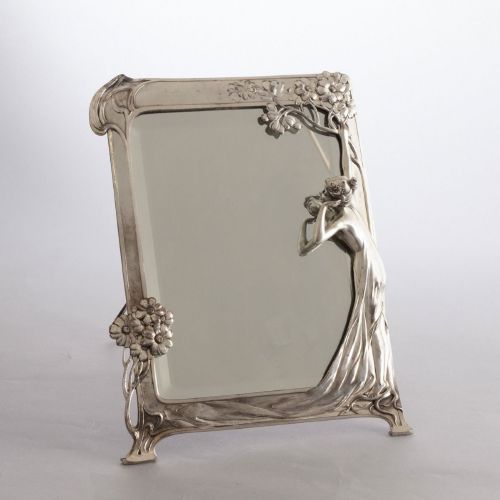
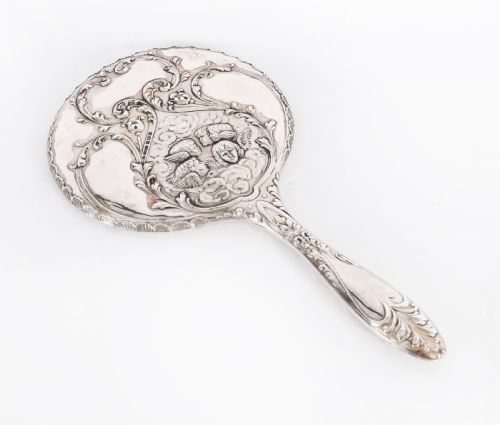
Silversmiths shaped sterling silver and silver plate around wooden cores or easel backs, often adding velvet linings to the reverse of strut mirrors. Craftsmen embossed, chased, and cast the metal to create floral patterns, cherubs, and geometric borders.
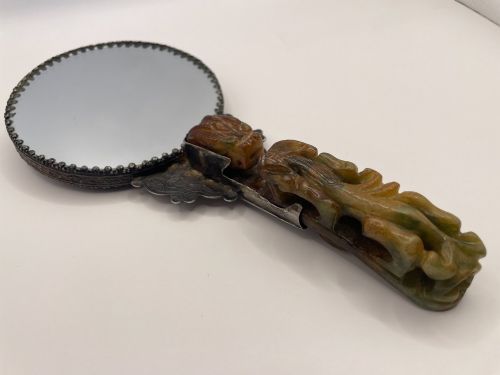
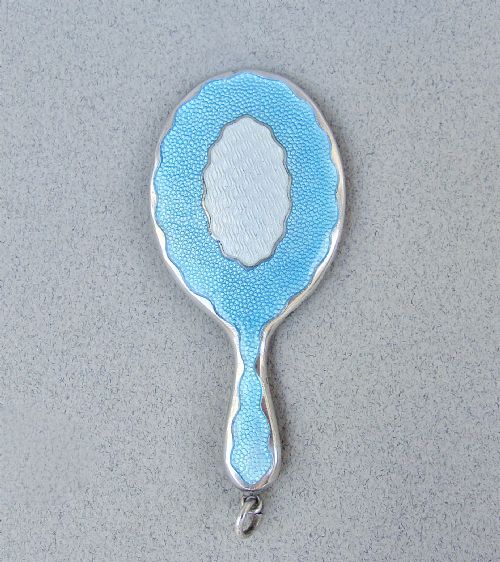
Glass plates provide the reflective surface, sometimes paired with decorative elements such as guilloche enamel, silver gilt, or carved wood and gesso finished in silver leaf. Makers like WMF utilised alternative metals such as pewter for specific continental designs.
Vintage Silver Dressing Mirror Retail Price Guide 2026
Typical asking prices for vintage silver dressing mirror among the pieces listed under this phrase on Sellingantiques today, from the lower quarter to the upper quarter. They describe what is for sale here now, not the wider market.
Mirrors cast in the likeness of cherubs stare back from the vanity.
What varies in quality
The distinction between standard examples and finer pieces lies in the weight of the metal and the depth of the hand-chased ornamentation. Thicker gauge silver and crisp, well-defined embossing indicate a higher standard of manufacture.
The retention of original mirror glass, intact enamel work, and secure easel mechanisms also govern the standing of an individual piece. Makers' marks and clear hallmarks provide evidence of origin and standard.
WMF·Henry Williamson·Charles Boyton·S Blanckensee & Son
The Vintage Silver Dressing Mirror Glossary
- Guilloche enamel
- A decorative technique involving precise, intricate mechanical patterns engraved beneath translucent layers of coloured enamel.
- Strut mirror
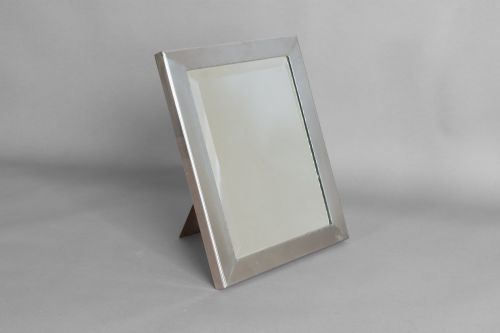
- A tabletop mirror supported by a hinged prop or leg on the reverse side to hold it upright.
- Silver gilt
- Silver that has been coated with a thin layer of gold on its surface, giving a warm golden tone.
- Triptych mirror
- A three-panelled dressing table mirror featuring central and side sections that often fold.
- Easel back
- A supporting stand attached to the rear of a mirror, allowing it to rest securely on a flat surface.
Vintage Silver Dressing Mirror: Frequently Asked Questions
How do I date a silver dressing mirror?
Dating relies heavily on hallmarks stamped into the metal, which record the assay office, date letter, and maker's mark.
Stylistic indicators such as Art Deco geometric lines or Victorian floral embossing also point to specific periods of manufacture.
What is the difference between sterling silver and silver plate?
Sterling silver consists of solid precious metal meeting a specific purity standard throughout the entire piece.
Silver plate involves a thin layer of silver bonded over a base metal foundation such as copper, brass, or pewter.
How should I clean a vintage silver mirror?
Use a soft cloth formulated for silver maintenance to gently remove tarnish from the frame without touching the mirror plate.
Avoid abrasive cleaners or harsh chemicals that might damage enamel inserts, wood finishes, or velvet backings.