



Vintage Silver Desk Tray
These vintage silver desk trays and accessories are practical workspace ornaments that bring functional elegance to any writing table.
Vintage Silver Desk Tray
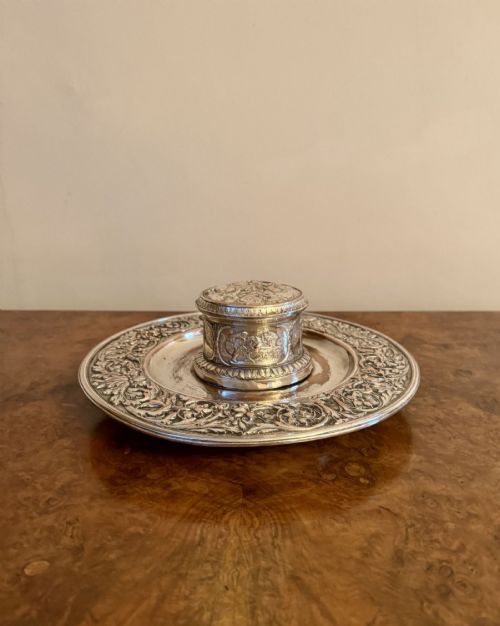
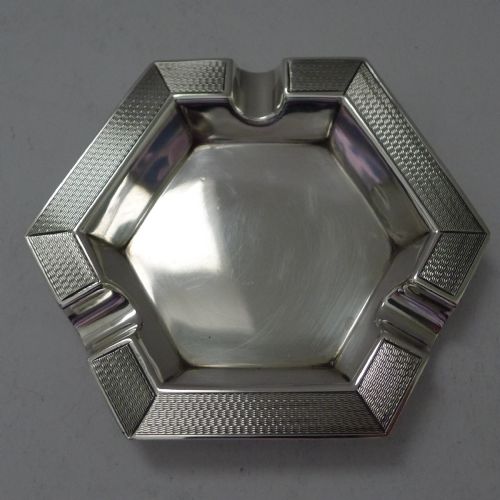
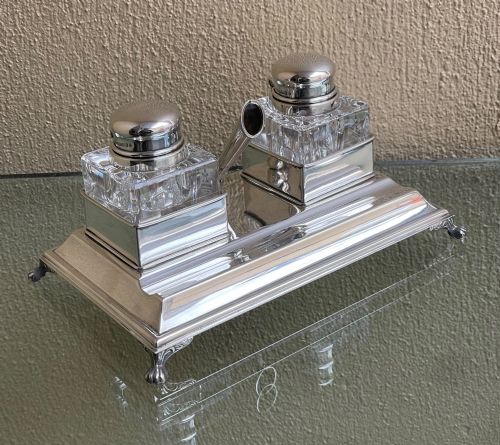
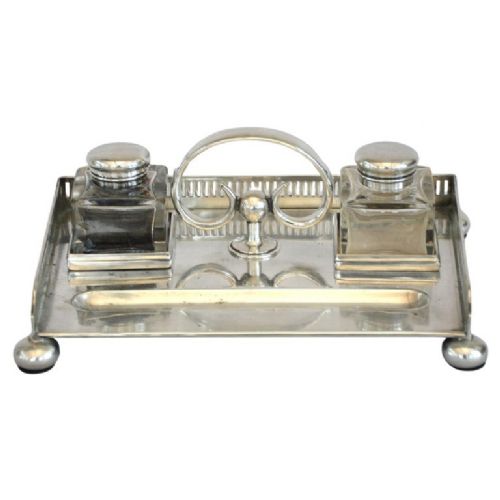
When you search for a vintage silver desk tray, you encounter an array of writing equipment and desktop receptacles spanning the Victorian, Edwardian, and mid-century periods. These items range from simple sterling silver ashtrays and trinket dishes to elaborate silver plated desk stands fitted with glass inkwells and pen rests.
The pieces on this page originate from diverse workshops and makers, utilising materials such as sterling silver, silver plate, pewter, and copper, occasionally combined with glass, onyx, or lapis. You are most likely to meet silver plated desk tidies and sterling silver inkstands, reflecting the utilitarian and decorative demands of past studies and offices.
Materials and methods of construction
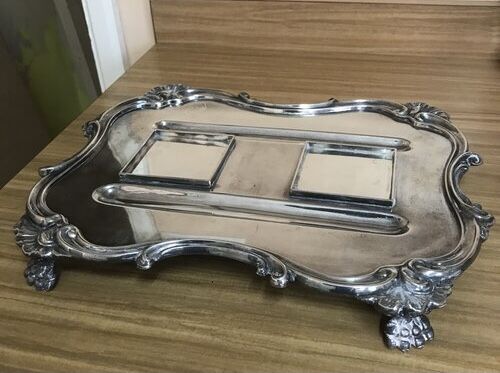
The construction of these desk accessories involves traditional silversmithing techniques alongside electroplating methods developed during the nineteenth century. Makers shaped sterling silver and silver plate over bases of copper or Britannia metal, often incorporating cast decorative borders in styles such as Art Nouveau, Rococo Revival, and Regency.
Glass components, including cut glass inkwells, were separately blown and polished before being mounted into silver stands or fitted with hinged lids. Detail work such as engraving, piercing, and inlaying with materials like onyx or lapis lazuli required specialist hand craftsmanship.
Vintage Silver Desk Tray Retail Price Guide 2026
Typical asking prices for vintage silver desk tray among the pieces listed under this phrase on Sellingantiques today, from the lower quarter to the upper quarter. They describe what is for sale here now, not the wider market.
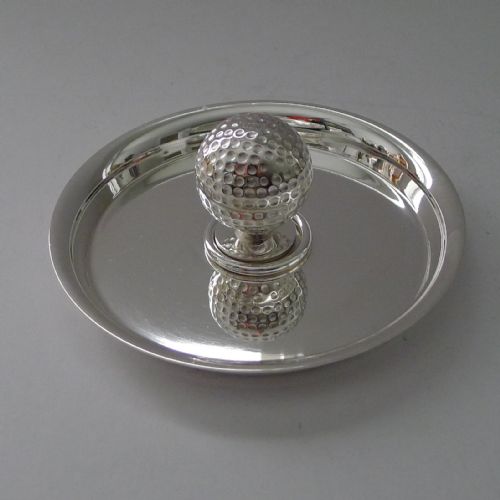
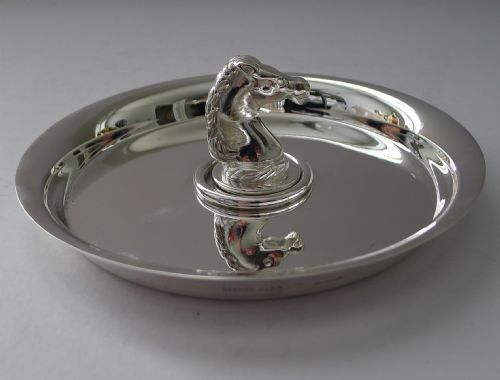
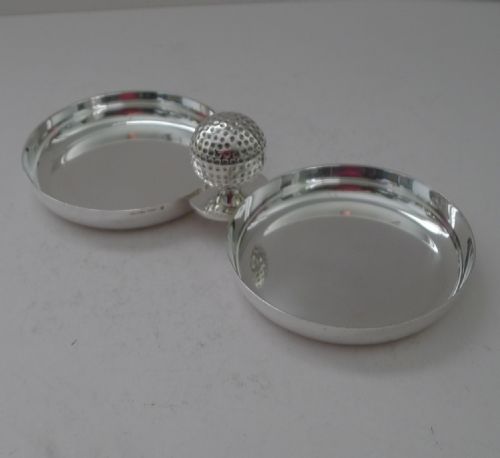
Several mid-century Parisian vide poche trays take the form of novelty horse heads and golf motifs, proving that desk accessories did not take themselves too seriously.
Factors determining the quality of pieces
Quality in these desk accessories rests upon the weight of the metal utilised, the crispness of any cast or chased ornamentation, and the structural integrity of the assembly. Superior pieces exhibit balanced proportions, secure mounts for inkwells or pen rests, and substantial silver content rather than thin plating over base metals.
The reputation of the maker and the preservation of original elements, such as matching glass inserts or undamaged hallmarks, elevate certain items above standard utilitarian wares. Refined finishing touches, including smooth hinge movements on inkwell lids and precise inlay work, distinguish the finest examples.
William Neale·Hermes Paris·Elkington·Walker And Hall·Creswick·WMF·Maria Pergay·Zimmermann·Maurice Dufrene
The Vintage Silver Desk Tray Glossary
- Vide poche
- A small tray or shallow dish designed for emptying pockets of loose items, often utilised as a desk tidy. These items appear in silver plate and novelty forms from mid-century makers.
- Inkstand
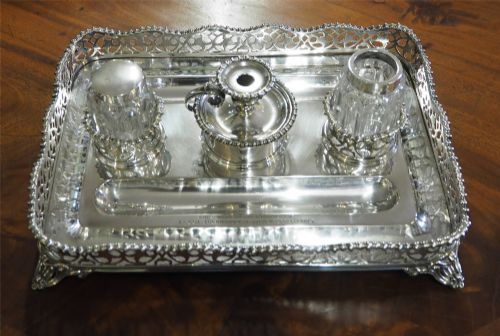
- A fitted tray or stand holding one or more inkwells, alongside provisions for pens and sometimes stamp boxes or sanders. They are central pieces of Victorian and Edwardian desk equipment.
- Sheffield plate
- An early form of composite metal made by fusing a sheet of silver to a thicker copper base before rolling. This technique predates modern electroplating.
- Hallmark
- An official stamp or series of marks applied to precious metals indicating standard of purity, place of assay, and date letter. Sterling silver pieces typically bear these marks.
- Pewter
- A malleable metal alloy consisting primarily of tin, used by Art Nouveau manufacturers for decorative desk trays and pen rests. It allows for flowing, organic sculptural designs.
Vintage Silver Desk Tray: Frequently Asked Questions
What is a vintage silver desk tray used for?
These trays served primarily to organise writing implements, letters, and small desk accessories in studies and offices. They kept inkwells, pen rests, and stamps in a designated place on the writing table.
Today, they function as elegant desktop tidies or decorative vide poche dishes for holding small everyday items in a hallway or study.
How do I identify a sterling silver desk piece?
You can identify sterling silver by locating the official hallmarks stamped into the metal by an assay office. These marks typically include a standard mark such as a lion passant for British silver, alongside maker initials and date letters.
Pieces lacking these official stamps are generally composed of silver plate, pewter, or other base metals coated with a silver layer.
What materials are combined with silver on these trays?
Many desk stands and inkstands incorporate cut glass or clear glass inkwells fitted with hinged metal lids. Some decorative pieces also feature stone elements such as onyx or lapis lazuli inlaid into the base.
Base metals like copper, brass, and pewter form the structural foundation for silver plated or silvered bronze items.
How do I care for a silver desk accessory?
Maintain the appearance of silver and silver plated items by dusting them gently with a soft, dry cloth. Avoid harsh chemical cleaners or abrasive polishes that can wear away thin silver plating or damage underlying base metals.
If polishing is necessary for sterling silver, use a specialised silver cloth and apply it sparingly to preserve any patination in recessed areas.