



Vintage Silver Choker
These vintage silver choker pieces bring together sterling silver, pearl, and moonstone across Victorian, Edwardian, and mid-century modern designs.
Vintage Silver Choker
A vintage silver choker sits close to the neck, appearing across Victorian, Edwardian, and mid-century periods. These necklaces combine solid silver or sterling silver frames with gemstones, paste glass, pearls, or enamel drops.
Most examples you encounter span from the nineteenth century through the 1950s and 1960s. Forms range from rigid collars and bar links to festoon drops and beaded strands.
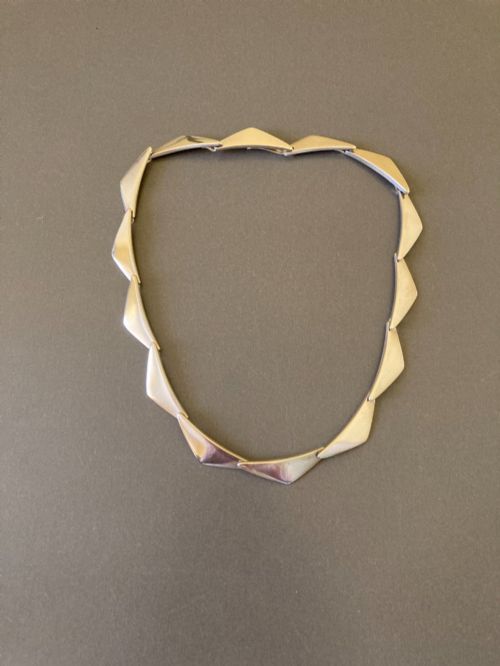
Makers and designers from Scandinavian modern to Arts and Crafts movements shape the selection. You find everything from simple geometric links to elaborate diamond and sapphire clasps.
Materials and construction
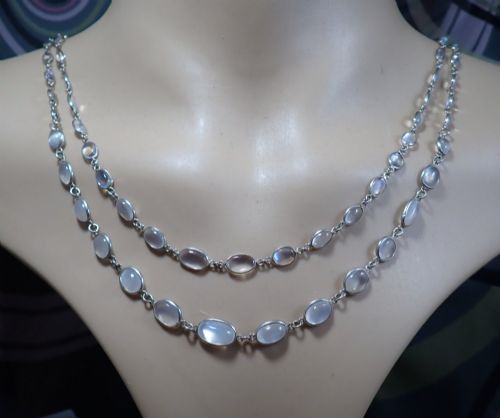
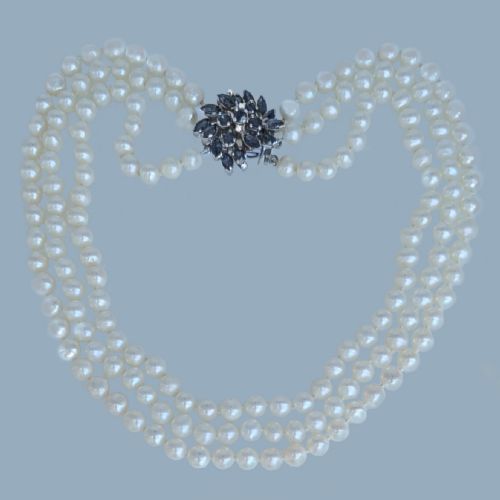
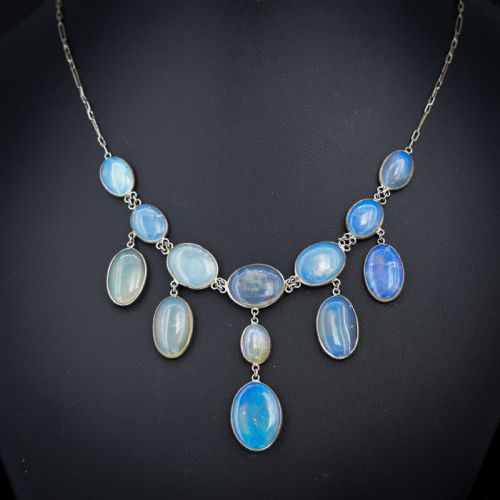
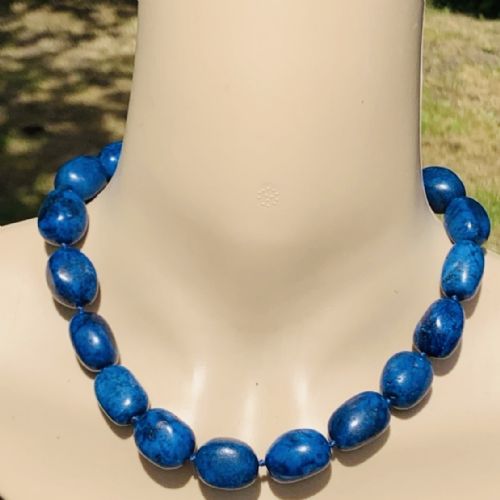
Makers forged these pieces using solid silver and sterling silver, often setting them with cultured pearls, moonstones, lapis lazuli, and rose quartz. Workshops utilised paste glass and diamonds to catch the light on clasps and drops.
Construction techniques involve pierced link chains, articulated bar connections, and fine bezel settings for stones. Enamel work and delicate festoon drops add colour and movement to the metalwork.
The selection spans Victorian, Edwardian, Arts and Crafts, Art Deco, and mid-century modern design movements.
Assessing quality and execution
Quality rests in the precision of the silver smithing and the selection of materials. Pierced links show cleaner edges and more uniform proportions in finer pieces.
The integration of stones dictates value, where matched pearls, genuine moonstones, or clean paste glass secure superior execution. Signed work by makers like Georg Jensen or Jakob Bengel displays distinct design ambition.
Georg Jensen·Jakob Bengel·Mikimoto
The Vintage Silver Choker Glossary
- Festoon
- A necklace style featuring draped chains, swags, or suspended drops hanging below the main collar line. This style was particularly favoured during the Edwardian period.
- Paste glass
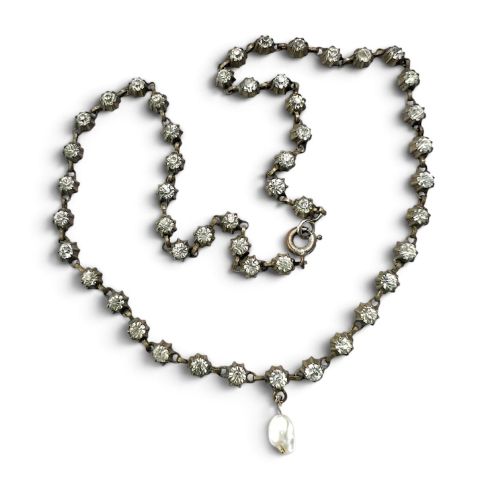
- Hand-cut and polished glass used to imitate gemstones in antique and vintage jewellery. High quality paste exhibits strong light refraction and sits securely in closed-back settings.
- Albert chain
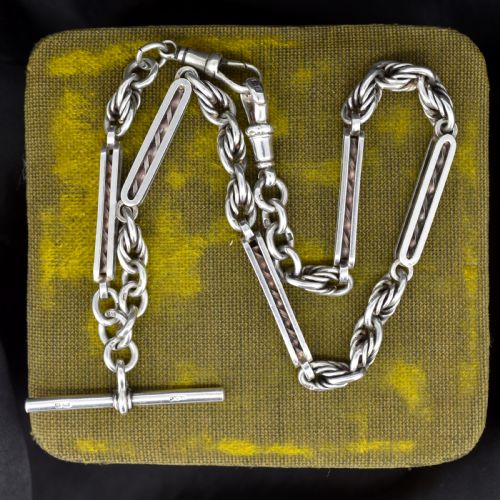
- A heavy chain originally designed to secure a pocket watch to a waist-coat. These robust silver chains are frequently worn today as necklaces.
- Rivière
- A necklace constructed from a continuous sequence of matched gemstones or paste stones linked closely together. They sit flat against the collarbone.
- Sterling silver
- An alloy consisting of silver and other metals, usually copper, standardised for durability and strength. It forms the base metal for many twentieth-century necklaces.
Vintage Silver Choker: Frequently Asked Questions
How do I style a silver choker?
Wear a rigid collar or short bar link necklace with open necklines to highlight the metalwork. Shorter lengths sit high on the throat and pair well with evening wear or tailored jackets.
Layering depends on the drop length and presence of pendants. A simple solid silver band works alone, while festoon or pearl-set pieces command attention as a single focal point.
How can I tell an Edwardian piece from a mid-century one?
Edwardian necklaces often feature pierced platinum or silver work, delicate festoons, and natural pearls reflecting a romantic aesthetic. Look for intricate filigree and floral motifs.
Mid-century and Scandinavian modern examples favour clean geometric lines, modernist silver forms, and smooth polished stones. The construction shifts toward bolder, abstract designs.
What is an Albert chain necklace?
An Albert chain is a sturdy silver chain originally made for securing pocket watches in the nineteenth century. Today they are worn as shorter necklaces, often retaining their original T-bar attachments.
These pieces showcase robust link construction, such as love knots or bar links, designed for daily wear. Their substantial weight distinguishes them from lighter pendant chains.
Are pearls in these necklaces natural or cultured?
Victorian examples generally use natural pearls, while Edwardian and mid-century pieces frequently incorporate cultured pearls from makers like Mikimoto. Gem reports often accompany significant pearl strands.
Examine the lustre and surface texture under magnification to understand the origin. Cultured pearls display consistent quality and reliable matching across multiple strands.