



Vintage Silver Centrepiece Stand
A vintage silver centrepiece stand anchors a dining table with presence, carrying fruit, flowers or crystal bowls in solid metal or plate.
Vintage Silver Centrepiece Stand
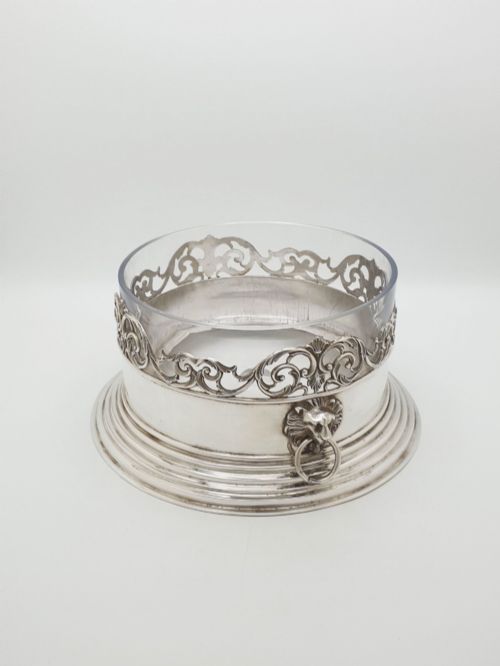
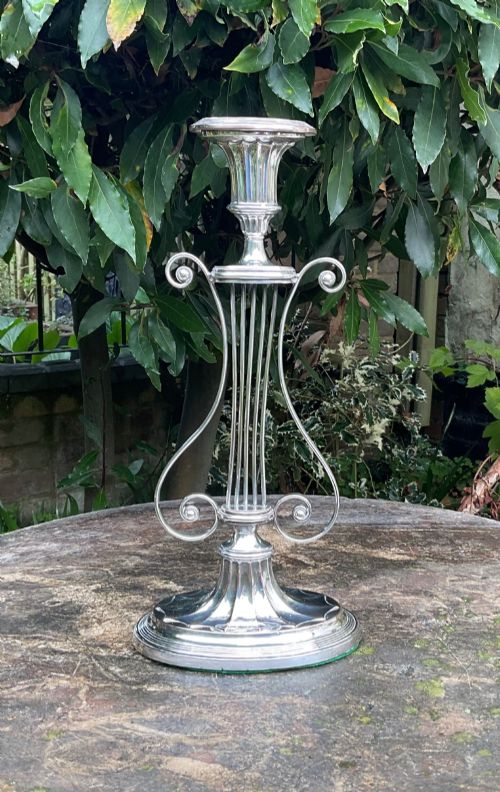
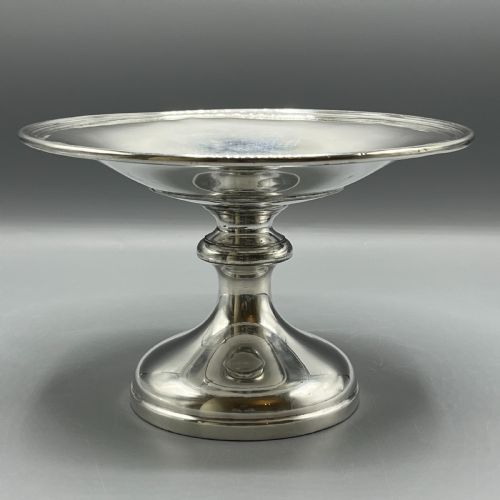
A vintage silver centrepiece stand encompasses large decorative vessels, tazzas, platters, and tiered holders designed to command attention on a dining table or sideboard. These items appear across various historical periods, including the Victorian, Edwardian, and Art Deco eras, reflecting shifting tastes in formal dining and interior display. Within this selection, silver plate and sterling silver form the primary structural metals, often paired with cut glass, crystal, or ceramic inserts to hold fruit, flowers, or condiments.
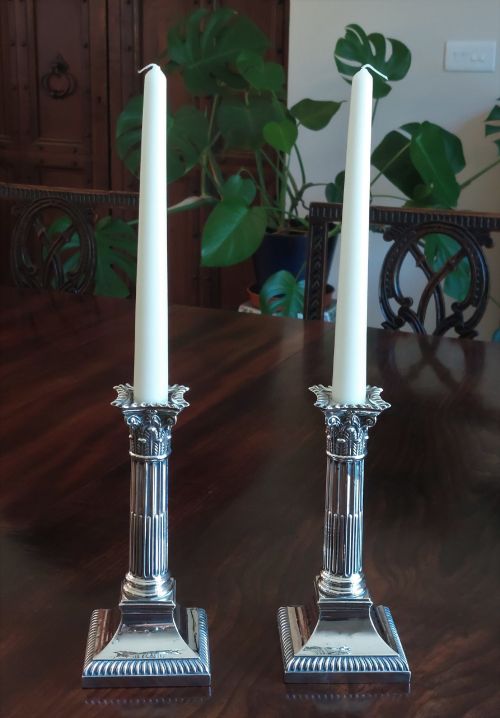
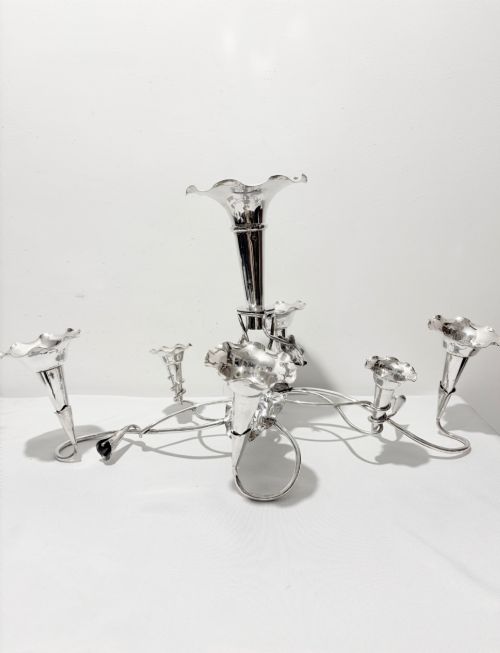
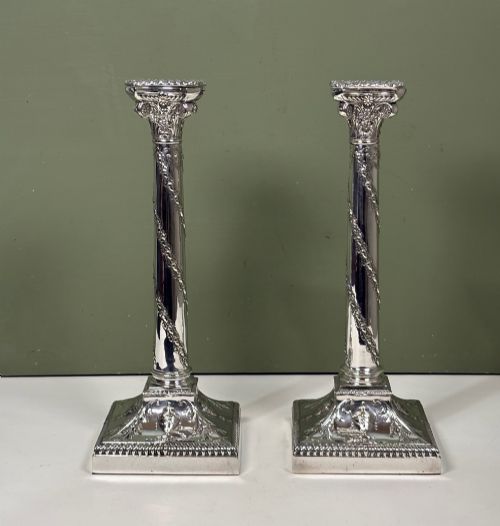
Buyers seeking a vintage silver centrepiece stand will encounter forms ranging from low platters and cake stands to elevated compotes and fruit bowls. Many examples incorporate branches for candles or serve as multi-bottle cruet sets and mirror plateaus designed to reflect light across the room. The inventory draws on styles such as Neoclassical, Art Nouveau, and Georgian revivals, showing how makers reinterpreted past aesthetics for modern homes.
Materials and construction methods
Makers constructed these stands using silver plate, EPNS, nickel silver, and sterling silver over firmer base metals or combined them with cut glass, crystal, wood, and brass. Sheffield plating and electroplating applied thin layers of silver onto base metals like copper or brass, while higher-end pieces utilised solid sterling silver for entire bodies and mounts.
Techniques combined silversmithing, casting, wirework, and glass-cutting to achieve stability and intricate ornamentation. Frames often incorporated pierced galleries, chased floral borders, or cast figural supports, while glass components relied on mould-blowing and hand-cutting to create heavy, light-refracting bowls and bottles.
Vintage Silver Centrepiece Stand Retail Price Guide 2026
Typical asking prices for vintage silver centrepiece stand among the pieces listed under this phrase on Sellingantiques today, from the lower quarter to the upper quarter. They describe what is for sale here now, not the wider market.
Silver-plated fighting cockerels and carriage cruet sets remind us that Victorian dining tables doubled as miniature landscapes.
Factors determining quality and craftsmanship
Quality rests upon the thickness of the silver layer or the purity of the solid metal, the crispness of chased or cast ornamentation, and the structural integrity of joints and feet. Superior pieces display deep, hand-punched detail on borders and mounts rather than soft, shallow press-work.
The integration of secondary materials like cut crystal, mirror glass, or porcelain inserts marks the distinction between standard production items and exceptional works. A well-balanced frame that supports heavy glass vessels without sagging or wobbling demonstrates superior engineering and design.
Mappin and Webb·WMF·Wade Wingfield Wilkins·Elkington·Garrard and Co Ltd
The Vintage Silver Centrepiece Stand Glossary
- Silver Plate
- A base metal, such as copper or nickel brass, coated with a thin layer of silver. This technique allowed makers to produce large decorative items at a lower cost than solid silver.
- Compote
- An elevated bowl or dish used for serving fruit or sweets on a table. These pieces often feature a central stem and a wide foot for stability.
- Cruet Set
- A collection of glass bottles for holding condiments like oil, vinegar, salt, and pepper, fitted into a metal frame or stand. They frequently appear alongside centrepiece vessels on dining tables.
- EPNS
- Electroplated Nickel Silver, a common base metal alloy used in British manufacturing from the mid-nineteenth century onwards. It provides a durable foundation for silver plating.
- Tazza
- An ornate shallow cup or plate mounted on a stem and foot. They function as display stands for cakes, fruit, or small decorative arrangements.
Vintage Silver Centrepiece Stand: Frequently Asked Questions
What is a vintage silver centrepiece stand used for?
These stands serve as the focal point of a dining table or sideboard, traditionally holding fruit, floral arrangements, or sweetmeats during formal meals.
Today, they function equally well as decorative display objects in living spaces or as serving pieces for gatherings.
How do I clean a silver plated stand?
Clean silver plate gently using a specialised liquid or cream silver polish applied with a soft cloth. Avoid abrasive pads or harsh chemical dips that can strip the thin silver layer from the base metal.
Wash glass or ceramic inserts separately in warm soapy water and dry thoroughly before replacing them in the stand.
How can I tell the period of a stand?
Examine the overall design style, such as the flowing organic lines of Art Nouveau or the geometric symmetry of Art Deco. Maker marks, registration numbers, and hallmarks stamped into the metal provide precise clues to the date and place of manufacture.
Secondary materials like heavy cut crystal or specific ceramic pots also help narrow down the production era.
Can I use these stands for daily dining?
These stands are robust enough for regular use, provided they are handled carefully and cleaned promptly after holding acidic foods like fruit. Storing them away from damp environments prevents tarnishing and protects delicate glass components.