


Vintage Silver Centrepiece Dish
A vintage silver centrepiece dish commands the table, drawing the eye with polished metal and glass.
Vintage Silver Centrepiece Dish
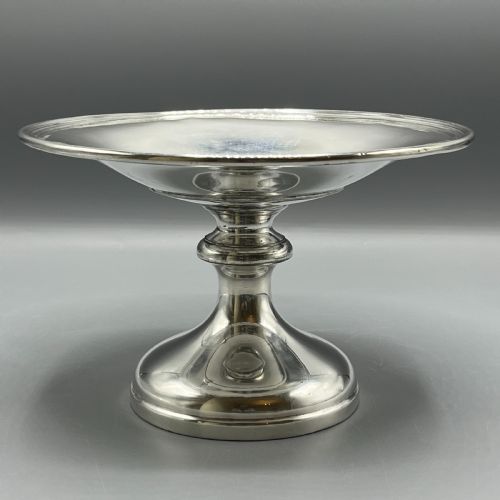
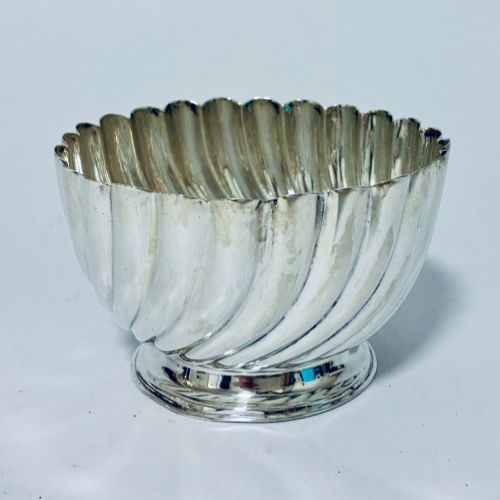
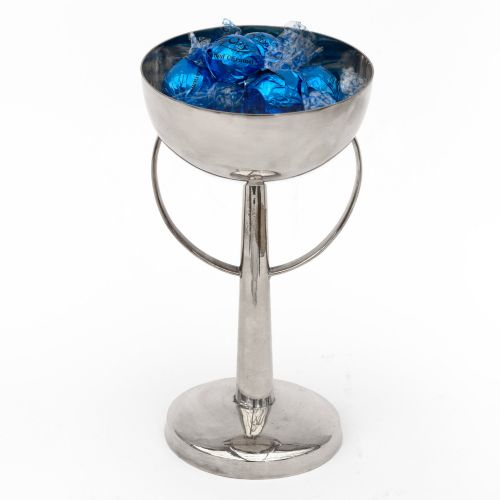
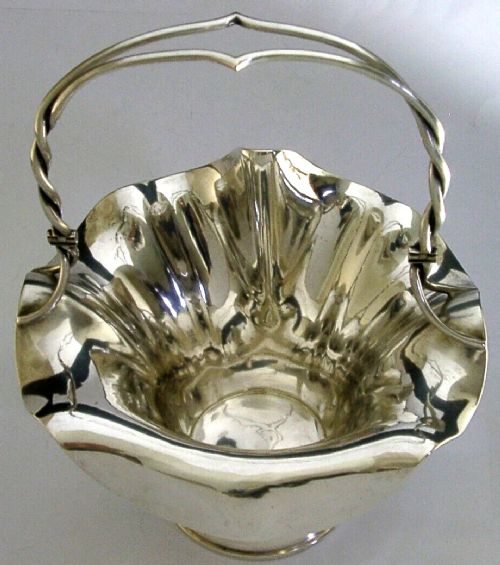
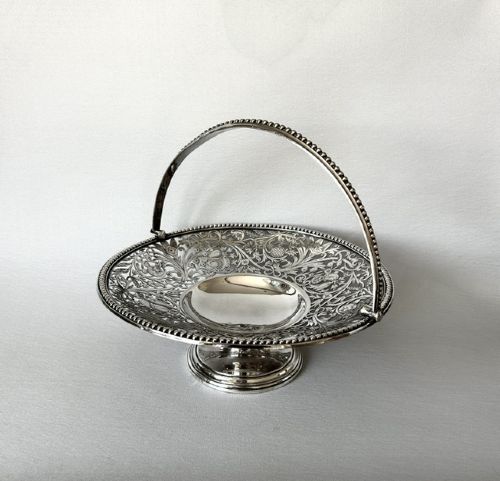
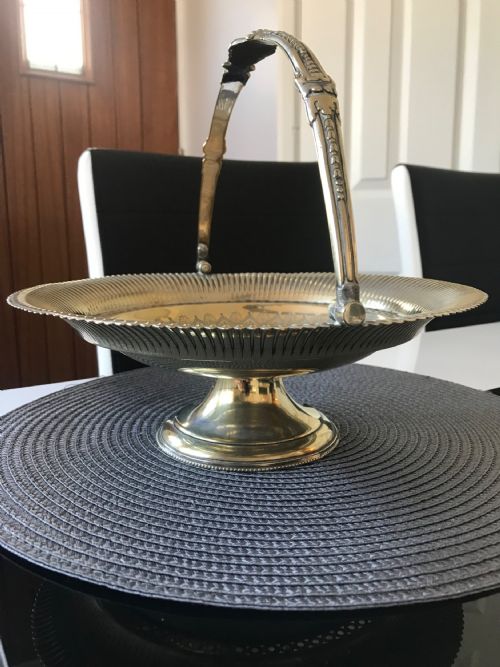
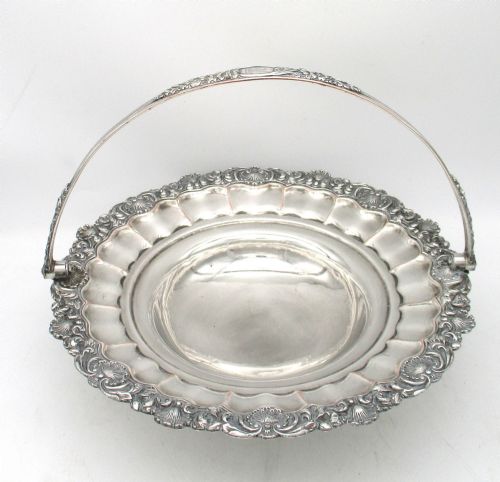
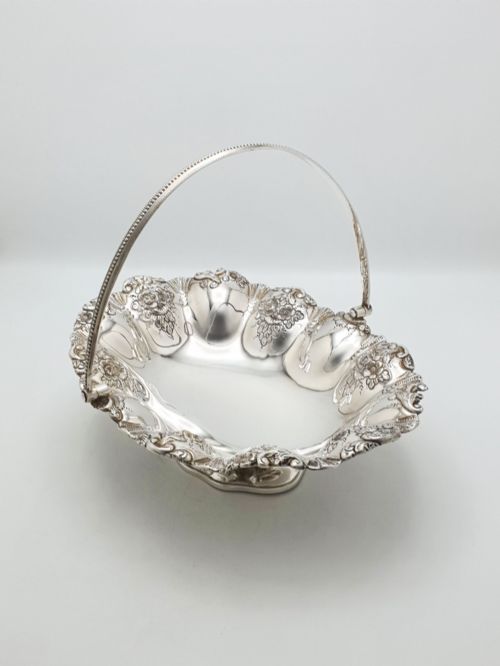
A vintage silver centrepiece dish is a substantial decorative vessel designed to anchor a dining table or sideboard, appearing in forms such as fruit baskets, tazzas, footed bowls, and comports. When searching for this phrase, buyers encounter pieces intended for display and serving, ranging from small bonbon dishes to large, impressive table ornaments.
The selection on this page relies heavily on items from the Victorian, Edwardian, and Art Deco periods, alongside productions from the early twentieth century. Makers and manufacturers utilise sterling silver, silver plate, EPNS, Old Sheffield plate, and pewter, often paired with glass inserts or cobalt liners to create varied textures upon the surface.
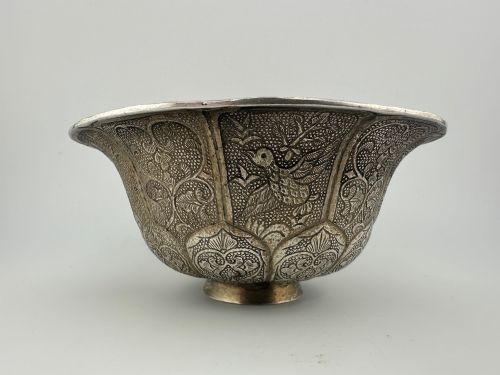
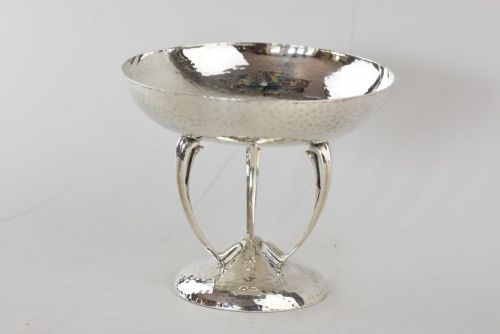
Stylistic influences span widely across the inventory, touching upon Art Nouveau fluid lines, Arts and Crafts hammered finishes, Neo Classical symmetry, and occasional international craftsmanship including Chinese Export, Indian wirework, and Thai solid silver footed bowls.
How They Were Made
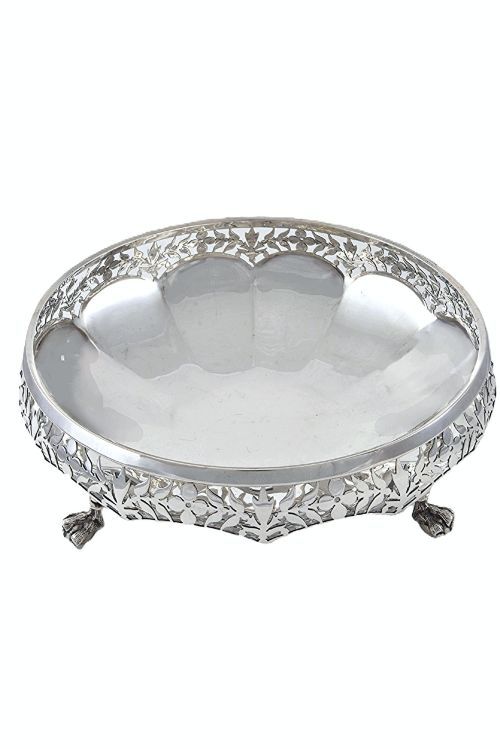
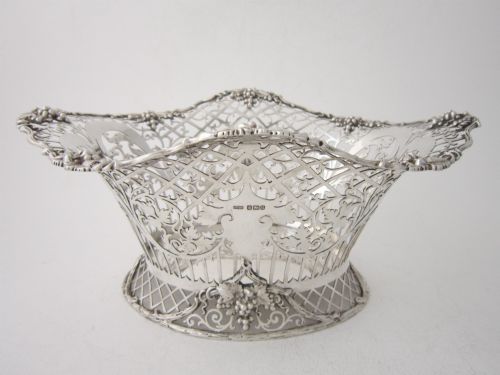
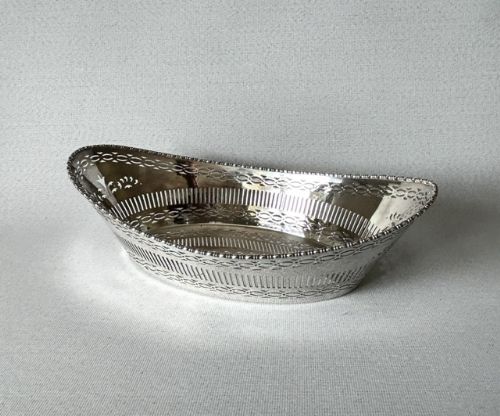
Silversmiths shaped solid sterling silver and lower grades like 800 silver through heavy gauge hammering, planishing, and piercing, creating lattice patterns or three-legged tazzas. Pierced fruit baskets and pierced solid silver bowls required meticulous cutting and filing of the metal before final polishing.
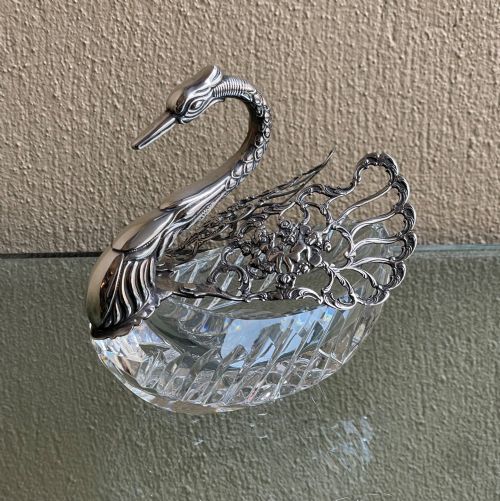
Makers of plated wares employed techniques such as silver plating and Old Sheffield plating over copper bases, whilst firms like WMF fashioned figural pewter double fruit stands and art deco tazze using specialised casting and moulding methods. Glass bowls and dishes were frequently paired with metal rims, wirework, or silver swan mounts.
Vintage Silver Centrepiece Dish Retail Price Guide 2026
Typical asking prices for vintage silver centrepiece dish among the pieces listed under this phrase on Sellingantiques today, from the lower quarter to the upper quarter. They describe what is for sale here now, not the wider market.
Materials across these listings include sterling silver, silver plate, EPNS, pewter, copper, cobalt glass, and cut glass.
What Varies in Quality
Quality rests upon the weight of the metal and the integrity of the construction, distinguishing heavy gauge pieces like Jubilee bowls from lighter stampings. Solid sterling silver and Old Sheffield plate represent a different tier of craftsmanship compared to standard silver plate or EPNS wares.
The standard of hand-finishing defines the superior examples, visible in crisp floral repoussé work, precise piercing, and even planished hammer marks across Arts and Crafts bowls. Maker attribution also elevates a piece, with recognised names and firm hallmarks indicating superior workshop standards.
Goldsmiths and Silversmiths Company·Mappin & Webb·John Hunt·Elkington & Co·WMF
The Vintage Silver Centrepiece Dish Glossary
- Tazza
- A shallow bowl or dish mounted on a stem and foot, traditionally used for serving fruit or small confections at the table. These elevated vessels bring height and architectural interest to a table setting.
- Repoussé
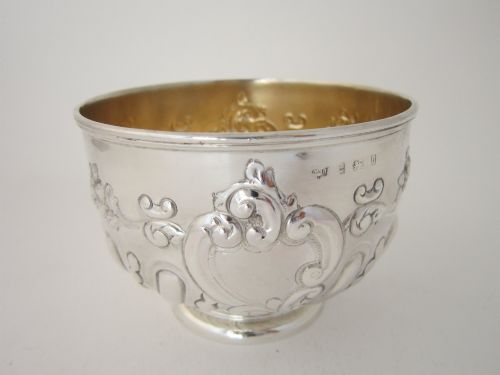
- A metalworking technique where the artisan hammers the design from the reverse side to form raised ornamentation on the front. This creates tactile floral and scroll motifs around the rim of a dish.
- Old Sheffield Plated
- An early fusion method where a thin sheet of sterling silver is fused to a copper base before rolling into sheets. This historic technique leaves a distinct edge where the base metal shows.
- Planished
- A surface texture achieved by hammering metal with a polished round-headed hammer to leave neat, overlapping facets. It is a defining characteristic of Arts and Crafts metalwork.
- Compote
- A deep dish or bowl elevated on a stem, typically utilised for presenting fruit, compotes, or sweetmeats. They serve as central table decorations in various European silver styles.
Vintage Silver Centrepiece Dish: Frequently Asked Questions
What is a vintage silver centrepiece dish used for?
These dishes were originally created to hold fruit, bread, or decorative arrangements in the centre of a dining table. Today they function as standalone decorative objects or serving vessels for gatherings.
Their substantial size and ornate detailing make them natural focal points for sideboards and dining rooms alike.
How can I tell sterling silver from silver plate?
Sterling silver items carry official hallmarking stamps denoting the purity of the metal, typically including a lion passant in British pieces. Silver plated items lack these specific silver standard marks and instead show base metals beneath worn plating.
Examining the hallmarks and looking for areas of base metal wear reveals the underlying material.
What periods do these dishes come from?
The pieces span from the nineteenth century through the Edwardian era and into the Art Deco and mid-twentieth century periods. Victorian and Edwardian examples often feature heavy floral repoussé work.
Later items embrace clean lines, geometric forms, or modernist hammered surfaces.
How do I care for silver and silver-plated dishes?
Regular dusting with a soft cloth keeps tarnish at bay on display pieces. When polishing is necessary, a dedicated silver cleaner applied gently preserves the underlying metal and decorative details.
Harsh abrasives must be avoided, particularly on plated items where excessive scrubbing can remove the silver layer.