

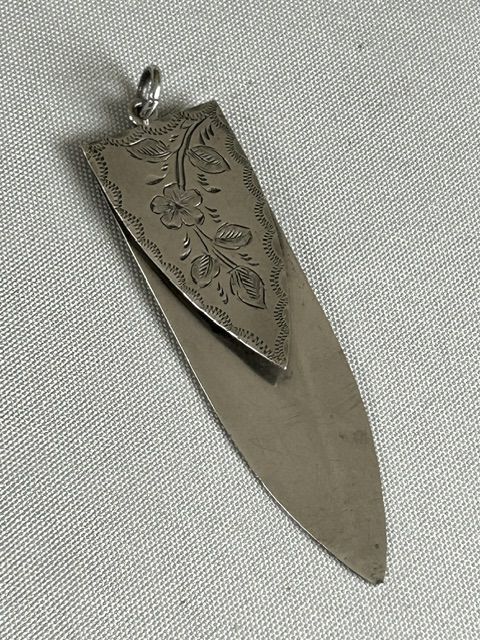


Vintage Silver Book
These vintage silver book items encompass everything from bookmarks and bookends to desk accessories, offering practical charm for any library.
Vintage Silver Book
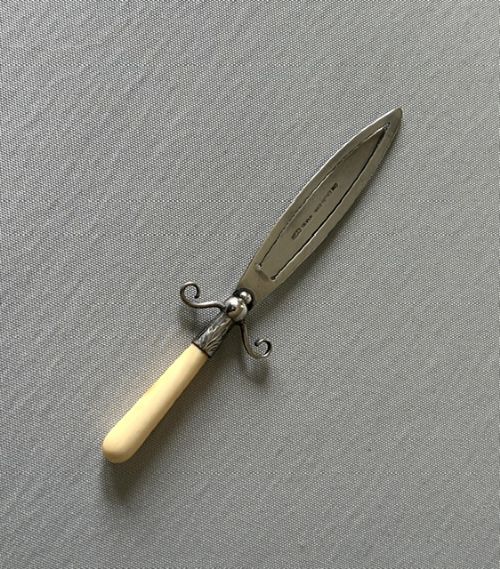
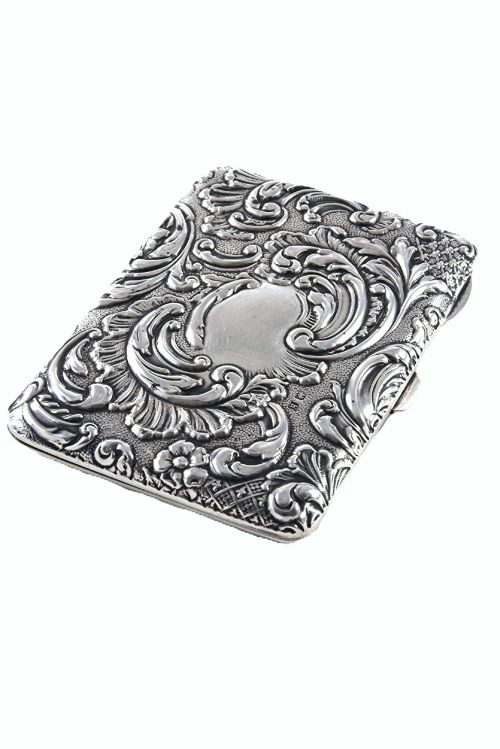
When you search for vintage silver book items, you encounter a varied selection of desk accessories, bookmarks, page turners, and bookends originating from the Victorian, Edwardian, and Art Deco periods. These objects served the reading habits and writing desks of past generations, combining utility with decorative metalwork.
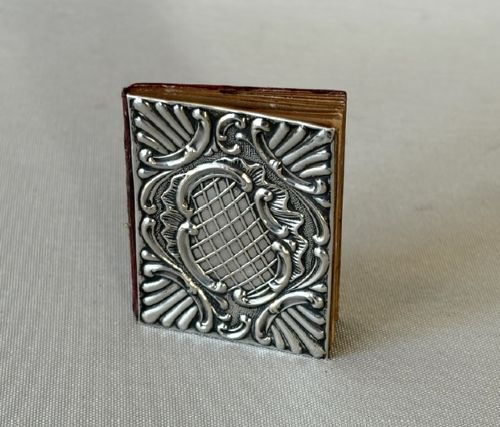
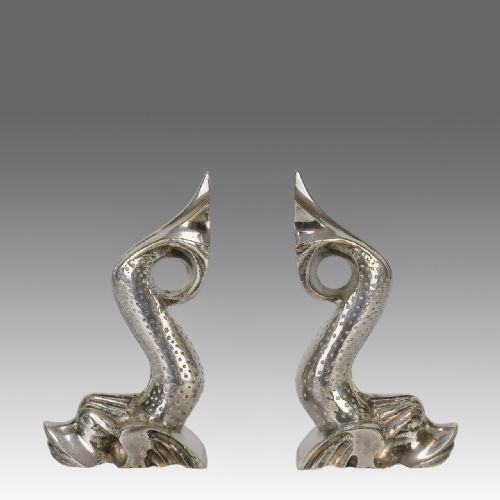
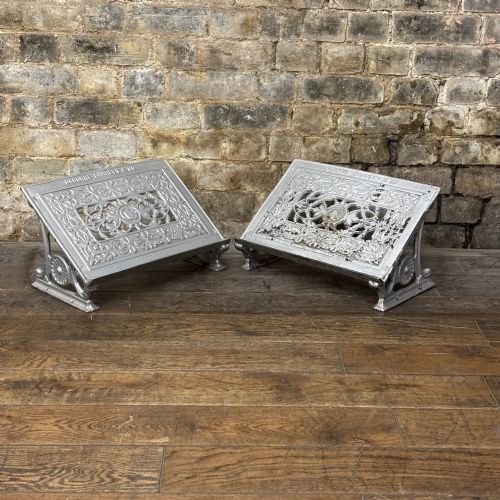
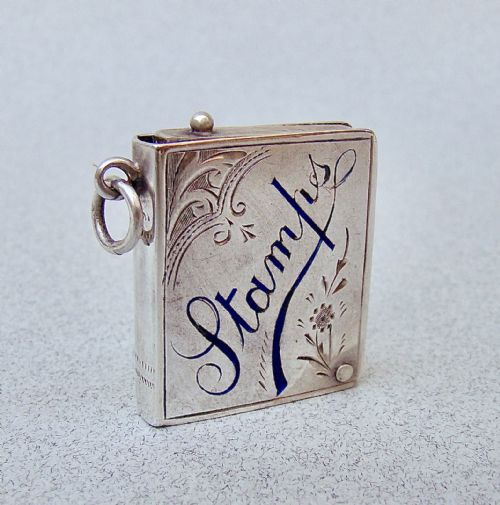
The pieces on this page span the late nineteenth century through to the mid twentieth century. You find small items such as aide-memoires and stamp cases alongside heavier structural pieces like cast iron church book rests and figurative metal bookends.
Materials range from solid sterling silver and silvered metal to combinations involving leather, enamel, mother-of-pearl, and cast iron. Styles shift from ornate Victorian Gothic and Art Nouveau curves to clean-lined Art Deco forms and novelty animal shapes.
What varies in quality
Quality rests on the crispness of the chasing and engraving, the weight and integrity of the metal, and the precision of mechanical elements like hinges on stamp cases and aide-memoires. Superior examples retain clear hallmarks, intact linings, and undamaged decorative details.
Maker attribution also marks out finer pieces, particularly those bearing the marks of established silversmiths or recognised sculptors. The distinction lies in balanced proportions, secure joints, and the survival of original surface finishes.
Vintage Silver Book Retail Price Guide 2026
Typical asking prices for vintage silver book among the pieces listed under this phrase on Sellingantiques today, from the lower quarter to the upper quarter. They describe what is for sale here now, not the wider market.
Teddy bears and fish made sturdy companions for Edwardian reading habits.
Osborne Garrett Co·F Abella Sons·Crisford Norris
The Vintage Silver Book Glossary
- Aide Memoire
- A small memorandum book or pocket notebook used for recording notes and appointments. These typically feature a fitted pencil and an engraved silver cover.
- Page Turner
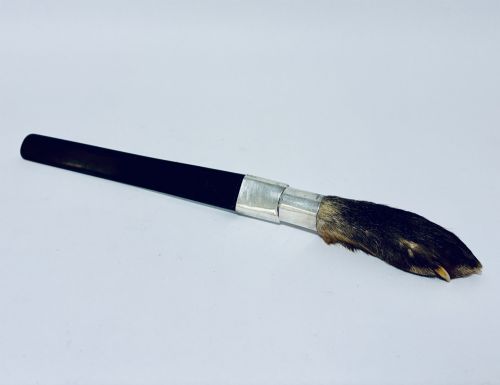
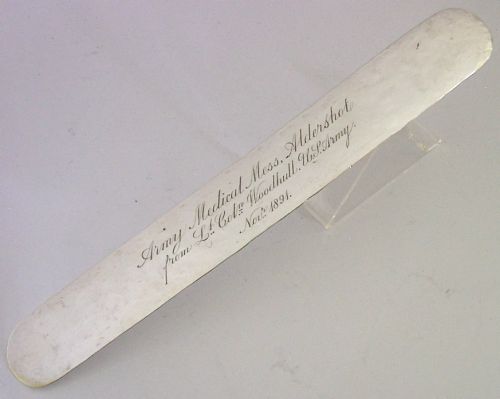
- A long implement of silver, ivory, or bone with a handle, designed for turning the leaves of books without damaging the paper. Examples often include decorative silver handles or blades.
- Book Rest
- A slanted stand or support designed to hold a book open at a readable angle. They frequently appear in heavy cast iron for church or institutional use.
- Stamp Case
- A small flat container made to hold postage stamps, often styled to resemble a miniature book. They open on hinges to reveal individual compartments.
- Spelter
- An alloy of zinc and lead used as a cheaper alternative to bronze for casting decorative figures and bookends. It is typically painted or electroplated to resemble bronze.
Vintage Silver Book: Frequently Asked Questions
How do I clean vintage silver?
Clean sterling silver items gently with a soft cloth and a specialised silver polish, avoiding harsh abrasives that can wear away fine engraving or thin plating.
For pieces with leather, enamel, or mother-of-pearl components, take care to keep moisture and cleaning solutions away from delicate non-metal surfaces.
What periods do these pieces cover?
The selection spans from the late Victorian and Edwardian eras through the George V period and into the Art Deco style of the 1930s.
Earlier pieces show Gothic revival and ornate floral motifs, while later items favour geometric lines and figurative novelty designs.
Are bookends heavy enough for large books?
Metal and cast iron bookends from this era were manufactured with enough weight to support standard volumes securely on a shelf.
Figurative bookends made of spelter or bronze provide sturdy structural support while adding a decorative element to a library.
How can I identify the maker?
Many silver pieces bear hallmarks stamped directly into the metal, indicating the assay office, the maker's mark, and the year of production.
Figural bookends and metal desk accessories are occasionally signed by the sculptor or foundry on the base or reverse edge.