

Vintage Silver Albert
A vintage silver albert is a traditional pocket watch chain, often paired with fobs and watches, sought after for wearable historical craftsmanship.
Vintage Silver Albert
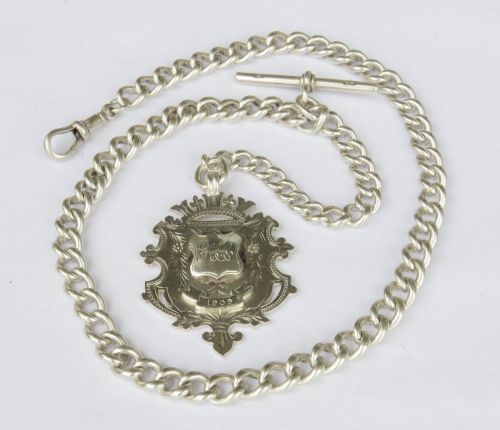
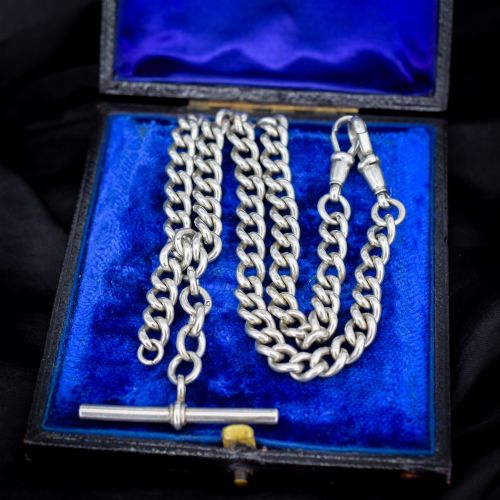
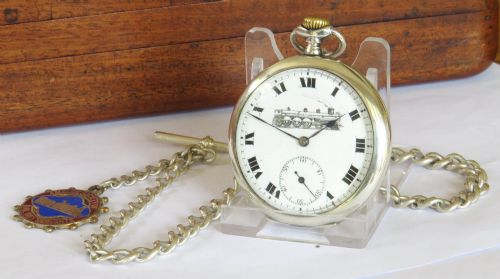
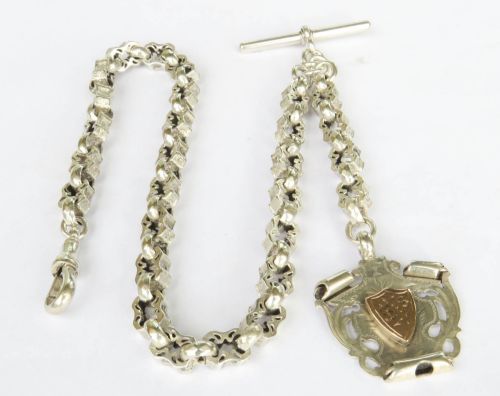
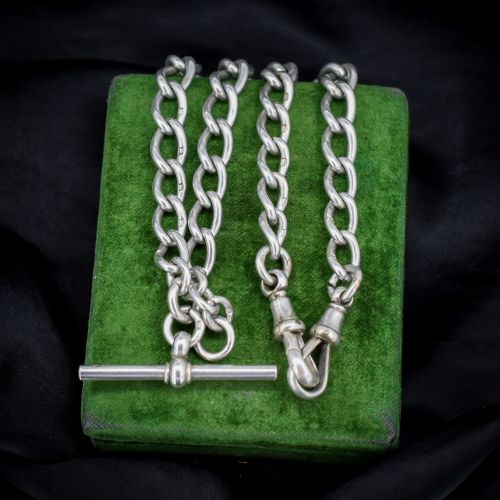
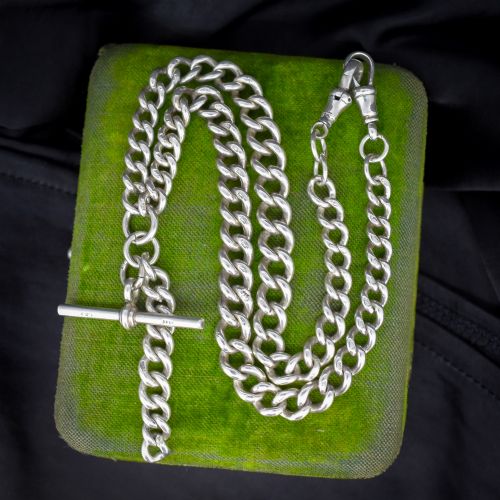
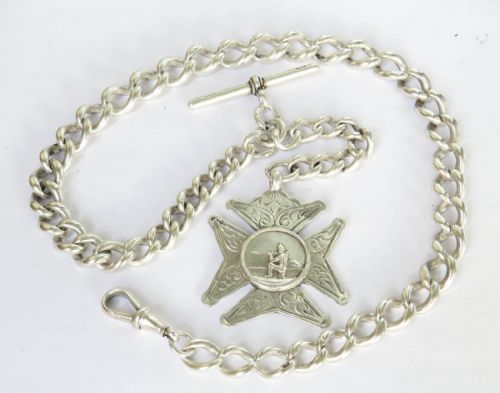
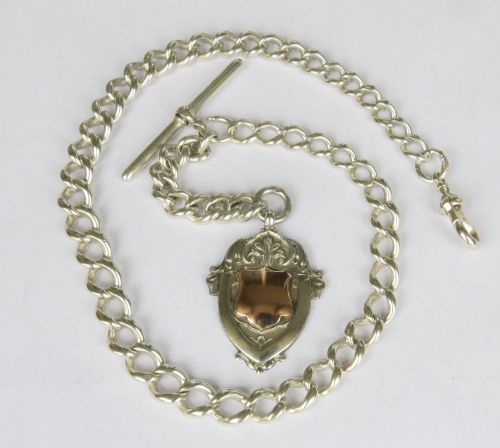
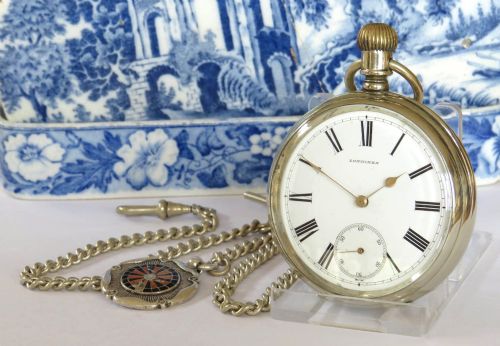
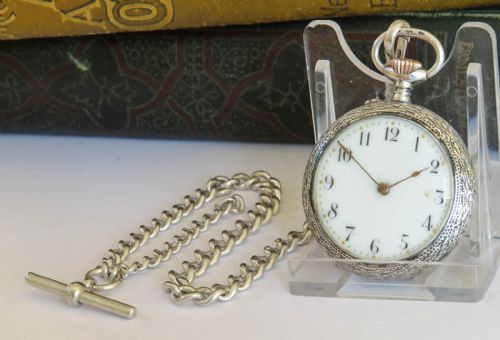
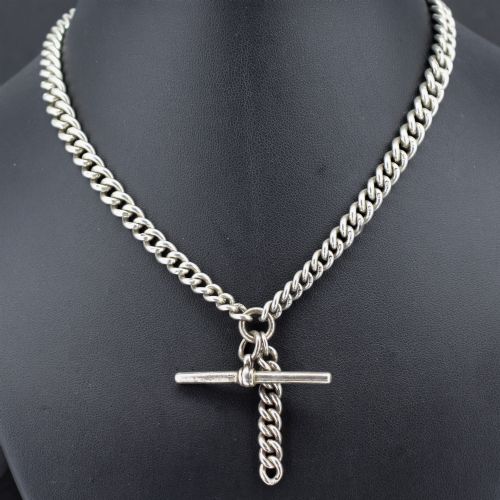
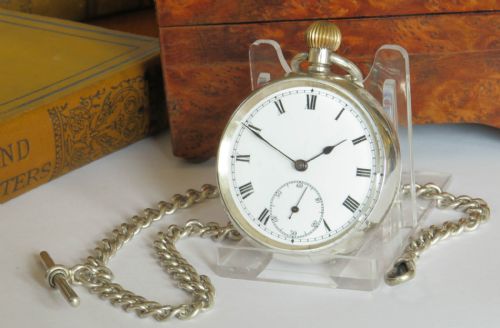
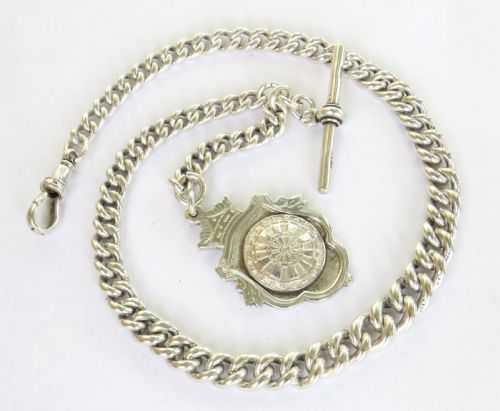
When searching for a vintage silver albert, buyers encounter traditional pocket watch chains designed to secure timepieces to a waistcoat or lapel. These pieces frequently appear alongside connected fobs, medallions, or the pocket watches themselves, spanning periods from the late Victorian era through the Edwardian years and into the Art Deco epoch. Single and double strand configurations dominate the selection, often terminating in secure dog clips and T-bars.
The material composition centres on sterling silver, sometimes accented with rose gold highlights, enamel, or glass elements. Alongside traditional watch chains, related forms such as pocket watches, napkin rings, stamp cases, and vesta cases occasionally appear in these inventories. Makers and assay offices mark many examples, tying them to specific British towns and decades of the early twentieth century.
Materials and construction techniques
Silversmiths constructed these chains from sterling silver, shaping individual links into distinct patterns such as curb, belcher, and trombone formations. Metal components frequently received hallmarks from assay offices in cities like Chester and Birmingham, certifying the purity of the silver. Artisans attached decorative elements including T-bars, dog clips, and specialised fobs using sturdy jump rings and swivels.
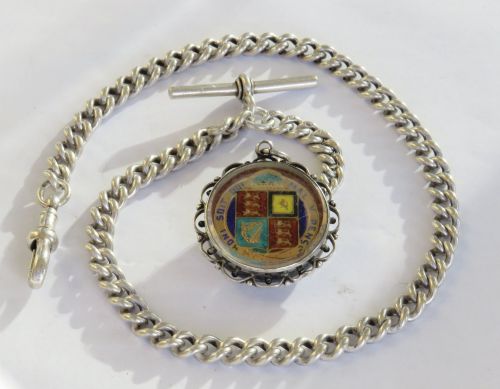
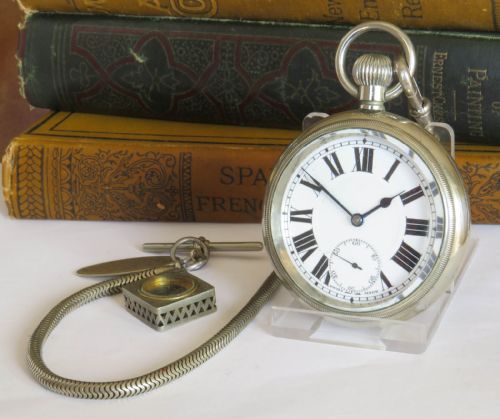
Specialist items incorporate contrasting materials, utilising vitreous enamel for colourful sporting or military fobs, and glass for inset compasses or watch crystals. Mechanics combined steel and nickel in the associated pocket watch movements, while outer cases remained formed from silver or brass.
Vintage Silver Albert Retail Price Guide 2026
Typical asking prices for vintage silver albert among the pieces listed under this phrase on Sellingantiques today, from the lower quarter to the upper quarter. They describe what is for sale here now, not the wider market.
Listings feature sterling silver watch chains, pocket watches, and decorative fobs spanning the Victorian, Edwardian, and Art Deco periods.
Distinctions in quality and execution
Quality in these chains rests upon the substantial weight of the silver links and the crispness of their stamped patterns or hallmarks. Heavy solid silver examples with original dog clips and matching T-bars demonstrate superior manufacturing compared to lighter, hollow alternatives. The complexity of the link design, such as intricate trombone and love knot patterns, distinguishes finer specimens from plain utilitarian chains.
The presence of specialised, hand-enamelled fobs or military association pieces elevates the character of an albert assembly. Crisp engraving on accompanying medallions and smooth mechanical action in the dog clips and spring swivels indicate higher grade workshop production.
Albert Edward Jones·Albert Ernest Jenkins
The Vintage Silver Albert Glossary
- Dog clip
- A spring-loaded snap hook used to attach a watch or fob to the chain. This mechanical clasp secures the timepiece against accidental detachment.
- T-bar
- A short transverse bar attached to the centre or end of an albert chain. It passes through a waistcoat buttonhole to anchor the chain securely.
- Fob
- A small ornament or medallion attached to a watch chain. These often commemorate sports, military service, or civic organizations.
- Belcher link
- A type of chain link formed from identical oval rings that are broader than they are thick. It provides a traditional and robust structure for watch chains.
Vintage Silver Albert: Frequently Asked Questions
How do you wear a vintage silver albert today?
Modern wearers often drape the chain across a waistcoat or jacket, securing the T-bar through a buttonhole while tucking the attached watch or fob into a pocket. Alternatively, shorter chains function well as necklaces or wrist bracelets when fitted with a dog clip.
Securing the chain to a belt loop offers another practical method for daily wear without traditional tailoring. The versatility of the links allows the metalwork to sit comfortably against clothing as a standalone accessory.
How can I date my silver watch chain?
Dating relies primarily on the stamped hallmarks found on the individual links, T-bars, and dog clips. Assay office marks and date letters reveal the exact year and town of official testing.
Stylistic cues such as Edwardian curb links, Victorian aesthetic motifs, or Art Deco geometric engraving provide a broader chronological frame when official hallmarks are worn or absent.
What are the common fob types found on these chains?
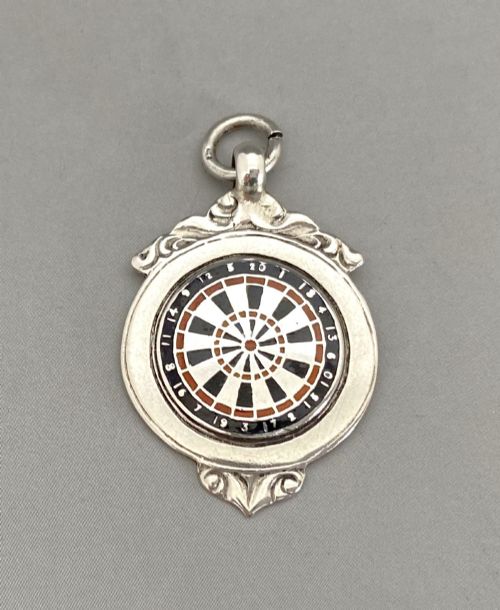
Fobs frequently take the form of silver shields, discs, or military mementos inscribed with dates and organisation names. Enamelled sporting fobs representing football, darts, or clubs also appear frequently.
Other variations include compass fobs, stamp cases, and miniature vesta boxes. These additions reflect the personal history and interests of the original owner.