



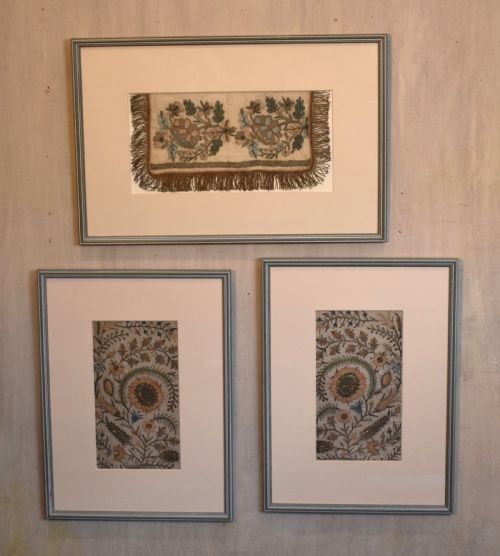


Vintage Silk Picture
A vintage silk picture brings historic needlework and painted textiles into your interior, offering delicate handwork preserved behind protective glass.
Vintage Silk Picture
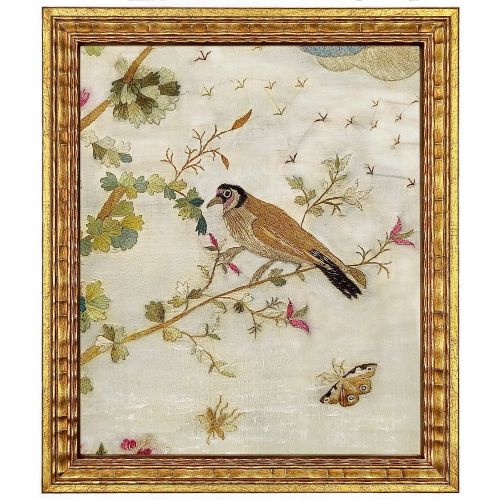
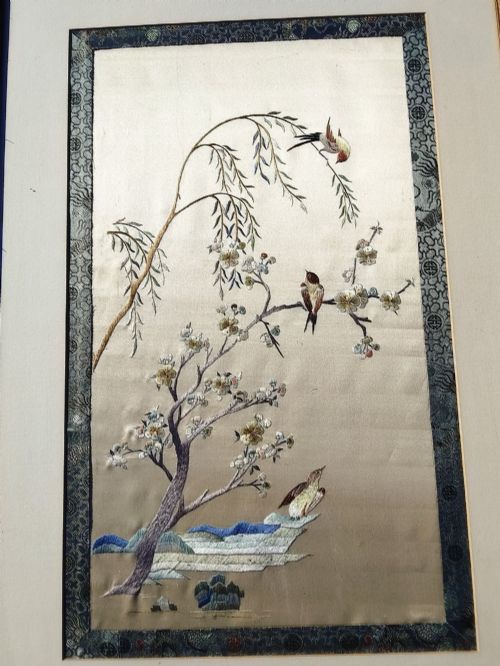
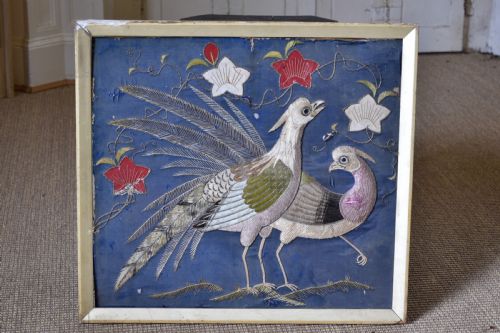
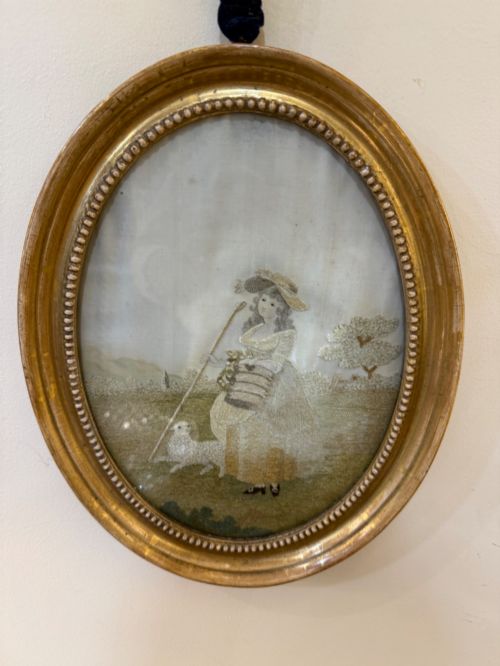
When you search for a vintage silk picture, you are looking at framed textile art, needlework, and paintings on silk spanning multiple centuries. The pieces on this page range from Georgian English needlework and samplers to traditional Chinese and Japanese silk works from the nineteenth and twentieth centuries.
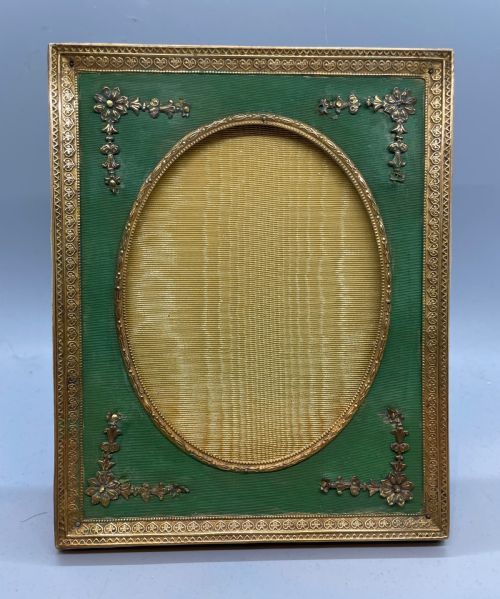
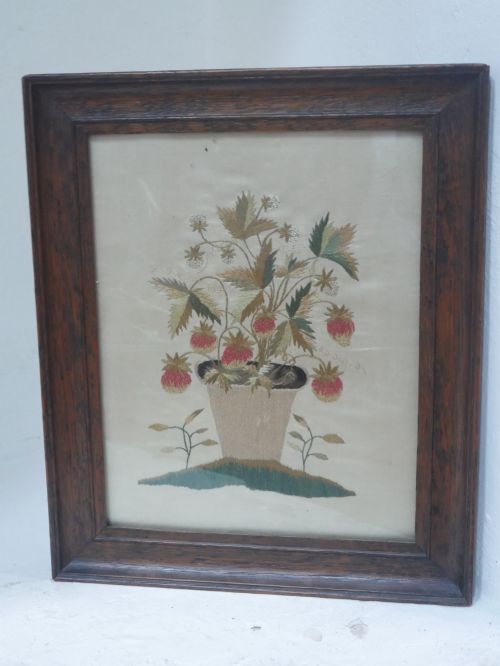
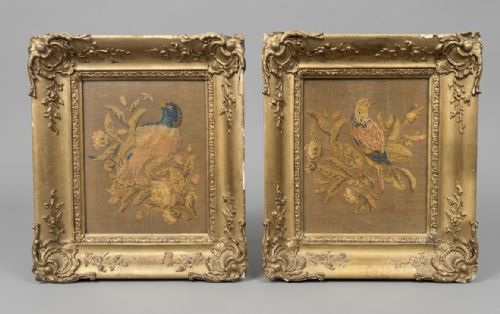
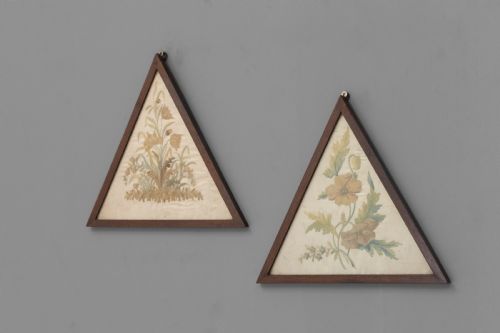
You are most likely to meet framed embroideries depicting birds, flowers, and figures, alongside map samplers and watercolour combinations. The forms vary from wall art and textile panels to table screens and framed photographs with damask surrounds.
How they were made
These works combine fine silk, wool, and linen textiles with detailed silk thread embroidery, watercolour paints, and occasionally giltwood or ormolu frames. Artisans stitched intricate patterns, birds, and botanical motifs directly onto fabric grounds.
Protection was paramount, with original glass frequently sealing the needlework or paintings to guard the delicate fibres against dust and handling. Frames of wood, gilt bronze, and carved stands completed the presentation of these textile pieces.
Vintage Silk Picture Retail Price Guide 2026
Typical asking prices for vintage silk picture among the pieces listed under this phrase on Sellingantiques today, from the lower quarter to the upper quarter. They describe what is for sale here now, not the wider market.
Listings feature textile art and needlework spanning from the seventeenth century through to the mid-twentieth century.
What varies in quality
The distinction between ordinary and exceptional pieces lies in the intricacy of the needlework and the preservation of the silk ground. Tighter, more complex stitching and well-rendered pictorial detail indicate superior craftsmanship from the period.
Condition of the textiles and the presence of period framing significantly influence the character of each piece. Intact glass protecting clean, unfaded silk threads separates the finest examples from those showing heavy environmental wear.
The Vintage Silk Picture Glossary
- Sampler
- A piece of needlework produced as a demonstration or test of skill, often featuring alphabets, numbers, and motifs. These date from the eighteenth and nineteenth centuries.
- Crewel work
- A type of surface embroidery utilising wool or silk thread on a linen or twill ground. It creates textured, traditional English designs.
- Chinoiserie
- A European style reflecting Chinese artistic influences, popular in decorative arts and textiles. It appears in framed panels and screens.
- Giltwood
- Wood that has been coated with gold leaf or a gold-coloured finish. This material is common in antique picture frames.
- Ormolu
- Cast brass that has been gilded with gold, used frequently for decorative mounts and photo frames. It adds weight and metallic contrast to fabric displays.
Vintage Silk Picture: Frequently Asked Questions
How do I hang a silk picture?
Hang these framed textiles away from direct sunlight to prevent the delicate silk threads and watercolours from fading over time. Ensure the wall brackets are secure to support the weight of the wood and glass frames.
Maintain stable room humidity to protect both the historical fabric and the wooden frames from warping or moisture damage. Professional picture hangers can assist with heavier giltwood or bronze framed pieces.
How do I date a sampler?
Many samplers include embroidered names, ages, and specific dates stitched directly into the fabric by the maker. Stylistic clues such as lettering fonts and border motifs also help place the piece within the eighteenth or nineteenth century.
Accompanying documentation or framing styles from periods like the Georgian or Victorian eras provide additional context for the age of the textile.
What is crewel work?
Crewel work is a traditional embroidery technique using wool or silk yarn to create dense, textured surface designs on linen. It frequently depicts flora and fauna in historic English needlework.
This technique produces a heavier, raised pattern compared to flat silk stitching, making the visual texture distinct on older wall art.