



Vintage Silk Carpet
A vintage silk carpet brings luminous pile and intricate regional patterning into a room, offering a tactile anchor rooted in historic weaving traditions.
Vintage Silk Carpet
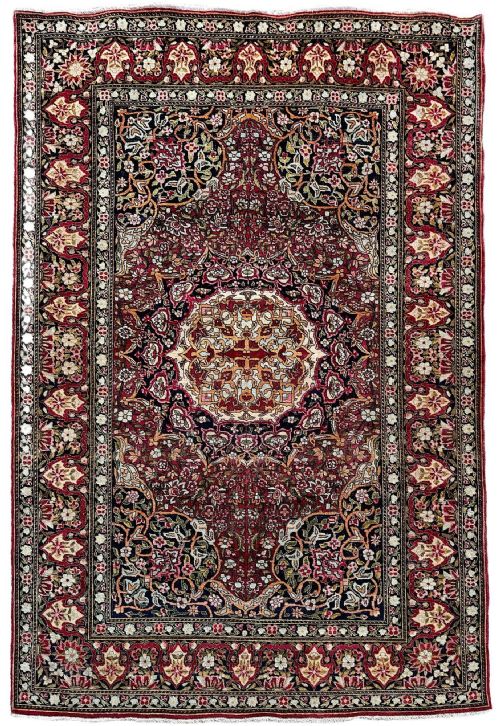
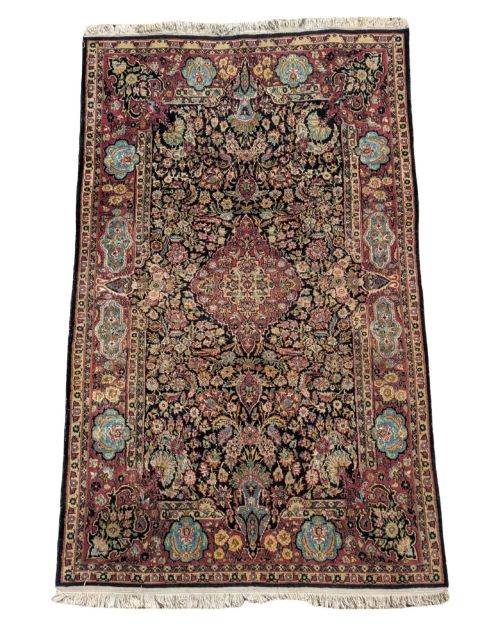
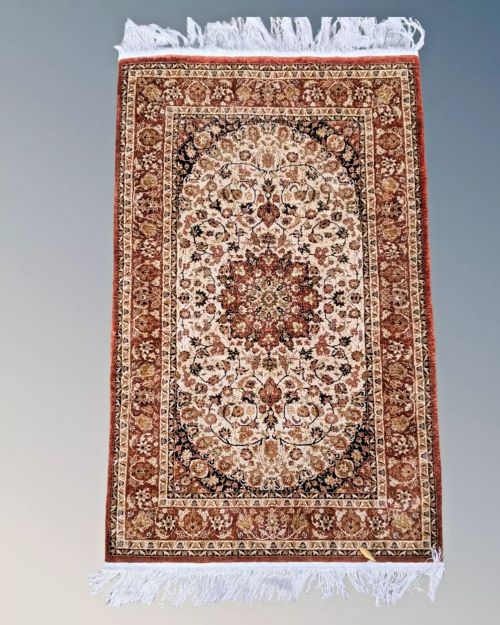
A vintage silk carpet represents a tradition of fine textile production spanning Persian, Anatolian, Central Asian, and Chinese origins. When searching for a vintage silk carpet, buyers encounter pieces ranging from compact prayer rugs and wall hangings to substantial room-sized floor coverings dated from the nineteenth century through the mid-twentieth century.
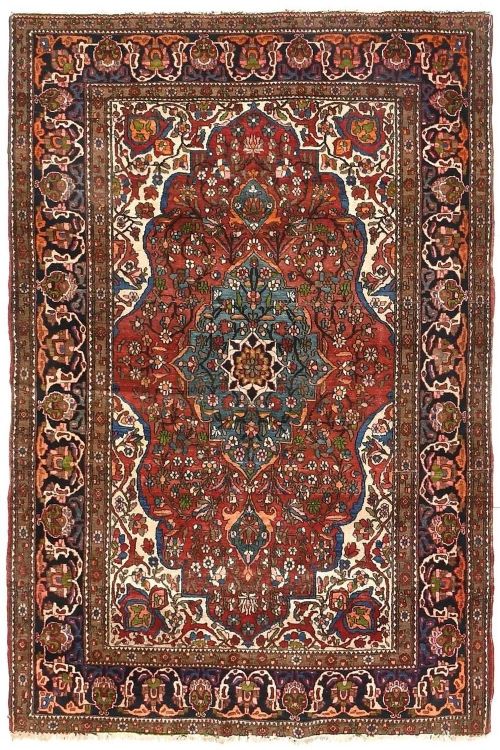
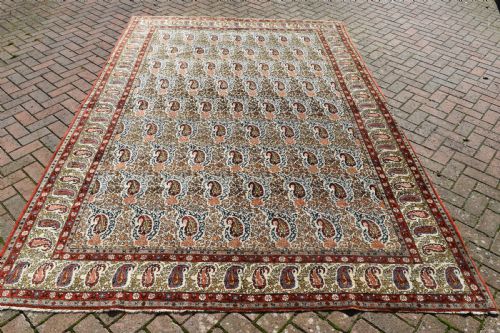
The most common examples on this page hail from Persian centres such as Qum, Isfahan, Tabriz, and Kashan, alongside Turkish Kayseri and Sivas weaving traditions. These regional workshops utilise silk pile, often paired with cotton foundations or wool highlights, to create detailed floral, medallion, and pictorial compositions.
Materials and construction methods
Weavers construct these textiles using pure silk, art silk, mercerised cotton, or sabra cactus fibre, frequently knotting the pile onto silk or cotton foundations. Certain pieces incorporate lambswool or wool highlights to add textural contrast and structural depth to the design.
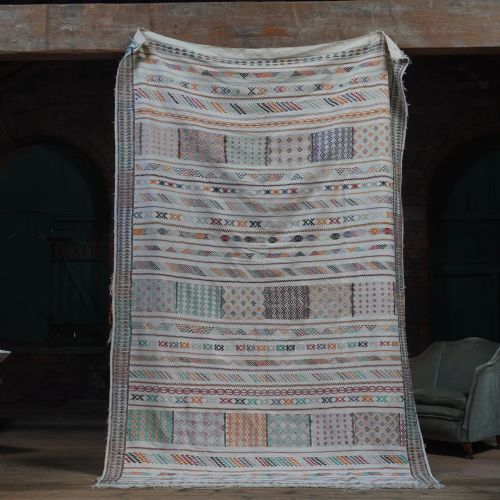
Traditional hand-knotting techniques allow for dense pile structures and high knot counts, particularly visible in Isfahan and Qum productions. Artisans also utilise floss silk and alternative vegetable fibres like cactus silk in specific Moroccan and Turkish tribal pieces.
Vintage Silk Carpet Retail Price Guide 2026
Typical asking prices for vintage silk carpet among the pieces listed under this phrase on Sellingantiques today, from the lower quarter to the upper quarter. They describe what is for sale here now, not the wider market.
Several nomadic Turkmen and Uzbek dowry rugs bring unexpected tribal flair to the selection, hiding brilliant silk highlights beneath heavy wool fields.
Distinctions in craftsmanship and material
The upper tier of these textiles relies on high knot density and fine silk foundations that permit intricate curves and precise pictorial details. Lesser examples might substitute art silk or incorporate mixed wool foundations with only minor silk highlights.
Execution of the design dictates visual success, where master workshops achieve crisp medallion outlines and balanced repeat patterns. Material purity also separates standard productions from superior works woven entirely in fine silk.
The Vintage Silk Carpet Glossary
- Pile
- The upright yarn loops or cut ends that form the usable surface of the carpet. This layer dictates the softness and sheen of the textile.
- Foundation
- The underlying grid of warp and weft threads that supports the knotted pile. Silk foundations provide exceptional structural stability for fine weaves.
- Medallion
- A symmetrical ornamental motif centred in the middle of the carpet field. Traditional Persian and Turkish designs frequently build their geometry around this focal point.
- Prayer Rug
- A smaller format rug featuring a mihrab or arch design indicating the direction of prayer. These pieces were traditionally used for personal devotion.
- Khotan
- A regional style originating from East Turkestan known for distinct geometric and floral motifs influenced by Chinese and Central Asian aesthetics.
- Senneh
- A historic weaving centre in Persia famous for fine, tightly knotted rugs utilising intricate Herati patterns and delicate colour palettes.
Vintage Silk Carpet: Frequently Asked Questions
How do I care for a silk carpet?
Vacuum gently without a rotating beater bar to protect the delicate pile and foundation threads from undue friction and pulling.
Professional specialist cleaning is essential for silk fibres, as household water and standard detergents cause permanent staining and watermarks.
Can I place a silk rug on the floor?
These textiles perform wonderfully as floor coverings in low-traffic areas like bedrooms, studies, or formal sitting rooms where heavy footfall is absent.
Using a quality underlay prevents slipping and cushions the delicate silk foundation against hard flooring surfaces.
What is art silk?
Art silk refers to artificial silk substitutes, commonly mercerised cotton or rayon, designed to mimic the lustrous sheen of natural silk.
Distinguishing between natural silk and art silk involves examining the fibre's response to touch and light, as true silk maintains a cool feel and shifting iridescence.
How do I identify a Qum rug?
Qum rugs originate from a central Iranian city renowned for producing exceptionally fine silk and wool-pile carpets with intricate garden, tile, or medallion designs.
They typically display a very tight weave and refined pastel or jewel tones that reflect mid-twentieth-century Persian workshop mastery.