


Vintage Silk Art
Vintage silk art brings together centuries of global textile traditions, offering richly textured wall hangings and paintings that transform living spaces with historic colour.
Vintage Silk Art
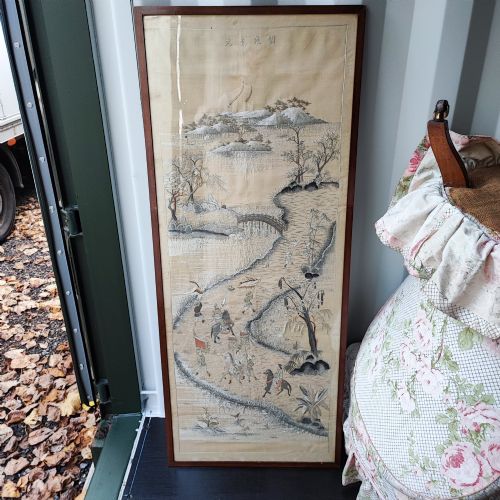
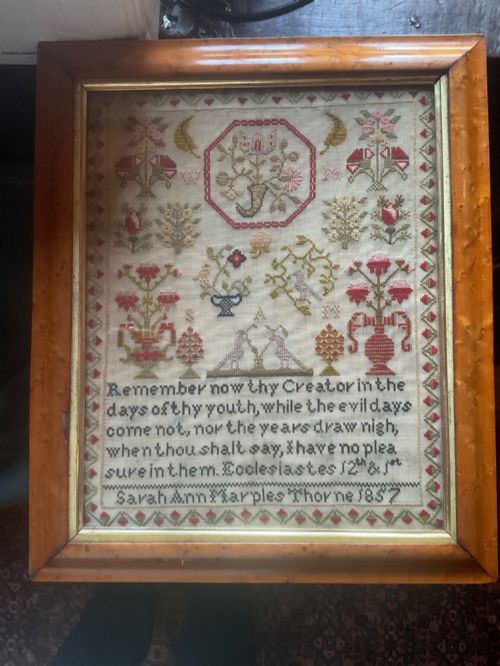
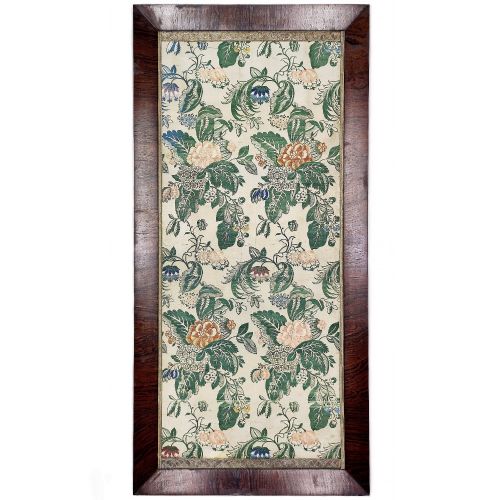
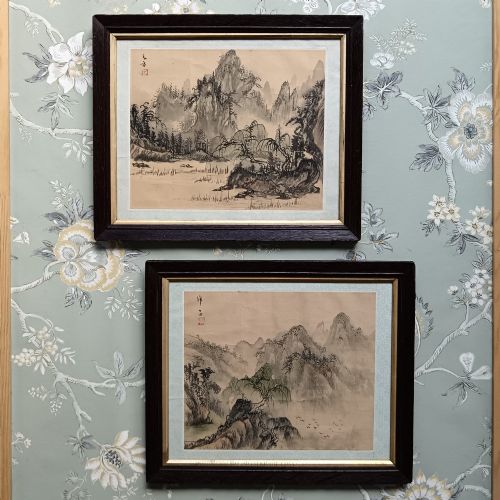
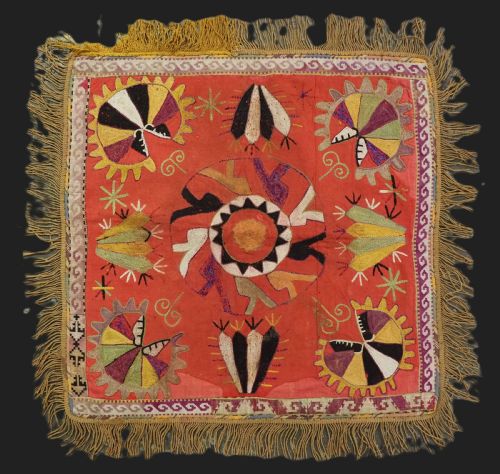
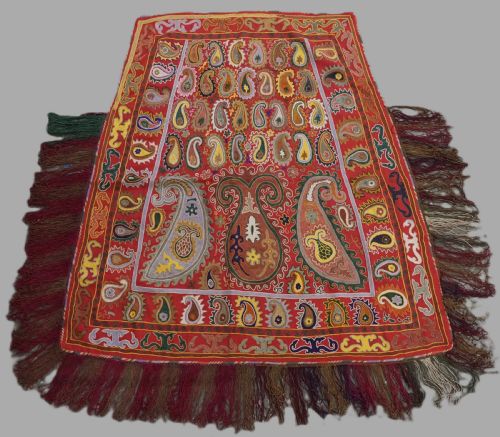
Vintage silk art encompasses a diverse range of textiles, wall hangings, and paintings created across multiple centuries and geographic regions. Buyers pursuing vintage silk art frequently encounter Central Asian tribal embroideries, Chinese silk paintings, and European needlework pieces.
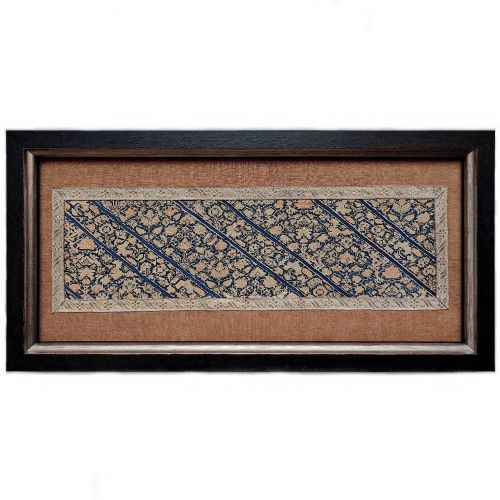
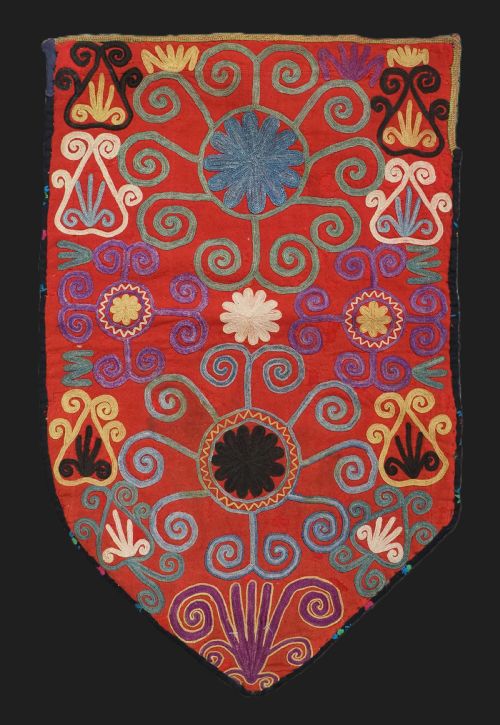
The selections span traditional forms such as framed scrolls, dowry embroideries, and ikat wall panels. Pieces originate from varied cultural contexts, including Uzbek tribal workshops, traditional Chinese studios, and Georgian households.
Materials and construction methods
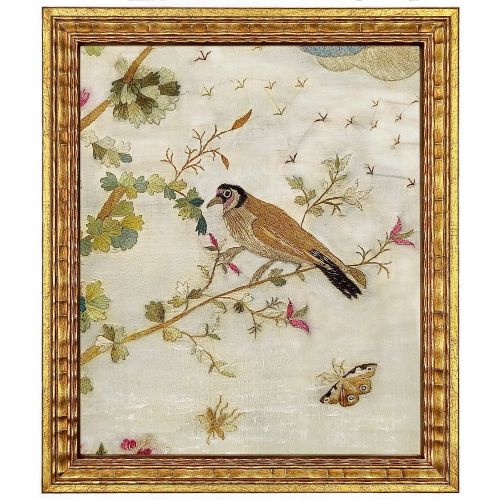
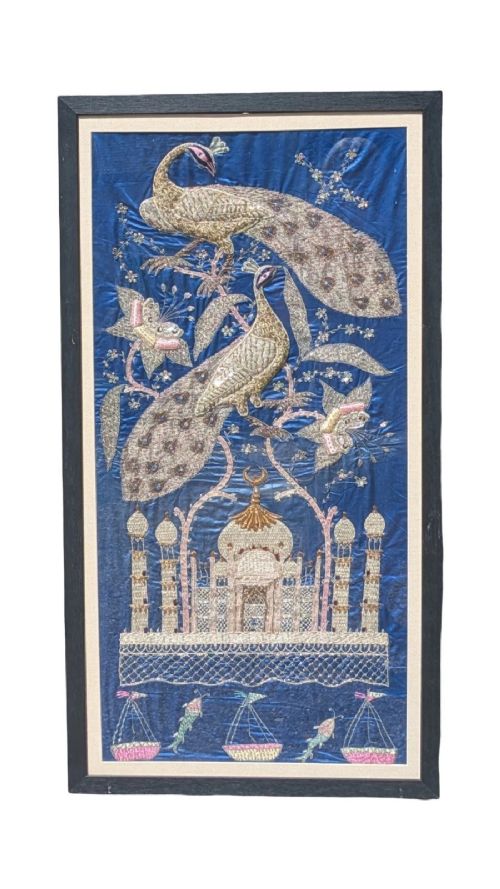
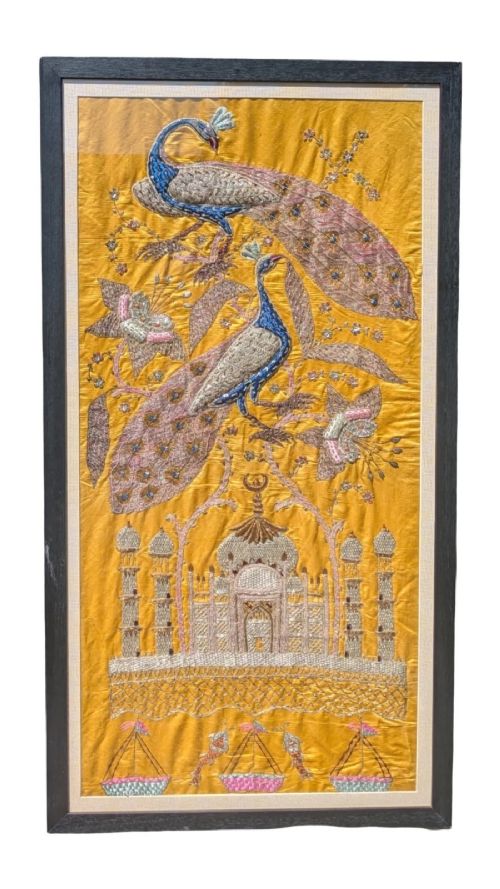
These works rely on delicate silk foundations combined with cotton grounds, wool, and metallic thread for added dimension. Artisans applied complex embroidery stitches, appliques, and gouache painting techniques directly onto the fabric surface.
Framing often incorporates glass, wood, and gilt elements to protect the fragile textiles while displaying them as wall art.
Vintage Silk Art Retail Price Guide 2026
Typical asking prices for vintage silk art among the pieces listed under this phrase on Sellingantiques today, from the lower quarter to the upper quarter. They describe what is for sale here now, not the wider market.
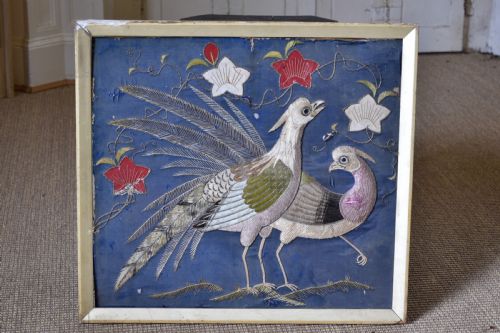
Among the embroidered menagerie are dedicated depictions of wasps, snow leopards, and peacocks immortalised in fine silk thread.
Distinguishing quality in silk works
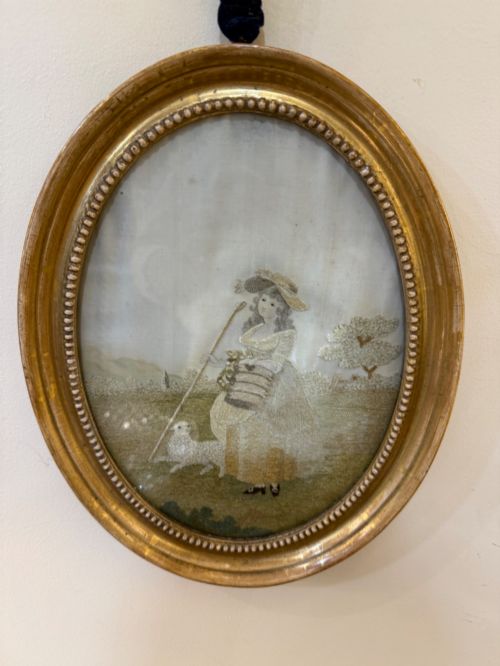
Quality rests upon the precision of the needlework, the density of the thread count, and the complexity of the pictorial composition. Master artisans achieved superior definition through intricate stitch control and harmonious colour palettes.
Preservation of the original fabric, minimal fibre loss, and authentic period framing elevate specific examples above standard decorative pieces.
R Lalique
The Vintage Silk Art Glossary
- Suzani
- Large, embroidered tribal wall hanging originating from Central Asia, typically worked in vibrant silk threads on a cotton or linen ground.
- Ikat
- A dyeing technique where yarn is resist-dyed prior to weaving, producing characteristic feathered pattern edges on silk and semi-silk fabrics.
- Ilgich
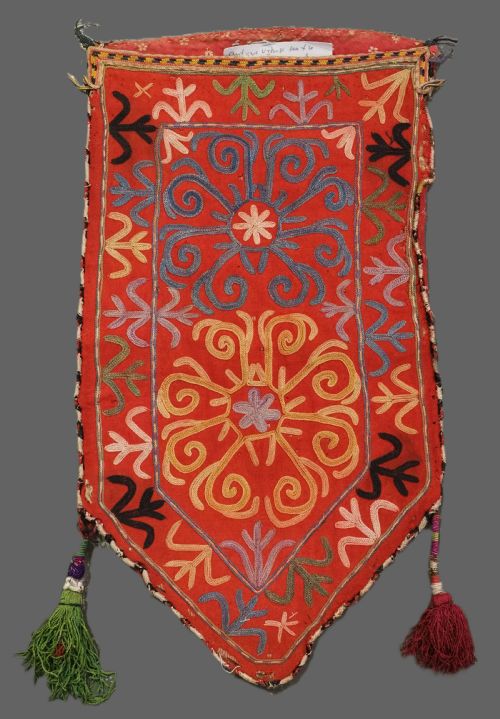
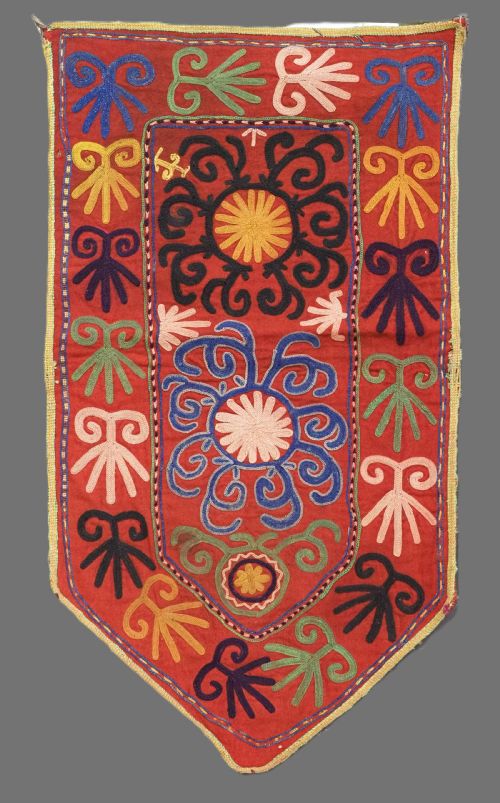
- A Central Asian dowry embroidery piece, often created by the Lakai tribe for wall decoration or domestic use.
- Chapan
- A traditional quilted and padded outer coat from Central Asia, constructed using patterned silk ikat textiles.
- Sampler
- A piece of needlework produced as a demonstration or test of skill, frequently featuring alphabets, motifs, and dates.
Vintage Silk Art: Frequently Asked Questions
How should I hang vintage silk art?
Display these textiles away from direct sunlight to prevent the silk threads and natural dyes from fading over time. Professional framing with UV-protective glass ensures the fabric remains secure and protected from environmental dust.
Ensure wall fixings are sturdy enough to support the frame, particularly for larger embroidered panels and heavy wooden frames.
Can I clean vintage silk textiles?
Water and standard cleaning agents cause irreversible damage to fragile silk fibres, metallic threads, and historic dyes. Dust the glass and frame gently with a dry microfiber cloth rather than attempting to clean the textile directly.
Consult a specialist textile conservator if the fabric requires deeper restoration or cleaning.
What is an ikat panel?
An ikat panel is a woven fabric created by tying and dyeing bundles of threads before mounting them on the loom. This meticulous preparation creates the signature blurred outlines seen in traditional Central Asian garments and wall hangings.
These panels showcase complex geometric and floral motifs through skilled dyeing execution.