



Vintage Silhouette Picture
A vintage silhouette picture captures profile likenesses in sharp contrast, offering an intimate glimpse into historical domestic life.
Vintage Silhouette Picture
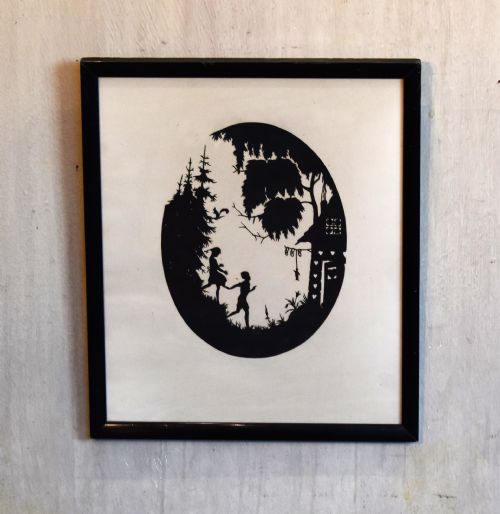
A vintage silhouette picture presents dark profile portraits mounted within traditional frames, capturing likenesses through cut paper or painted ink. These works frequently date from the nineteenth century, including examples produced during the Victorian and Georgian periods.
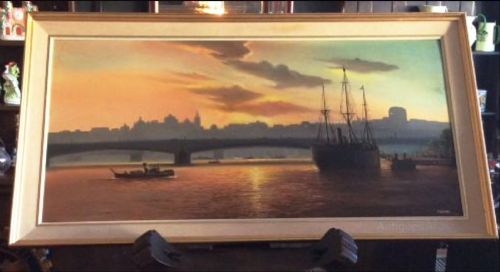
Collectors encounter diverse formats ranging from single portraits of gentlemen to elaborate group scenes featuring children, animals, and narrative subjects like Hansel and Gretel. The selection also encompasses framed prints, marine seascapes, and marquetry panels.
Origins span British school portraits and attributed works by prominent silhouette artists, framed predominantly in wood, maple, rosewood, or gilt wood under glass.
How they were made
These works rely on paper cutouts or ink applications mounted against contrasting backgrounds to define the profile image. Artisans enclosed the resulting portraits within wooden surrounds, utilising materials such as maple, rosewood, and gilt wood.
Protection under glass ensures the delicate paper surfaces and ink details survive intact over decades. Many pieces integrate specialised frames that complement the stark monochrome aesthetic of the profile.
Vintage Silhouette Picture Retail Price Guide 2026
Typical asking prices for vintage silhouette picture among the pieces listed under this phrase on Sellingantiques today, from the lower quarter to the upper quarter. They describe what is for sale here now, not the wider market.
Some nineteenth-century folk art silhouettes managed to capture the stubborn attitude of a family pony just as clearly as the master of the house.
What varies in quality
The precision of the cutting or brushwork dictates the refinement of the portrait, separating skilled hand-rendered likenesses from simpler decorative prints. Finer examples display meticulous attention to facial contours, costume details, and hair styling.
The composition of the framing materials also influences the character of the piece, with matched rosewood or maple surrounds elevating the presentation compared to standard frames. Attribution to established practitioners adds significant interest to individual works.
Bateman·Augustin Edouart
The Vintage Silhouette Picture Glossary
- Silhouette
- A portrait rendered as a solid dark shape, usually a profile, set against a pale background. This technique captures physical likeness purely through outline.
- Rosewood
- A dense, dark timber with distinct figuring frequently utilised for nineteenth-century picture frames. It provides a rich, polished border for delicate paper works.
- Gilt Wood
- Timber carved and coated with a thin layer of gold leaf or metallic paint. This finish adds bright decorative emphasis to the framing.
- Marquetry
- The art of applying pieces of veneer to a structure to form decorative patterns. These panels utilise varied wood grains to create pictorial scenes without paint.
Vintage Silhouette Picture: Frequently Asked Questions
What periods do vintage silhouettes come from?
These works primarily originate from the nineteenth century, spanning Georgian, Regency, William IV, and Victorian eras. Later examples extend into the twentieth century around nineteen twenty and nineteen thirty.
Makers utilised contemporary framing materials characteristic of each decade, ranging from rosewood to maple.
How were silhouette pictures displayed originally?
Owners typically hung these framed likenesses in parlours and domestic hallways alongside oil paintings and family photographs. Group arrangements often recorded multiple family members or narrative scenes.
Their dark profiles provided striking contrast against lighter wallpapered walls in traditional homes.
How should I care for a framed silhouette?
Keep these works away from direct sunlight to prevent the paper ground and ink from fading over time. Maintaining stable indoor humidity protects the delicate paper and wooden frames.
Glass fronts should be cleaned gently without allowing moisture to seep beneath the rebate into the artwork.