




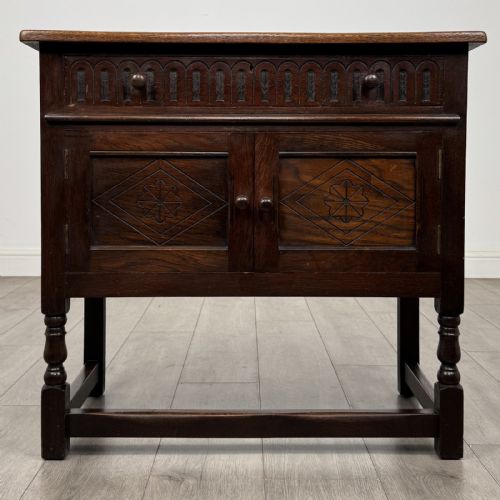
Vintage Sideboard Tables
These vintage sideboard tables combine functional storage with period timber craftsmanship, offering versatile display surfaces for dining rooms and living spaces.
Vintage Sideboard Tables
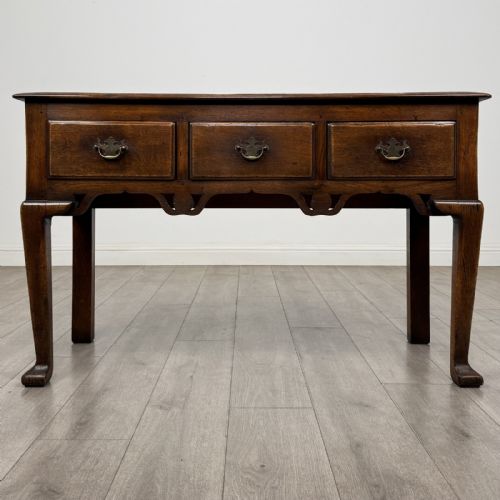
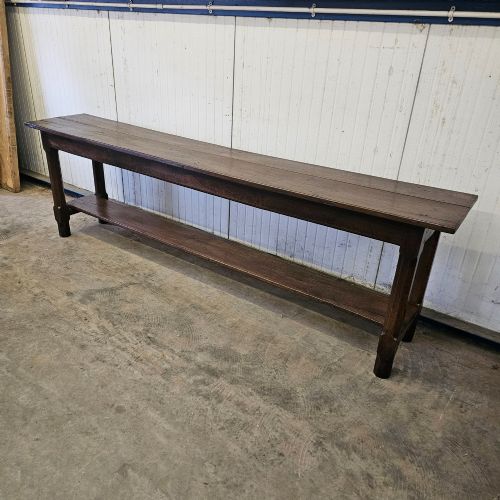
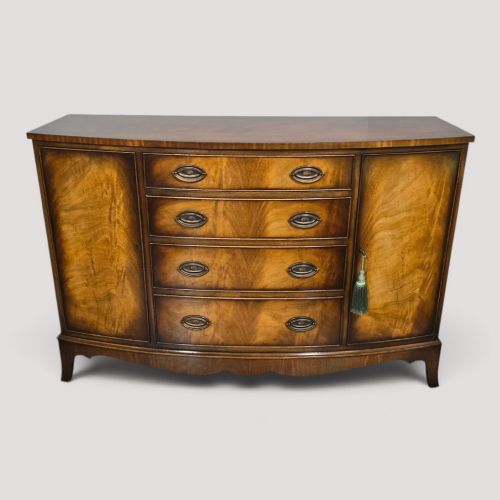
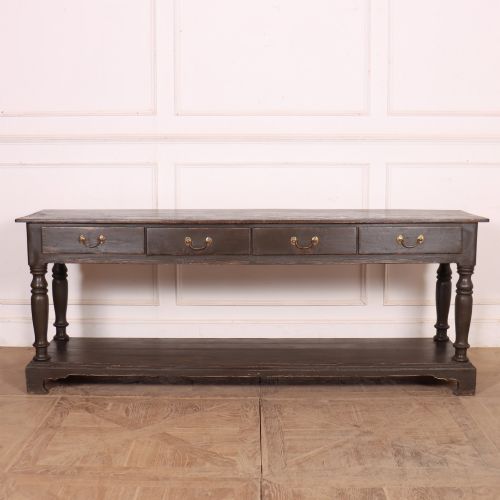
Vintage sideboard tables span multiple centuries of domestic furniture, encompassing robust oak dresser bases, refined mahogany servers, and compact side cabinets designed for dining and living areas. When searching for vintage sideboard tables, buyers encounter forms ranging from rustic country serving tables to elegant breakfront and bow-fronted designs.
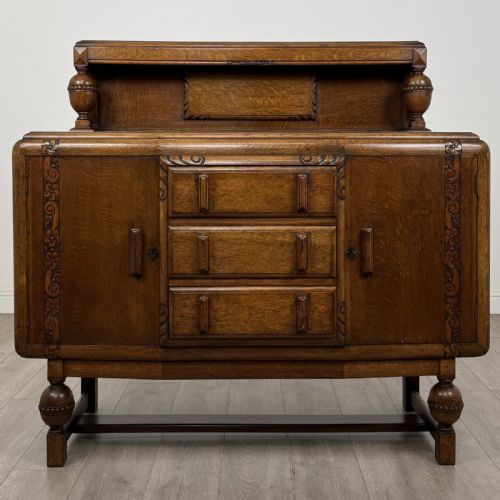
The selection includes pieces originating from the Edwardian and Georgian eras alongside nineteenth-century examples and twentieth-century interpretations in the Jacobean style. Common configurations feature fitted drawers, lower pot shelves, mirror backs, and cupboard spaces built for everyday utility.
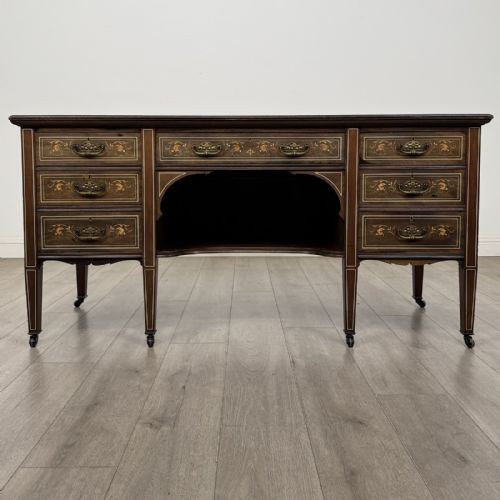
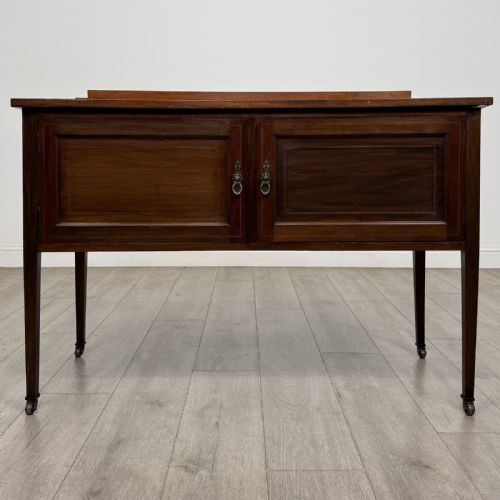
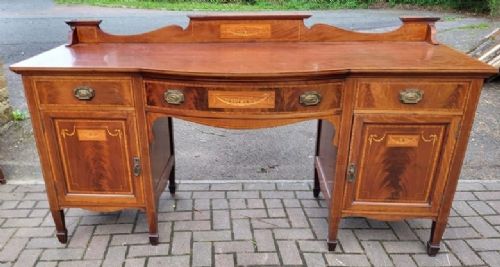
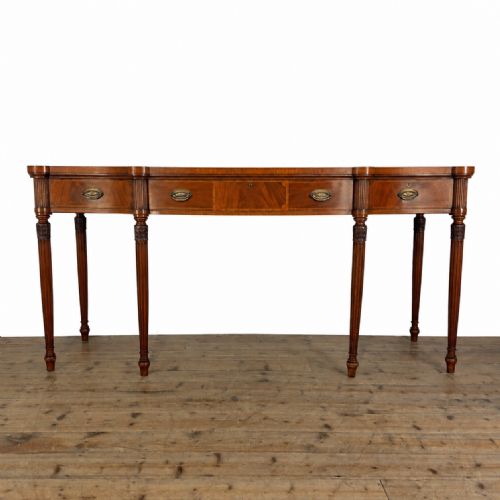
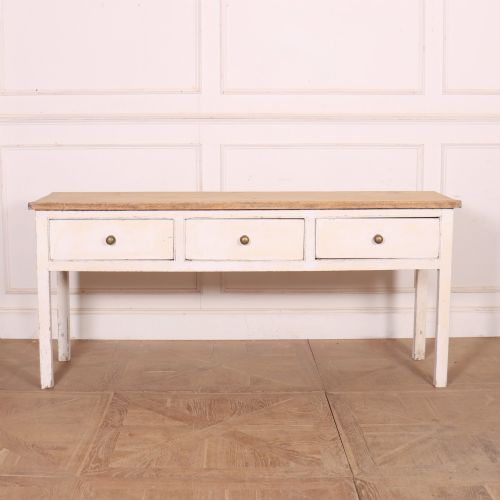
Makers and regional workshops produced these items in various woods, creating everything from simple painted pine bases to inlaid flame mahogany servers with tapered legs. Each piece reflects the prevailing style of its period, whether that is English country, Regency, or French country.
Materials and construction methods
Cabinet makers relied heavily on timber selection, utilising oak, mahogany, walnut, and satinwood for structural integrity and visual depth. Pieces often feature boxwood inlay, foliate marquetry, or burr walnut veneers to enhance the primary wood grain.
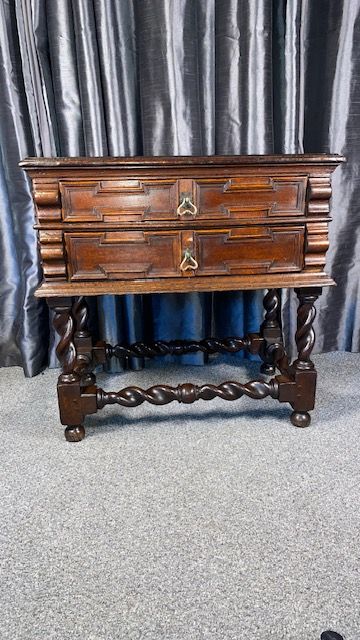
Construction techniques visible across the listings include hand-carved ornamentation, turned barley twist legs, tapered supports, and dovetailed drawers. Secondary details such as brass handles, reeded columns, and fitted bottle racks demonstrate the practical consideration given to dining and serving functions.
Vintage Sideboard Tables Retail Price Guide 2026
Typical asking prices for vintage sideboard tables among the pieces listed under this phrase on Sellingantiques today, from the lower quarter to the upper quarter. They describe what is for sale here now, not the wider market.
Listings feature oak, mahogany, satinwood, and pine, spanning periods from the eighteenth century through to the 1930s.
Assessing quality and craftsmanship
The distinction between standard utility items and finer examples rests upon the precision of the timber matching and the execution of decorative details like boxwood inlay or carved mouldings. Superior pieces exhibit well-figured mahogany or oak with balanced proportions and crisp joinery.
Hardware choice and interior arrangement also indicate grade, with original brass fittings, carefully fitted drawers, and secondary timbers like pine or oak used consistently throughout the carcass. The harmony between the original design, whether serpentine, breakfront, or demi-lune, and its current preservation defines the standing of an individual piece.
Maurice Adams
The Vintage Sideboard Tables Glossary
- Dresser base
- A low wooden storage unit featuring drawers and sometimes a lower shelf, traditionally used in kitchens and dining rooms for food preparation and serving.
- Potboard
- An open lower shelf fitted between the legs of a dresser base, originally intended for storing pots and pans.
- Marquetry
- Decorative veneer work arranged in intricate patterns or pictures using various woods and organic materials.
- Breakfront
- A cabinet design where the central section projects forward from the flanking outer sections.
- Serpentine
- A furniture front characterised by a gentle S-curve, curving outward in the centre and inward toward the ends.
Vintage Sideboard Tables: Frequently Asked Questions
What is a dresser base?
A dresser base is a low, sturdy wooden table fitted with drawers and occasionally a lower shelf or potboard. These items were originally built for country kitchens and dining spaces to store tableware and assist with food service.
Today, they function well as sideboards in modern dining rooms or hallways, offering durable surfaces and practical enclosed storage.
How do I style a sideboard?
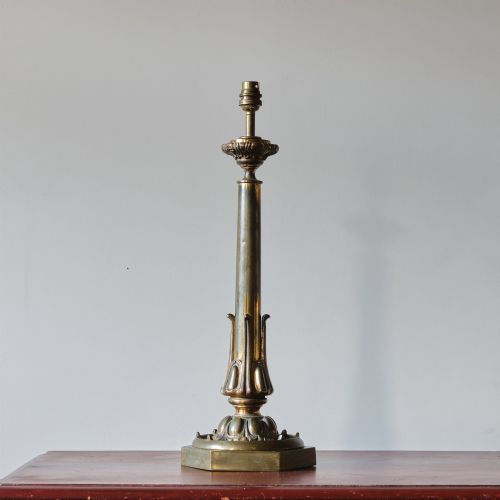
Sideboards provide versatile surfaces for displaying table lamps, ceramics, and decorative objects while keeping dining essentials hidden away below. Pairing a mirror-backed sideboard with complementary seating creates a balanced focal point in a dining room.
Keep the top surface uncluttered by utilising the fitted drawers and cupboards for linens, cutlery, and glassware.
Are these tables solid wood?
Many examples are constructed from solid native and imported timbers including oak, mahogany, and pine. Certain styles incorporate veneers such as flame mahogany or burr walnut applied over secondary woods to create decorative grain patterns.
Cabinet makers used these veneered surfaces to achieve striking visual effects that solid timber alone could not provide.
How do I identify the period?
Period identification relies on observing the combination of timber, structural joinery, leg styles, and decorative motifs present on the piece. For instance, turned barley twist legs often point toward Jacobean revival or Edwardian interpretations, while tapered legs frequently indicate Georgian or Edwardian influence.
Comparing the hardware, carcass construction, and overall silhouette against documented furniture styles helps narrow down the decade of manufacture.