

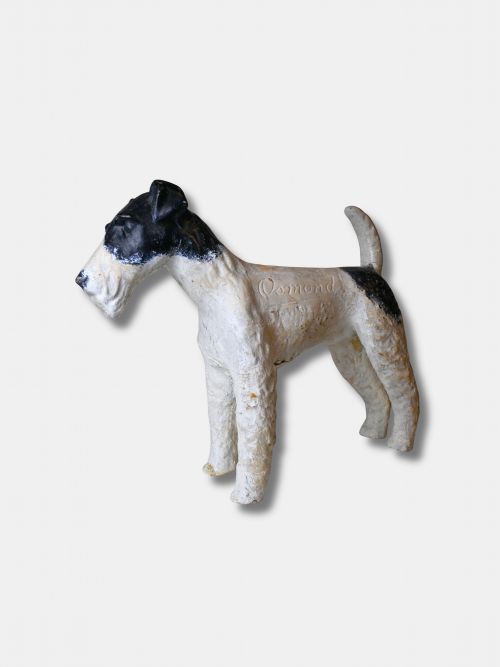


Vintage Shop Display Painting
These vintage shop display painting pieces combine trade utility with decorative artistry, offering characterful focal points for contemporary interiors.
Vintage Shop Display Painting
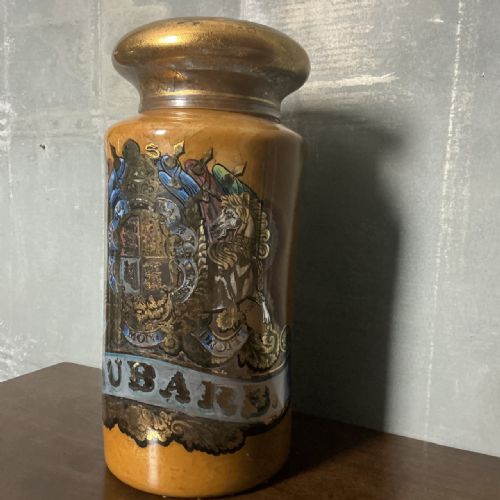
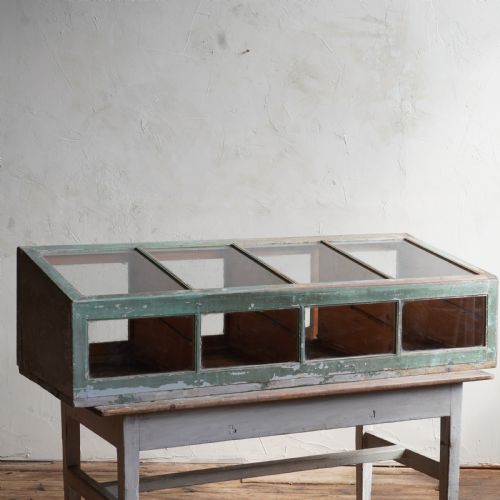
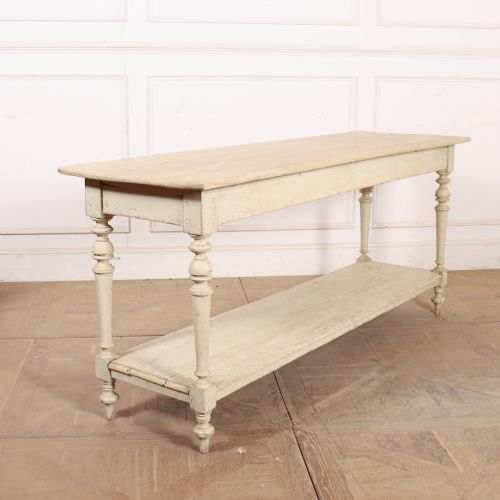
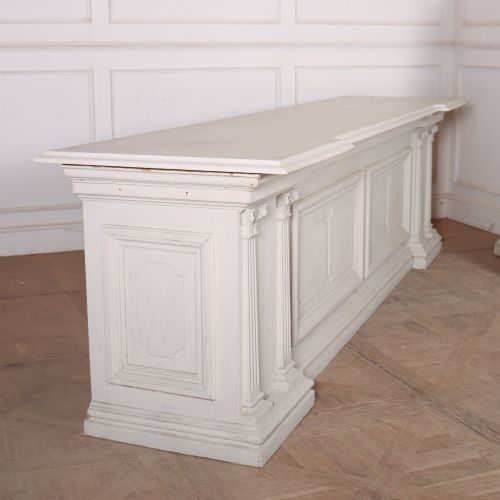
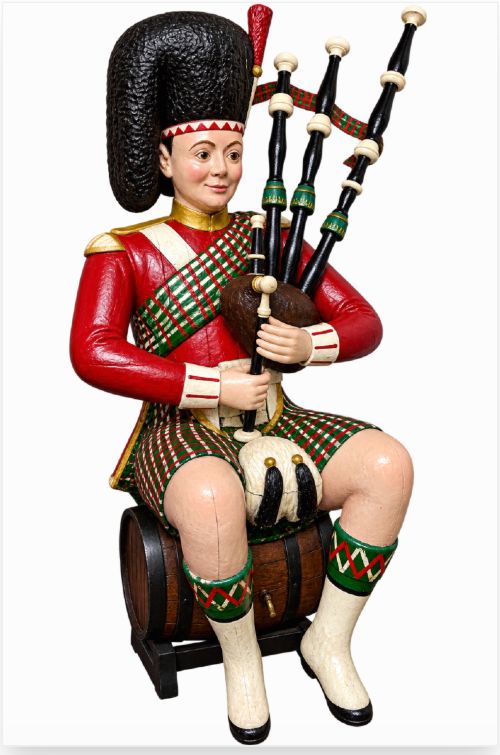
A vintage shop display painting search encompasses commercial fittings, trade signs, advertising figures, and display furniture originating from the Victorian period through to the 1930s. Buyers encounter painted counters, drapers tables, apothecary jars, trade signs, and mannequins that served active roles in nineteenth and early twentieth-century commerce.
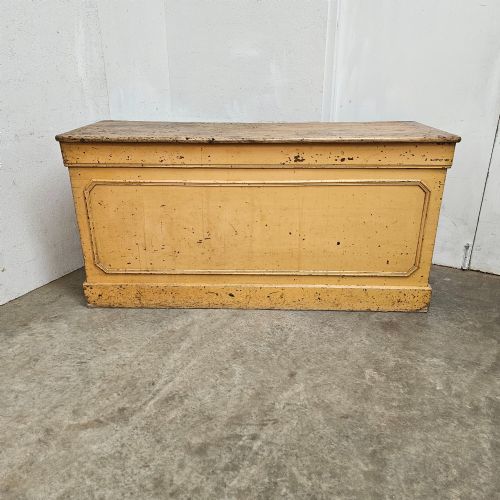
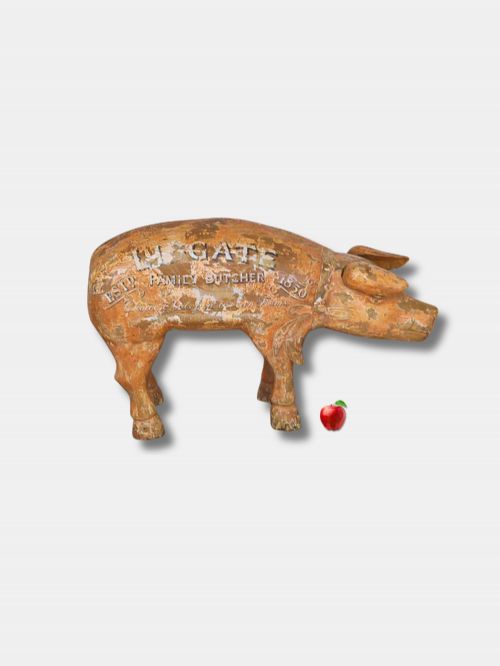
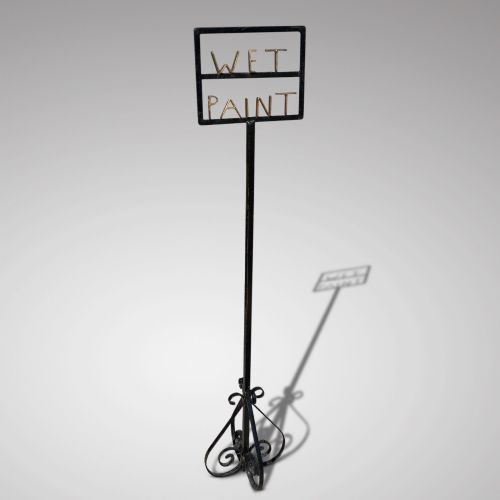
The selection on this page leans heavily toward utilitarian shop fittings, painted trade figures, and painted advertising displays in wood, iron, and glass. Pieces range from large pine drawer units and drapers tables to specific trade figures like butchers pigs and advertising signs from the 1860s to the 1930s.
How they were made
Makers utilised practical materials suited to heavy commercial use, predominantly pine, oak, and mahogany for furniture, alongside iron, brass, and metal for hardware and signs. Paint, glass, and plaster completed the construction of trade figures, jars, and applied advertising surfaces.
Techniques combined traditional cabinet making with sign-writing, hand painting, and casting in metal or plaster. Surfaces often retain original distemper, oil paint, or sign-written lettering applied directly to wood, tin, or glass.
Materials recorded across these pieces include paint, wood, pine, glass, metal, iron, brass, and plaster.
What varies in quality
The standard of a piece depends heavily on the integrity of its original surface and paintwork, with untouched layers demonstrating genuine commercial use. Altered or later repainted surfaces change the historical character compared to those carrying authentic signs of age.
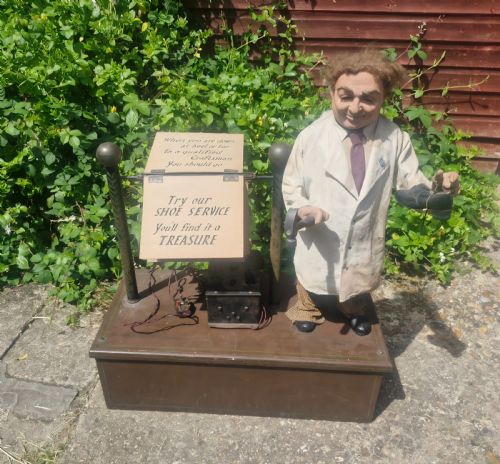
Construction depth and complexity separate standard utilitarian fittings from specialised trade figures, such as automated models or detailed carved figures. The survival of original glass, hardware, and specific lettering elevates the standing of an item within its category.
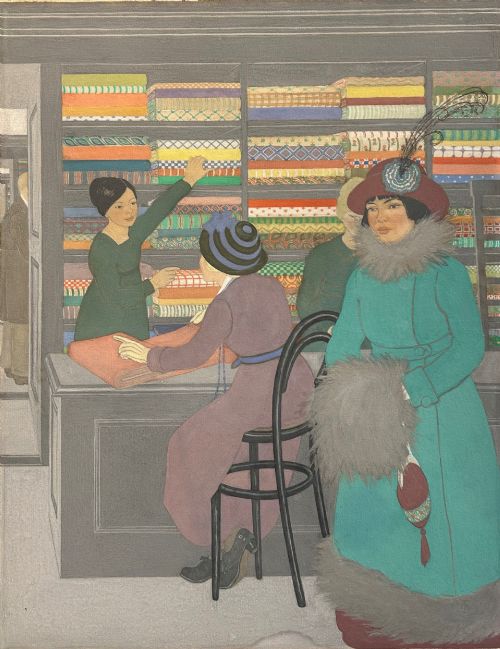
Beatrice Saunders·Albert Guillaume
The Vintage Shop Display Painting Glossary
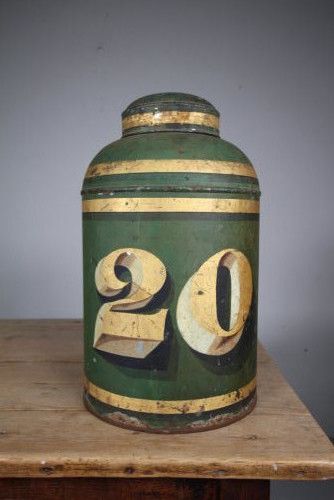
- Toleware
- Painted or lacquered metalware, often tin, used for utilitarian items like tea canisters and storage vessels. These pieces frequently feature decorative painted finishes suitable for shop display.
- Trade sign
- A board, figure, or painted object hung or mounted outside or inside a shop to advertise goods or services. They often employ bold lettering and figurative carving to attract customers.
- Dummy board
- A two-dimensional painted figure made from wood or metal, shaped to resemble a person or animal for display purposes. They sat in shop windows or rooms to create a trompe l'oeil effect.
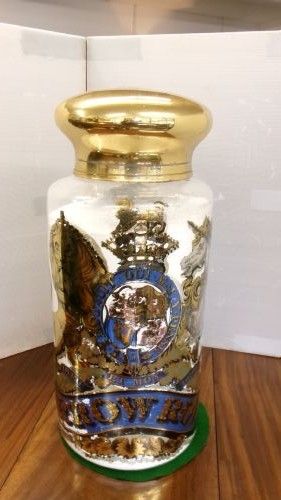
- Apothecary jar
- A glass or ceramic vessel used by chemists to store ingredients, herbs, or medicines. Larger examples often include painted labels or glass covers.
Vintage Shop Display Painting: Frequently Asked Questions
What is a shop display painting?
It refers to painted signs, furniture, and figures used historically inside or outside commercial premises to attract trade and organise goods.
These items range from large painted trade boards and gilded glass signs to decorated counters and advertising figures created in the nineteenth and early twentieth centuries.
How were trade figures used?
Traders placed figures such as carved animals, mannequins, and human trade representations inside shops or windows to signal the specific goods sold within.
For example, butchers utilised metal or plaster pig figures, while tobacconists and drapers used carved figures or mannequins to draw customer attention from the street.
How do I identify Victorian shop fittings?
Victorian shop fittings typically feature dense timbers like pine, oak, or mahogany, constructed for heavy daily use in apothecaries, drapers, and grocery stores.
Look for bank of drawers configurations, hand-painted signage, and original hardware like brass pulls and dovetailed joints that indicate nineteenth-century manufacture.
Can I use trade signs outdoors?
Most antique painted trade signs and ironwork were designed for exterior or semi-protected commercial environments, but surviving historical pieces benefit from stable indoor conditions.
Exposing fragile painted wood, plaster, or early tin to modern weather risks degrading the original surface patination and paint layers.