









Vintage Shop Advertising Display
A vintage shop advertising display brings the character of nineteenth and early twentieth century commerce into a modern room.
Vintage Shop Advertising Display
A vintage shop advertising display encompasses trade signs, countertop cabinets, and figures that once promoted goods in Victorian and Edwardian mercantile spaces.
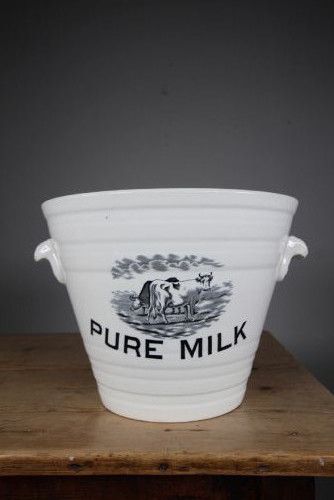
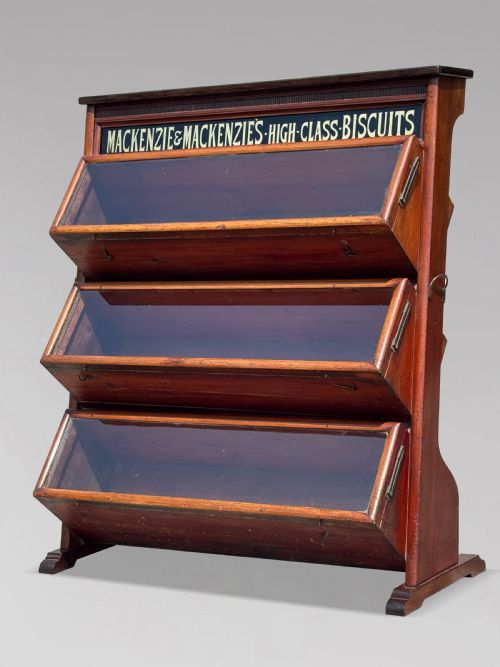
The selections available here range from mahogany display cabinets and ironstone dairy pails to painted timber trade signs and composition mannequins.
Most pieces originate from British and European commercial interiors spanning the nineteenth century through to the art deco era of the 1930s.
Materials and Construction
Makers utilised dense timbers such as mahogany, oak, walnut, and cedar alongside glass panels to construct durable countertop cases and vitrines.
Surface decoration relies on traditional paintwork, hand sign-writing, and glazed ceramics, complemented by brass hardware and iron fittings.
Figures and display models employ carved wood, composition, plaster, and painted glass, reflecting the commercial crafts of the period.
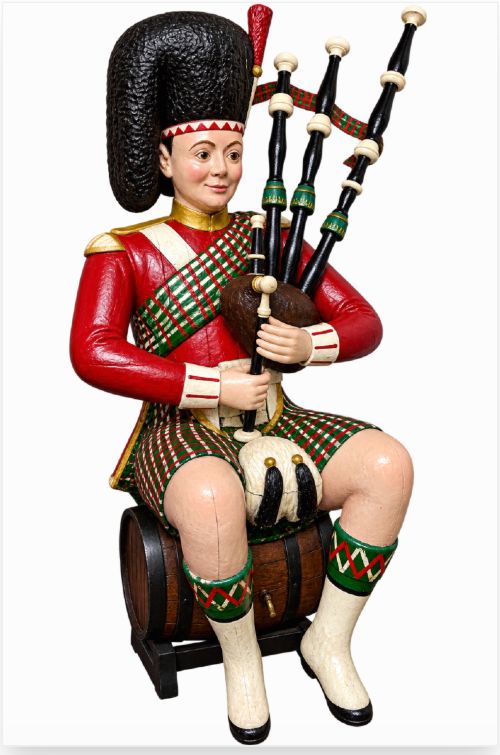
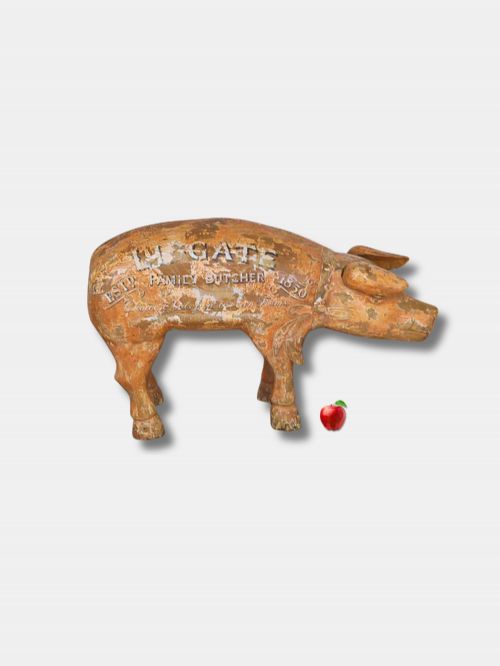
Watch out for plaster butchery pigs and carved highland bagpipers keeping eternal watch over empty shop floors.
Merit and Distinction
Quality rests in the integrity of original painted lettering, the clarity of the glass, and the preservation of authentic surface patination.
Mastery shows in the crispness of hand-carved trade figures and the robust joinery of glazed cabinetry built to withstand heavy retail use.
Pieces bearing specific period brand names or retaining their original factory finishes command greater interest than later adaptations.
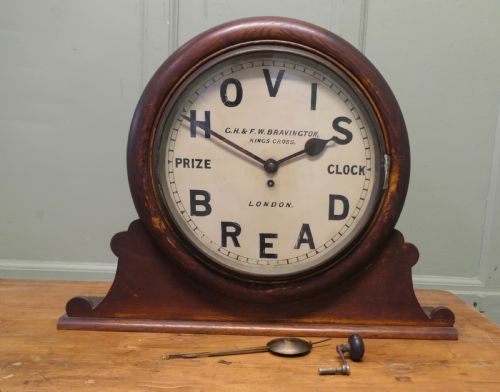
G.H. & F.W. Bravington London·Ermen and Roby
The Vintage Shop Advertising Display Glossary
- Trade sign
- A board, figure, or illuminated piece hung outside or placed inside a shop to identify the business or goods sold. These objects rely on bold graphics to attract passing customers.
- Vitrine
- A glass-fronted cabinet or display case designed to protect and showcase delicate merchandise. Such pieces often feature glazed doors and timber framing.
- Countertop cabinet
- A smaller glazed case positioned on a shop counter for immediate customer inspection of confectionary or small wares. They frequently incorporate brand sign-writing.
- Dummy board
- A flat, painted wooden silhouette of a person or animal placed in a shop window or interior as a display figure. They originate in earlier centuries but persisted into the twentieth.
- Composition
- A moulded material made from a mixture of pulped paper, chalk, resin, and glue, pressed over a wire armature. Makers used it to form lightweight shop display mannequins.
Vintage Shop Advertising Display: Frequently Asked Questions
What were shop display cabinets used for?
Merchants used glazed cabinets on counters and shelves to keep valuable goods like chocolate, tobacco, and jewellery visible yet secure from handling.
The glass protected delicate items from dust and moisture while allowing customers to view the merchandise clearly.
How do I identify a trade sign?
Trade signs feature bold hand-painted lettering, carved wooden forms, or painted glass designed to advertise specific trades or food products.
They were built for high visibility in bustling Victorian and Edwardian shopping streets rather than for domestic decoration.
Where should I place a display cabinet?
These cabinets suit living rooms, kitchens, or studies where their glazed shelving can hold collections of small ceramics, glass, or books.
Keep them away from direct sunlight and damp environments to protect the antique timber and original painted surfaces.
How can I date an advertising figure?
Dating relies on examining the construction materials, such as early composition, plaster, or carved wood, alongside the clothing style of mannequins.
Typography, paint pigments, and fixings also provide reliable clues to whether a piece belongs to the Victorian or art deco period.