



Vintage Sewing Collectibles
Vintage sewing collectibles combine fine metalwork and domestic utility, offering small silver novelties and fitted tools that appeal directly to the collector of miniature objects.
Vintage Sewing Collectibles
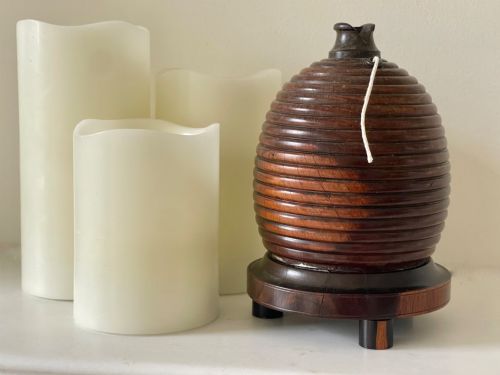
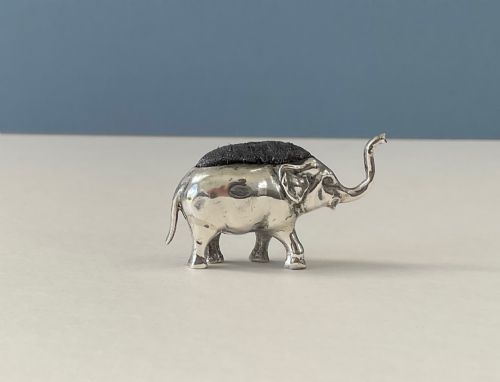
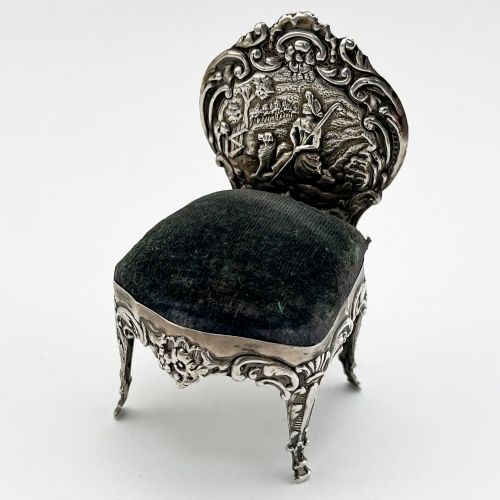
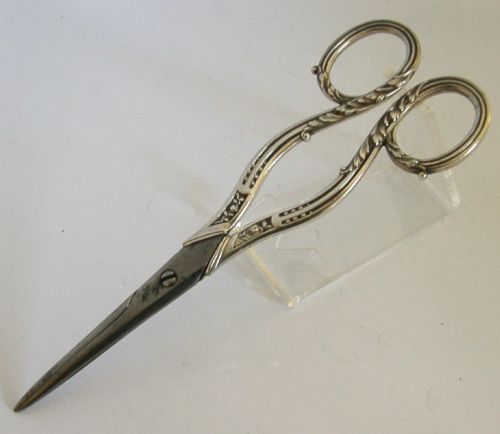
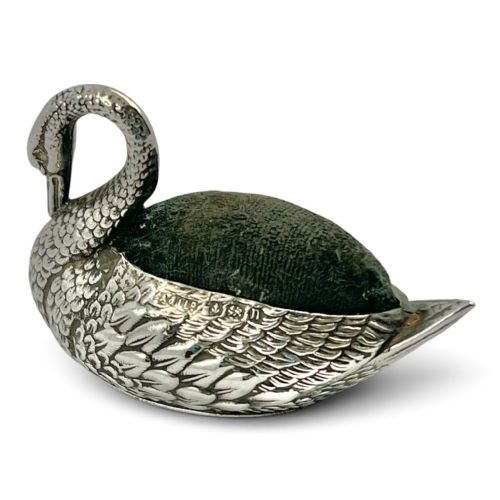
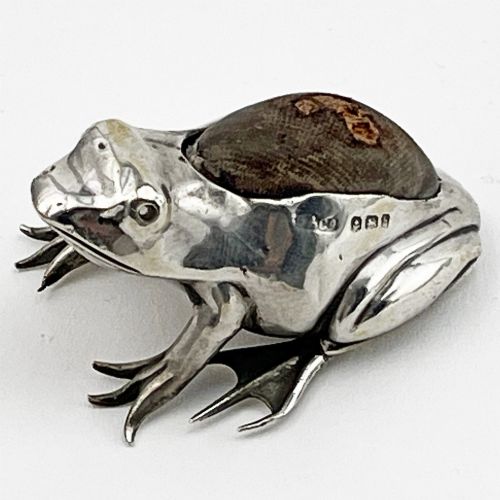
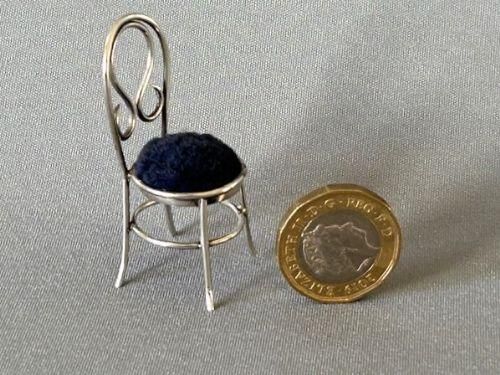
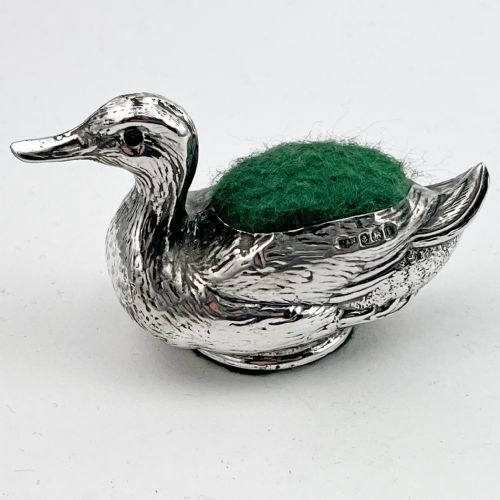
The most common form on this page is the novelty silver pin cushion, rendered in imaginative shapes ranging from animals like swans, pigs, and frogs to everyday items like shoes, cars, and railway lamps. Such pieces rely on detailed metalwork paired with textile inserts. They reflect a period when domestic sewing implements doubled as playful desk ornaments and conversation pieces.
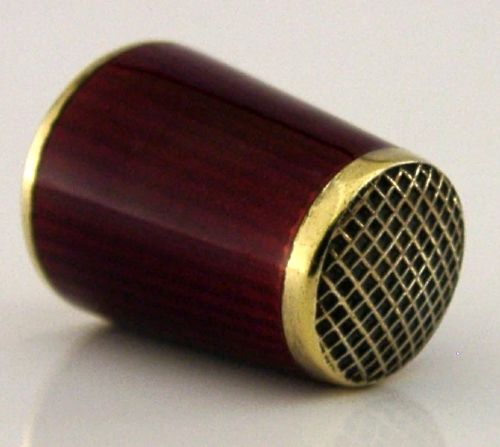
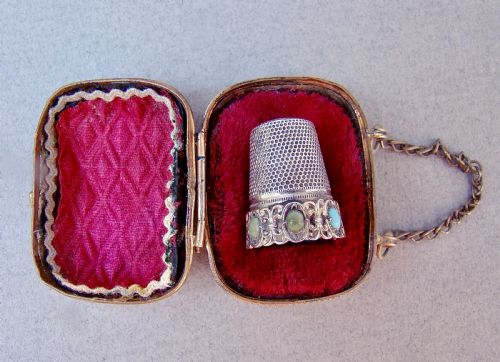
Alongside figural pin cushions, the inventory includes fitted thimble cases in ormolu and corozo nut, housing silver thimbles that often bear hallmarks from assay offices in Birmingham and Chester. Pieces stretch from nineteenth-century French chatelaines to mid-century Scandinavian designs. This variety allows collectors to trace shifts in design from ornate nineteenth-century work to cleaner twentieth-century forms.
Distinctions in craftsmanship and design
Quality in these items rests on the crispness of the casting and the depth of the hand-chased detail on silver novelty figures. Top-tier pieces exhibit realistic anatomy on animal pin cushions and clear, legible hallmarks that verify maker marks and assay towns. Lesser examples display softer lines where the metal mould has worn or where chasing is shallow and indistinct.
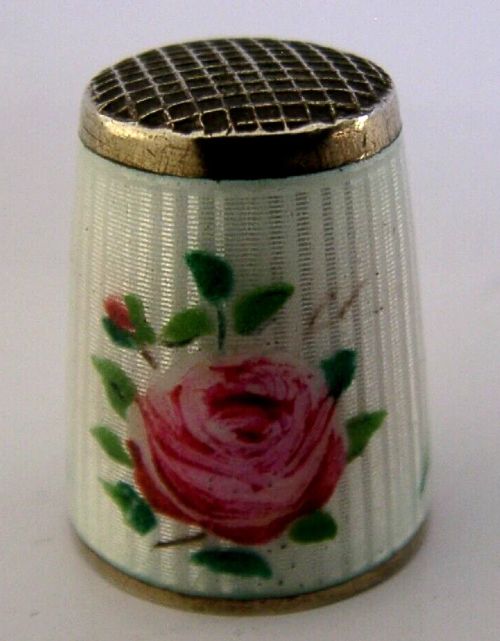
The integrity of the original components also determines standard, such as retaining the matching velvet pad inside a pin cushion or the correct fitted thimble within its ormolu or corozo case. Pieces that combine multiple materials, like silver set with stones or vibrant enamel applied over guilloché engraving, demand higher technical skill. The retention of original patination without over-cleaning preserves the definition carved by the silversmith.
Vintage Sewing Collectibles Retail Price Guide 2026
Typical asking prices for vintage sewing collectibles among the pieces listed under this phrase on Sellingantiques today, from the lower quarter to the upper quarter. They describe what is for sale here now, not the wider market.
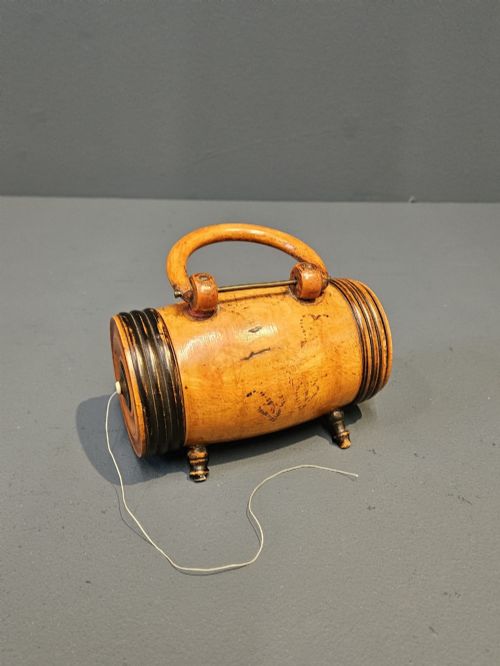
Object forms include figural animals, miniature shoes, railway lamps, and cotton reel holders spanning multiple European origins.
David Andersen·Walter And George Myers·Charles Horner
The Vintage Sewing Collectibles Glossary
- Chatelaine
- A decorative belt hook worn with suspended chains carrying household and sewing implements such as scissors, thimbles, and keys. It functioned as both a practical toolkit and a status ornament for the Victorian household.
- Pin Cushion
- A stuffed textile pad, often mounted inside a silver figural or novelty container, used to hold sewing pins securely. They frequently take the form of animals, birds, or transport objects.
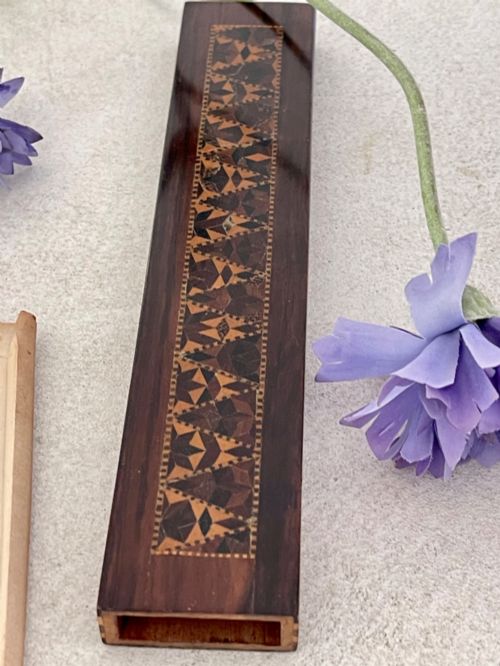
- Tunbridge Ware
- A type of woodwork characterised by mosaic patterns formed from tiny blocks of naturally coloured woods to create pictorial designs on boxes and holders. This technique originated in the Kent town of Tunbridge Wells.
- Ormolu
- Gilded brass or bronze used for decorative mounts, chatelaines, and protective cases during the nineteenth century. It provides a bright gold-coloured finish without using solid gold.
- Corozo Nut
- The hard, dense seed of the ivory palm, carved to create small containers and thimble cases. It serves as an organic alternative to bone or ivory.
Vintage Sewing Collectibles: Frequently Asked Questions
What are vintage sewing collectibles?
Vintage sewing collectibles are small decorative and functional objects used in needlework, spanning the nineteenth and twentieth centuries. They include silver pin cushions shaped as animals, decorated thimbles, and fitted chatelaine cases.
These pieces were produced by silversmiths and manufacturers primarily in Britain, France, and Scandinavia. They combined utility with ornamental design for domestic use.
How were silver pin cushions used?
Silver pin cushions held pins close at hand during sewing and embroidery tasks in Victorian and Edwardian parlours. They sat on dressing tables or sewing desks as decorative ornaments.
The textile pad secured the pins while the silver body protected the points and provided a whimsical display piece for guests to admire.
How do I date an Edwardian sewing piece?
Dating an Edwardian piece relies on examining stamped hallmarks, maker marks, and assay office symbols found on the silver components. Birmingham and Chester stamps often provide specific operational years.
Style also offers clues, as Edwardian novelty pieces frequently depict animals, motor cars, and playful subjects that reflect the leisure interests of the early twentieth century.
How should I display sewing collectibles?
These small objects display well grouped together in glass cabinets or on dedicated trays where their fine detail can be appreciated up close. Keeping them away from direct sunlight protects fabric pads and enamel surfaces.
Grouping items by material, such as placing silver novelty animals alongside fitted cases, highlights the diverse manufacturing techniques of the period.