




Vintage Sewing Chest
A vintage sewing chest brings refined craftsmanship and practical storage to a room, offering clever compartments for small treasures and needlework.
Vintage Sewing Chest
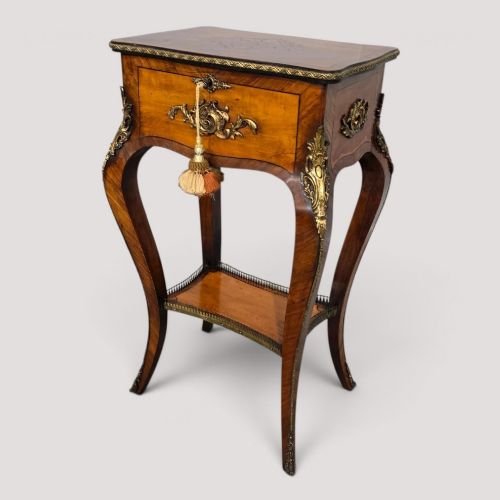
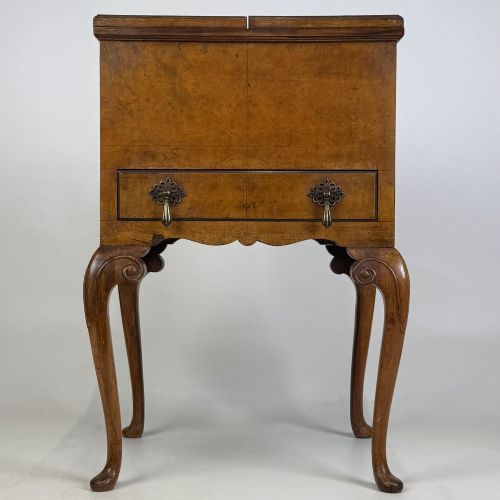
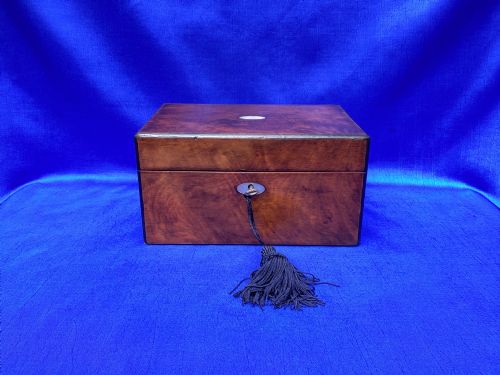
A vintage sewing chest encompasses traditional work tables, fitted boxes, and haberdashery cabinets designed for storage and display. These pieces range from Victorian rosewood workboxes with mother-of-pearl inlay to Edwardian burr walnut cabinets raised on cabriole legs.
Buyers frequently encounter compact occasional tables and freestanding jewellery boxes alongside specialised sewing cottons display cases. The selection spans distinct eras including Regency, William IV, Victorian, and the 1920s.
Forms vary from tabletop trinket boxes to substantial freestanding pieces with satinwood, mahogany, and walnut construction. Each iteration reflects the domestic pursuits and interior fashions of its specific period.
Materials and Construction
Cabinetmakers utilised fine timbers such as mahogany, rosewood, walnut, and satinwood, frequently selecting burr walnut for its striking grain. Surfaces were enhanced with intricate details including brass hardware, silver stringing, and mother-of-pearl inlay.
Specialist items incorporate glass panels and fabric linings to display haberdashery contents like Chadwick's or Ermen & Roby sewing cottons. Frames employ traditional joinery suited to tables, chests, and lidded boxes.
Vintage Sewing Chest Retail Price Guide 2026
Typical asking prices for vintage sewing chest among the pieces listed under this phrase on Sellingantiques today, from the lower quarter to the upper quarter. They describe what is for sale here now, not the wider market.
Materials represented include burr walnut, rosewood, mahogany, satinwood, and mother-of-pearl.
Judging Quality and Execution
Superior examples demonstrate refined timber selection, particularly in figured veneers like burr walnut or satinwood, paired with precise joinery. The intricacy of decorative elements, such as Tunbridge Ware patterning or silver stringing, distinguishes finer pieces from simpler utility chests.
Construction integrity and the survival of original fitted interiors dictate the standing of a piece. Well-preserved internal compartments and sturdy, elegant leg forms, including cabriole supports, elevate the status of a work table or cabinet.
Chadwick’s·Ermen & Roby
The Vintage Sewing Chest Glossary
- Tunbridge Ware
- A form of woodworking characterised by mosaic designs made from tiny wood blocks of various natural colours. This technique created detailed geometric or pictorial scenes on trinket boxes.
- Work Box
- A portable container fitted with compartments for sewing implements, threads, and crafting tools. These boxes often featured hinged lids and lockable mechanisms.
- Haberdashery Cabinet
- A piece of furniture originally used in shops or homes to store sewing notions, buttons, and threads. Surviving examples often retain original branded glass displays.
- Stringing
- Thin inlay lines of contrasting wood or metal set into the surface of a furniture piece to create a border. It is frequently seen on mahogany and rosewood surfaces.
- Cabriole Leg
- A furniture leg that curves outward and then tapers inward, finishing in a decorative foot. This style gained prominence in various revival periods.
Vintage Sewing Chest: Frequently Asked Questions
How were sewing chests used historically?
These chests and boxes served as central repositories for threads, needles, fabrics, and small personal valuables. They kept domestic sewing and mending implements organised within easy reach in the parlour or bedroom.
Fitted interiors often included trays and specialised compartments for spools and pins. Many doubled as decorative occasional tables or portable workboxes for ladies of the household.
What materials are typical for these pieces?
Cabinetmakers relied heavily on dense hardwoods such as mahogany, walnut, and rosewood. Decorative veneers like burr walnut and satinwood provided rich visual texture to the exterior surfaces.
Detailing frequently involved brass mounts, mother-of-pearl inlay, and silver stringing. Glass and fabric elements appear primarily in specialised display cases and lined compartments.
How do I date a vintage sewing chest?
Dating relies on stylistic markers, timber choices, and construction methods characteristic of periods like the Victorian era or the 1920s. Regency and William IV pieces often display heavier classical proportions and distinct leg turning.
Edwardian items frequently feature lighter walnut frames and cabriole legs. Inscribed labels, maker stamps on display cases, and specific hardware styles also help narrow the period.
How do I integrate a sewing chest into modern rooms?
A small work table or jewellery cabinet functions effectively as a bedside table or an occasional surface beside a sofa. The internal compartments remain useful for organising modern accessories, stationery, or sewing supplies.
Freestanding cabinets and display cases add historical character and textural warmth to a living space. Their compact footprints allow them to fit easily into hallways or studies.