
Vintage Settee
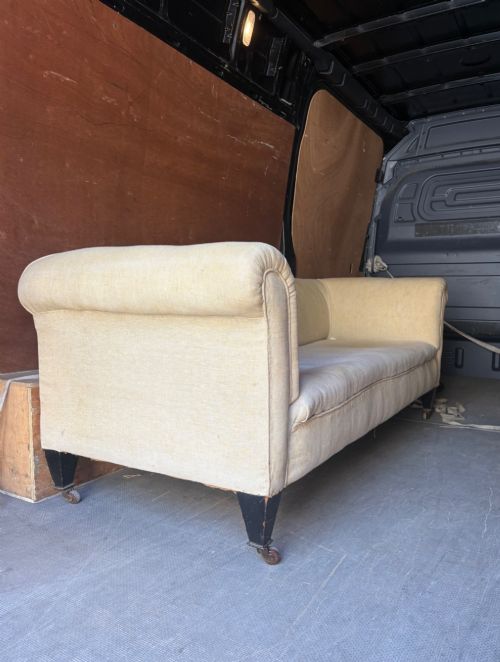
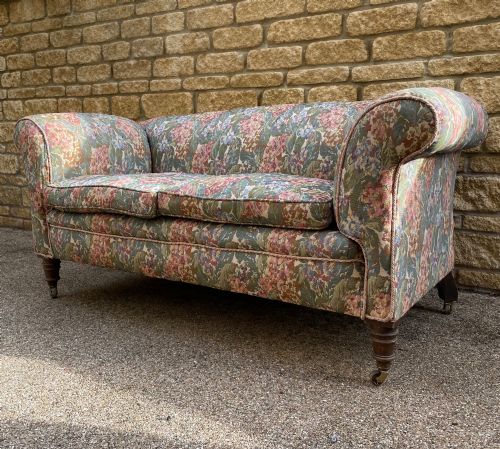
A vintage settee anchors a room with character, offering deep seating shaped by Victorian, Edwardian and Art Deco hands.
Vintage Settee
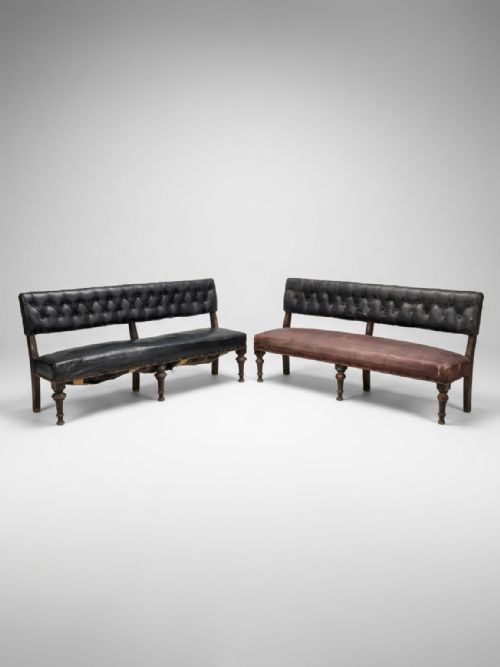
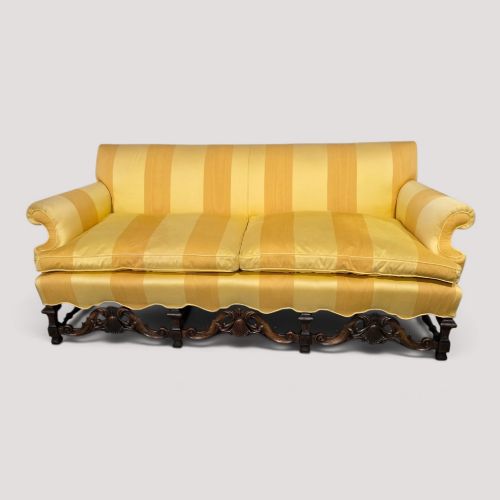
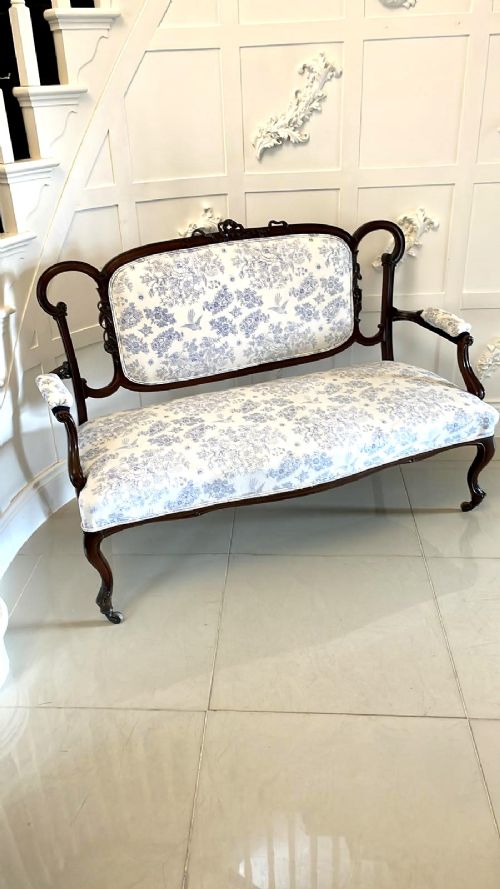
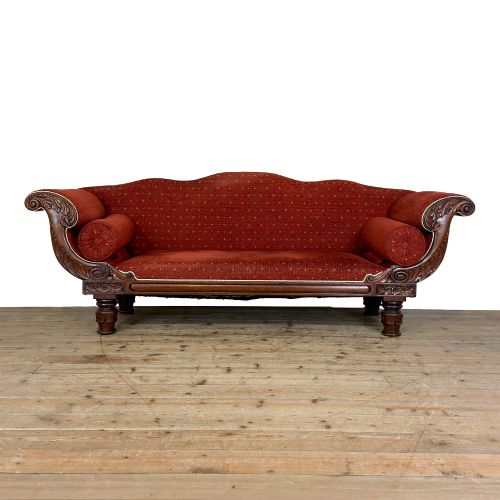
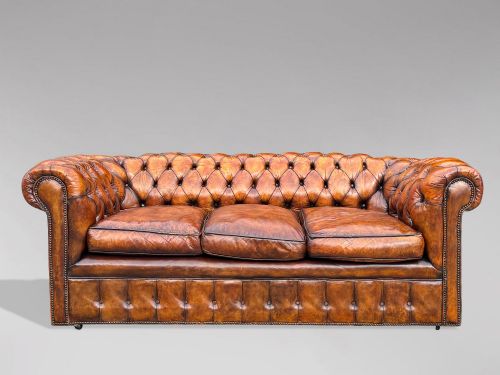
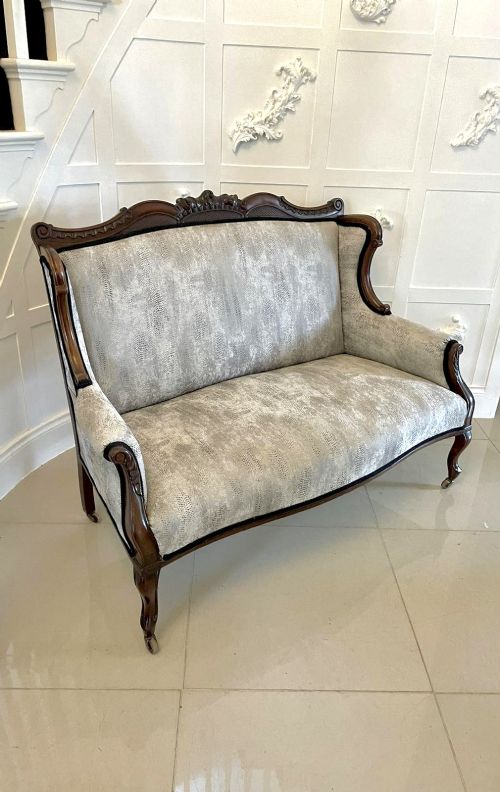
A vintage settee brings upholstered comfort and distinct period styling into a modern sitting room, drawing on forms developed across the nineteenth and early twentieth centuries. When exploring this selection, buyers encounter everything from buttoned leather Chesterfields to carved mahogany frames and light cane-backed French canapés.
The objects span varied seating configurations, including two-seater drop-arm models, deep-seated country house couches, and elaborate reception suites. These pieces reflect the domestic priorities of their eras, balancing formal reception room elegance with the relaxed proportions of later country house seating.
How they were made
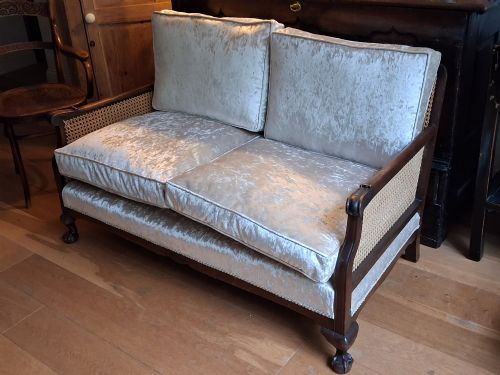
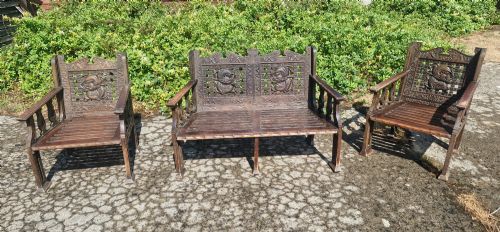
Framing relies predominantly on traditional timbers like mahogany, walnut, oak, and rosewood, often shaped with hand-carved details or subtle inlay. Metal also appears in specific garden and Gothic-influenced contexts, while specialised pieces incorporate intricate cane work into their structural frames.
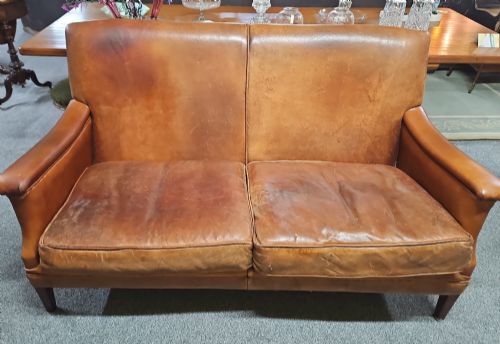
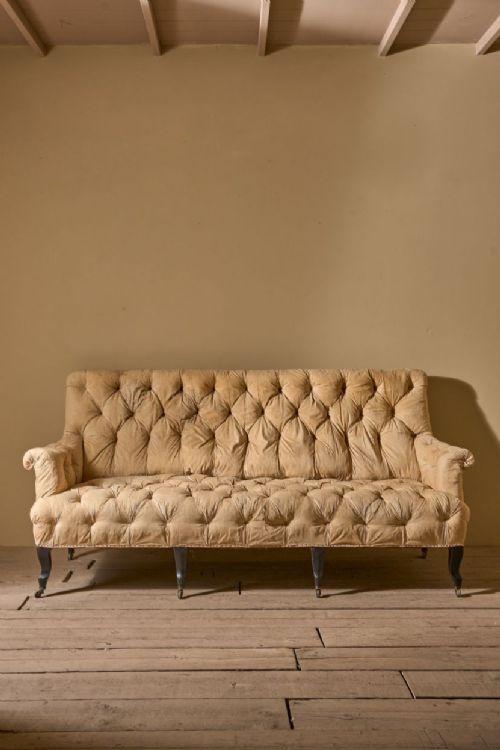
Upholstery techniques define the character of these seats, utilising supportive internal springing, feather-filled cushions, and heavy buttoning. Outer coverings range from supple brown leather and rich velvet to patterned fabric and painted wooden finishes.
A metal garden bench waits quietly among the plush velvet and leather couches, ready to brave the British weather.
What varies in quality
The distinction between standard examples and finer pieces rests in the execution of the woodwork and the integrity of the original upholstery. Superior items display crisp, deeply carved wooden details, tight joinery, and refined proportions that reveal the maker's hand.
Materials also drive the hierarchy, where dense hardwoods, high-grade leather, and well-preserved cane panels elevate a piece well above simpler softwood frames and plain fabric coverings.
Howard and Sons
The Vintage Settee Glossary
- Chesterfield
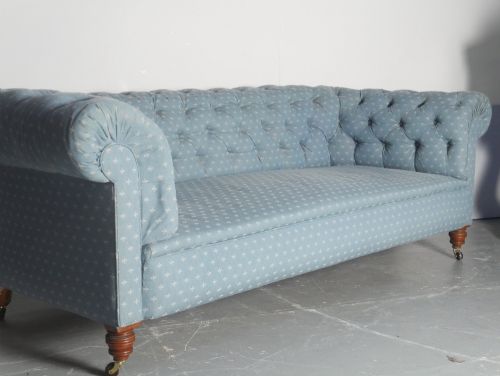
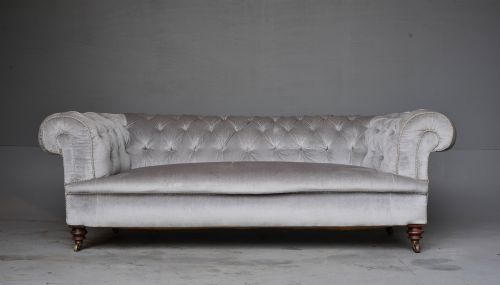
- A deep-buttoned upholstered sofa traditionally finished in leather or heavy fabric, known for arms and back of the same height. This form remains a staple of nineteenth-century seating.
- Canapé
- A decorative French-style settee with an exposed wooden frame, often carved or painted. These pieces frequently feature cane panels or upholstered backs.
- Bergère
- An enclosed upholstered armchair or sofa featuring cane work on the sides and back. They typically include loose seat cushions for added comfort.
- Drop-arm
- A sofa mechanism allowing one end of the settee to lower into a horizontal position. This feature offers versatile lounging options within Victorian designs.
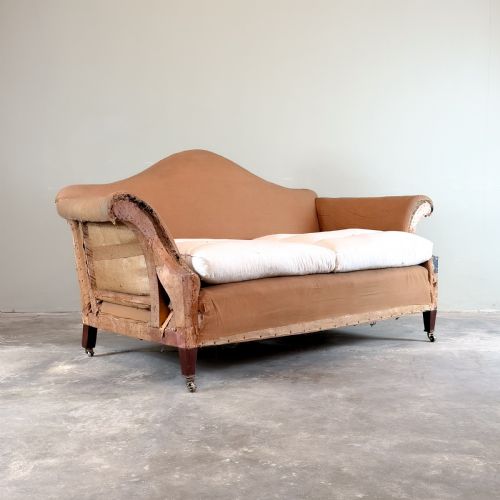
- Camel back
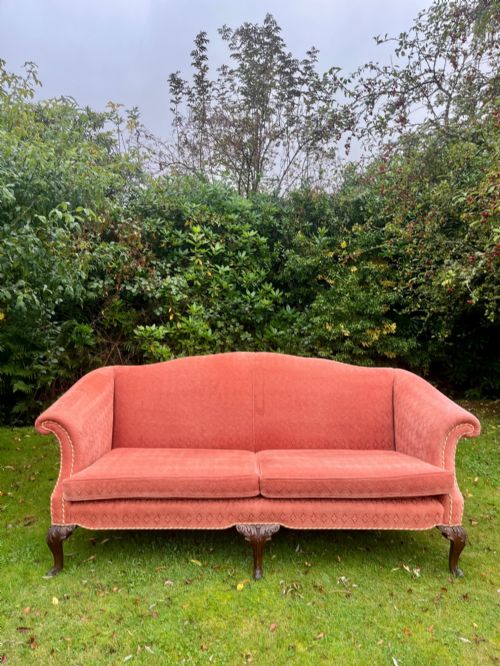
- A sofa style characterised by a distinctive hump-shaped curved backrest. The silhouette rises gently toward the centre before sloping down to the arms.
Vintage Settee: Frequently Asked Questions
How do I date a vintage settee?
Dating relies on observing structural timbers, upholstery methods, and stylistic cues present in the frame. Victorian examples often feature heavy carved mahogany and buttoned leather, while Edwardian pieces lean toward inlaid mahogany and simpler frames.
Later items from the 1930s introduce Art Deco geometries and alternative suite configurations. Examining the joinery and feet helps confirm the manufacturing era.
Are these settees comfortable for daily use?
Many period settees, particularly country house and Chesterfield models, are designed with deep seats and robust internal springing. They provide substantial physical support suitable for everyday lounging in a modern home.
Lighter frames with cane work or rigid wooden structures may prioritize formal elegance over deep, relaxed seating. Cushion fillings, whether feather or modern foam, also dictate how the seat responds during daily use.
How do I care for leather upholstery?
Leather upholstery requires regular dusting and occasional treatment with appropriate conditioners to prevent the material from drying out. Keeping antique leather away from direct sunlight and heat sources preserves its suppleness.
Avoiding harsh chemical cleaners ensures the original patina and finish remain intact over years of use.