

Vintage Secretaire Writing Desk
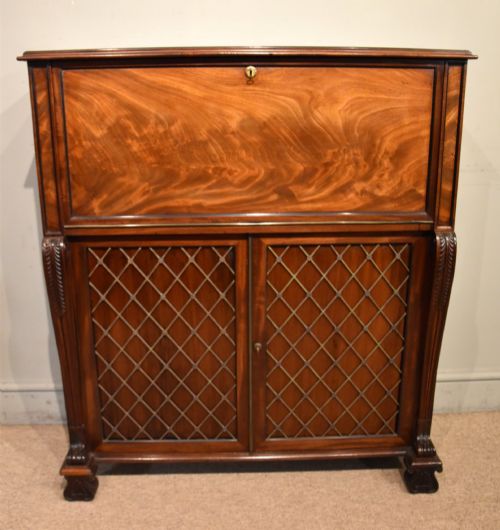
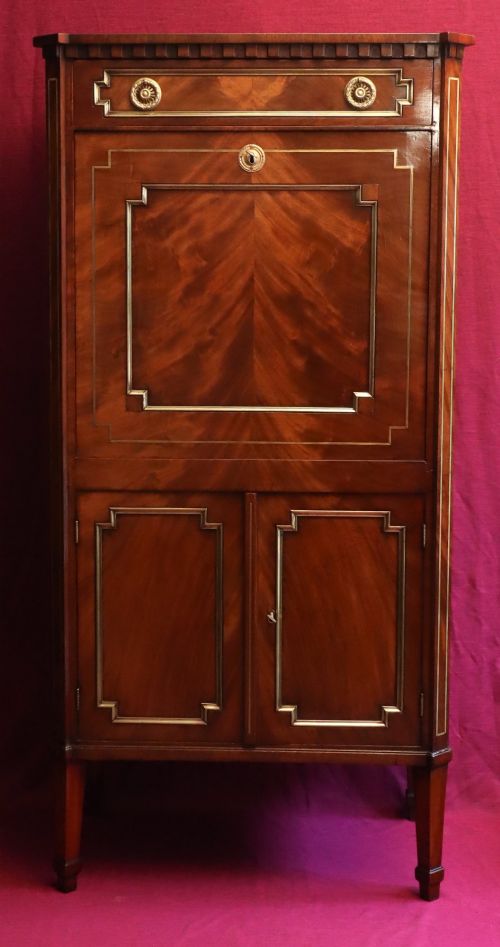
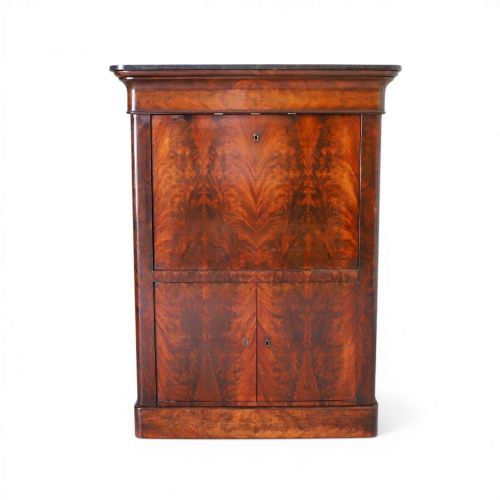
A vintage secretaire writing desk combines a concealed writing surface with drawers or a bookcase, offering practical workspace and storage.
Vintage Secretaire Writing Desk
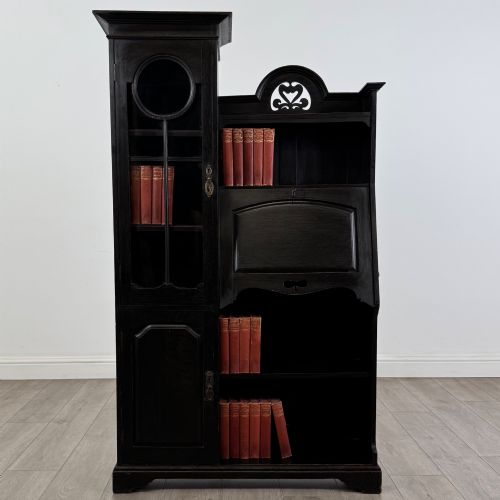
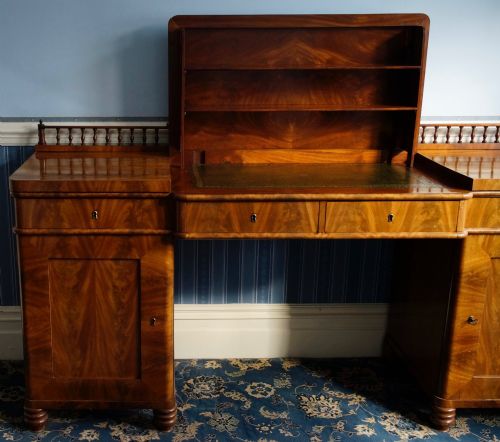
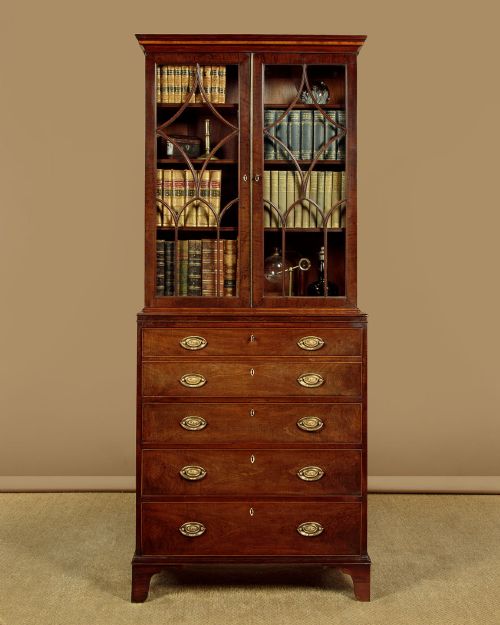
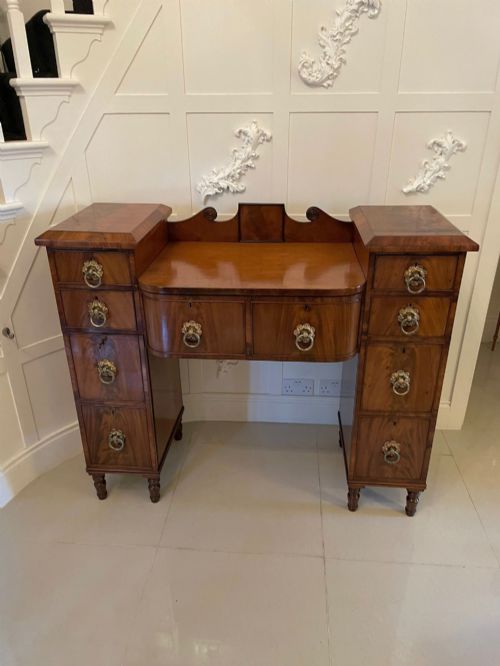
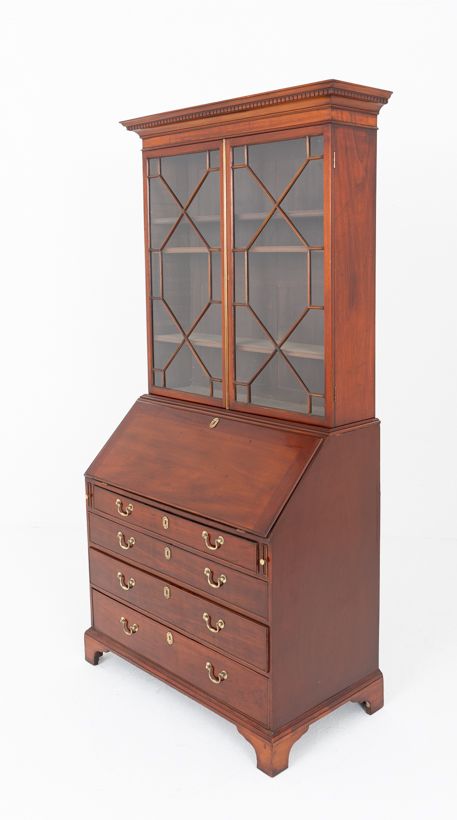
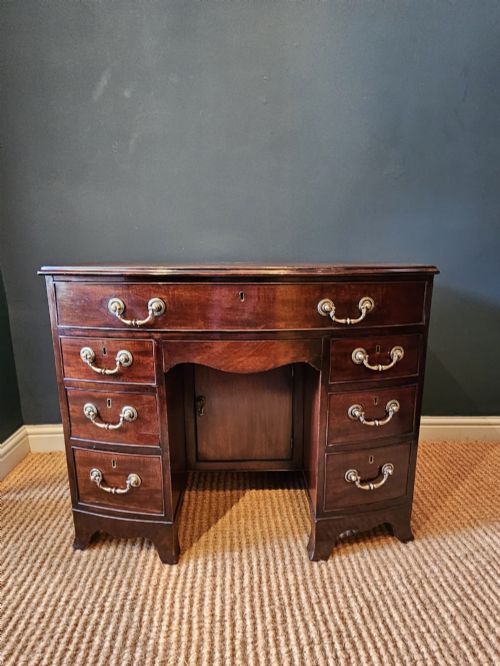
When you search for a vintage secretaire writing desk, you encounter pieces that function as both a chest of drawers or bookcase and a drop-front writing cabinet. These items range from compact walnut desks to towering Georgian bureau bookcases.
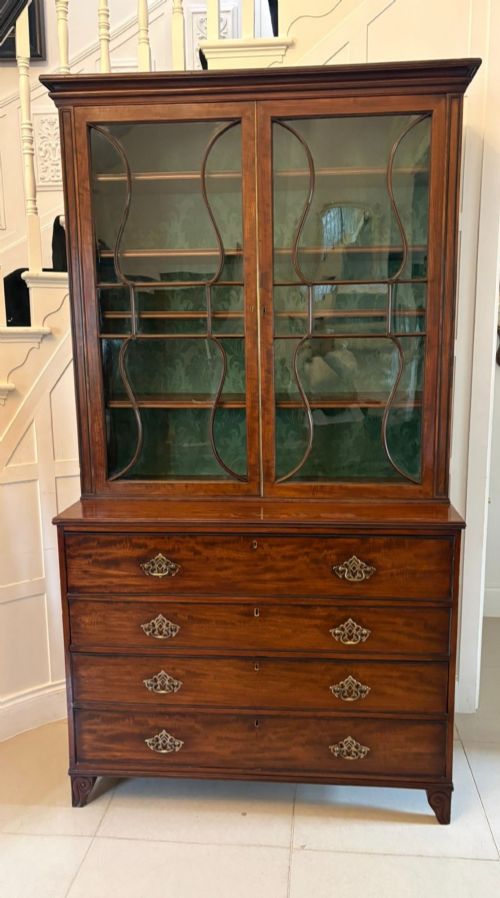
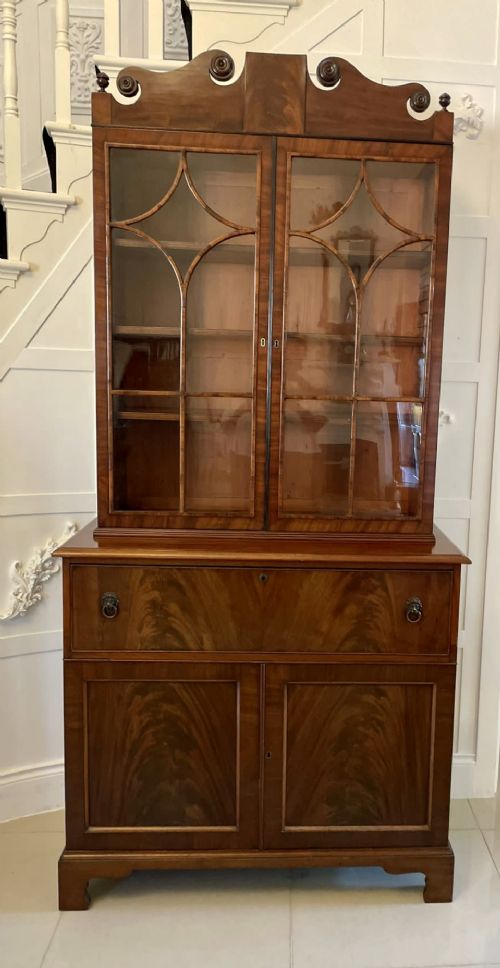
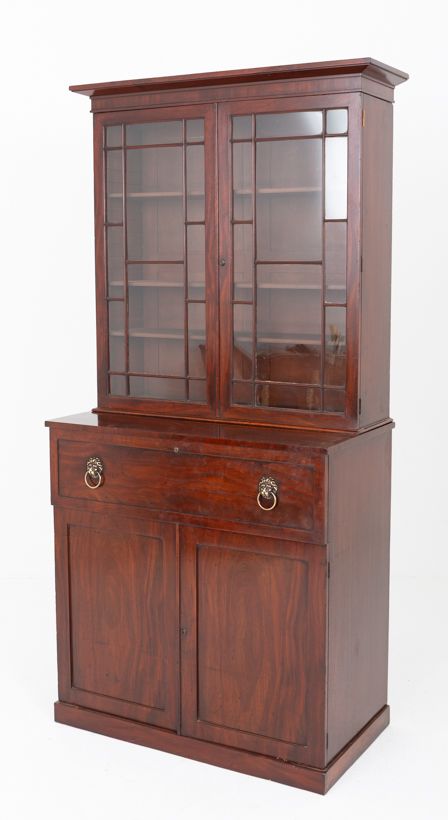
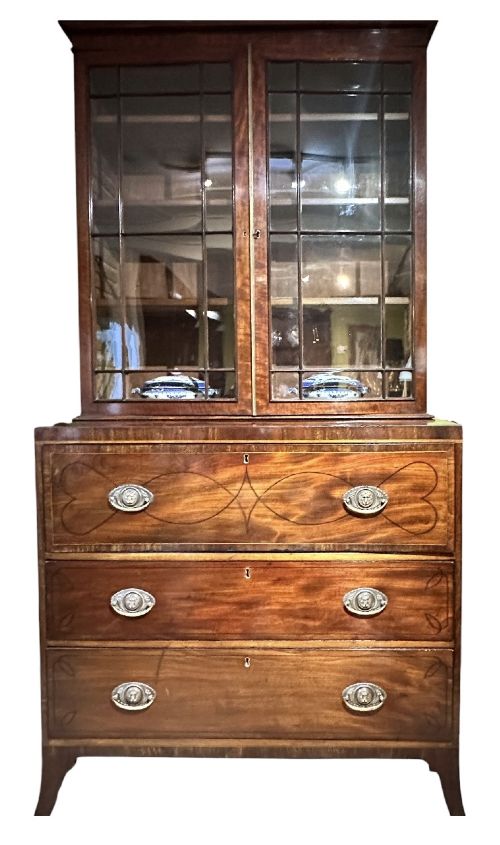
The most common examples on this page are mahogany secretaire bookcases and chests from the Regency and 18th Century periods. Makers integrated fitted interiors with pigeonholes and small drawers behind a drop-front panel for private correspondence.
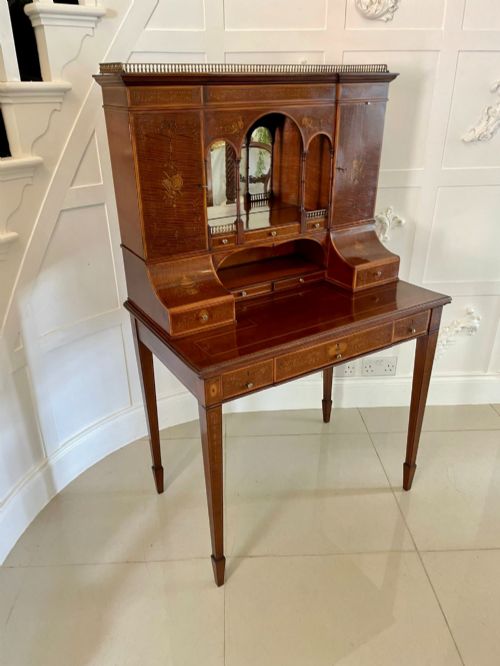
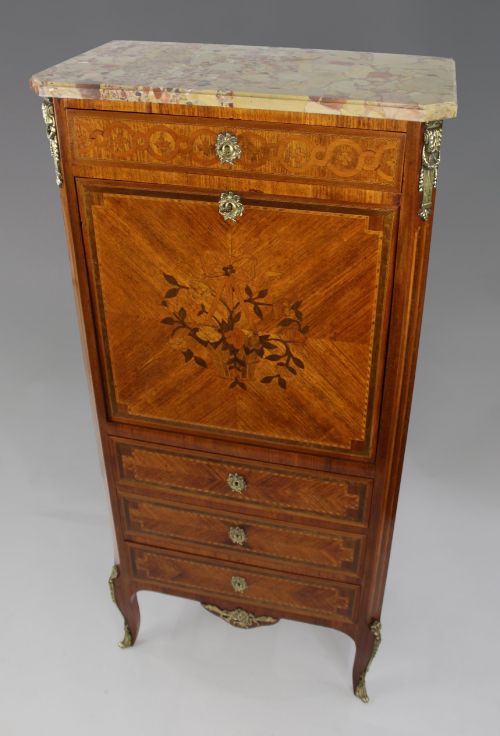
Beyond the standard British cabinet forms, French escritoires with marble tops and Swedish burr birch chests appear among the listings. Each variation provides a dedicated writing surface that conceals away when not in use.
Materials and construction methods
Cabinet makers relied heavily on solid mahogany and figured mahogany veneers over secondary timbers, frequently applying satinwood for interior contrast. Brass handles, escutcheons, and glazed doors with astragal bars define the external appearance.
French and continental pieces incorporate marquetry, ormolu mounts, and original marble tops. Structural integrity depends on dovetailed drawer construction and the careful balancing of drop-front hinges to support the writing flap.
Several pieces conceal tiny secret drawers behind decorative pigeonholes for storing confidential items.
Assessing craftsmanship and finish
Quality rests on the selection of timber veneers, such as flame mahogany or burr birch, and the crispness of inlaid details. Superior pieces display intricate fitted interiors with secret compartments and well-executed pigeonholes.
Proportion and execution separate standard items from exceptional examples, particularly in pieces attributed to prominent workshops like Gillows. The alignment of drawer linings and the preservation of original glass and brassware influence the overall standing.
Gillows
The Vintage Secretaire Writing Desk Glossary
- Secretaire
- A desk or cabinet featuring a pull-down or drop-front writing flap that conceals a fitted interior. This design hides papers and writing implements from view.
- Escritoire
- A tall writing cabinet, often of French origin, typically topped with marble and fitted with a drop-front writing surface. It functions similarly to a secretaire.
- Astragal glazed
- Glass doors divided by small wooden strips into geometric panes. This glazing technique is common on the bookcase sections of Georgian and Regency pieces.
- Ormolu
- Gilded bronze or brass mounts used as decorative ornamentation on furniture. It appears frequently on continental cabinets.
- Pigeonholes
- Small, open compartments inside a desk for sorting letters and documents. They form the core of the fitted interior behind the drop-front.
Vintage Secretaire Writing Desk: Frequently Asked Questions
What is a secretaire?
A secretaire is a piece of furniture with a drop-front panel that opens to reveal a writing surface and small storage compartments.
This design allows a chest of drawers or bookcase to double as a practical writing desk.
How do I identify a Regency secretaire?
Regency pieces often feature figured mahogany veneers, restrained brass inlay, and classical proportions dating from the early nineteenth century.
They frequently take the form of secretaire bookcases or compact chest of drawers units.
Where were these desks used?
Owners placed these desks in libraries, parlours, and private bedrooms for managing correspondence and keeping personal records.
The lockable drop-front flap kept sensitive documents secure throughout the day.
How do I care for mahogany furniture?
Keep mahogany pieces away from direct sunlight and sudden temperature changes to prevent the timber and veneer from splitting.
Apply a traditional wax polish occasionally to maintain the lustre of the wood.