




Vintage Seascape
Vintage seascape works capture the enduring power and quiet moods of the ocean across centuries of artistic interpretation.
Vintage Seascape
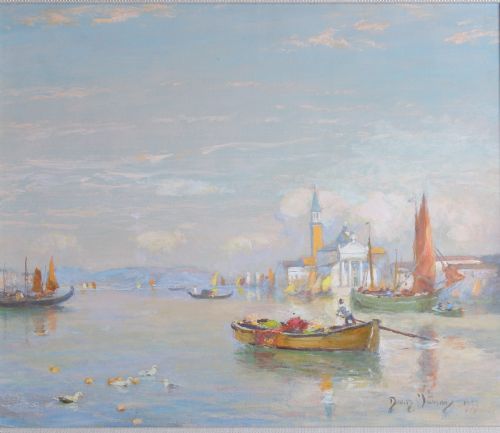
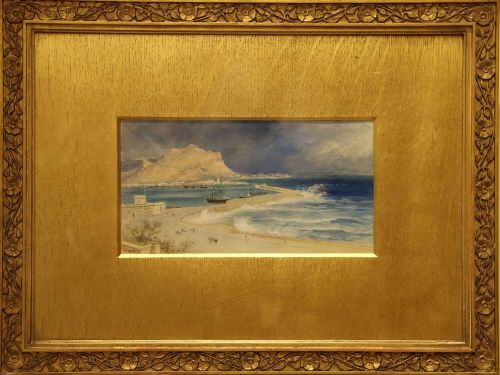
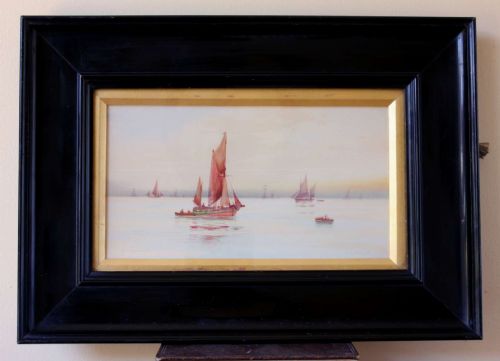
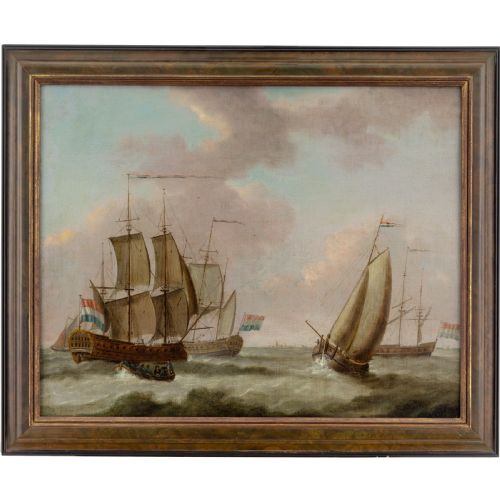
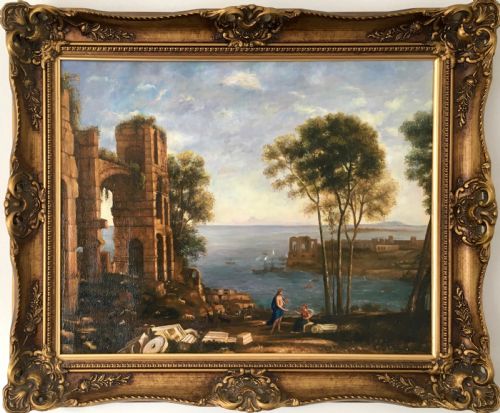
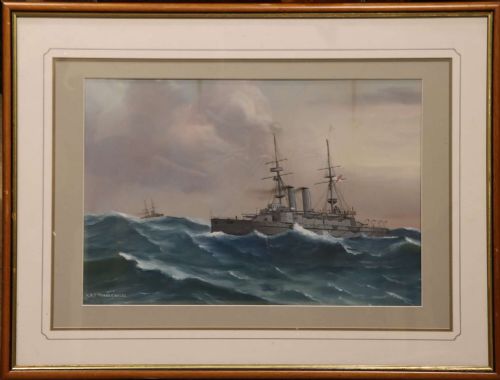
A vintage seascape brings maritime history and coastal atmospheres directly into a room through historic paintings and watercolours. Collectors seek these pieces to observe how artists from the eighteenth century to the mid-twentieth century recorded harbours, naval vessels and breaking waves.
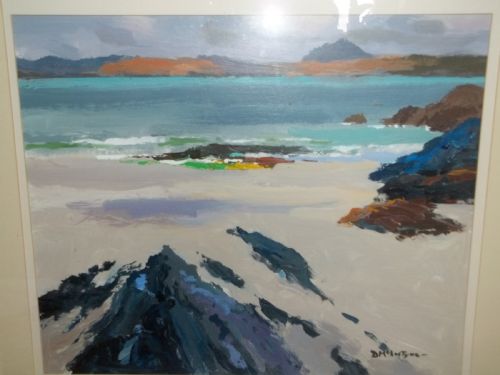
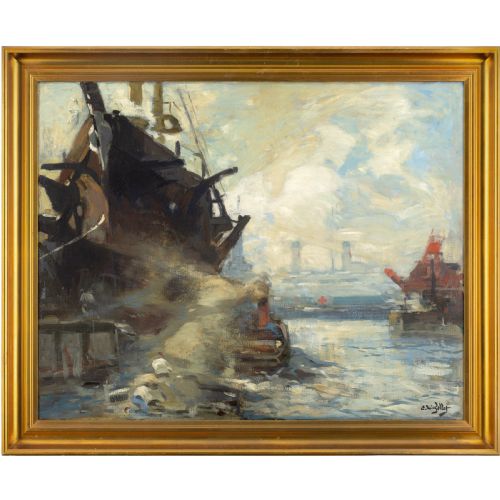
The selections available span from restrained nineteenth-century watercolours to bolder mid-century canvases and oil paintings on board. Many depict specific British and European locations, including Cornish harbours, Venetian lagoons and bustling London rivers.
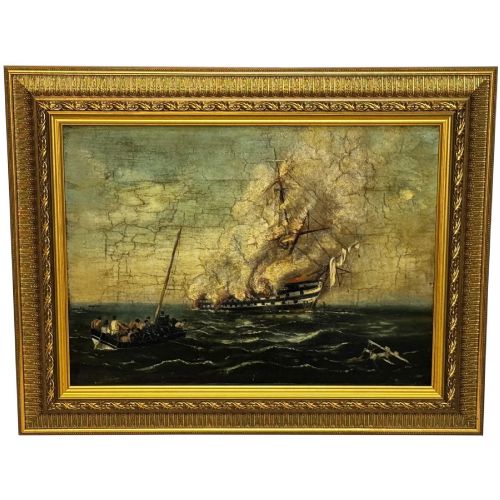
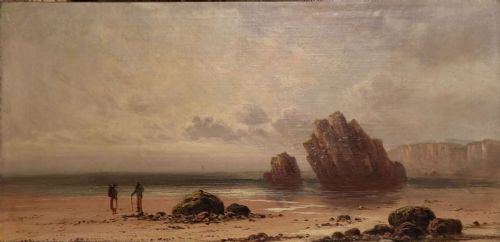
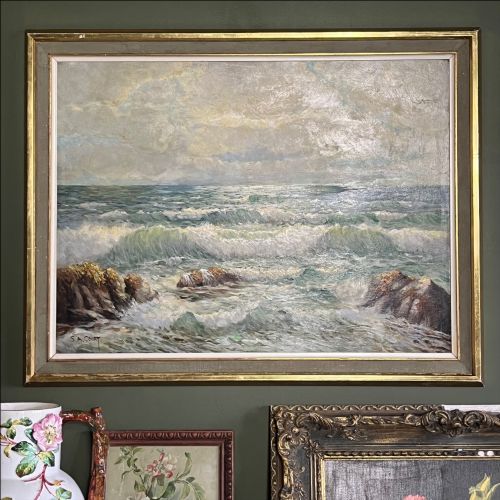
Works range from serene coastal landscapes with calm shores to dramatic depictions of ships in rolling seas and wartime encounters. Buyers encounter both signed works by known painters and compelling pieces produced by regional or anonymous European schools.
Materials and technique
Artists executed these works primarily using oil paint on canvas or board, alongside delicate watercolours and gouache on paper. Canvases frequently sit within period gilt wood frames, whilst paper works rely on glass protection to preserve the pigment.
Techniques vary from detailed en plein air coastal studies capturing changing light to studio compositions rendered with thick impasto or smooth glazes. Painters utilised these methods to convey the transparency of water, the texture of wooden hulls and the heavy atmosphere of maritime skies.
What separates the finest examples
The distinction between standard works and superior pieces rests in the artist's command of light, atmosphere and fluid movement. Stronger paintings convey the genuine weight of a rolling sea or the precise architectural rigging of a three-masted schooner without stiffness.
Preservation of the original surface and the integrity of the canvas or paper surface also determine quality. Pieces that retain vibrant pigments without excessive overpainting or heavy surface cracking stand apart from weaker, formulaic coastal depictions.
Sir David Murray RA·Donald McIntyre·Eugène-Louis Gillot·Eric Tufnell·Frank Watson Wood·Willem Bos
The Vintage Seascape Glossary
- Gouache
- An opaque watercolour paint that dries to a matte finish. Artists utilise it to build solid blocks of colour and crisp highlights in maritime scenes.
- Impasto
- Paint applied thickly to a canvas, leaving visible brush or palette knife marks. This technique gives texture to breaking waves and churning foam.
- En plein air
- The practice of painting outdoors directly from the subject. This approach captures the immediate light and changing atmospheric conditions of a coastal site.
- Marine art
- Depictions of ships, harbours and coastal views. It forms the broader category under which many traditional and historical watercolours and oils sit.
Vintage Seascape: Frequently Asked Questions
How do I clean a vintage oil painting?
Surface dust can be removed very gently with a soft, dry brush, but moisture and household cleaners must be avoided.
Professional conservators should handle any deeper cleaning or removal of discoloured varnish to protect the underlying canvas.
Are watercolours prone to fading?
Watercolours on paper are sensitive to prolonged, direct sunlight, which can gradually dull fugitive pigments over decades.
Displaying them away from south-facing windows and using UV-protective glass helps preserve their original colour balance.
How do I date an antique marine painting?
The style of the vessel rigging, clothing of any figures, and construction of the stretcher frame offer initial chronological clues.
Signatures, artist exhibition records, and occasional inscriptions on the reverse of the canvas provide more precise dating.
Can unmounted canvases be framed safely?
A canvas needs adequate margin and structural stability before fitting into a new rebate.
Traditional wooden frames should allow the canvas to breathe without pinching the weave or causing tension along the edges.