


Vintage Scroll Sofa
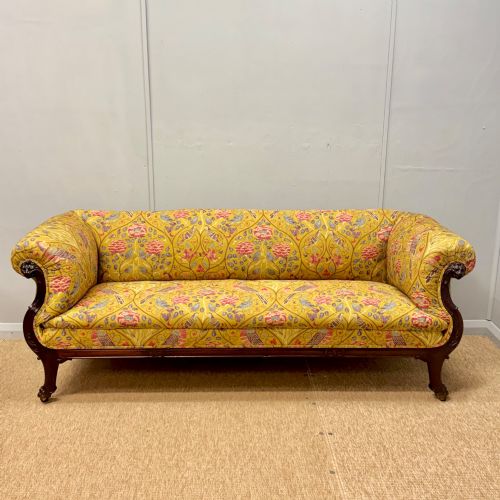
A vintage scroll sofa brings nineteenth-century presence and rolled arms to a room, offering deep comfort with classical proportions.
Vintage Scroll Sofa
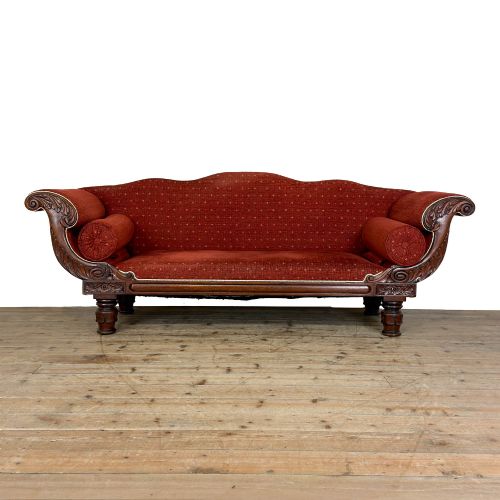
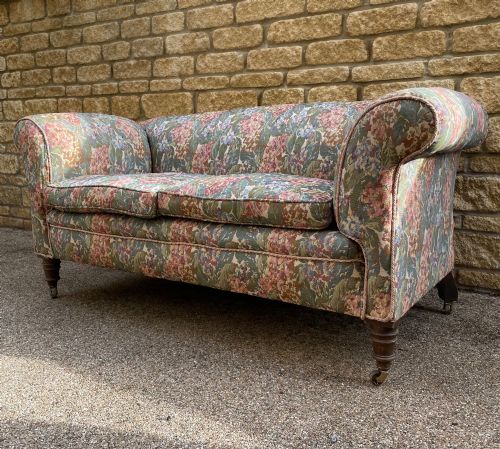
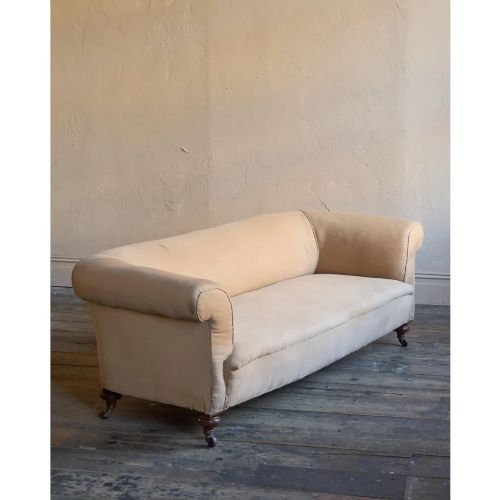
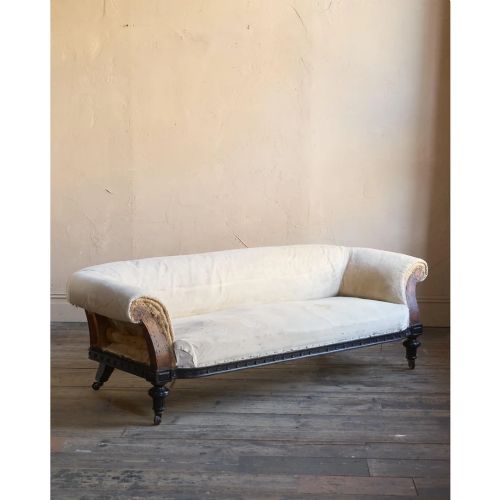
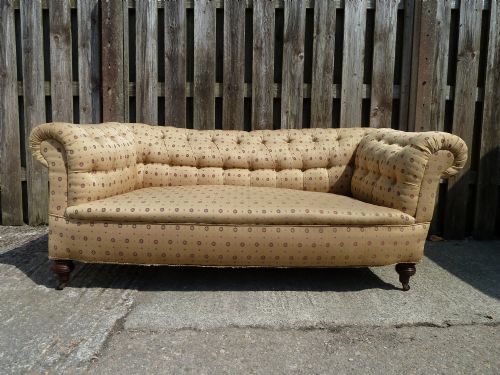
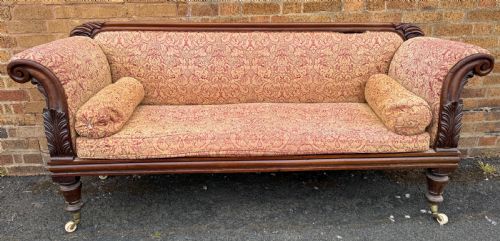
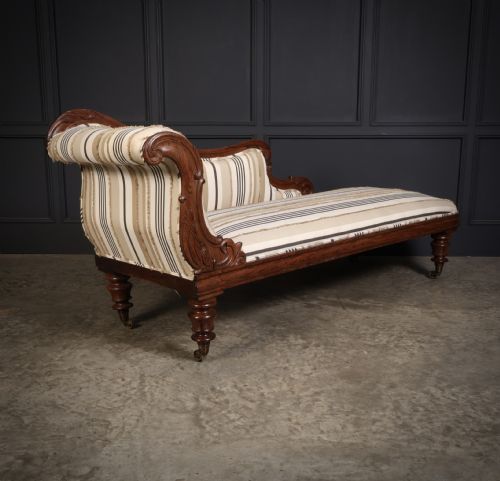
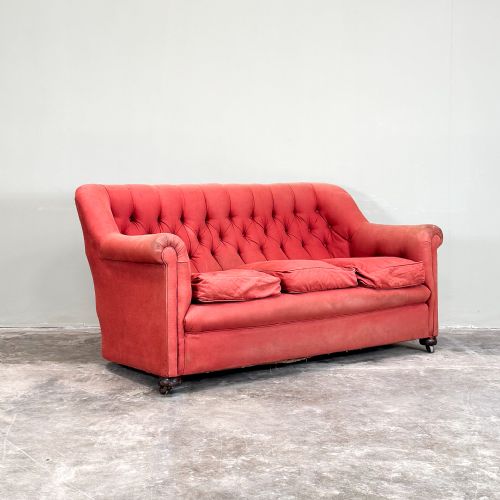
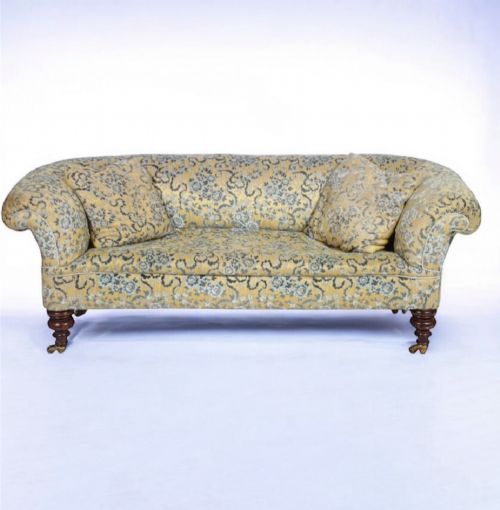
A vintage scroll sofa is a seating piece defined by distinct sweeping or rolled armrests, appearing across nineteenth-century and early twentieth-century periods. The most frequent versions met on this page include Victorian and William IV examples, alongside Regency designs and Chesterfield styles.
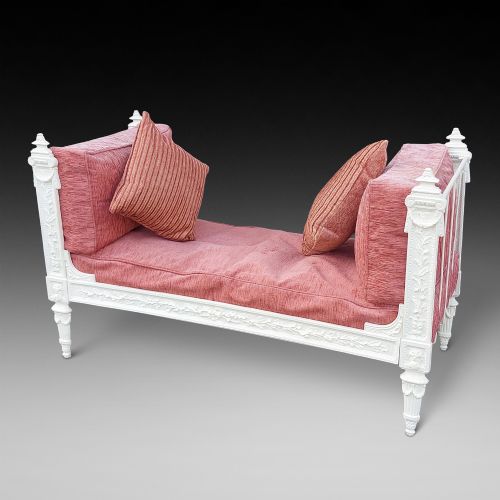
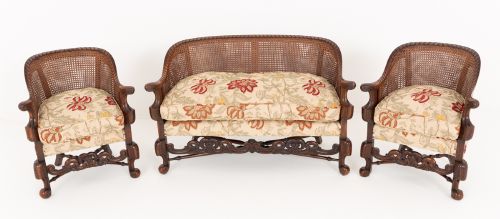
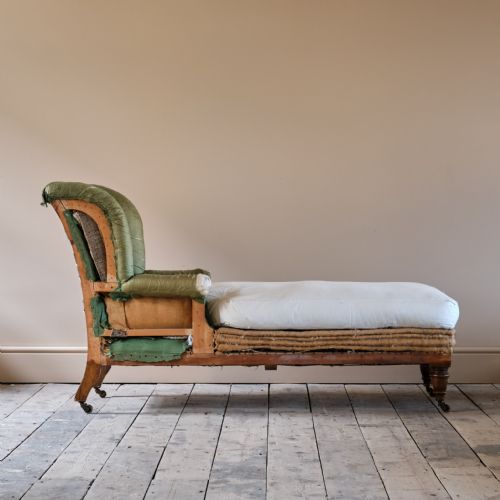
These pieces encompass sofas, settees, daybeds, and chaise longues, often featuring exposed show frames of mahogany, walnut, or rosewood. They range from double-ended scroll-end sofas to deep-seated drawing room pieces built for formal and domestic spaces.
How they were made
Construction relies on solid timbers such as mahogany, walnut, rosewood, and oak for the structural frames and turned legs, frequently paired with brass castors. Metal elements also appear in cast iron daybeds and iron-and-brass garden or console frames.
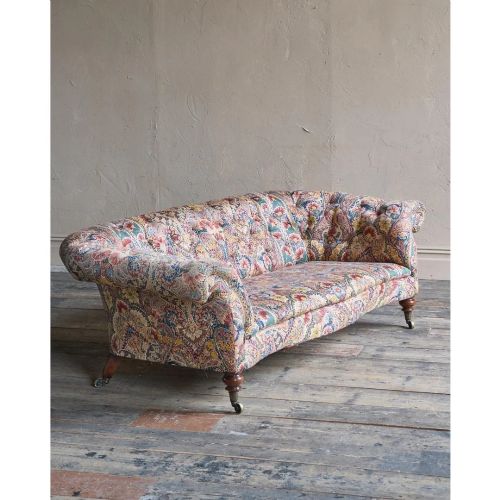
Upholstery techniques involve traditional fabric, velvet, and leather coverings stretched over sprung or padded foundations. Show frames display hand-carved details, simulated grain finishes, and exposed woodwork alongside buttoned or drop-arm configurations.
Vintage Scroll Sofa Retail Price Guide 2026
Typical asking prices for vintage scroll sofa among the pieces listed under this phrase on Sellingantiques today, from the lower quarter to the upper quarter. They describe what is for sale here now, not the wider market.
Among the formal mahogany and rosewood frames sits a surrealist day bed in the manner of Syrie Maugham.
What varies in quality
Quality separates by the crispness of timber carving, the integrity of show frames in walnut or mahogany, and the fidelity of period styling such as Regency lyre shapes or William IV scroll ends. Superior examples maintain balanced proportions and robust internal joinery.
Material selection dictates distinction, with fine rosewood veneers, burr oak, or genuine leather upholstery elevating a piece above standard fabric versions. Maker attribution, such as work associated with Howard and Sons, further distinguishes the tier.
Howard and Sons·Gillows·Syrie Maugham
The Vintage Scroll Sofa Glossary
- Scroll-end
- A furniture arm design curving outward and downward in a tight or open scroll. This form characterises nineteenth-century scroll sofas and daybeds.
- Chesterfield
- A deep-buttoned upholstered sofa with arms and back of the same height. These traditionally feature leather or heavy fabric coverings.
- Chaise longue
- An upholstered long chair or daybed designed for reclining, combining a chair with an extended footstool structure. They appear frequently in rosewood and mahogany.
- Show frame
- A wooden structural framework left exposed around the upholstered portions of a seat. Walnut, mahogany, and rosewood are typical timbers used for this purpose.
- Drop arm
- A mechanical or hinged armrest that lowers to convert a sofa into a daybed or sleeping surface. This feature appears on nineteenth-century Victorian seating.
Vintage Scroll Sofa: Frequently Asked Questions
What is a scroll sofa?
A scroll sofa is a traditional seating form featuring distinctive rolled or sweeping armrests at one or both ends. These pieces date primarily from the nineteenth and early twentieth centuries.
Makers built them using timber frames of mahogany, walnut, or rosewood, finished with fabric, velvet, or leather upholstery.
How do I date a vintage scroll sofa?
Dating relies on stylistic markers such as Regency curves, William IV carved mahogany frames, or later Victorian turned walnut legs. Materials like rosewood and cast iron also point to specific manufacturing decades.
Examining the construction methods and upholstery style helps place the piece within the nineteenth or early twentieth century.
Where were scroll sofas placed?
These pieces sat in formal drawing rooms, libraries, and country house parlours as primary seating or auxiliary daybeds. Double-ended versions allowed sitters to recline from either direction.
Window seats and chaise longues served similar decorative and functional roles in nineteenth-century interiors.
Are these sofas comfortable for daily use?
Many vintage scroll sofas offer deep seating and padded sprung foundations designed for extended lounging. Versions with drop arms or soft upholstery provide flexible relaxation spaces.
Living with them involves appreciating their traditional internal build while accommodating their historical dimensions.