




Vintage Scottish Watercolour
These vintage scottish watercolour works capture landscapes, portraits and coastal scenes across the nineteenth and twentieth centuries.
Vintage Scottish Watercolour
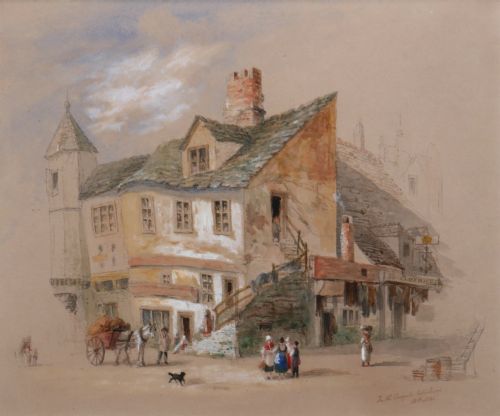
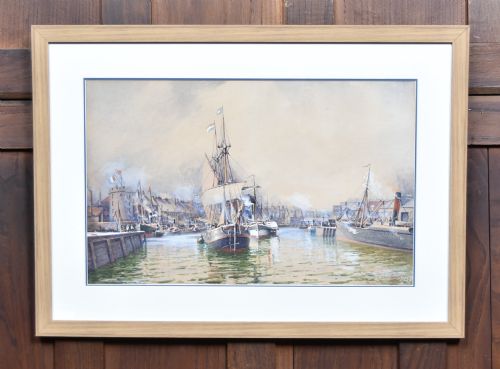
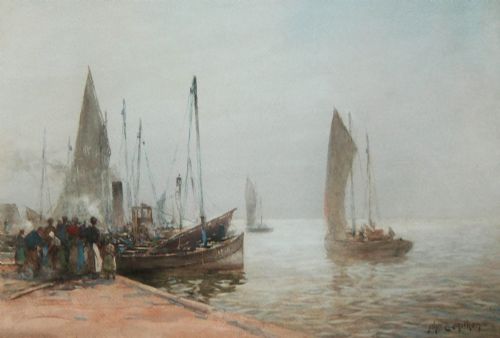
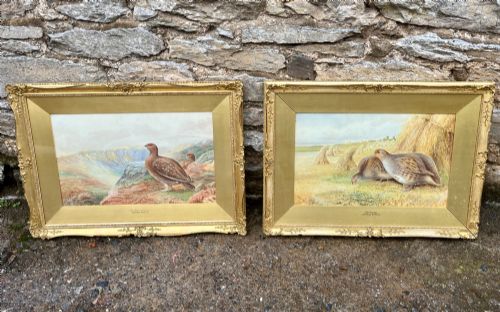
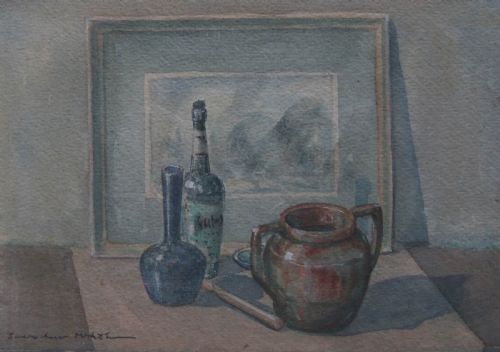
A vintage scottish watercolour brings home the shifting light of the Highlands, coastal harbours and domestic interiors from various decades. When you search for vintage scottish watercolour, you encounter original paintings executed on paper across the nineteenth and twentieth centuries, capturing scenes from Fife to the Hebrides. The selection ranges from Victorian depictions of game birds and ruined castles to mid-century depictions of lochs and gardens.
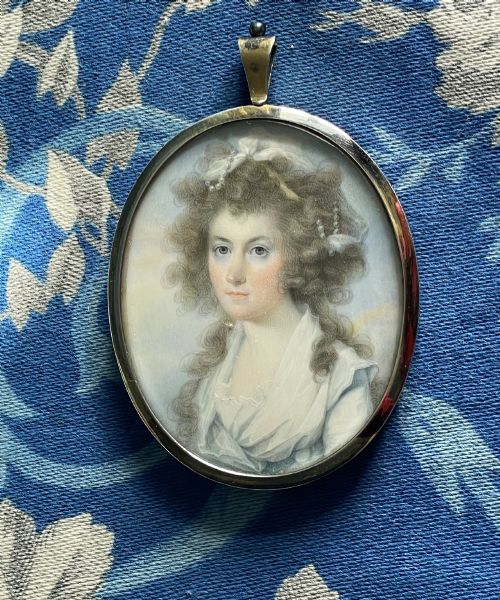
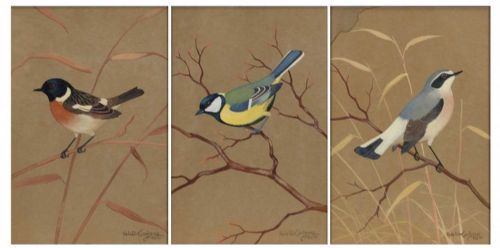
You are most likely to meet framed paintings originating from the early twentieth century, the 1920s and the 1940s. These pieces often arrive glazed behind glass within wooden or giltwood frames, preserving the delicate pigments of the era. Subjects span coastal landscapes, bird studies and character portraits such as a boy in a kilt or a pianist.
Materials and Technique
The foundation of every piece in this category is paper, upon which artists applied watercolour paint and gouache. Many works incorporate charcoal for initial sketching, adding structural definition beneath translucent washes of pigment.
Framing materials complete the construction, utilising wood, glass and gold leaf or giltwood. These protective elements guard the paper surface from atmospheric moisture and handling over the decades.
Vintage Scottish Watercolour Retail Price Guide 2026
Typical asking prices for vintage scottish watercolour among the pieces listed under this phrase on Sellingantiques today, from the lower quarter to the upper quarter. They describe what is for sale here now, not the wider market.
The selection spans from the Victorian era through the 1960s, uniting paper, watercolour paint, gouache and giltwood.
Distinctions in Quality
Quality rests upon the artist's command of light, atmosphere and pigment density on paper. Superior examples display confident brushwork and precise topographical or anatomical rendering, whether capturing a Hebridean sunset or a pair of game birds.
The preservation of the paper support and the retention of vibrant colour distinguish finer works. Evidence of careful framing behind glass helps maintain the original impact of the gouache and watercolour pigments.
James E. Aitken·George Rankin·Ralston Gudgeon·Robert Eadie·Stanley Orchart·Margaret Laing·Snaffles·Hirst Walker·Emily M. Paterson·James Kerr McArthur·Robin Watt·Alfred Graham·John B. MacDonald·Donald Watson·John D. Walker·George Graham·Kenneth Holmes·Sidney Wright·LM Dixon
The Vintage Scottish Watercolour Glossary
- Watercolour paint
- A water-soluble medium consisting of finely ground pigments mixed with a binder such as gum arabic. It is applied in translucent washes to paper to create luminous effects.
- Gouache
- An opaque watercolour paint containing an added white pigment to create a heavier, solid finish. Artists utilise it alongside standard watercolour to build highlights and dense areas.
- Scottish School
- A collective term for artists working in Scotland or influenced by its distinct traditions. These painters focused heavily on local landscapes, coastal views and wildlife.
Vintage Scottish Watercolour: Frequently Asked Questions
How do I date a vintage scottish watercolour?
Examine the stylistic cues, framing methods and any accompanying signatures or gallery labels on the reverse of the paper support. Victorian works differ visibly from the mid-century British art styles seen in later decades.
Paper types and framing materials also offer clues to the era of production, ranging from heavy nineteenth-century card to lighter twentieth-century mounts.
What subjects are most common?
Landscapes featuring lochs, castles and coastal harbours dominate the selection, alongside studies of local wildlife and game birds. Portraiture also appears, depicting figures such as pipers, children and musicians.
These subjects reflect the deep engagement artists had with the topography and culture of Scotland across successive generations.
How should I frame and display these?
Keep watercolours away from direct sunlight to prevent the fading of delicate pigments on paper. Ensure the framing uses acid-free mounts and protective glass to safeguard the surface.
Display them on interior walls with stable humidity and temperature conditions to preserve the paper and wooden frames.
Are these works always signed?
Many pieces feature artist signatures, initials or inscriptions detailing the specific location depicted, such as Anstruther or Tobermory. Other works remain unsigned yet retain strong stylistic attribution to the period.
Inscribed titles on the mount or reverse often provide reliable context regarding the exact Scottish geography captured by the painter.