

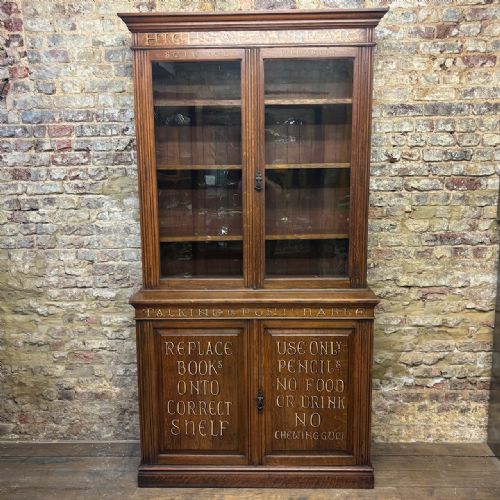
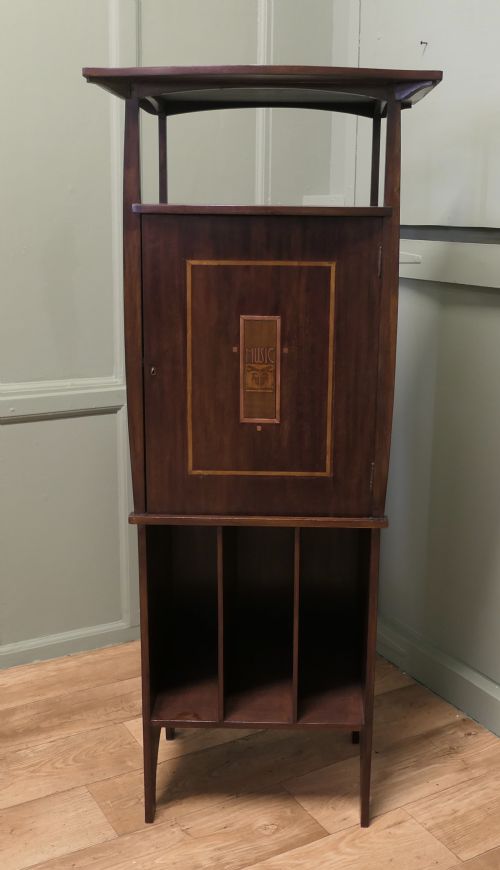
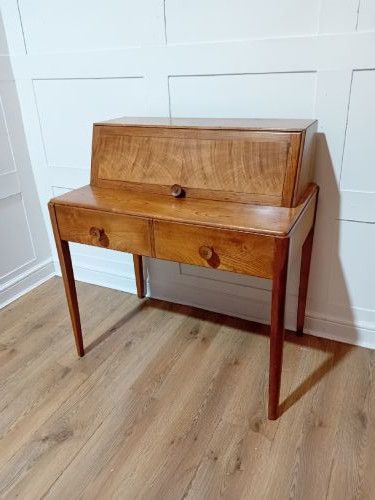
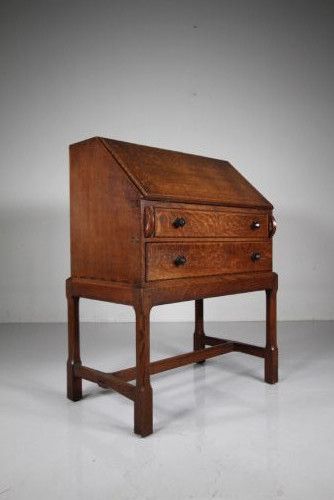



Vintage School Cabinet
These sturdy vintage school cabinet pieces bring utilitarian integrity and honest craftsmanship into domestic spaces.
Vintage School Cabinet
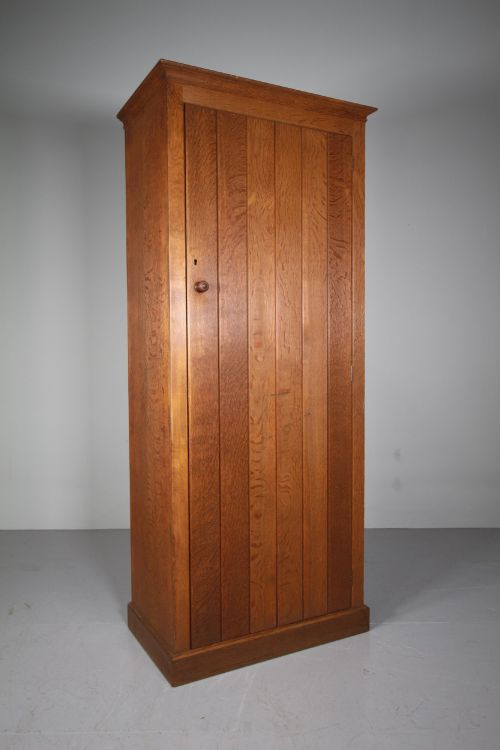
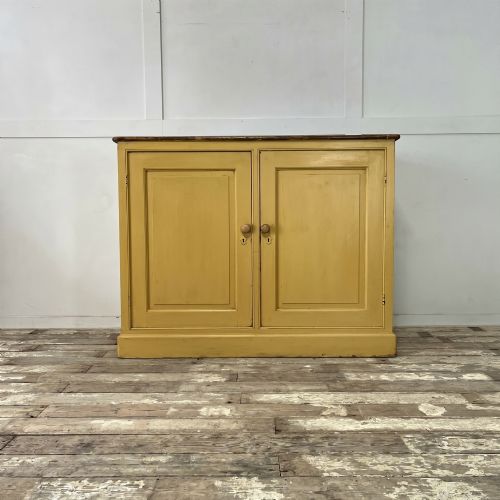
A vintage school cabinet encompasses functional institutional storage from the nineteenth and twentieth centuries, including large painted pine cupboards and library bookcases built to endure heavy daily use. Buyers exploring this phrase encounter robust oak and pine forms originating from Victorian times through the 1930s and 1940s.
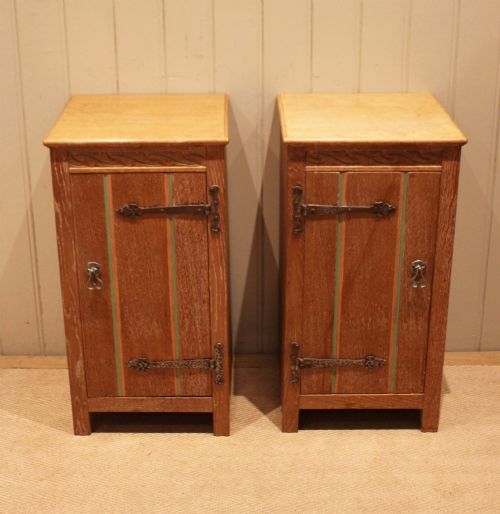
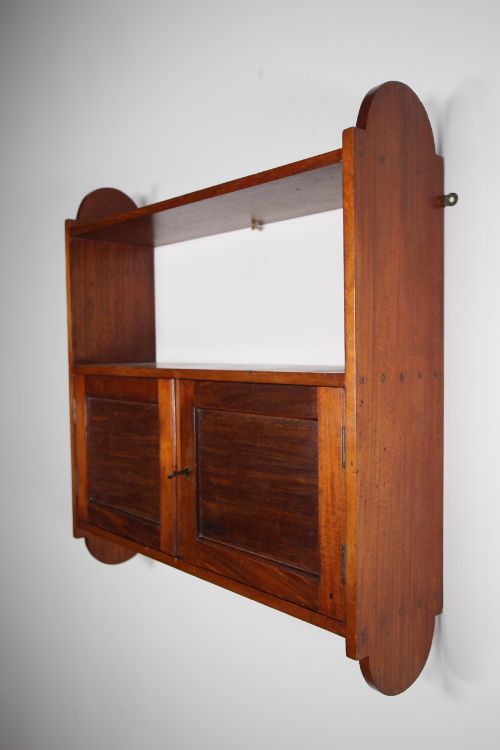
The most prevalent examples on this page reflect institutional utility, spanning large three-door pine cupboards from the nineteenth century and oak library bookcases from the 1920s. These pieces combine practical shelving with straightforward lines, reflecting the demands of classrooms and school libraries.
Materials and construction methods
Makers utilised solid oak and pine for primary structures, pairing them with brass hardware, iron fittings, and glass panels to withstand institutional environments. Timber selection focused on durability, resulting in heavy carcasses designed for decades of service.
Joinery techniques prioritize strength and utility, visible in straightforward panel doors, sturdy shelving, and original painted finishes. Artisans of the Cotswold School and associated workshops also applied skilled hand-tooling to oak and walnut.
Vintage School Cabinet Retail Price Guide 2026
Typical asking prices for vintage school cabinet among the pieces listed under this phrase on Sellingantiques today, from the lower quarter to the upper quarter. They describe what is for sale here now, not the wider market.
Listings feature items spanning the 19th Century, Victorian period, and twentieth-century decades up to 1960, constructed primarily in oak, pine, and walnut.
Distinctions in construction and provenance
Quality separates standard institutional furniture from pieces bearing documented maker marks, such as stamps from known workshops or specific schools like Highgate. Stamped signatures and attributed designs elevate a piece beyond basic utility.
The preservation of original surface finishes and structural integrity dictates the standing of each piece. Surviving hardware, uncompromised timber, and untouched original paint finishes determine the merit of surviving examples.
Heals of London·GM Elwood for JS Henry·Edward Barnsley·Arthur Basil Reynolds·Peter Waals·Stanley Webb Davies·Robert Mouseman Thompson·Arthur Reynolds Of Ludlow
The Vintage School Cabinet Glossary
- Institutional
- Furniture built specifically for public buildings, schools, and libraries. Such pieces prioritize robust function over delicate ornamentation.
- Limed oak
- A wood finishing technique that fills the grain with a whitish compound to lighten the timber colour. It was used on oak pieces during the 1930s.
- Painted pine
- Softwood treated with a protective or decorative pigment layer. Many nineteenth-century school cupboards utilised this finish for easy maintenance.
Vintage School Cabinet: Frequently Asked Questions
What defines a school cabinet?
A school cabinet is a utilitarian storage piece built from oak or pine for educational institutions during the nineteenth and twentieth centuries.
These pieces typically feature straightforward shelving, durable doors, and robust construction designed to handle heavy classroom or library use.
How do I date a cabinet?
Dating relies on timber choices, construction methods, and stylistic cues connecting the piece to periods like the Victorian era or the 1930s.
Makers' stamps, original receipts, and institutional provenance also help establish an accurate timeline for each piece.
Are these cabinets made of solid wood?
Listing evidence shows these items are constructed from solid hardwoods and softwoods such as oak, pine, and walnut.
Builders avoided composite materials, relying instead on heavy timbers to ensure the structural longevity required for institutional environments.
How should I care for vintage oak?
Caring for vintage oak involves maintaining stable indoor humidity and avoiding harsh chemical polishes that damage original finishes.
Regular dusting with a dry cloth helps preserve the natural grain and historic patinas developed over decades of use.