
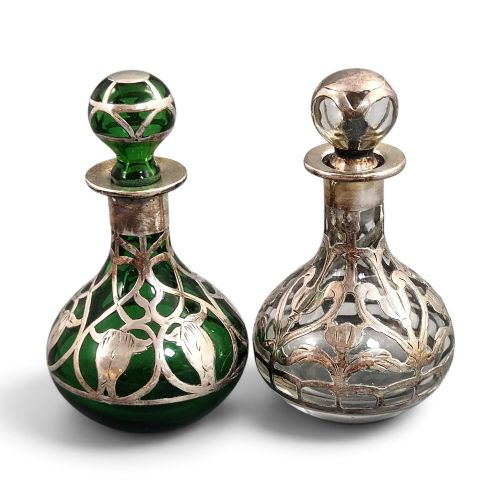
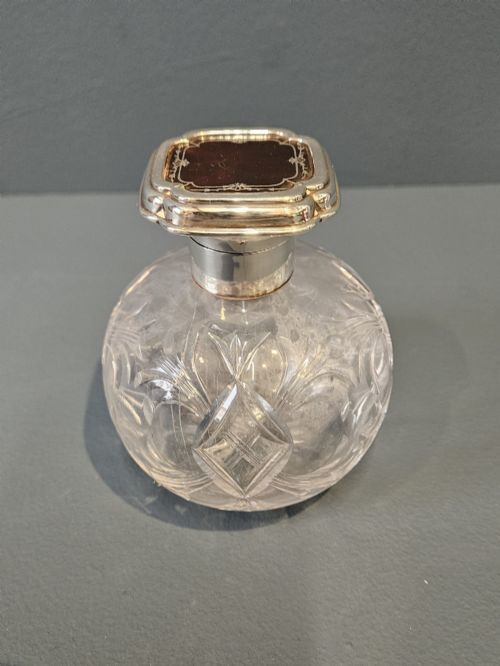
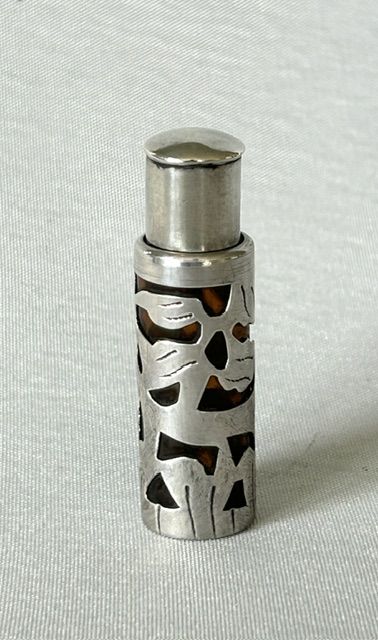

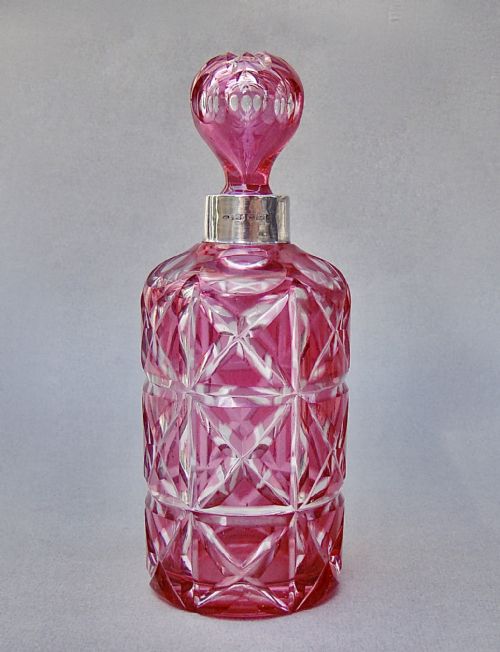


Vintage Scent Flask
A vintage scent flask brings personal fragrance into daily ritual through silver, glass and enamel from past centuries.
Vintage Scent Flask
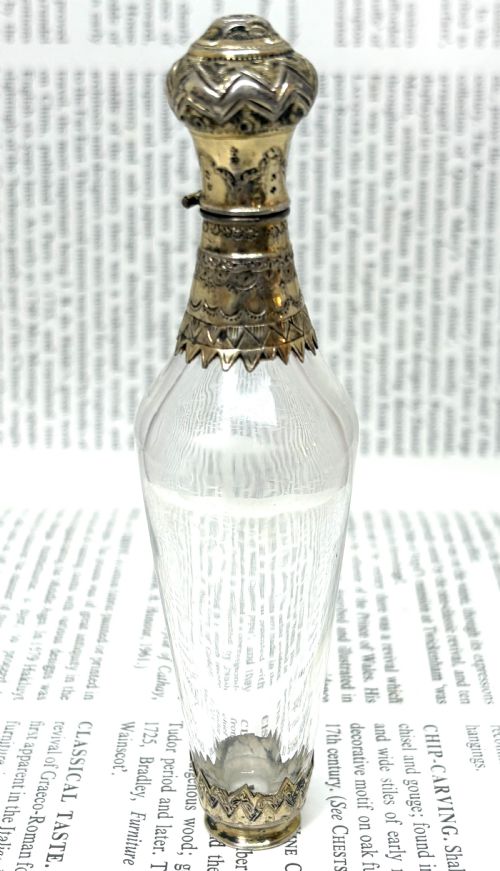
A vintage scent flask sits on a dressing table or slips into a pocket, combining practical utility with decorative grace. These small containers held liquid perfumes, smelling salts or spirits for the pocket and vanity.
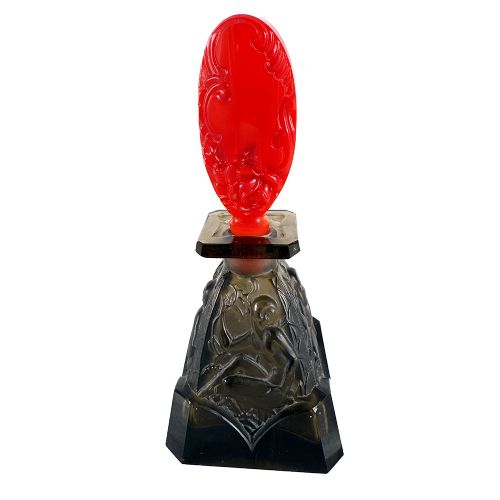
The selections here span from the Georgian era through the Victorian period and into the Art Deco style of the twentieth century. Glass bodies paired with precious metal mounts dominate the offerings.
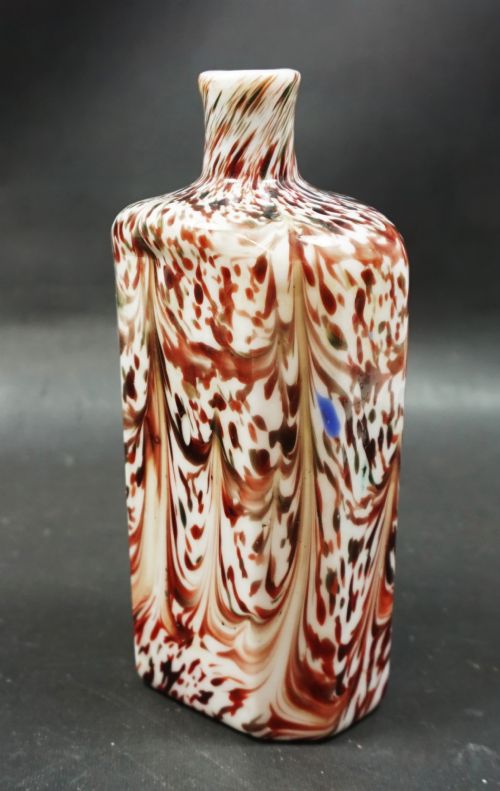
Moulded, cut and coloured glass appear alongside sterling silver, gold and enamel components. Continental and British workshops produced the majority of these surviving examples.
Materials and construction
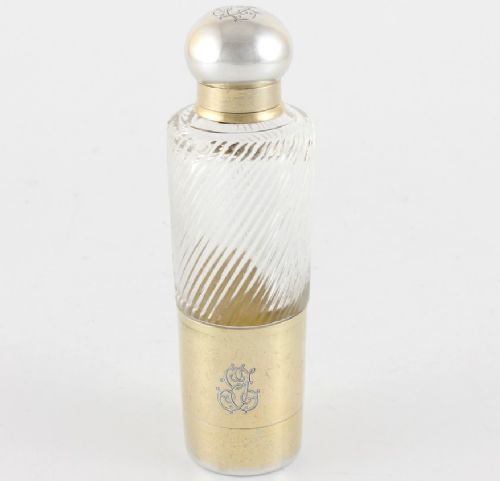
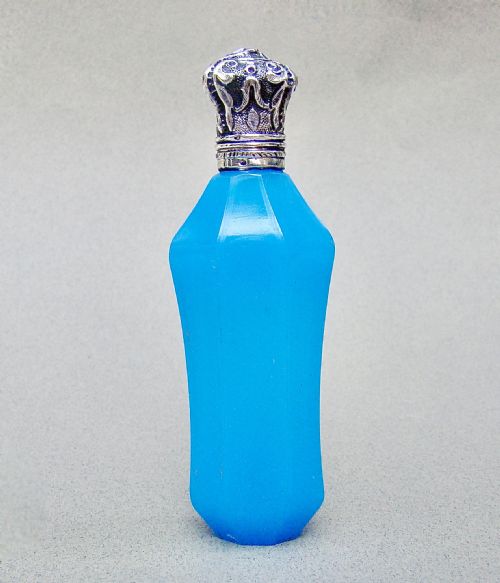
Craftsmen shaped glass by hand, pressing it into moulds or cutting facets into heavy crystal blanks. Coloured glass varieties such as cranberry, opaline and milk glass provided vibrant backdrops for metalwork.
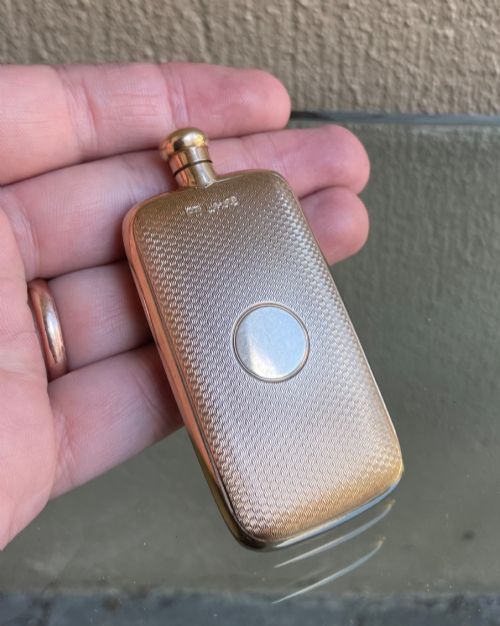
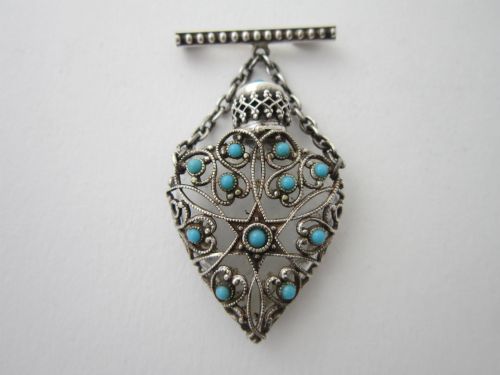
Silver and gold mounts were cast, chased and engraved to form secure hinged lids and collars. Guilloche enamel and tortoiseshell inlay added surface pattern and tactile contrast to the metal frames.
Some tiny Victorian bottles held smelling salts to revive owners from tight corsetry.
Assessing quality and craftsmanship
Depth of cutting in the crystal and clarity of the glass separate standard production from finer work. Crisp detailing in chased silver mounts and precise enamel application indicate superior workshop output.
Original stoppers remaining intact inside the collar demonstrate preservation and proper original pairing. Maker marks and clear silver hallmarks provide evidence of origin and standard of metal.
Tonnel Paris·Gorham·Harold Bushell and Co·Karl Palda·Henry Perkins·Rene Lalique·G H James and Co·Barnsley and Co
The Vintage Scent Flask Glossary
- Guilloche enamel
- Workmanship where a mechanical pattern is engraved beneath translucent coloured enamel. This technique creates a repeating geometric shimmer under the surface.
- Sterling silver
- An alloy of silver containing parts of other metals for durability. British pieces carry hallmarks confirming this specific standard.
- Opalescent glass
- Glass showing milky blue and amber highlights depending on the light. The effect comes from special chemical additives during melting.
- Silver gilt
- Silver coated with a thin layer of gold on the surface. This treatment provides the warmth of gold with the underlying strength of silver.
Vintage Scent Flask: Frequently Asked Questions
How do I clean a vintage scent flask?
Rinse the interior gently with warm water and mild soap while avoiding harsh scrubbing on delicate enamel or glass surfaces. Dry the inside completely before replacing any original stopper.
Polish silver mounts with a soft cloth designed for precious metals to preserve the engraved details and hallmarking.
Are original stoppers important?
Original stoppers maintain the completeness and historical integrity of the piece. Finding a bottle with its matching ground glass stopper adds significantly to the object.
Many flasks survive without them due to breakage over decades of use.
What periods do these bottles cover?
The pieces span from Georgian examples through Victorian and Edwardian designs up to Art Deco creations. Each decade brought distinct changes in silhouette and decorative technique.
Earlier items often feature heavy cut crystal, while later decades embrace geometric enamel work.
How can I tell silver from plated metal?
Look for hallmarks stamped directly onto the metal surface, which indicate the purity standard and the maker. British pieces use lion passant marks to denote sterling quality.
Unmarked Continental mounts require testing or detailed examination of wear points where base metal might show through.